





19th Century Curiosity
A 19th century curiosity encompasses eclectic specimens, scientific instruments, and display cases that collectors acquire to bring Victorian wonder into modern rooms.
19th Century Curiosity
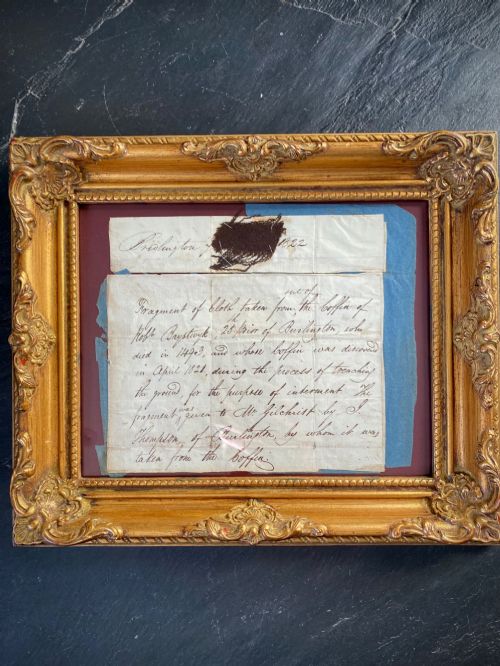
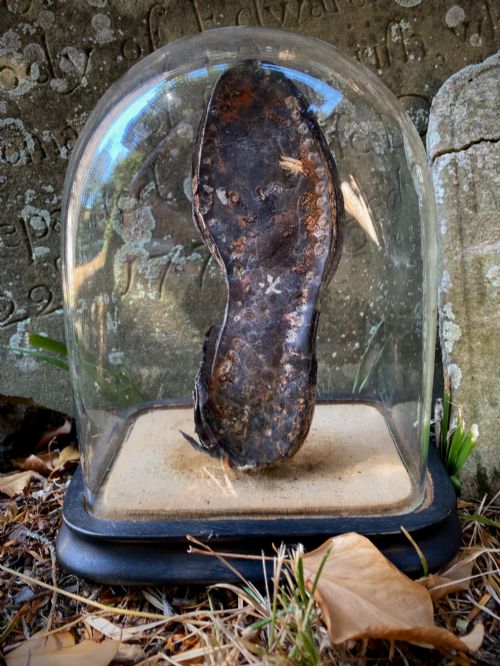
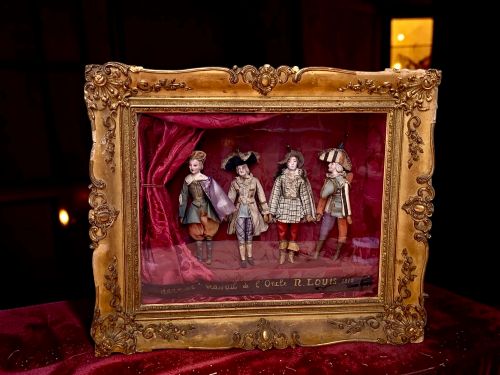
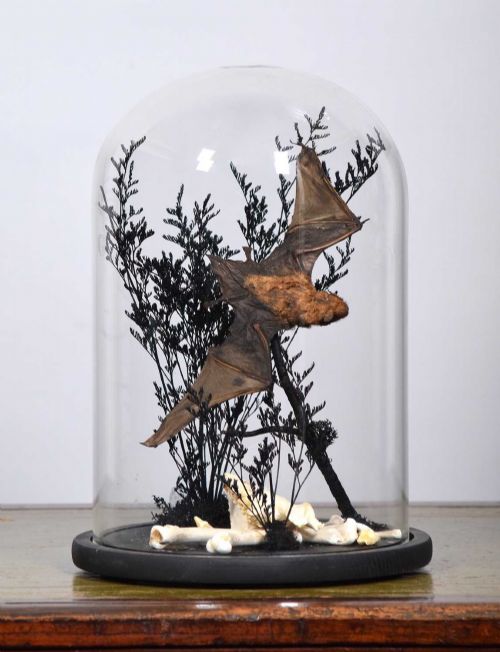
A 19th century curiosity gathers together items from natural history, science, and personal collecting that defined the Victorian taste for classification and display. These pieces range from taxidermy cases and anatomical models to specialised cabinets made to house small treasures.
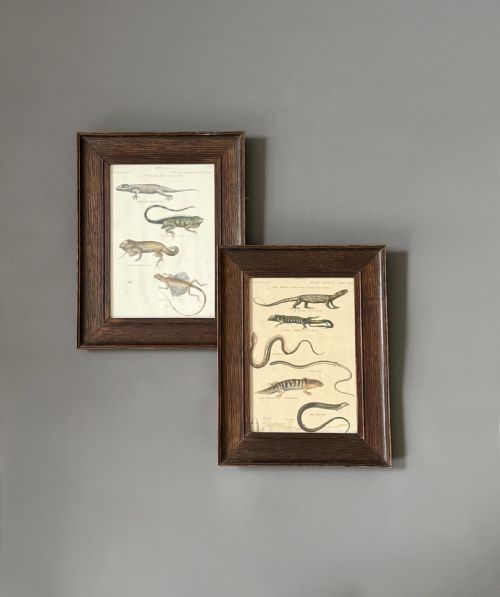
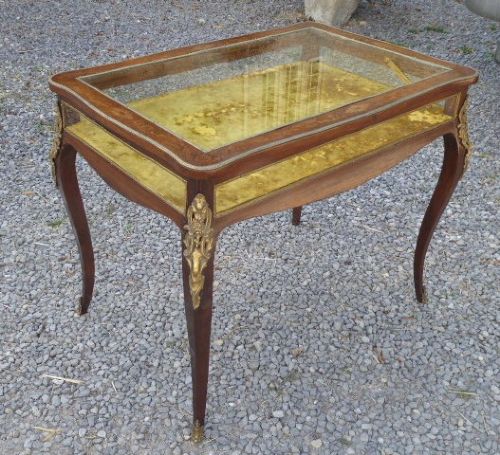
The versions most commonly met on this page include bijouterie tables, medical specimens, snuff boxes, and framed natural history engravings. They bridge the gap between scientific study and domestic decorative arts, reflecting an era fascinated by the natural world.
Objects originate from various contexts, including English workshops, French cabinet makers, and global exploration. Each piece tells a story of discovery, scientific advancement, or meticulous home curation from the nineteenth century.
How They Were Made
Makers utilised timber such as mahogany, satinwood, kingwood, and cedar alongside brass, glass, and bone to construct cabinets and display tables. These materials were chosen for both their structural integrity and their ability to complement the specimens they housed.
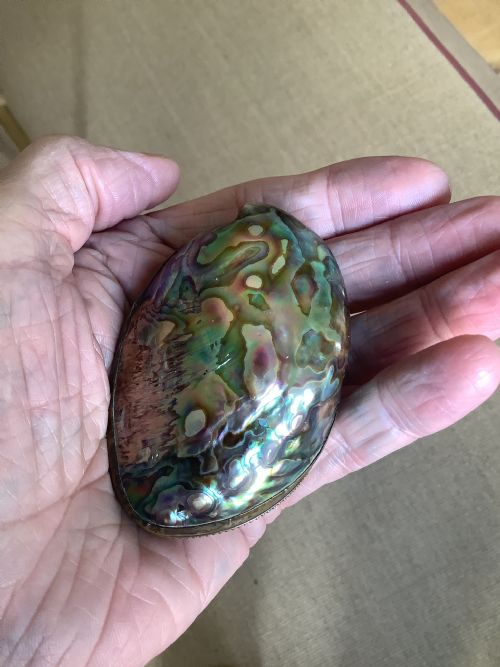
Natural materials like abalone shell, turtle shell, coral, and antler were shaped and mounted with silver or brass in pocket items like snuff boxes and spoons. Taxidermy and anatomical preparations required chemical preservation and skilled taxidermy mounting techniques to maintain form over generations.
19th Century Curiosity Retail Price Guide 2026
Typical asking prices for 19th century curiosity among the pieces listed under this phrase on Sellingantiques today, from the lower quarter to the upper quarter. They describe what is for sale here now, not the wider market.
Fairground visitors once tested their perceptions using a glass distortion mirror.
What Varies in Quality
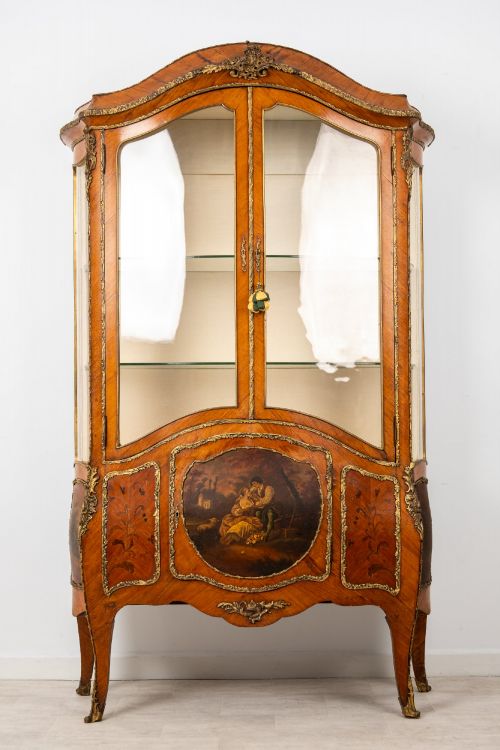
Quality in a 19th century curiosity depends on the original precision of its construction and the survival of its delicate components. Fine cabinetry shows tight marquetry, secure ormolu mounts, and well-fitted glass panels that protect internal collections.
Natural history specimens and scientific apparatuses vary according to the original taxidermist skill, completeness of the instrument parts, and documentation linking them to makers like James Gardner or Watkins & Hill. Original surfaces and untouched patina elevate the standing of any object.
William Bird MD FLS·Watkins & Hill·James Gardner
The 19th Century Curiosity Glossary
- Bijouterie table
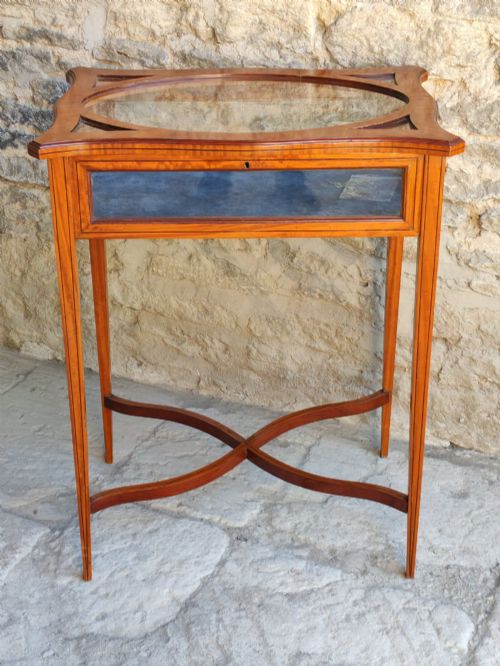
- A glass-topped display table designed specifically for showcasing small valuable objects and collections.
- Thermoscope
- An early scientific instrument used to indicate changes in temperature without formal measurement scales.
- Vernis Martin
- A European decorative lacquer technique mimicking Asian finishes, often found on French display cabinets.
- Wimshurst machine
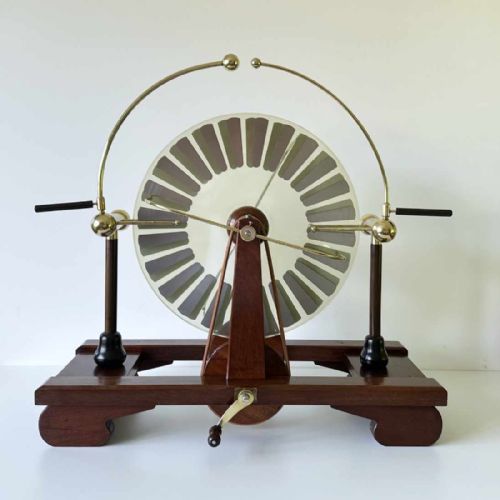
- An electrostatic generator operating with two counter-rotating discs to produce high-voltage sparks for demonstration.
- Lancet
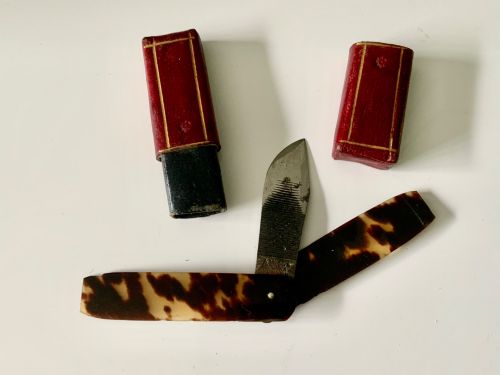
- A small double-edged surgical blade utilised during the nineteenth century for medical and veterinary bloodletting.
19th Century Curiosity: Frequently Asked Questions
What is a 19th century curiosity?
A 19th century curiosity is an artefact, specimen, or scientific instrument collected and displayed during the Victorian period. These items reflect the era's deep fascination with natural history, medicine, and global exploration.
They serve as tangible links to historical methods of study and home presentation, appealing to collectors interested in the unusual and the scientific.
How were display cabinets used?
Display cabinets and bijouterie tables were placed in Victorian drawing rooms to exhibit small collections of shells, coins, minerals, and curiosities. They protected delicate items behind glass while allowing guests to inspect them.
These pieces acted as conversation starters and demonstrated the owner's intellectual pursuits and worldly travels.
How do I care for taxidermy and specimens?
Taxidermy and natural history specimens require stable indoor environments away from direct sunlight and high humidity. Glass domes and sealed cases protect fragile feathers and mounts from dust and environmental degradation.
Gentle cleaning of exterior glass and wood surrounds maintains the condition of the object without disturbing the historical contents inside.
What materials are common in medical antiques?
Medical antiques and scientific apparatuses frequently combine brass, glass, bone, and polished wood. These materials ensured durability during clinical use and provided a precise finish for scientific instruments.
Many pocket instruments also feature leather travel cases lined with velvet to secure delicate components during transport.