

19th Century Crystal Glasses
These 19th century crystal glasses bring weight and clarity to the table, offering a tangible link to the drinking customs of Georgian and Victorian parlours.
19th Century Crystal Glasses
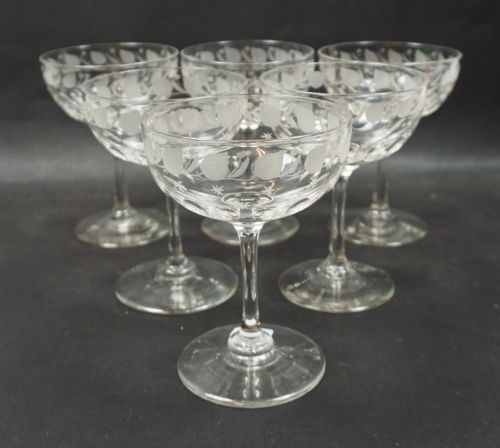
When searching for 19th century crystal glasses, buyers encounter a diverse range of forms designed for dining and entertaining. The selection spans robust rummers, delicate champagne coupes, port wine glasses, and tall flutes spanning the Georgian, Victorian, and Regency periods.
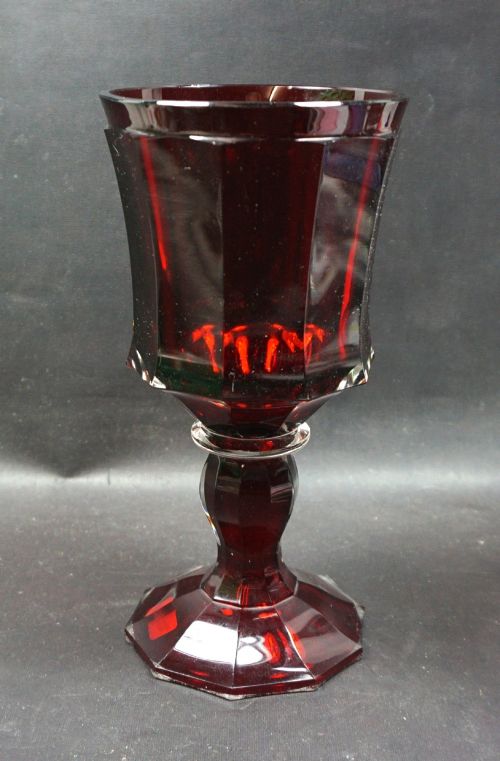
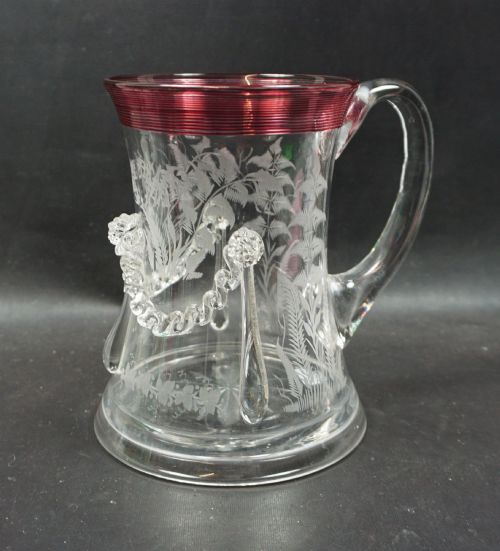
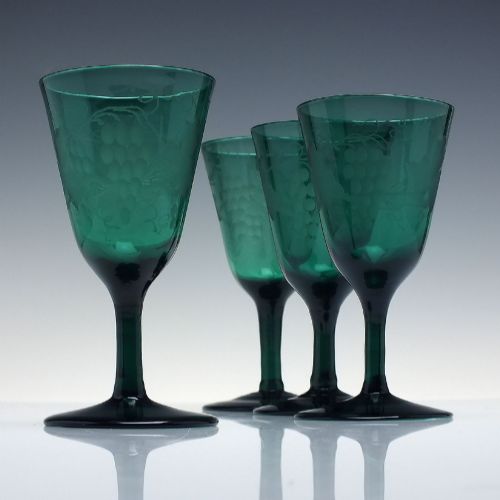
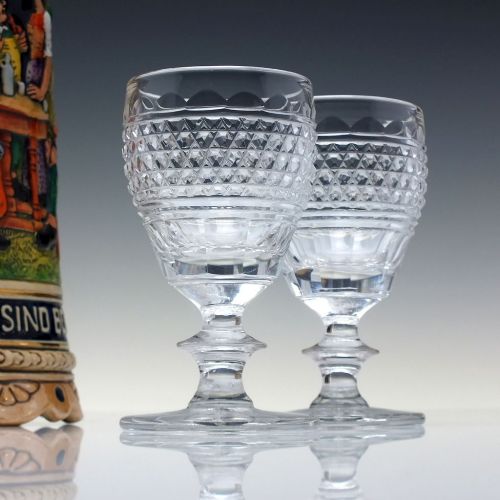
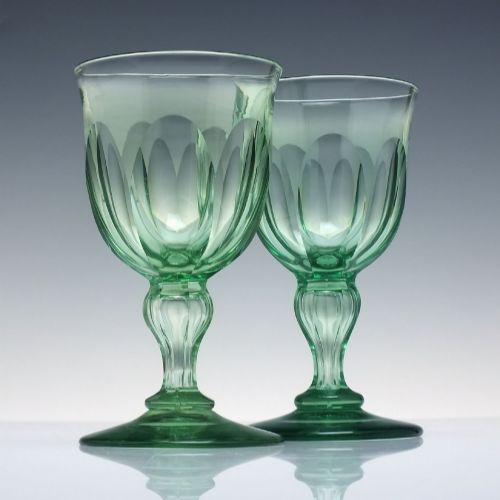
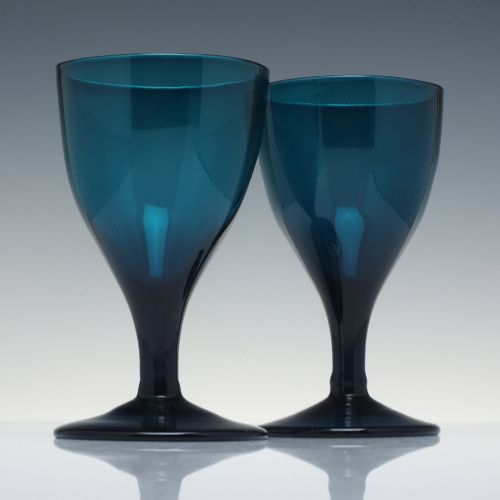
English and Irish workshops dominate the domestic drinking vessels, often displaying deep geometric cutting or fine wheel engraving. Continental examples bring distinct colour variations, including cranberry, apple green, cobalt blue, and flashed red overlays over clear crystal.
How they were made
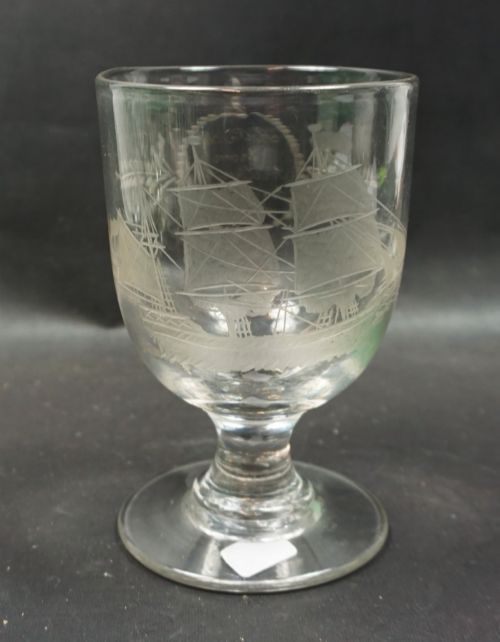
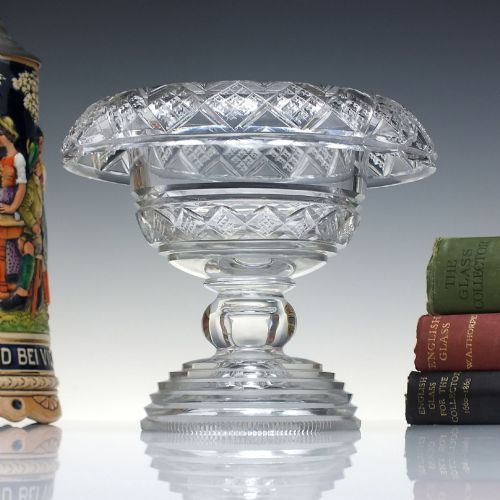
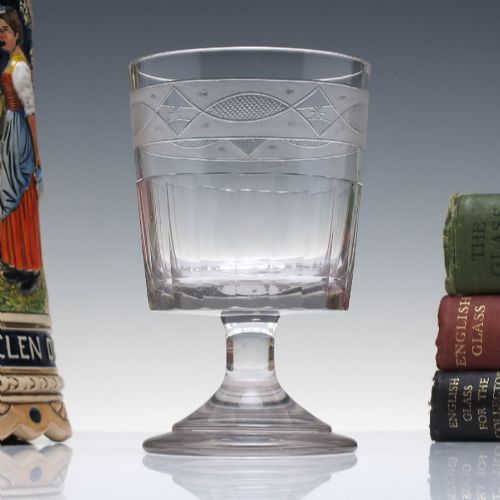
Makers utilised heavy lead crystal blown into moulds or shaped by hand, creating substantial vessels capable of holding deep facet cutting. Artisans then applied wheel engraving to render intricate flora, fauna, crests, and commemorative dates across the clear or flashed surfaces.
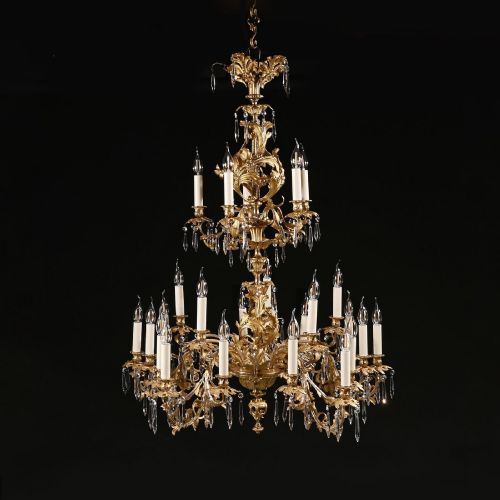
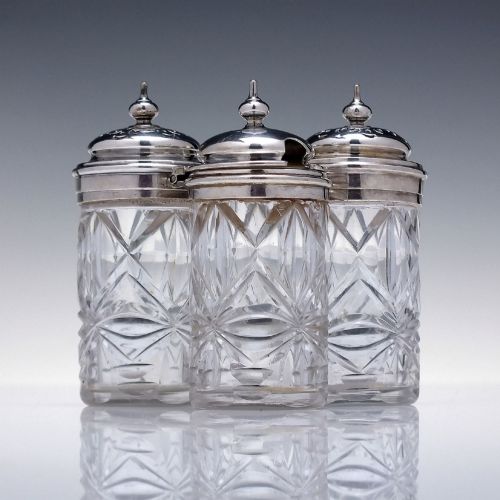
Assembly often combined blown glass elements with metal mounts, particularly in larger serving sets, decanter frameworks, and chandeliers utilising gilt bronze or brass trim.
19th Century Crystal Glasses Retail Price Guide 2026
Typical asking prices for 19th century crystal glasses among the pieces listed under this phrase on Sellingantiques today, from the lower quarter to the upper quarter. They describe what is for sale here now, not the wider market.
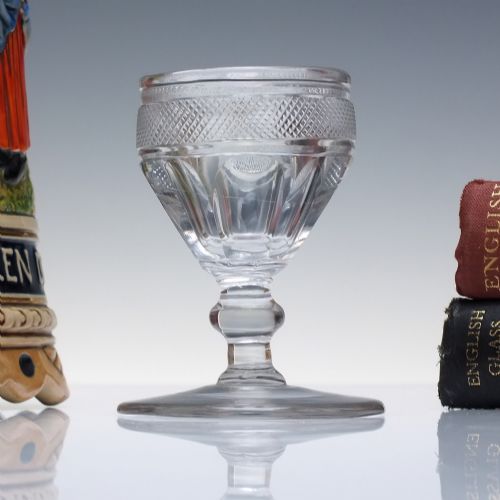
Toastmasters relied on deceptive dram glasses featuring solid glass bases nearly as deep as the bowl, ensuring hosts stayed sober through endless rounds.
What varies in quality
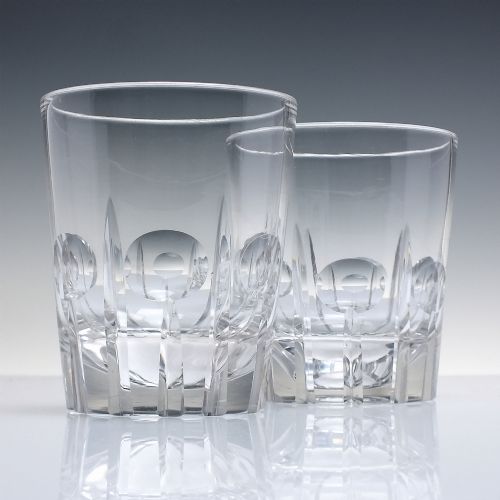
Quality rests in the crispness of the cutting and the purity of the metal, where sharper facets catch the light without distortion or cloudiness. Superior wheel engraving exhibits fine detail and depth, distinguishing skilled handwork from simpler surface etching.
The weight and balance of the vessel also dictate grade, with finer drinking glasses demonstrating thin rims paired with thick, stable foot rings or pillar moulding.
Osler·Baccarat
The 19th Century Crystal Glasses Glossary
- Lead crystal
- Glass containing lead oxide that increases brilliance, weight, and workability for deep cutting. It gives these vessels their characteristic ring when struck gently.
- Rummer
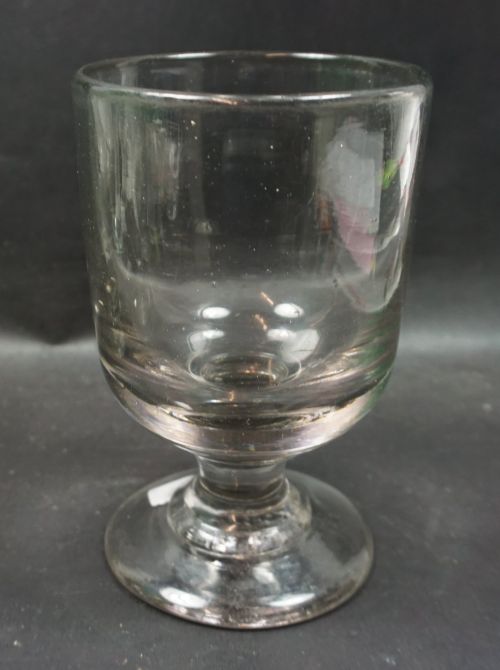
- A large, heavy-stemmed drinking glass popular in the eighteenth and nineteenth centuries for ale, cider, or wine. They often feature pillar moulding or detailed wheel engraving.
- Flashed glass
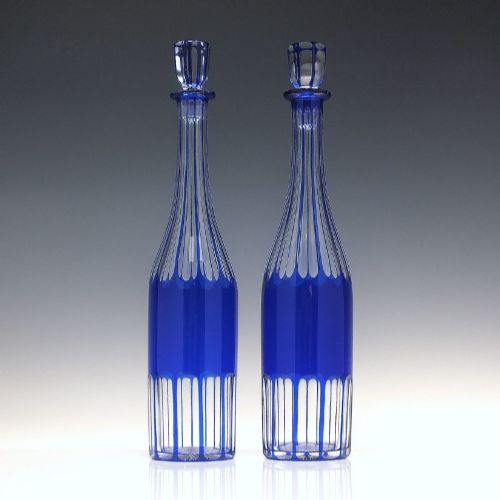
- A vessel formed with a thin outer layer of coloured glass over a clear crystal base. Cutting through the coloured layer reveals the clear glass beneath for dramatic contrast.
- Champagne coupe
- A shallow, broad-bowled stem glass designed for sparkling wines. Nineteenth-century examples frequently employ delicate wheel engraving along the rim.
- Toastmaster dram
- A small drinking glass with a solid glass base designed to hold a very small measure of liquor. This allowed hosts to keep pace with guests during prolonged toasts without overindulging.
19th Century Crystal Glasses: Frequently Asked Questions
Can I still use these glasses today?
Many collectors use their nineteenth-century stemware for special occasions, enjoying the substantial weight and distinct ring of the lead crystal. Care must simply be taken during handling and washing.
For pieces with delicate wheel engraving or flashed colour overlays, hand use preserves the surface detail against modern wear.
How do I identify Georgian versus Victorian pieces?
Georgian drinking vessels often display heavier Anglo-Irish cutting, deeper bowls, and sturdy proportions dating from the late eighteenth century up to the eighteen-thirties. Victorian examples frequently introduce a wider variety of colours like cranberry and green, alongside frosted or etched floral motifs.
Examining the pontil mark on the underside helps establish age, as rough snapped pontils generally precede smoother, polished bases.
Why are some glasses colored?
Makers added metallic oxides to the molten batch or created double-layered flashed glass to achieve rich hues like cobalt blue, ruby red, and apple green. These coloured variations became particularly fashionable during the Victorian era for wine sets and finger bowls.
Cutting through the coloured exterior layer created contrasting patterns that highlighted the skill of the glasscutter.