



19th Century Copper Bowl
These pieces of 19th century copper bowl design span utilitarian kitchenware and decorative vessels that bring warmth to modern interiors.
19th Century Copper Bowl
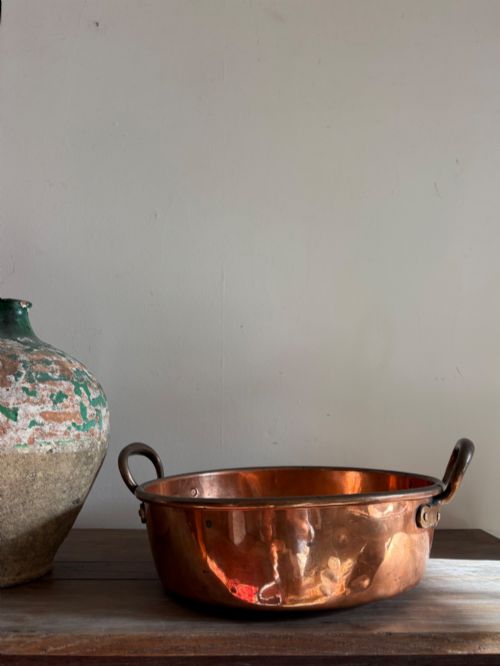
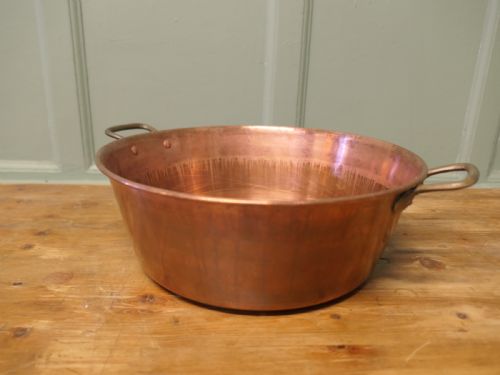
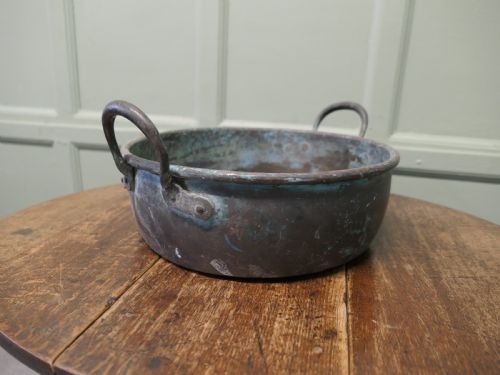
A 19th century copper bowl encompasses heavy preservation pans, utilitarian grain measures, and decorative jardinières shaped during the Victorian and Regency eras. Buyers encounter everything from simple kitchen cookware featuring double iron handles to ornate items bearing silver inlay or cloisonné enamel.
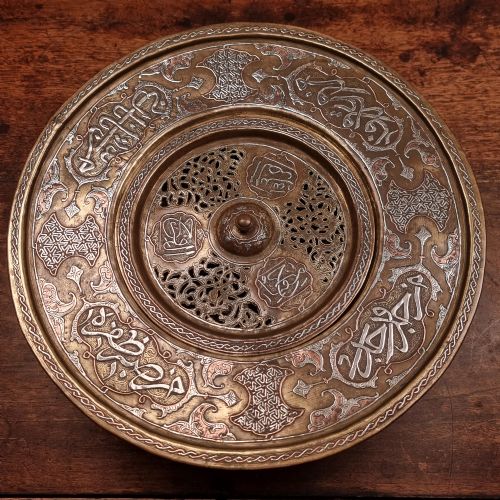
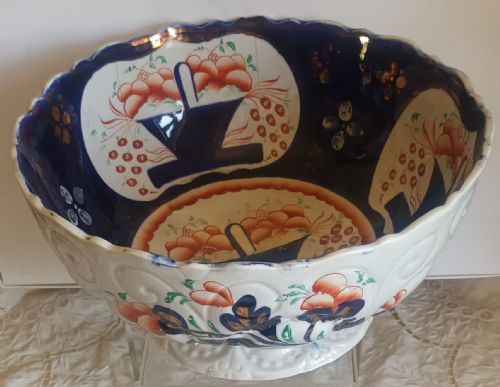
The selection ranges from large domestic jam pans intended for heavy kitchen use to Indian ceremonial vessels and Japanese chargers. Domestic cookware sits alongside jardinières designed to hold plants or wine bottles in period settings.
Materials and construction methods
Makers shaped these items primarily from sheet copper and brass, frequently combining metals to form riveted seams and reinforced rims. Iron handles appear on heavy preserving pans and jam pans to endure the physical strain of domestic production.
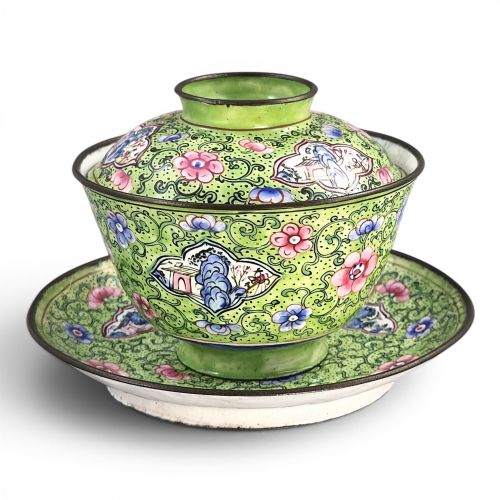
Surface decoration relies on hammering, silver inlay, and detailed enamel work. Artisans utilised techniques ranging from plain hand-beating in rustic farmhouses to intricate Japanese cloisonné and Islamic metalwork traditions.
19th Century Copper Bowl Retail Price Guide 2026
Typical asking prices for 19th century copper bowl among the pieces listed under this phrase on Sellingantiques today, from the lower quarter to the upper quarter. They describe what is for sale here now, not the wider market.
Grain measure number six stands ready for dry goods, should your oats ever require official Victorian verification.
Assessing quality and craftsmanship
Quality rests in the weight of the metal and the integrity of the construction, such as tightly hammered seams and evenly proportioned riveted handles. Heavy domestic pans show substantial metal gauge thickness built for functional longevity.
Artistic execution separates standard kitchenware from decorative showpieces. Finely detailed inlay work, balanced proportions, and well-preserved enamel surfaces elevate decorative chargers and jardinières above everyday utility items.
The 19th Century Copper Bowl Glossary
- Jardiniere
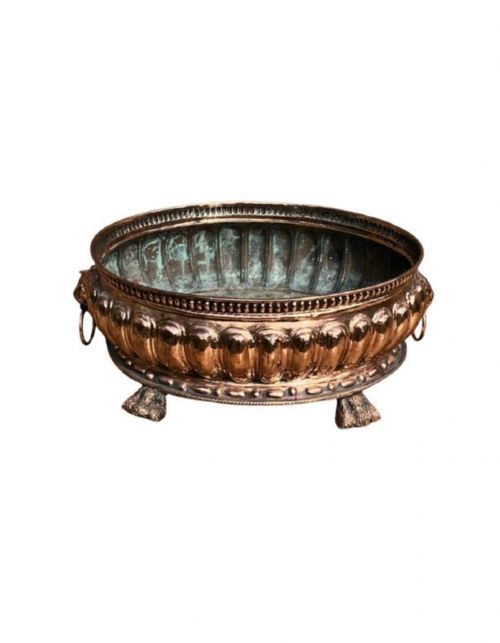
- An ornamental pot or stand for holding plants or flowers. These vessels often feature decorative feet or handles suited for display.
- Cloisonne
- A technique for decorating metalwork objects with colour using vitreous enamel. Thin wires form compartments that hold the enamel paste before firing.
- Jam pan
- A large, open metal vessel traditionally used for boiling fruit and sugar. They typically include sturdy loop handles for lifting heavy contents.
- Regency
- An architectural and decorative style spanning the early nineteenth century in Britain. Pieces from this period exhibit classical restraint and elegance.
19th Century Copper Bowl: Frequently Asked Questions
What were 19th century copper bowls used for?
These vessels served diverse functions ranging from heavy kitchen jam preservation and grain measuring to decorative plant display. Utilitarian pans handled food preparation while ornate chargers and jardinières fulfilled decorative roles.
Domestic kitchenware supported daily household labour. Meanwhile, finer pieces displayed artistic metalwork techniques in drawing rooms and parlours.
How do I clean an antique copper bowl?
Gentle washing with warm soapy water preserves the natural oxidation and historical patina. Abrasive chemical cleaners strip away the aged surface character that collectors value.
Storing pieces away from damp environments prevents active corrosion. Minimal maintenance keeps the metal stable without erasing signs of period use.
Are these bowls safe for cooking?
Many preservation pans and jam pans were manufactured without modern food-safe interior linings. Using them for display rather than food preparation remains the standard approach.
Kitchenware from this period often shows interior wear from centuries of domestic use. Modern culinary application requires careful inspection of the metal surface.
How can I date a copper bowl?
Dating relies on manufacturing marks, handle attachments, and stylistic traits like hand-beating versus machine rolling. Rivet placement and joining methods indicate whether a piece originates from the early or late nineteenth century.
Comparative analysis with documented examples helps place items within specific stylistic movements. Regional manufacturing techniques also offer clues to the exact decade of origin.