


19th Century Chinoiserie Mirror
A 19th century chinoiserie mirror brings fantasy, intricate motifs and exotic charm into a room, offering both decorative presence and reflected light.
19th Century Chinoiserie Mirror
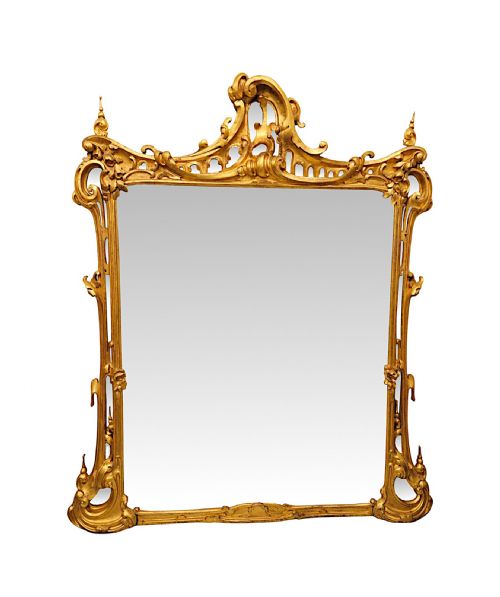
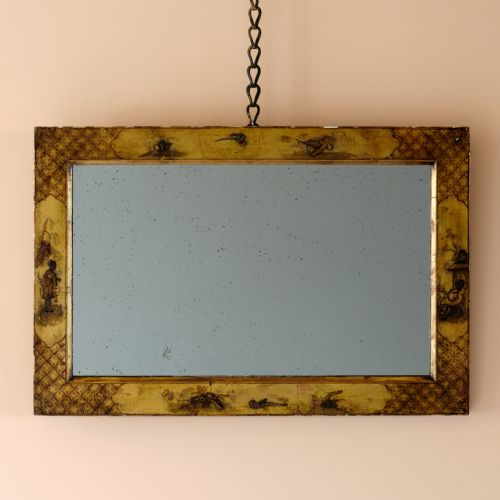
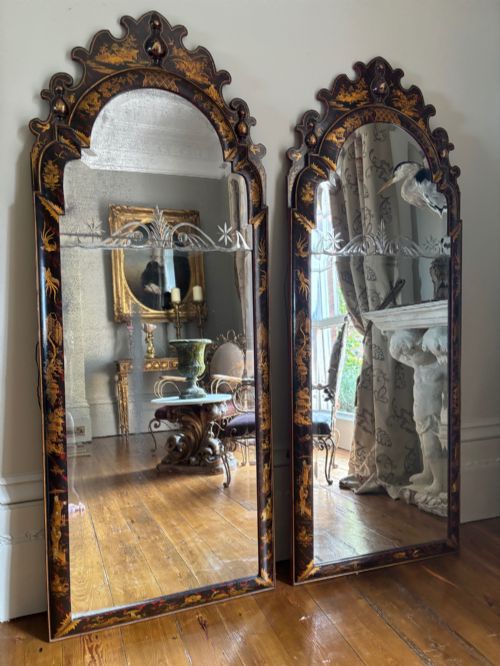
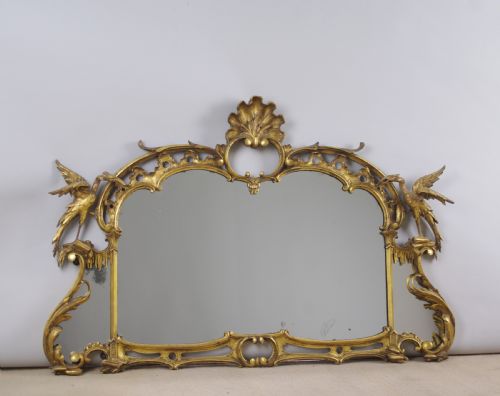
A 19th century chinoiserie mirror brings together European framing traditions and decorative motifs inspired by East Asian art. Buyers encounter various forms on this page, ranging from grand overmantel mirrors and wall mirrors to smaller vanity pieces and girandoles.
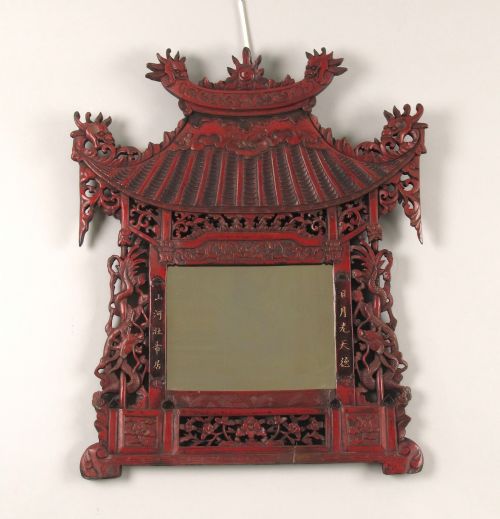
The aesthetic draws heavily from revival styles and trade pieces, incorporating elements of Chinese Chippendale and Queen Anne revival designs. These mirrors often feature distinctive architectural shapes such as pagoda tops, arched pier glass, or rectangular frames.
Pieces from this era include lacquered wooden frames with characteristic ornamentation alongside gilded carved wood examples. The selection spans English and continental workshops, reflecting varied interpretations of orientalist design during the period.
Materials and construction methods
Makers utilised carved wood and giltwood to build substantial frames, applying gold leaf to highlight intricate relief details. Gilt finishes provide a reflective brilliance that complements the ornate scrollwork and structural motifs.
Lacquered wood surfaces receive layered decoration, often depicting figures, landscapes and botanical scenes in traditional motifs. Some pieces incorporate reverse painted mirror glass, requiring specialised techniques to apply imagery directly onto the glass plate.
Materials recorded across the inventory include glass, giltwood, carved wood, gold leaf, metal, lacquered wood, and plain wood.
What separates the finest examples
Quality rests upon the crispness of the carved details and the depth of the lacquer work. Superior pieces display finely rendered hand-painted scenes and robust timber construction that holds the weight of heavy glass plates.
The integrity of the gilding and the preservation of the original mirror glass contribute significantly to a piece's standing. Finer examples maintain cohesive design integration between the frame silhouette and the decorative surface narrative.
Gabriel Viardot
The 19th Century Chinoiserie Mirror Glossary
- Chinoiserie
- European artistic interpretation and imitation of Chinese and East Asian artistic traditions. This style dominated various periods of decorative arts, favouring whimsical motifs and asymmetric compositions.
- Giltwood
- Timber carved and subsequently coated with fine gold leaf or metal powder. It creates a luminous finish characteristic of formal decorative frames.
- Pagoda
- A tiered tower with multiple eaves, frequently referenced in the architectural pediments of Chinese Chippendale mirrors. This form anchors the exotic theme of the frame.
- Reverse painted mirror
- Glass decorated from the back so that the image is viewed through the transparent front plate. It represents a specialised trade technique imported from China.
- Overmantel mirror
- A large wall glass designed specifically to hang above a fireplace mantel. These pieces often serve as the visual focal point of a reception room.
19th Century Chinoiserie Mirror: Frequently Asked Questions
Where should I hang a chinoiserie mirror?
These mirrors work well above a fireplace mantelpiece, in a hallway, or as a focal point in a principal reception room where their reflective glass and ornate frames can command attention.
Because many examples are substantial wall mirrors or overmantel pieces, ensure the wall fixings can support the weight of the timber and glass structure.
How do I care for a lacquered frame?
Dust the lacquered wood gently with a soft, dry cloth to prevent accumulation without abrasive contact. Avoid using chemical polishes or modern cleaning sprays that might damage the historical surface.
Keep the mirror away from direct sunlight and excessive moisture fluctuations to preserve the stability of the wood and the integrity of the finish.
What is Chinese Chippendale style?
Chinese Chippendale refers to furniture designs inspired by Thomas Chippendale's pattern books that incorporate geometric fretwork, pagoda silhouettes and rococo scrollwork. It represents a major aesthetic current in 19th century revival pieces.
Mirrors in this style combine structural architectural elements with playful asymmetrical details borrowed from East Asian art.
Are reverse painted mirrors original?
Reverse painted mirror glass often originates from Chinese export trade workshops catering to European markets during the late 18th and 19th centuries. These panels depict traditional figures and landscapes applied directly to the glass.
Such work requires expert handling and shows distinct hand-painted brushwork when examined closely.