
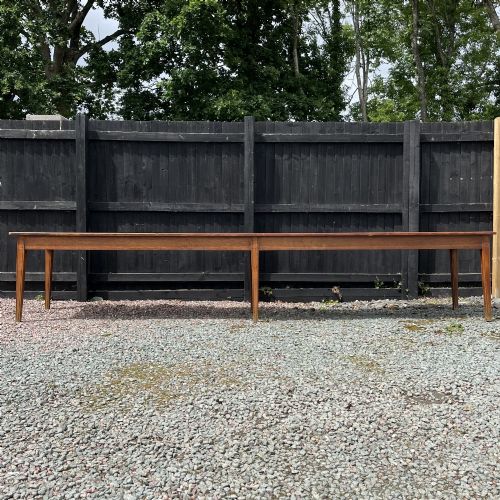

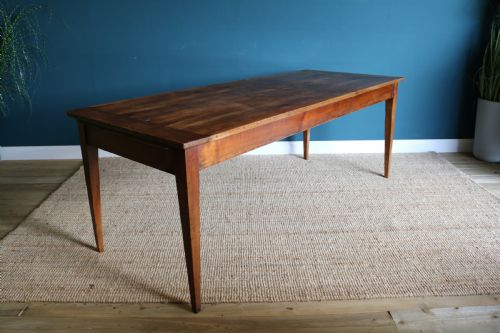
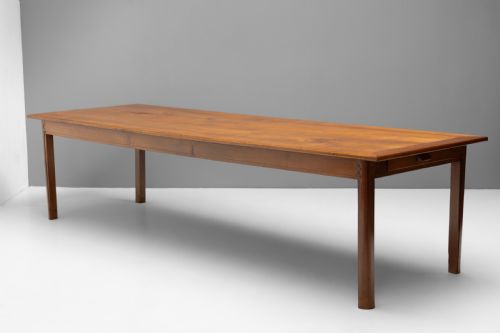

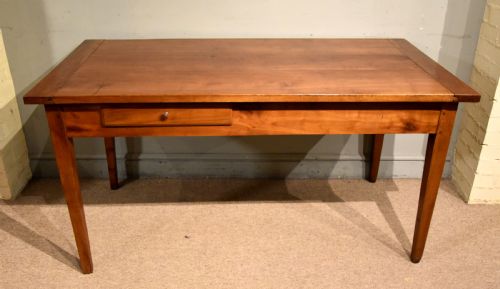


19th Century Cherry Table
A 19th century cherry table brings warmth and rich grain to a room through French farmhouse and dining forms crafted from durable fruitwood.
19th Century Cherry Table
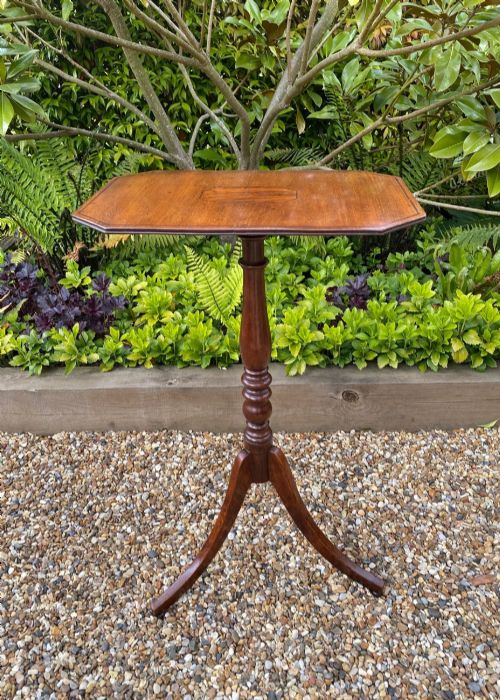
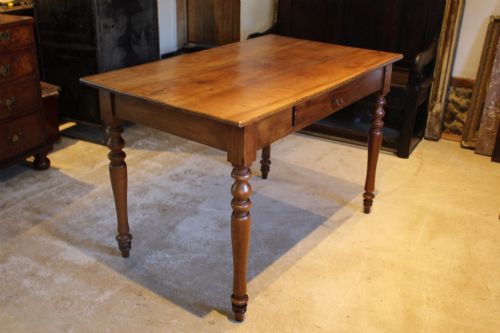
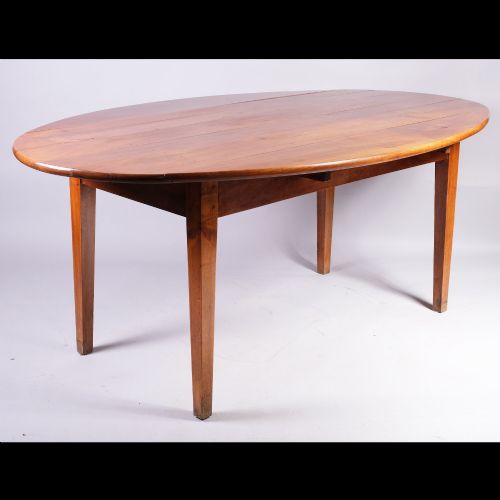
A 19th century cherry table encompasses a wide variety of domestic furniture, most frequently encountered as large French farmhouse dining tables alongside smaller console, coffee and wine tables. These pieces originate predominantly from French provincial workshops, utilising dense timber grown locally across the regions.
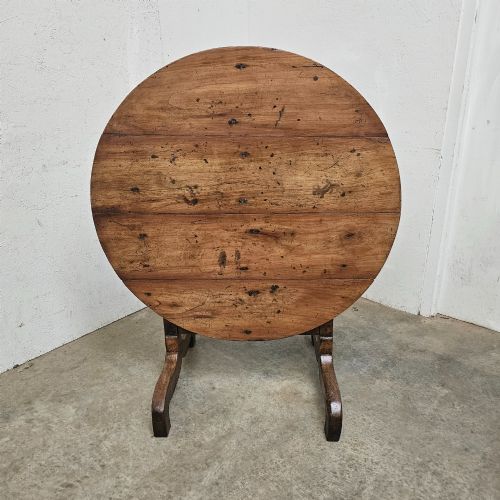
Buyers seeking a 19th century cherry table will discover formats ranging from simple single drawer side tables to massive double extending refectory boards and folding vendange tables. The domestic utility of these items dictates their sturdy construction, often incorporating bread slides, cabriolet legs or drop leaves designed for everyday use in kitchens and manors.
What Varies in Quality
Quality in a 19th century cherry table depends upon the selection of the timber and the integrity of the original construction, such as the snugness of extension mechanisms and drawers. Tables featuring secondary woods like oak used strictly for interior framing demonstrate careful craftsmanship.
The degree of wear and the preservation of a faded, untouched surface finish heavily influence the character of the piece. Examples retaining original hardware, functional bread boards and uncompromised structural joints represent the higher end of surviving items.
Some tables come equipped with sliding bread boards, quietly reminding us of past mornings spent slicing loaves in French country kitchens.
The 19th Century Cherry Table Glossary
- Cherrywood
- A dense, hard timber derived from the cherry tree, valued for its smooth grain and ability to develop a deep reddish-brown patina. It served as a primary material for provincial French cabinet makers.
- Vendange Table
- A folding table traditionally utilised during the grape harvest in French vineyards. These tables often feature clever folding legs or drop leaves for easy storage.
- Bread Slide
- A pull-out wooden board integrated beneath the top of a dining or kitchen table. Historically, it provided extra surface area for slicing bread or cooling loaves.
- Refectory Table
- A long, narrow dining table traditionally built for communal dining halls. Provincial versions in fruitwood often incorporate sturdy stretchers along the base.
- Fruitwood
- A general term for timber harvested from fruit-bearing trees such as cherry, pear or apple. It possesses a tight grain and warm tone distinct from standard hardwoods.
19th Century Cherry Table: Frequently Asked Questions
How do I clean a cherry table?
Dust the surface regularly with a soft, dry cloth to prevent the accumulation of grit. Apply a traditional beeswax periodically to nourish the timber and maintain its natural lustre.
Avoid using modern chemical sprays or excessive water, which can damage the aged patina of the wood. Protect the surface from heat and moisture by utilising coasters and placemats.
Were all these tables made in France?
The majority of the pieces found in this category originate from French provincial regions, reflecting local farmhouse and country furniture traditions. French makers utilised regional cherry and fruitwood extensively for domestic tables.
A small proportion of items may originate from other stylistic traditions, such as Chinese Qing Dynasty hardwood stands, but the dominant origin remains rural France.
Can I use a coffee table daily?
These lower tables were adapted or built for domestic lounging and handle normal daily use quite well. The dense nature of cherrywood provides a durable surface for living rooms.
Ensure that hot mugs and wet glasses rest on protective mats to safeguard the antique polish from rings and thermal marks.