
19th Century Ceramic Vessel
These pieces are a 19th century ceramic vessel, offering enduring utility and artistry through diverse forms like vases, jars, and jugs that anchor a room.
19th Century Ceramic Vessel
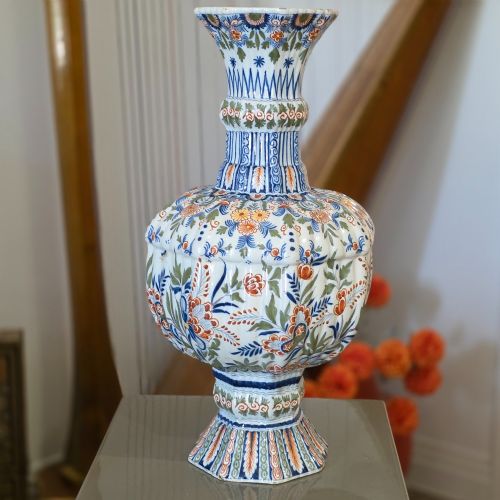
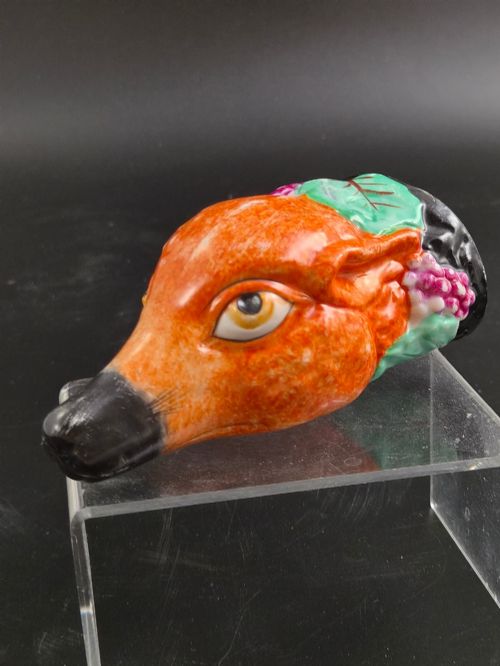
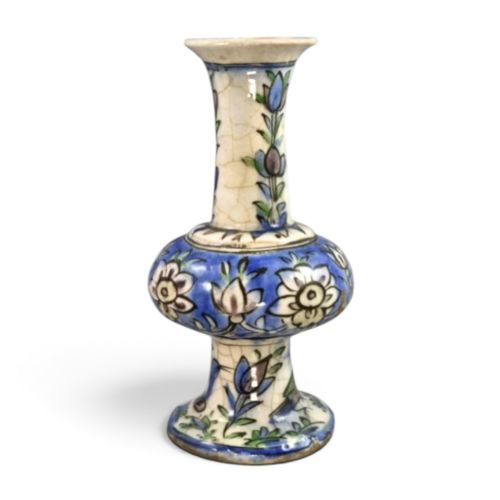
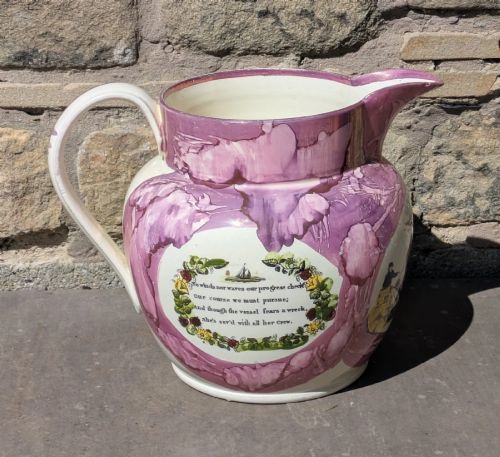
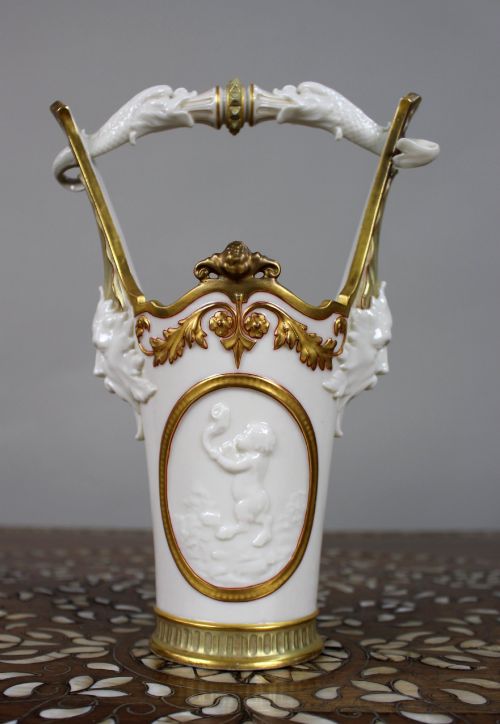
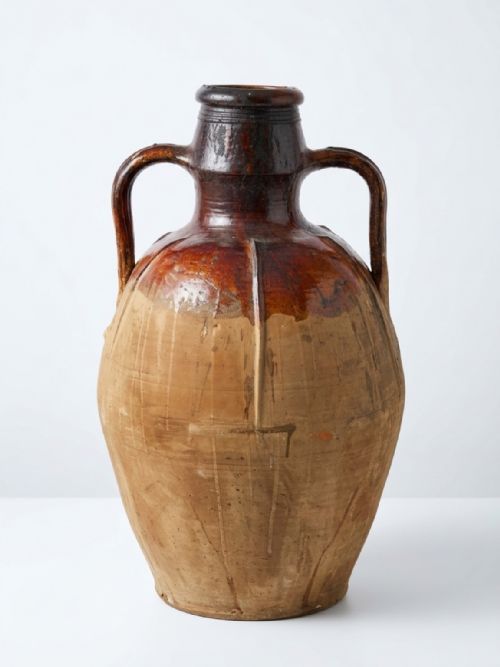
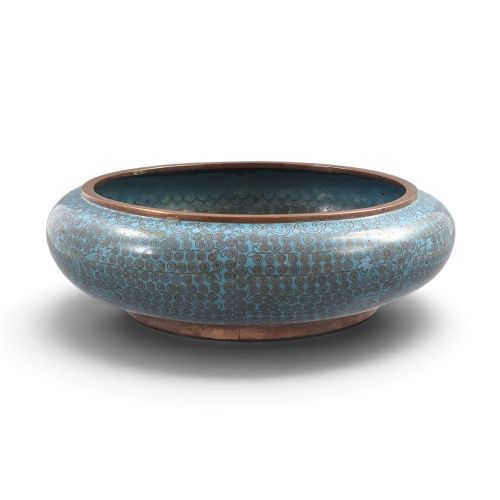
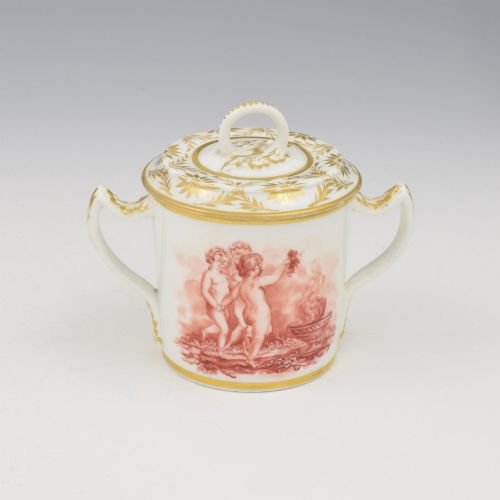
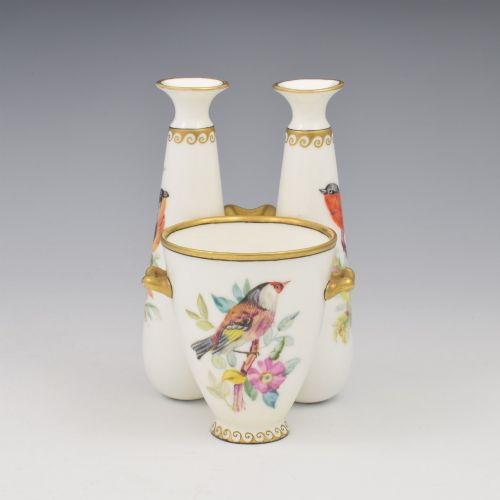
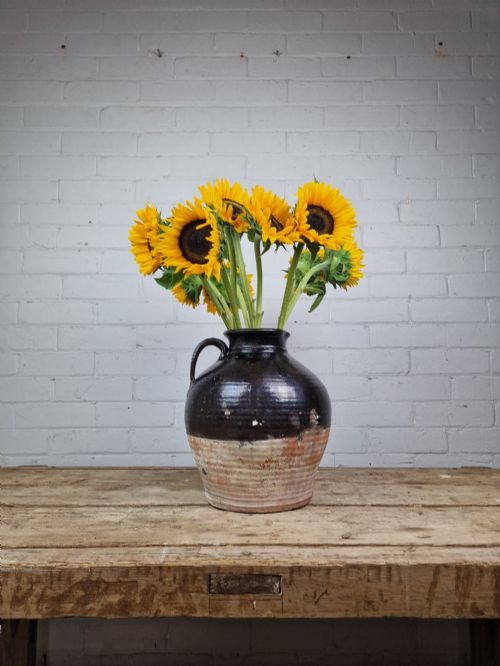
A 19th century ceramic vessel spans utilitarian earthenware, heavy terracotta storage pots, and delicate porcelain display pieces. Buyers encounter various utilitarian and decorative forms, from massive wine jars and dairy crocks to intricate ginger jars, apothecary vessels, and cabinet vases.
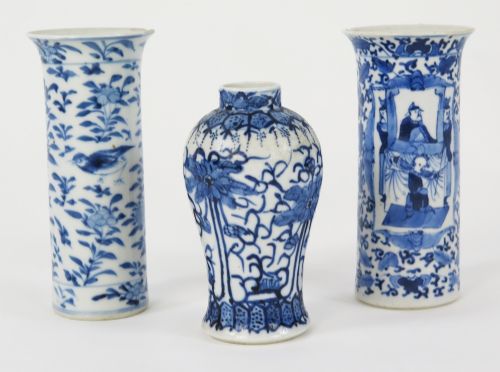
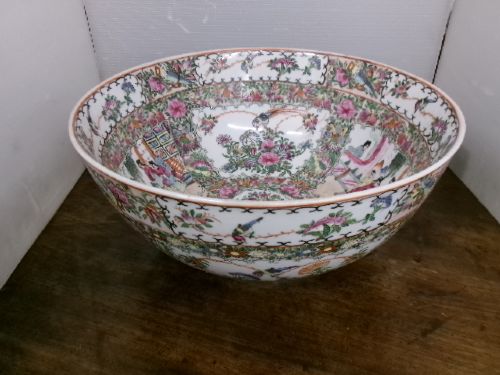
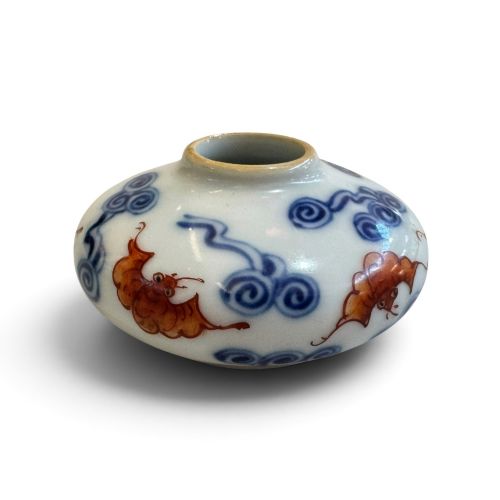
The objects derive from multiple traditions, encompassing English factories, continental European potteries, and East Asian kilns. Pieces frequently display specific regional traits, whether the robust slipware of domestic English workshops or the refined polychrome painting characteristic of Qing Dynasty production.
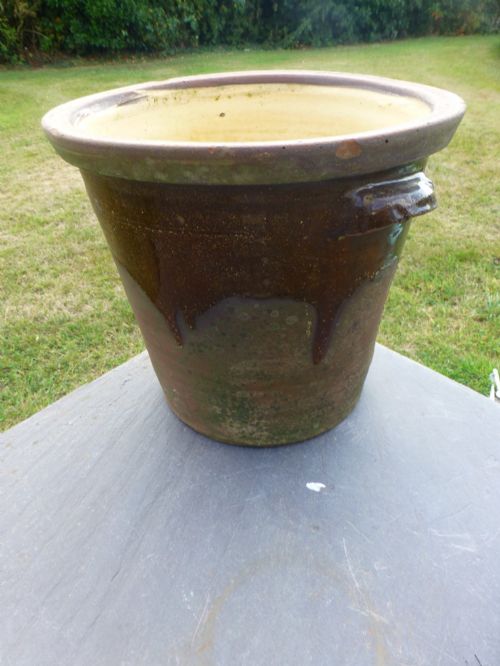
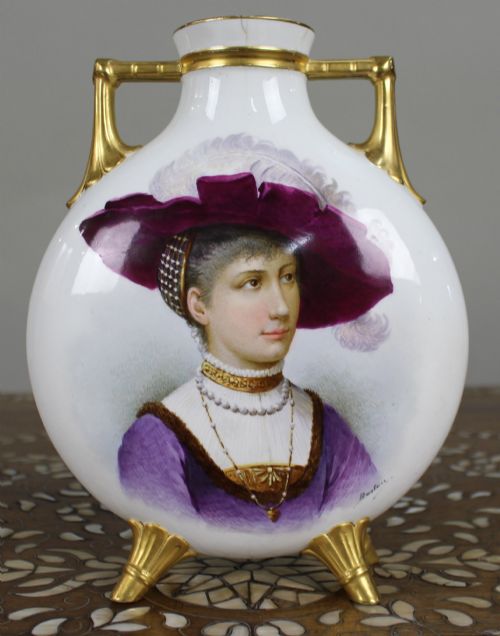
Vessels from this period reflect both everyday domestic utility and high-status aesthetic ambition. Surviving items range from utilitarian dairy bowls with glazed interiors to exhibition-grade porcelain pieces intended for formal display.
Materials and construction techniques
Potters of the era utilised a range of foundational bodies, including porous terracotta, dense stoneware, refined earthenware like pearlware, and hard-paste porcelain. The choice of material dictated the function of the vessel, with robust stoneware and heavy terracotta reserved for storage, while porcelain and fine earthenware suited decorative items.
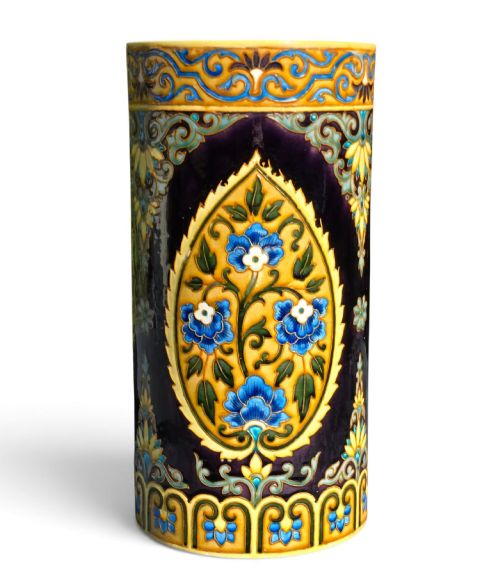
Surface decoration involved diverse methods, from hand-painted polychrome enamel and underglaze blue to applied gold leaf and rich lustres. Glazes varied from simple salt-glazing on utilitarian stoneware to complex celadon and coloured tin glazes on decorative vases and pharmacy jars.
Certain nineteenth-century loving cups conceal ceramic frogs inside, designed to surprise the drinker as the liquor diminished.
Judging quality and execution
Quality rests in the precision of the form and the skill of the surface decoration. Hand-painted examples demonstrate mastery through confident brushwork, balanced composition, and the depth of the palette.
The integrity of the glaze and the success of the firing process distinguish superior pieces. Even utilitarian items gain distinction through balanced proportions, honest wear, and well-applied interior glazing.
Théodore Deck·Royal Worcester·Bloor Derby·H & R Daniel·Coalport
The 19th Century Ceramic Vessel Glossary
- Pearlware
- A refined earthenware developed in the late eighteenth century with a bluish tint in the glaze that pooled in recesses. It provided a whiter surface than traditional creamware to mimic Chinese porcelain.
- Majolica
- A type of earthenware decorated with opaque coloured tin glazes, often featuring bright polychrome palettes. It was widely used in Italy and later Britain for decorative and pharmaceutical vessels.
- Loving cup
- A large drinking vessel typically featuring two or three handles, designed to be passed among company at celebrations. Many nineteenth-century examples incorporate playful elements like moulded frogs or newts inside.
- Famille rose
- A palette of opaque enamels dominated by pink or rose colours, introduced in Chinese porcelain production during the eighteenth century and continued into the nineteenth. The style allowed for nuanced shading in floral and figural scenes.
- Tyg
- A tall, multi-handled drinking vessel dating back to medieval times and produced in various slipware and stoneware forms through the nineteenth century. The multiple handles allowed drinkers to hold the vessel securely from different angles.
19th Century Ceramic Vessel: Frequently Asked Questions
How do I identify a 19th century ceramic vessel?
Examine the base, body material, and glaze characteristics to determine the manufacturing period. Weight, potting technique, and decorative style offer further clues to origin.
Many pieces carry factory marks, impressed stamps, or painter signatures that help narrow down the date and place of origin. Comparing the baseline paste and glaze types with known regional standards confirms authenticity.
How should I care for antique ceramic vessels?
Keep these items away from direct sunlight and dramatic temperature fluctuations to protect glazes and painted surfaces. Dust gently with a dry, soft cloth rather than using liquid cleaners.
Utilitarian vessels with porous terracotta or earthenware bodies should not be filled with water for long periods. Display them on stable, level surfaces where they will not be knocked or disturbed.
What is the difference between porcelain and stoneware?
Porcelain is a vitrified, translucent ceramic fired at high temperatures using fine white clays like kaolin. It typically presents a delicate appearance and rings when struck.
Stonerware is denser, opaque, and non-porous even without glaze, having been fired at high heat until the clay body vitrified. It was traditionally chosen for hard-wearing storage vessels and heavy jugs.