
19th Century Ceramic Urn
These 19th century ceramic urn pieces bring classical grandeur and decorative presence to interiors.
19th Century Ceramic Urn
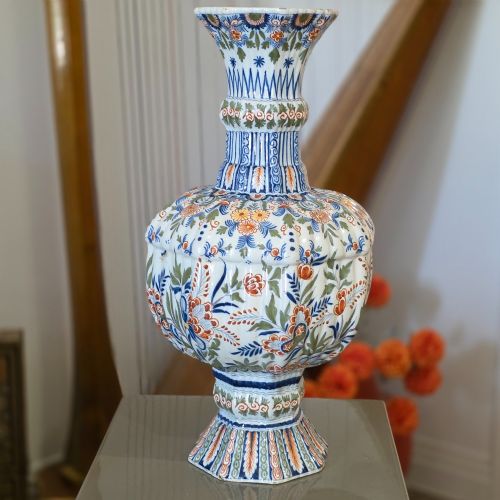
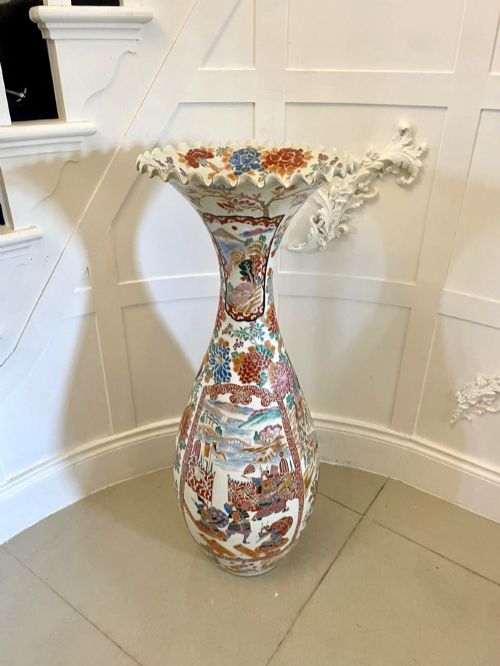
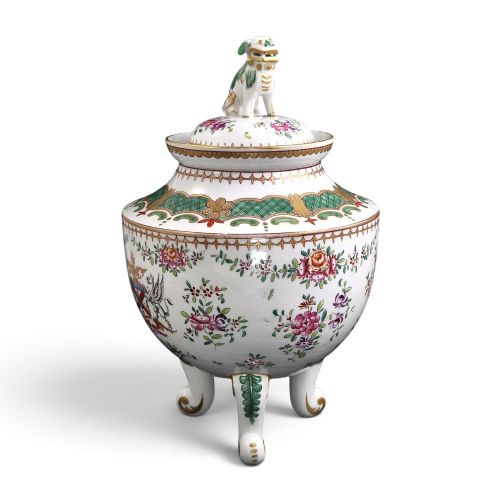
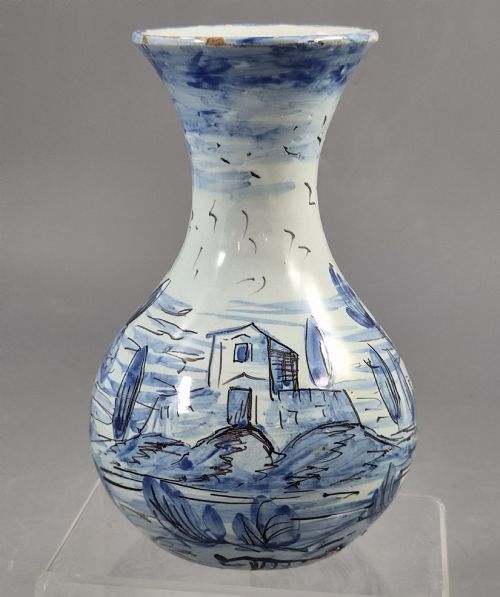
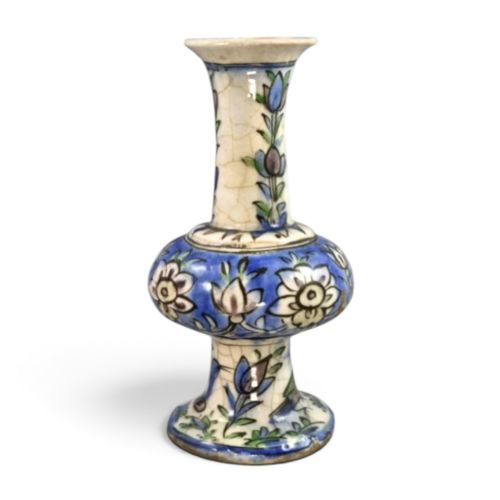
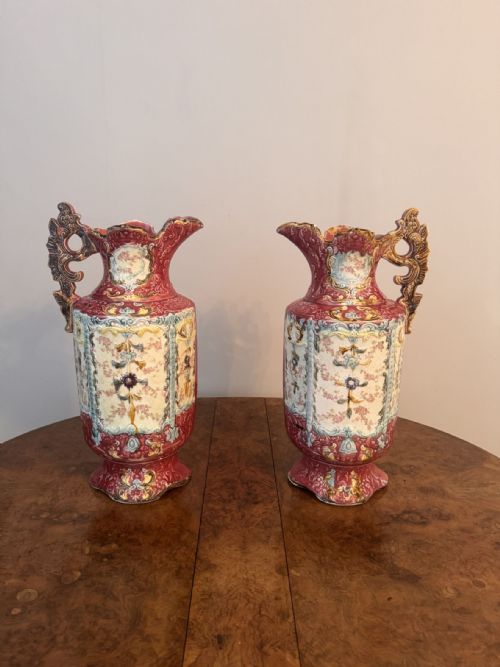
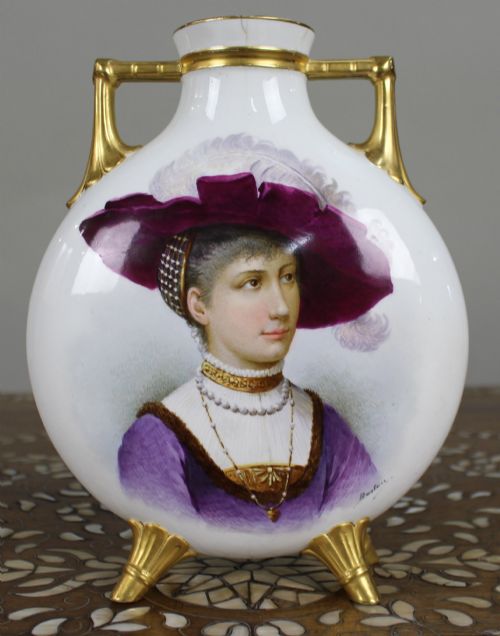
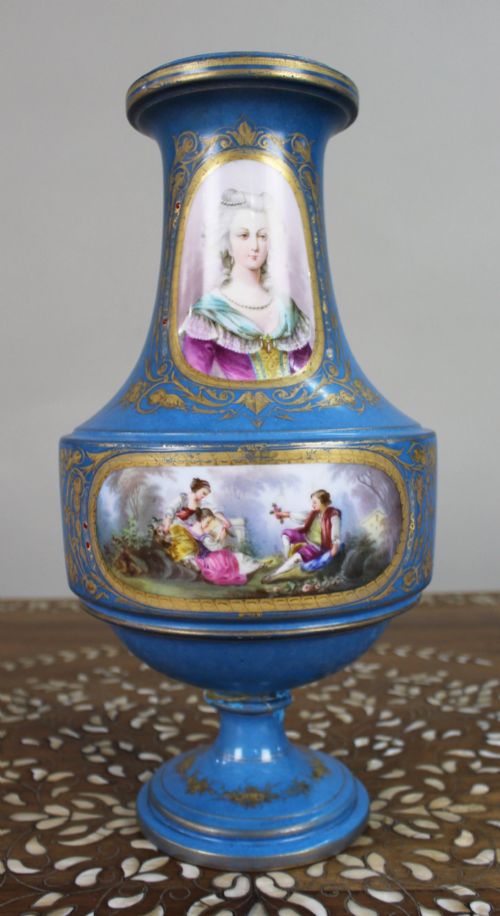
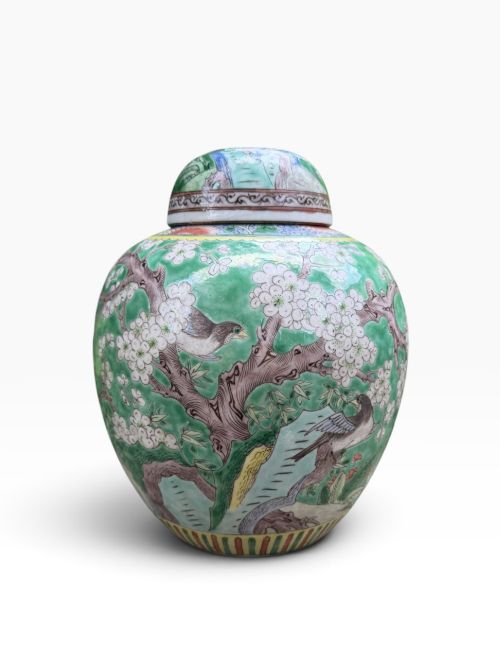
A 19th century ceramic urn covers a diverse range of vessels designed primarily for display rather than utility, drawing from European and Asian traditions. The pieces on this page span decorative vases, lidded ginger jars, twin-handled campagna shapes, and grand floor-standing jardinieres.
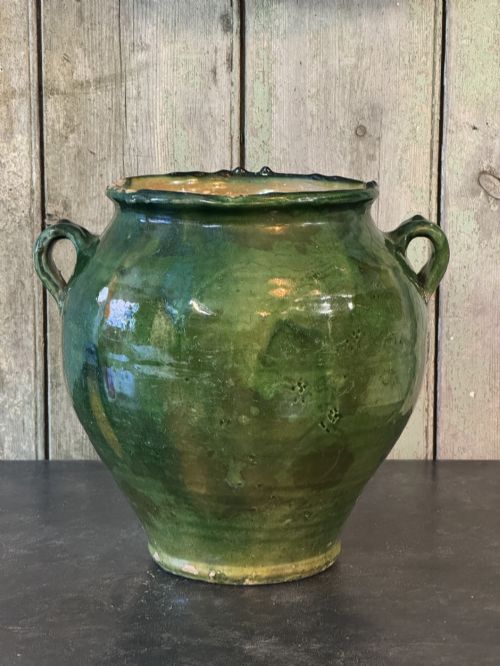
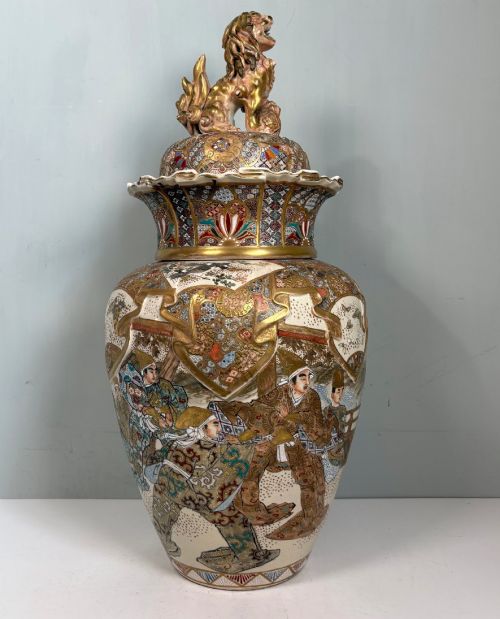
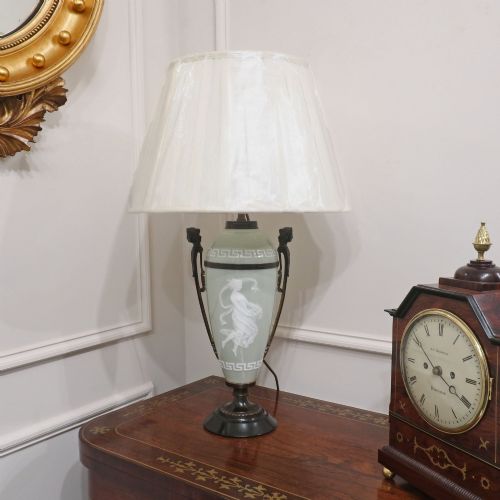
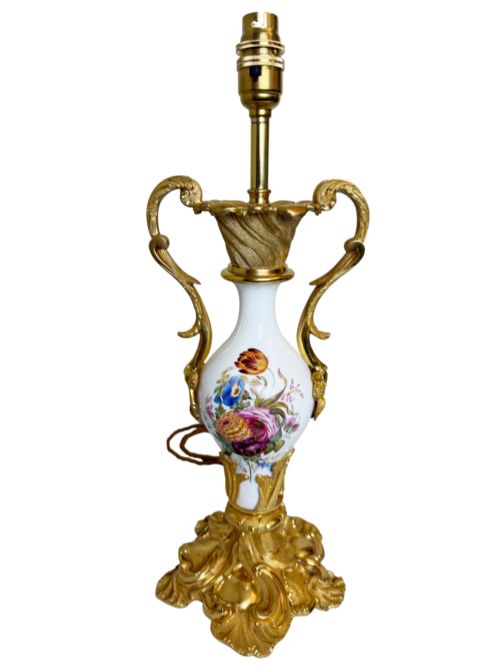
You will frequently encounter French porcelain, English porcelain from factories like Worcester and Coalport, and Japanese export wares such as Imari and Satsuma. Terracotta wine jars and confit pots from Italy and France also appear alongside elaborate Continental table lamps.
Origins stretch across Victorian England, Meiji Period Japan, Qing Dynasty China, and various European workshops working in Rococo Revival, Neoclassical, and Chinoiserie styles.
Materials and methods
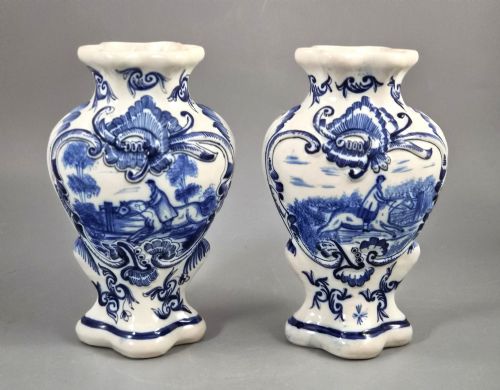
Makers utilised fine porcelain, earthenware, terracotta, and faience, shaping them on the wheel or casting them in moulds to achieve bulbous and campagna forms. Surfaces were frequently coated in smooth glazes, crackle ware, or tin enamel.
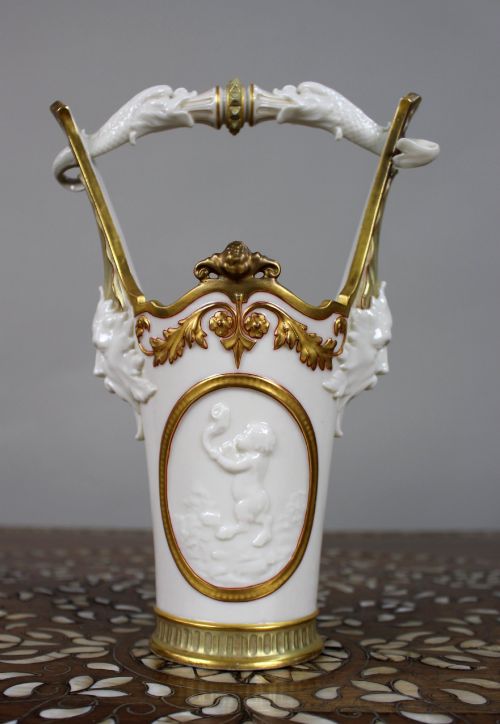
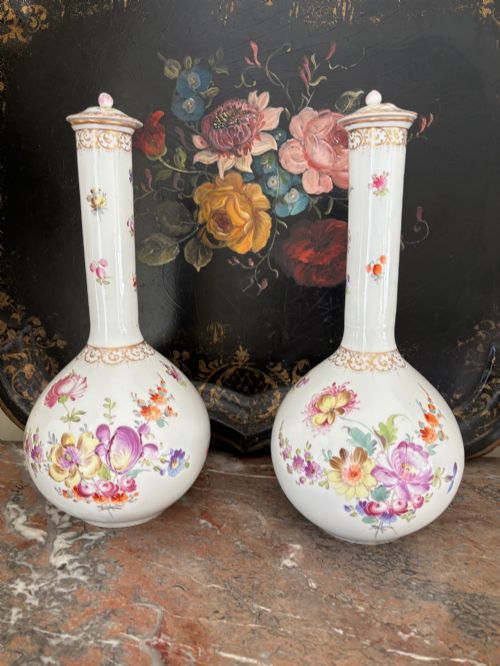
Decoration relied on hand-painted polychrome pigments, delicate blue and white designs, and intricate pate-sur-pate work. Many examples incorporate applied gilding, gold leaf, and cast gilt bronze mounts or handles.
Heavy wine jars made the journey from sunny French and Italian cellars to quietly hold dried flowers in nineteenth-century drawing rooms.
Evaluating craftsmanship
Quality rests heavily on the precision of the hand-painted decoration and the refinement of the ceramic body. Crisp brushwork on porcelain and well-modelled details on gilt bronze mounts separate finer exhibition pieces from standard production wares.
The integrity of the glaze, the alignment of applied handles, and the clarity of factory marks or signatures contribute significantly to the standing of an individual piece.
Royal Worcester·Samson Paris·Cantagalli·Sitzendorf·Fourmaintraux Courquin·Barr Flight And Barr·H And R Daniel·Coalport·Meissen·Limoges·Sevres·Helena Wolfsohn·Spode
The 19th Century Ceramic Urn Glossary
- Campagna urn
- A bell-shaped vessel with a flared rim and pedestal foot, popular in classical design. These forms were frequently produced in porcelain by English factories.
- Pate-sur-pate
- A ceramic technique where wet white slip is built up in successive layers on a darker coloured body to create a low relief cameo effect.
- Imari
- A style of Japanese export porcelain characterised by underglaze blue and overglaze iron red, gold, and secondary colours. It became widely imitated in Europe.
- Jardiniere
- An ornamental pot or stand designed to hold plants or flowers, often manufactured in heavy ceramic or terracotta for interior and garden use.
- Faience
- Tin-glazed earthenware produced in France and other European regions, noted for its opaque white surface and painted decoration.
19th Century Ceramic Urn: Frequently Asked Questions
What is a campagna urn?
A campagna urn is a classical bell-shaped vessel featuring a wide mouth and a footed base, often utilised for formal decoration in nineteenth-century interiors.
English and European porcelain makers frequently adapted this ancient architectural shape for cabinet display and mantelpiece ornamentation.
How were nineteenth-century vases decorated?
Decorating techniques varied from hand-painted floral motifs and armorial crests to intricate gilding and specialised enamel applications like pate-sur-pate.
Many factories combined glazed ceramic bodies with cast gilt bronze mounts to increase the decorative opulence of the piece.
Where were confit pots made?
Confit pots originated in rural regions of France, specifically areas like Provence and the southwest, where local potteries manufactured them for food storage.
These utilitarian terracotta vessels feature partial or full green and clear glazes designed to keep fats and preserves sealed.
How do I identify Imari porcelain?
Imari porcelain is typically recognised by its distinctive palette of underglaze cobalt blue, iron red, and accented gilding over a white background.
Originally imported from Japan during the Edo period, these patterns heavily influenced European ceramic design throughout the nineteenth century.