

19th Century Carved Tripod Table
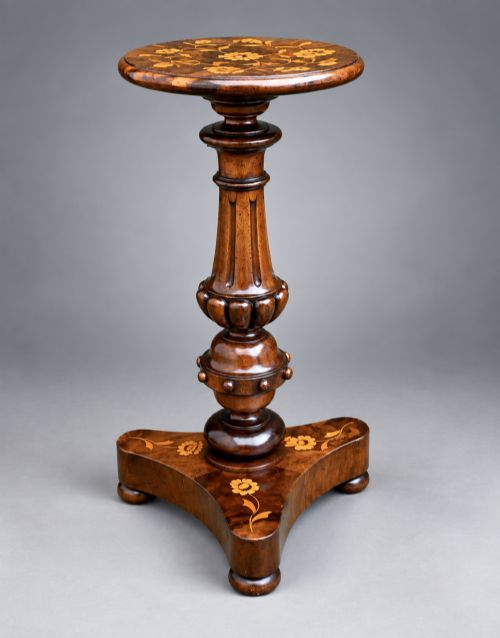
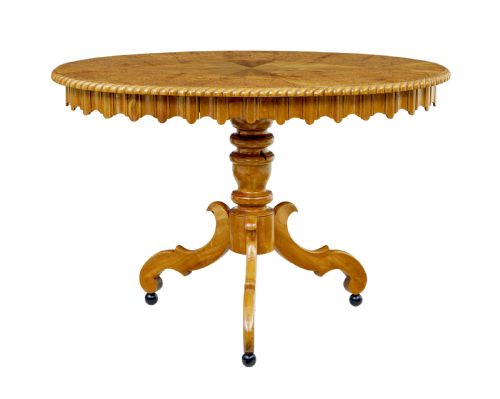
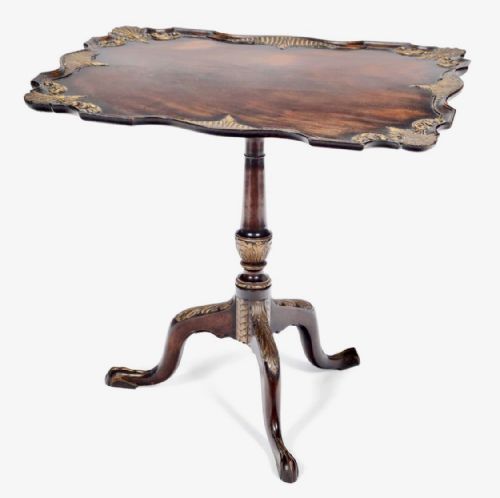
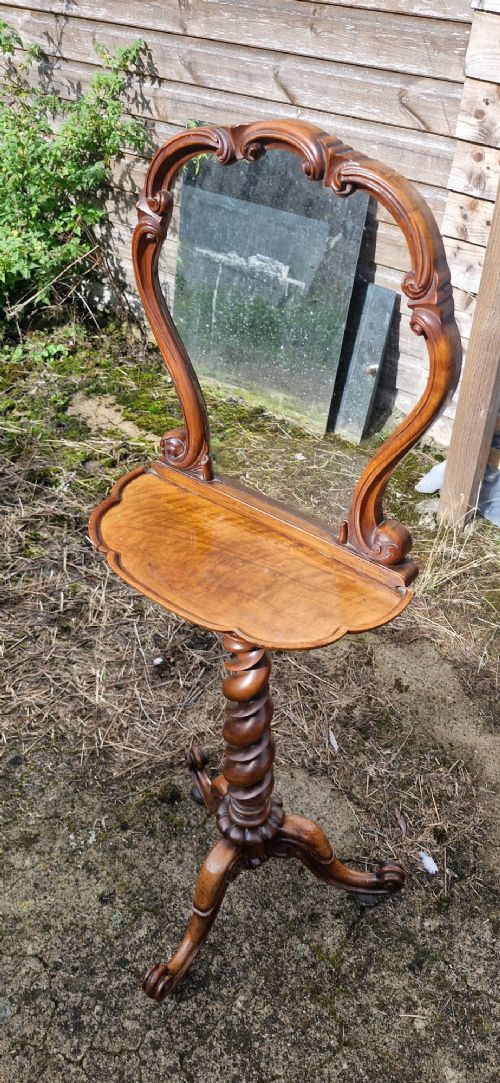
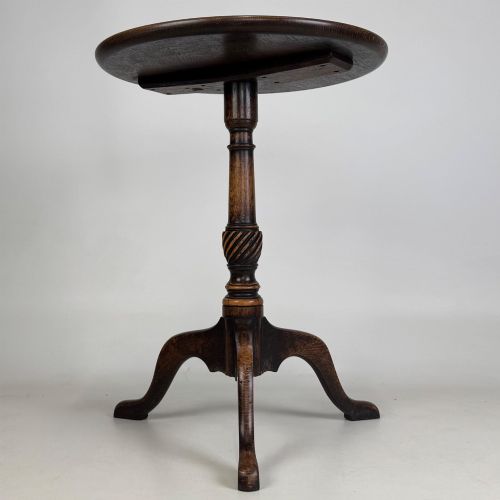
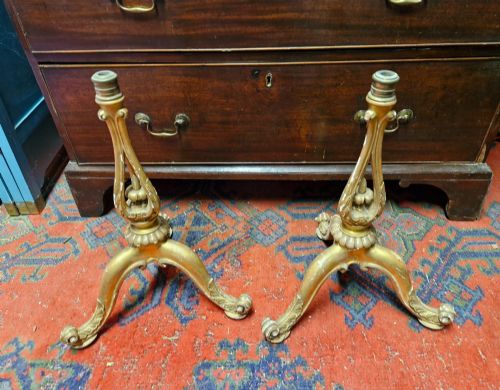
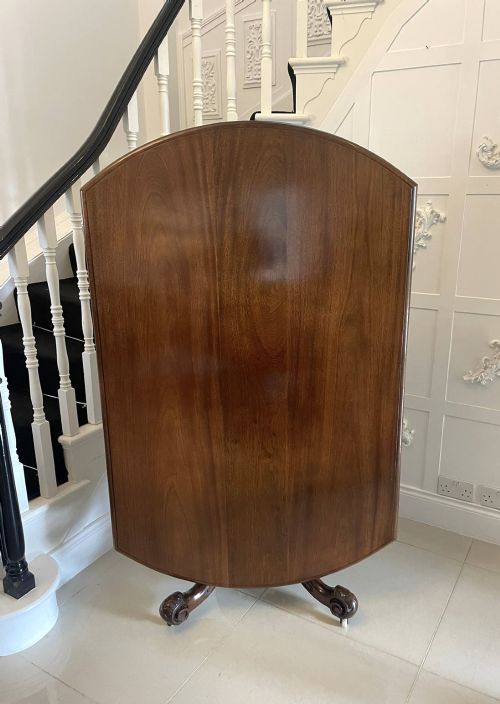
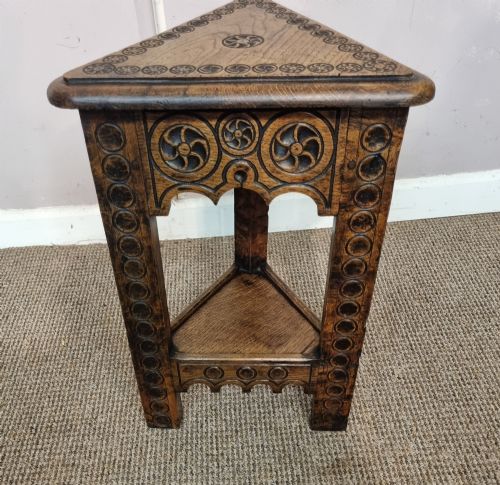
A 19th century carved tripod table stands on three legs beneath a circular top, offering a compact surface for lamps, wine or tea.
19th Century Carved Tripod Table
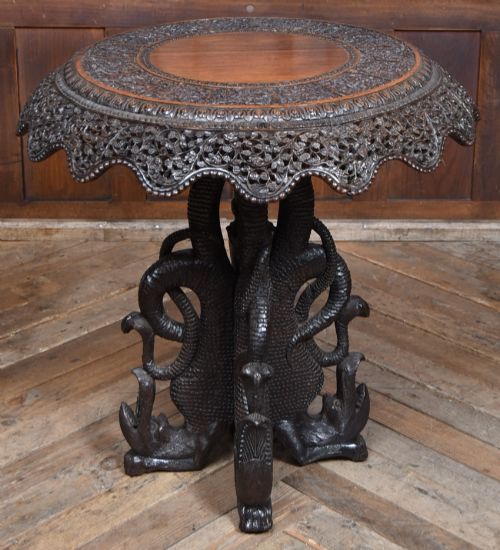
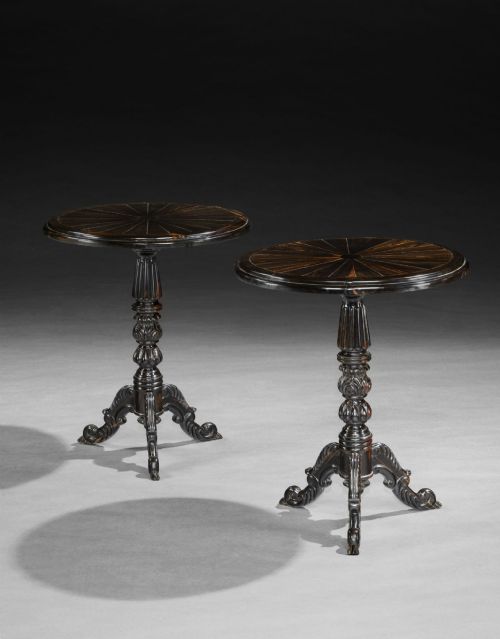
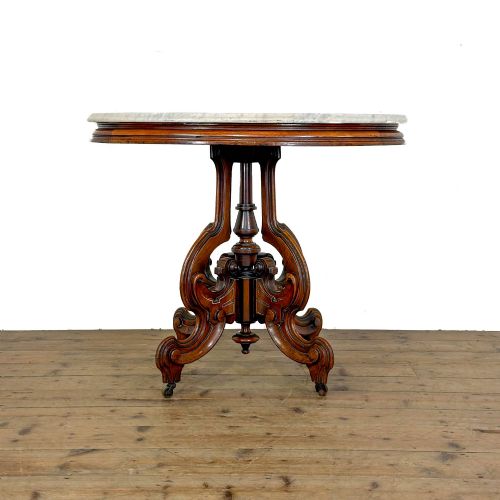
A 19th century carved tripod table appears across domestic interiors in forms ranging from wine tables and occasional tables to larger centre tables and dining pieces. The selection spans standard domestic furniture alongside regional variations such as Anglo-Indian colonial pieces, Burmese tables, and French gueridons.
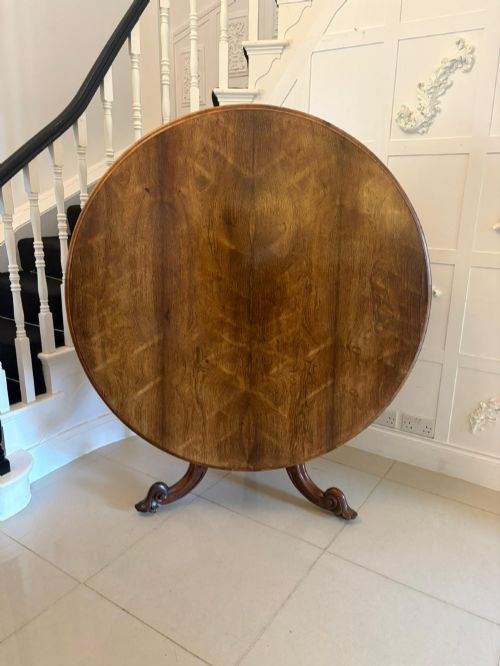
Makers utilised these versatile pedestals for specific daily tasks, incorporating tilt-top mechanisms, birdcage actions, and fixed circular tops. Most examples date from the Victorian period, supplemented by Regency and William IV iterations with distinct column turnings.
Materials and Construction
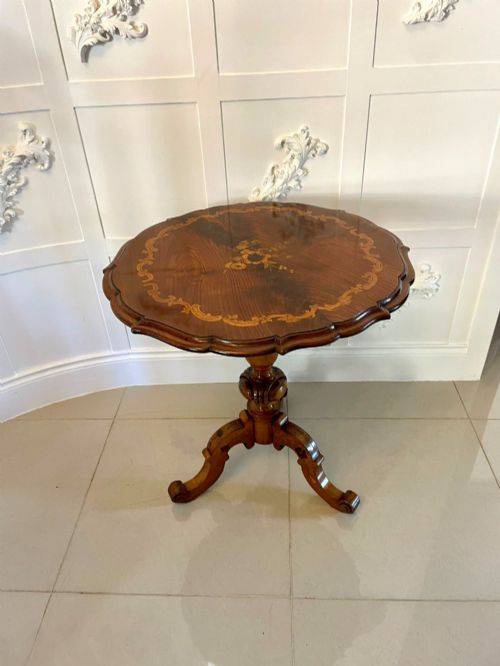
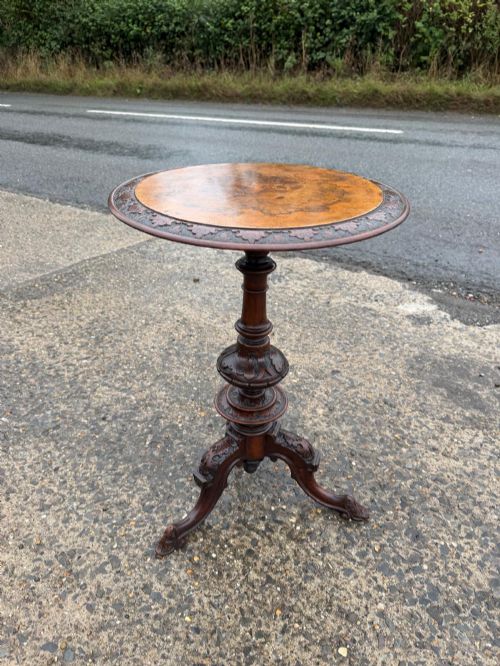
Cabinetmakers constructed these pieces primarily in timber, employing dense tropical hardwoods and native varieties including mahogany, walnut, rosewood, oak, and burr walnut, occasionally accented with parcel gilt, brass, or marble. Artisans shaped the central pillars on lathes and carved the tripod legs with foliage, scrolls, or claw-and-ball motifs.
Joinery methods involved sturdy pegged or dowelled tenons where the three legs meet the central column, often reinforced by iron spiders or wooden blocks to distribute weight across the cantilevered base. Tops were secured either to tilt mechanisms operating via a brass catch and wooden peg or mounted rigidly to a triangular block.
Tables occasionally double as sewing boxes, featuring built-in drawers with miniature compartments for threads and pins.
Distinctions in Execution
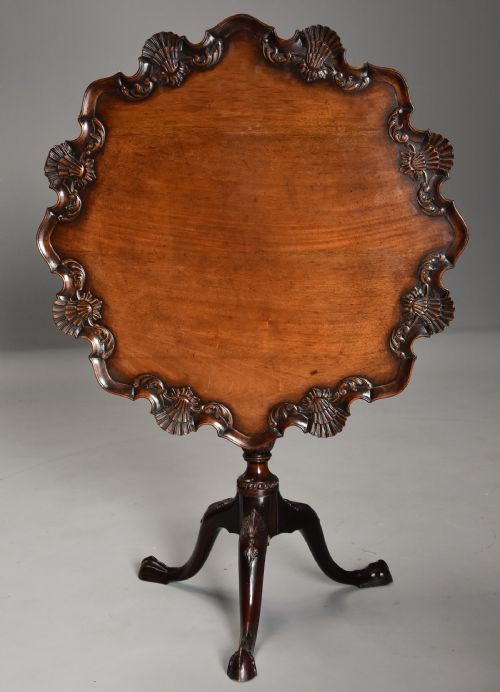
The degree of hand-carving defines the upper tier of these pieces, separating mechanical factory output from deep, crisp relief work found on piecrust edges and column capitals. Timber selection also drives distinction, where figured veneers like burr walnut or dense grains of rosewood and ebony indicate higher status commissions.
Proportion and stability separate standard utility items from superior examples; a well-balanced tripod base allows smooth rotation on its tilt mechanism without listing to one side. The integration of secondary woods and the precision of marquetry inlay further separate domestic workshop pieces from sophisticated urban cabinet work.
The 19th Century Carved Tripod Table Glossary
- Tilt top
- A tabletop mounted on a hinge mechanism that allows the surface to fold vertical when not in use. This clever space-saving device enabled tables to stand flat against a wall in smaller rooms.
- Tripod base
- A support structure consisting of three legs radiating from a central pedestal column. It provides steady contact on uneven floors by distributing weight across three points.
- Piecrust edge
- A raised, decoratively carved border shaped in undulating curves around the circumference of a circular tabletop. This technique requires skilled hand-chasing directly into the solid timber edge.
- Gueridon
- A French term for a small occasional table supported by a central column or figures. These were introduced during the seventeenth century and remained popular throughout the nineteenth century.
- Birdcage
- A rotating wooden block assembly beneath the tabletop that allows the surface to both pivot and tilt. It connects the top to the central pillar through a series of enclosed vertical spindles.
19th Century Carved Tripod Table: Frequently Asked Questions
What were 19th century carved tripod tables used for?
These pieces served multiple domestic functions in the parlour, drawing room, and dining room. They held tea services, reading materials, lamps, and wine decanters.
Many featured tilt tops so servants could fold the surfaces flat and store them against the wall when the room was cleared for entertaining.
How do I identify a tilt top mechanism?
Look beneath the circular surface to find a hinged block or a birdcage structure connected to the top of the central column. A small brass catch or wooden peg usually secures the top in its horizontal position.
Releasing this catch allows the entire surface to tip upward into a vertical plane.
How can I tell a Victorian table from a Regency one?
Regency and William IV examples from earlier in the century tend to feature cleaner architectural lines, heavy rosewood or mahogany veneers, and brass paw feet. Carving on earlier pieces often relies on classical motifs like acanthus leaves and reeded columns.
Victorian variations frequently display heavier, more exuberant floral carving, burr walnut veneers, and bobbin-turned or pillar pedestals.
Where should I place a tripod table in my home?
The compact footprint makes these tables ideal as bedside stands, lamp supports beside a sofa, or accent pieces in an empty corner. Their narrow central column allows chairs to tuck neatly underneath.
Keep them away from direct heat sources and strong sunlight to protect sensitive wood veneers and polished finishes.