

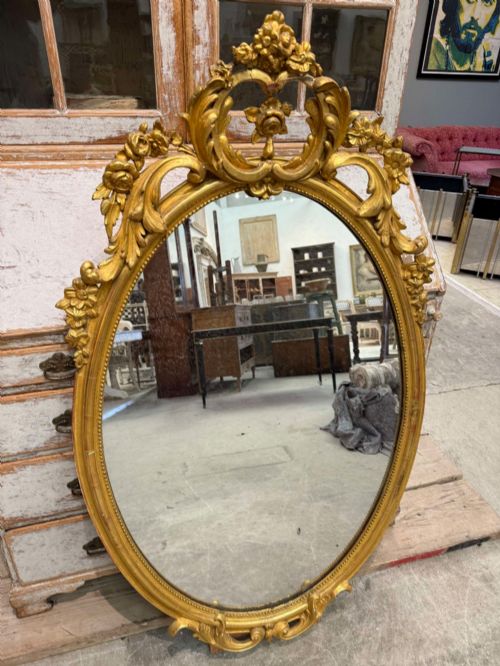
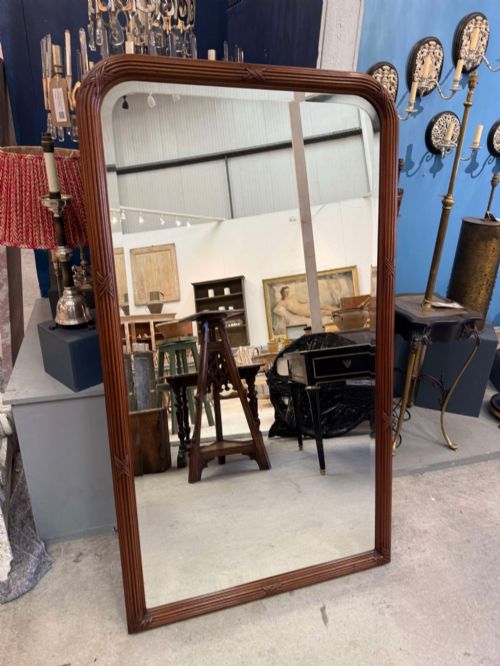
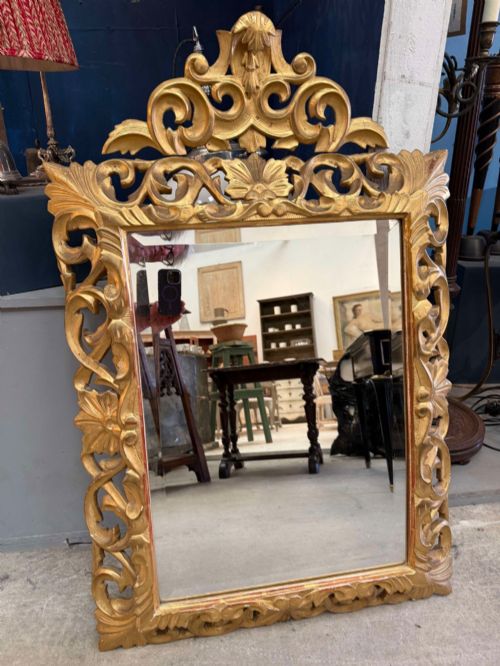
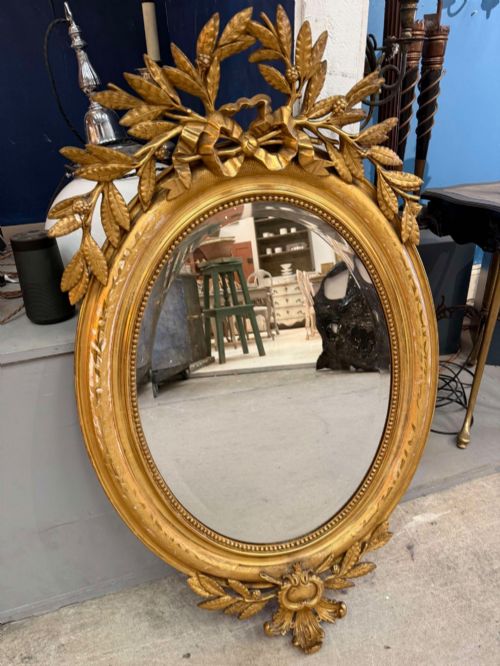


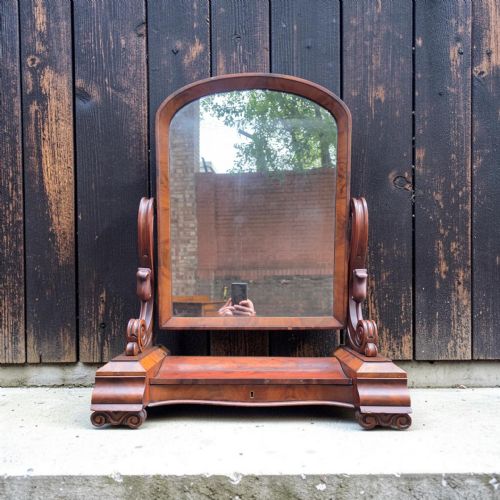
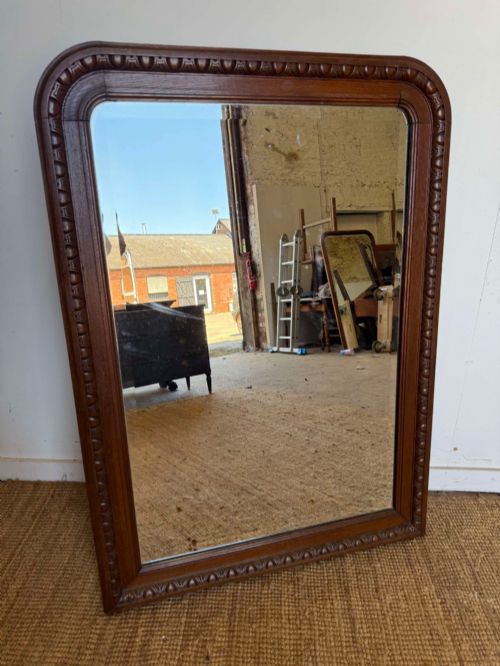
19th Century Carved Mirror
These pieces bring a 19th century carved mirror into a room, offering grand proportions and traditional craftsmanship that anchor a Victorian or Regency interior.
19th Century Carved Mirror
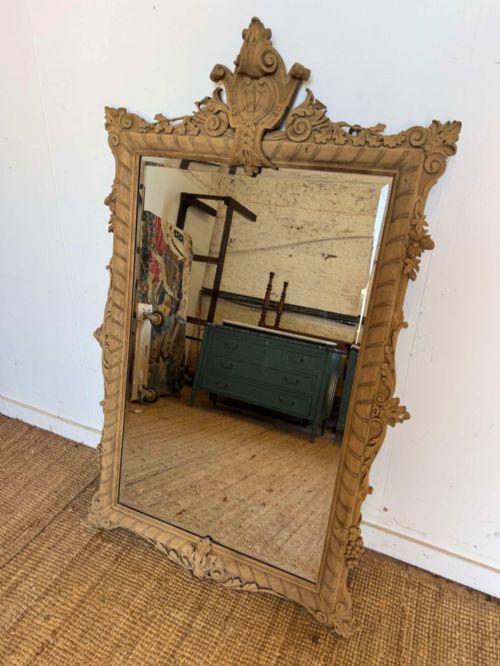
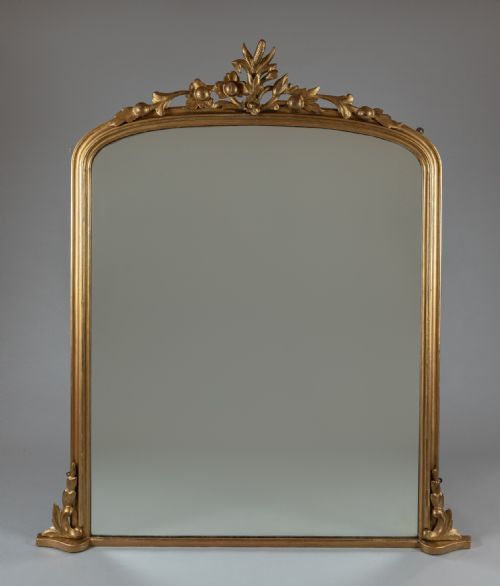
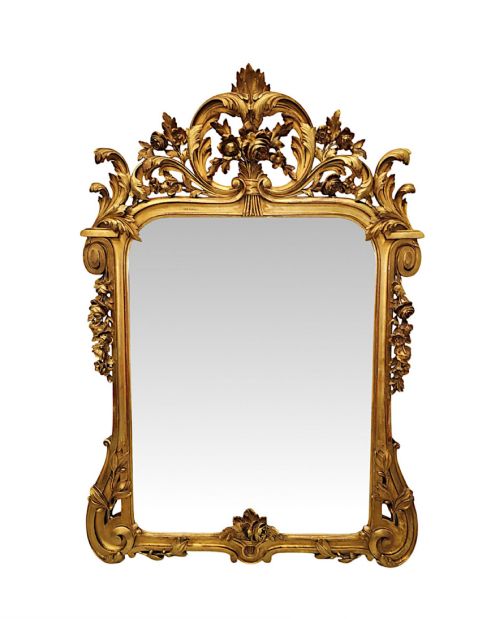
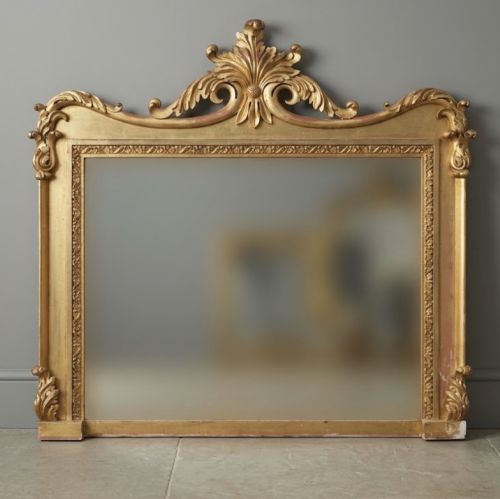
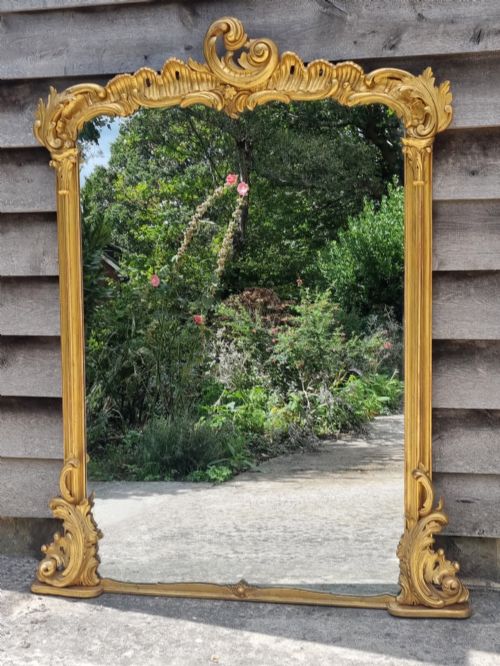
A 19th century carved mirror encompasses large overmantle glasses, tall wall frames, and ornate console pairings designed for period reception rooms. The most common survivals on this page are grand English and French overmantle mirrors featuring arched tops and heavy gilt finishes.
Makers and manufacturers produced these glasses for domestic interiors, ranging from country house mahogany frames to elaborate Florentine giltwood statement pieces. Buyers frequently encounter pieces displaying Rococo Revival curves or classical architectural details from the Victorian and Regency eras.
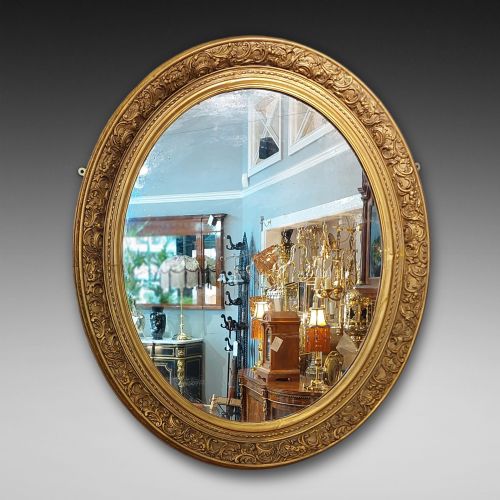
Beyond standard wall formats, the selection includes cheval mirrors, pier glasses, and convex circular mirrors with eagle surmounts. These functional objects served both practical dressing purposes and decorative light-amplification roles in historic homes.
What Varies In Quality
The depth and crispness of the hand-carved wooden ornament dictate the upper tier of execution. Subtleties in the gesso moulding and the purity of the giltwood or gold leaf application distinguish superior workshop output.
The integrity of the original mirror glass and the stability of large joints in heavy overmantle frames separate robust examples from compromised pieces. Heavier framing stock and intact backing structures indicate higher original manufacture.
19th Century Carved Mirror Retail Price Guide 2026
Typical asking prices for 19th century carved mirror among the pieces listed under this phrase on Sellingantiques today, from the lower quarter to the upper quarter. They describe what is for sale here now, not the wider market.
A stately eagle gazes down from the top of convex circular mirrors, keeping a watchful eye on the drawing room.
The 19th Century Carved Mirror Glossary
- Gesso
- A plaster-like mixture applied to wood frames as a smooth base for gilding or painting. It allowed craftsmen to mould intricate relief decoration before applying gold leaf.
- Giltwood
- Timber that has been coated with gold leaf or metallic paint. This finish provided a brilliant, light-reflecting surface popular in formal 19th century reception rooms.
- Overmantle Mirror
- A wide glass designed specifically to hang above a fireplace mantelpiece. These large pieces frequently feature arched or shaped tops to mirror architectural openings.
- Convex Mirror
- A circular glass with an outward curve that provides a wide-angle reflection of the room. Regency examples often incorporate elaborate carved frames with eagle surmounts.
- Pier Glass
- A tall, narrow mirror designed to hang on the wall space between windows. They were frequently paired with matching console tables.
19th Century Carved Mirror: Frequently Asked Questions
Where should I hang an overmantle mirror?
These large mirrors are traditionally mounted directly above a fireplace mantelpiece to anchor the proportions of a principal reception room. Their expansive glass surface effectively reflects natural light across the space.
Ensure the wall fixings are secured into solid masonry or studwork capable of supporting substantial weight. Positioning them at the correct height relative to the fireplace creates a balanced interior scheme.
How do I identify a Regency mirror?
Regency pieces often display classical motifs, distinct circular convex formats, and architectural elements such as ball-stud frames or eagle surmounts. The carving reflects early 19th century neoclassical tastes before the heavier Victorian revivals took hold.
Examine the construction methods and timber backing to confirm period manufacture. Secondary woods and traditional joinery offer reliable clues to their exact age.
Are these mirrors suitable for daily use?
Original 19th century glasses serve as robust, functional reflections for dressing rooms, hallways, and living spaces. Their sturdy timber frames and heavy mounting structures are built for lasting domestic service.
Handle cleaning with care to preserve historic silvering and delicate gesso details. Modern wall anchors provide secure installation for heavier floor-standing cheval designs.
What is the difference between Victorian and French styles?
Victorian mirrors frequently feature substantial carved walnut, oak, or heavy gesso gilt frames with robust proportions. French pieces from the same era often lean towards Louis Philippe, Rococo Revival, or lighter painted finishes with flowing organic curves.
Reviewing the decorative motifs, such as floral crests or ribbon twists, helps distinguish regional workshop origins. Both traditions deliver exceptional decorative presence in period interiors.