
19th Century Carved Marble
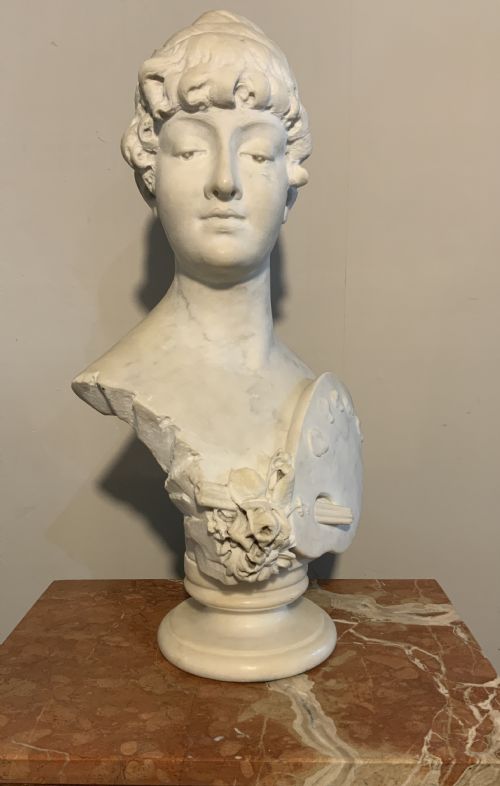
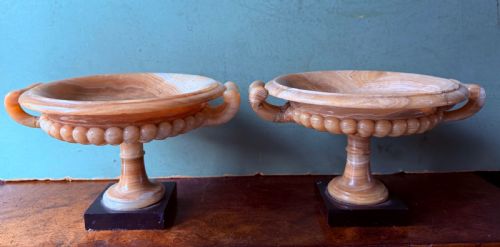
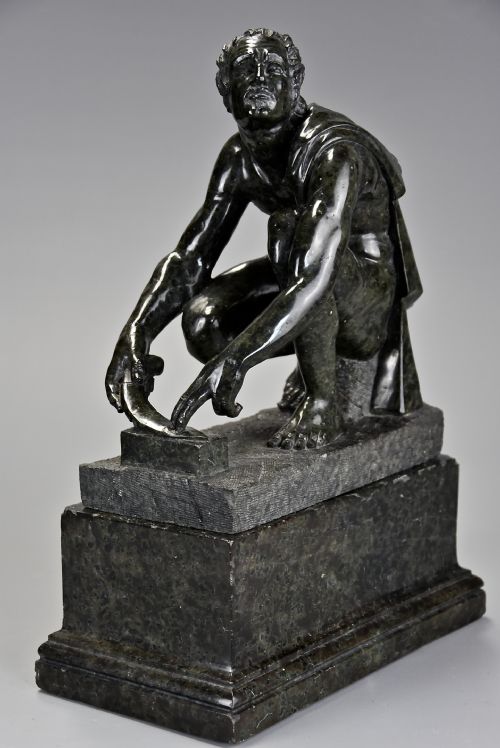
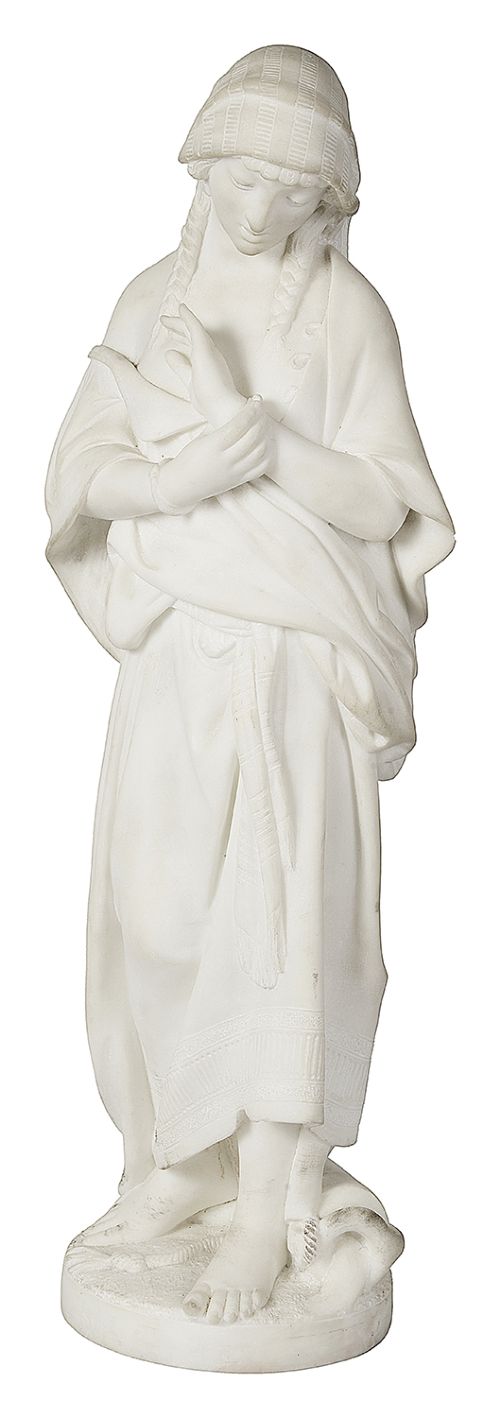
Solid stone and sculpted form meet in 19th century carved marble, where neoclassical figures, console tables and plant stands bring classical weight into domestic rooms.
19th Century Carved Marble
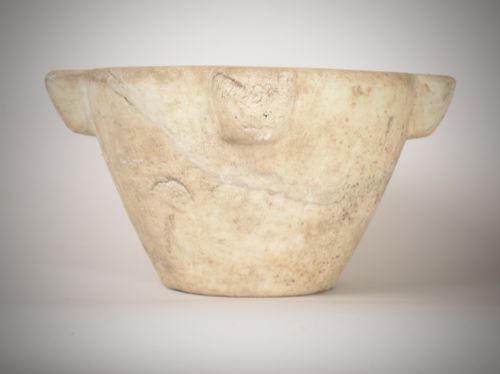
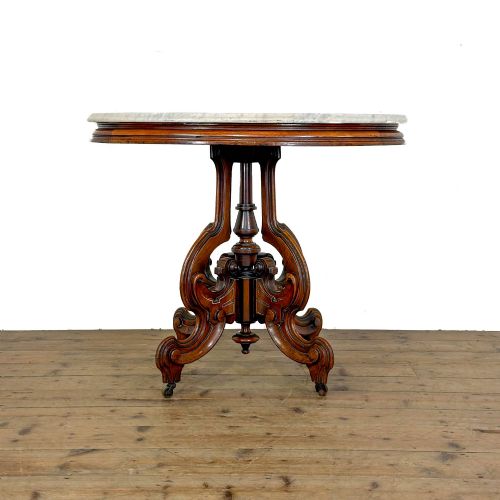
A buyer examining 19th century carved marble encounters two distinct traditions: monumental European sculpture and furniture fitted with heavy stone tops. The furniture includes console tables, gueridons, bedside cabinets and plant stands resting on carved mahogany, walnut or giltwood bases.
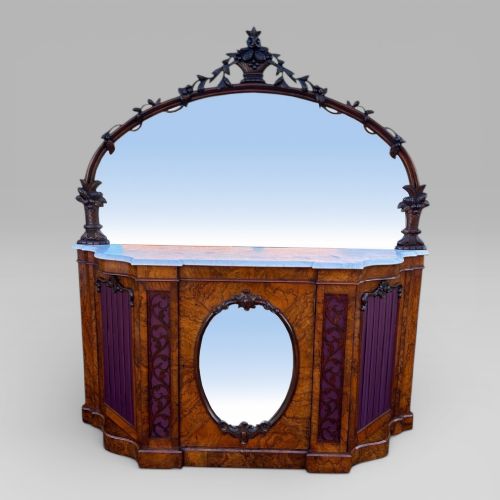
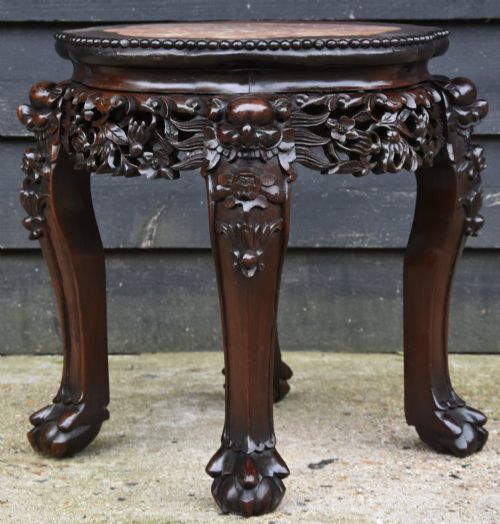
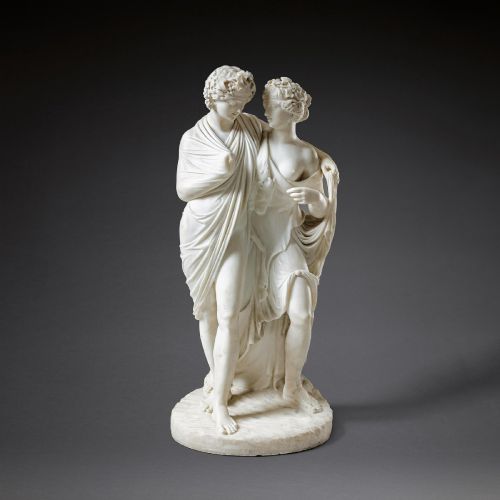
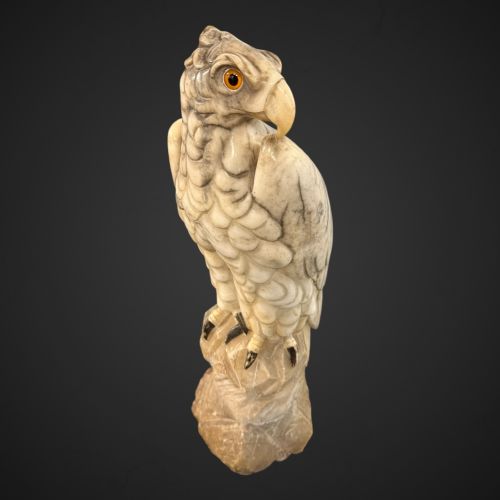
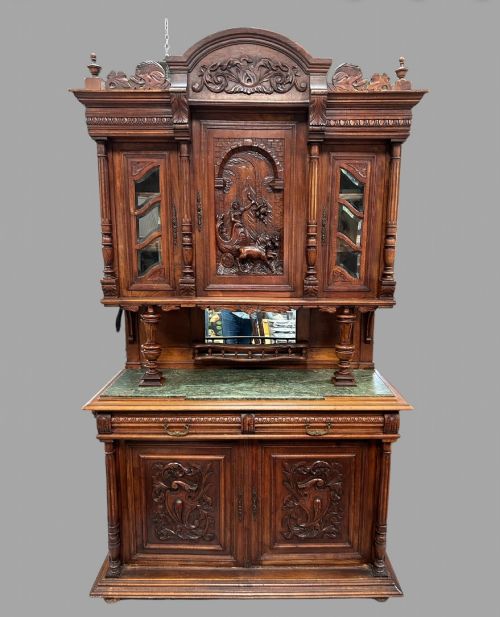
Italian workshops dominate the sculptural output through Grand Tour souvenirs, portrait busts and mythological figures carved after antique originals. Meanwhile, French and English cabinetmakers integrate veined slabs into serving tables, whilst Chinese makers inset marble into hardwood plant stands.
Materials and Technique
Statuary and architectural elements rely on Carrara, white, and coloured marbles such as Siena or verdo prato, shaped through manual chiselling, drilling and abrasive polishing. Master carvers utilised pointing machines to transfer proportions from plaster models onto solid blocks of stone.
Supporting furniture combines dense timbers like mahogany, rosewood and oak with joinery appropriate to the period, while marble slabs are hand-cut and edge-profiled to fit recessed wooden frames.
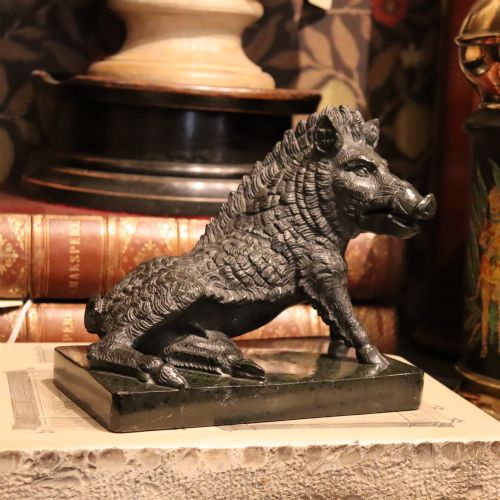
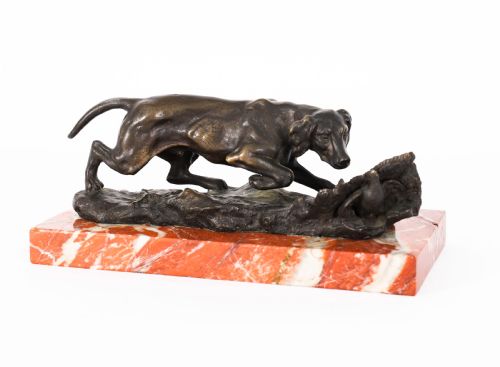
Hunting dogs and recumbent lions appear carved in stone, keeping silent guard over Victorian parlours.
Distinctions in Execution
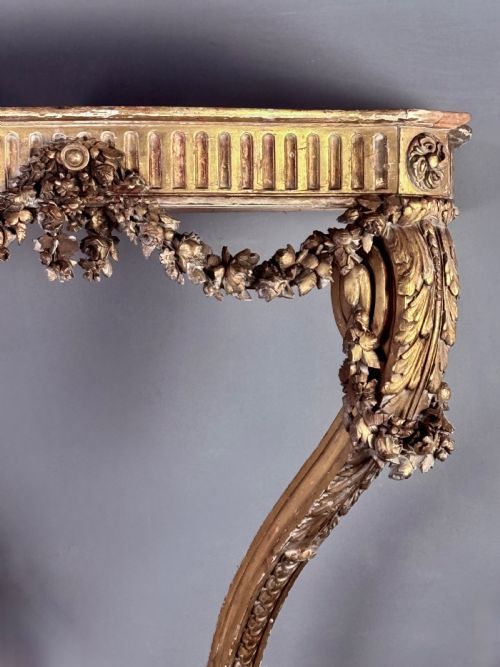
On furniture, quality shows in the depth of the wood carving on the base and the absence of internal flaws, heavy patching or unharmonious veining within the stone top.
Carl Kauba·Carlo Albacini·Barranti Florence·Houdon·Antonio Canova·Eugene Aizelin·Gillows·A Cipriani
The 19th Century Carved Marble Glossary
- Carrara marble
- A type of white or blue-grey marble quarried in the city of Carrara in Tuscany, widely utilised for classical sculpture and architectural fittings. Its fine grain permits subtle rendering of flesh and fabric.
- Grand Tour
- The traditional trip of Europe undertaken by upper-class European young men of means in the 18th and 19th centuries to flourish their exposure to cultural legacy. Souvenirs included alabaster and marble models of ancient ruins and miniature statues.
- Gueridon
- A small circular table supported by one or more columns or pedestals, frequently topped with inset marble. The form originated in France during the 17th century and remained popular throughout the 19th century.
- Console table
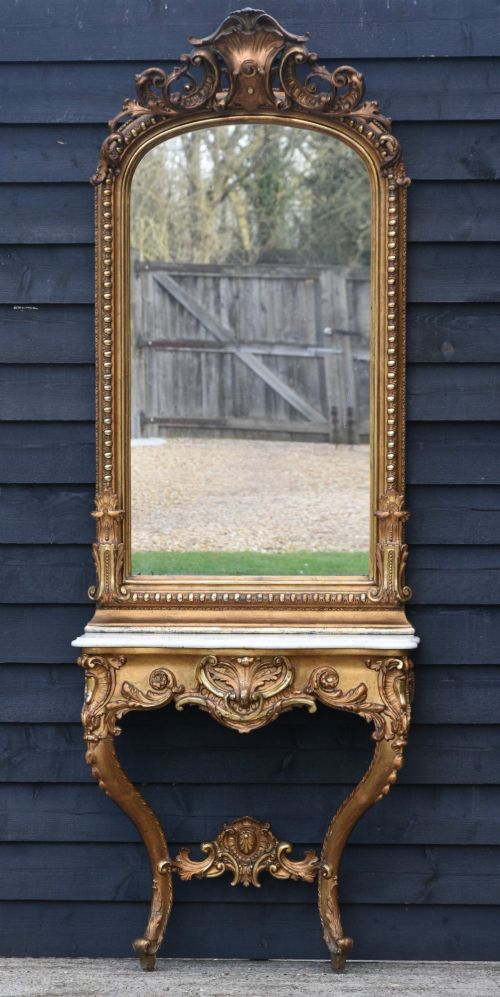
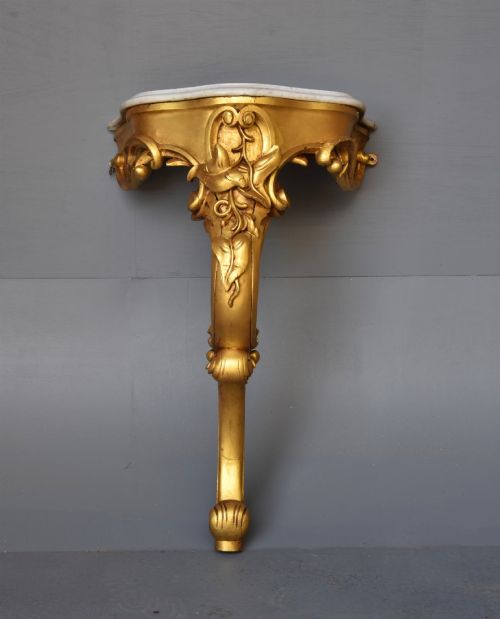
- A table fixed to a wall or designed to stand against one, supported by console brackets or legs. 19th century examples frequently pair giltwood frames with heavy marble tops.
19th Century Carved Marble: Frequently Asked Questions
How do I clean marble?
Maintenance requires only a damp cloth and mild, neutral soap to remove surface dust without stripping the natural polish. Acidic substances must be kept away from the calcium carbonate surface to prevent permanent dulling.
Heavier marks or staining need professional attention rather than aggressive household scouring agents, which erode the delicate hand-finished surface layer.
Were these tables used outdoors?
These items were designed strictly for interior drawing rooms, halls and boudoirs. Polished stone and gilt wood cannot withstand persistent dampness or frost.
Placing them inside ensures the timber framing remains stable and the marble avoids structural weathering.
How are copies told apart from period pieces?
Period pieces display the natural tool marks, slight asymmetries and mellowed patina characteristic of manual production before the widespread adoption of modern industrial machinery. Examination of the underside often reveals hand-cut fixings and aged timber shrinkage.
Sharp, mechanical precision and uniform chemical composition usually indicate later reproduction work rather than 19th century execution.
Why are some busts signed?
Signatures indicate pieces produced by established sculptors or reputable Italian studios catering to the export market. These marks validate the authorship and elevate the artistic standing of the carving.
Unsigned works frequently originated from competent anonymous workshops producing decorative items for the Victorian home.