
19th Century Carved Dresser
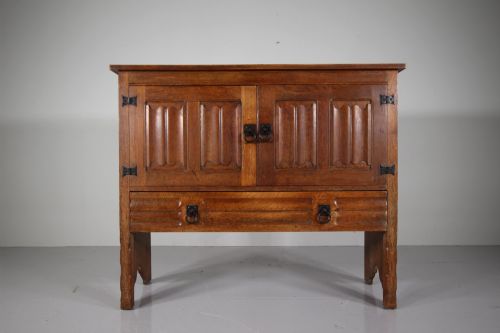
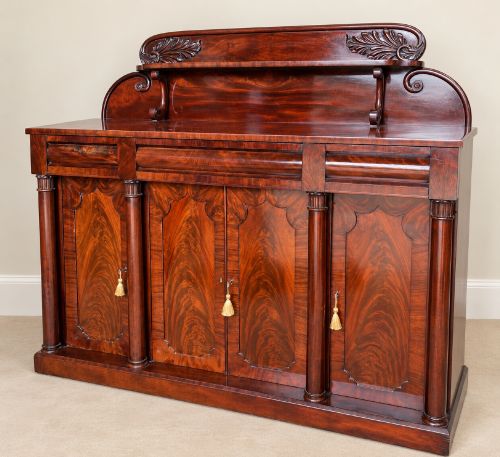
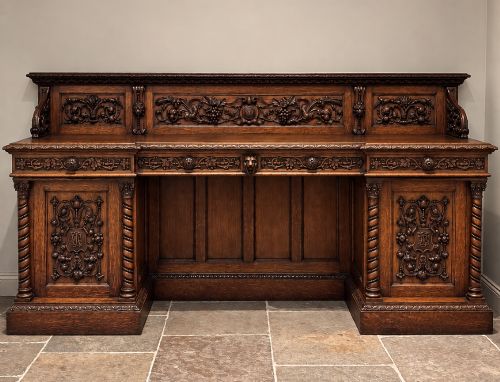
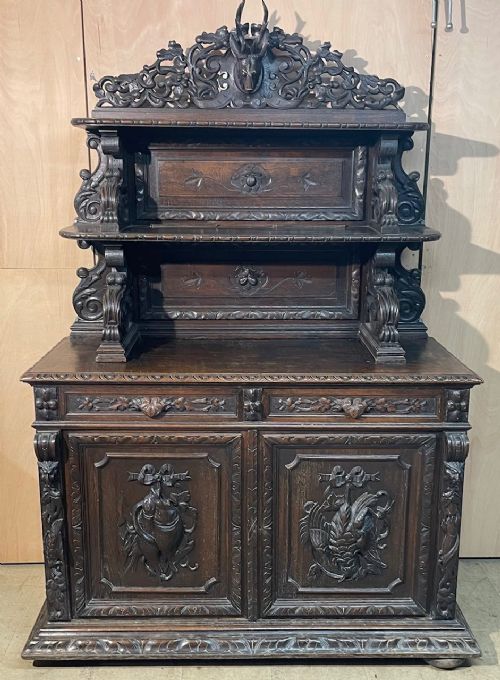
A 19th century carved dresser brings substantial storage and deep historical character to a room through dense timber work.
19th Century Carved Dresser
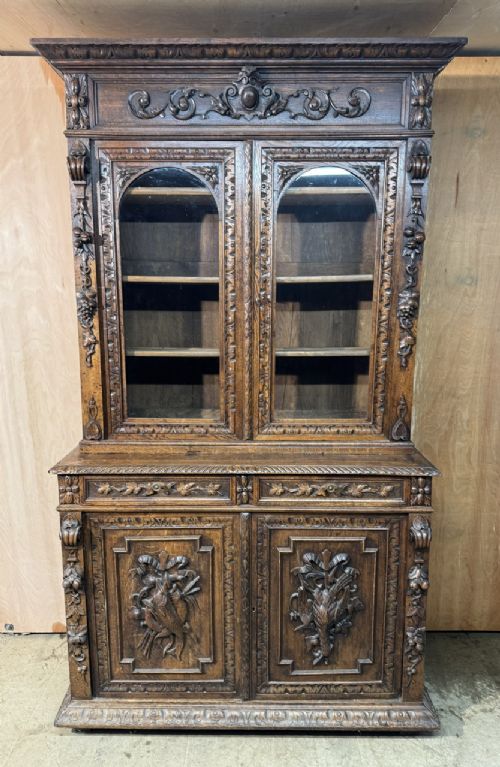
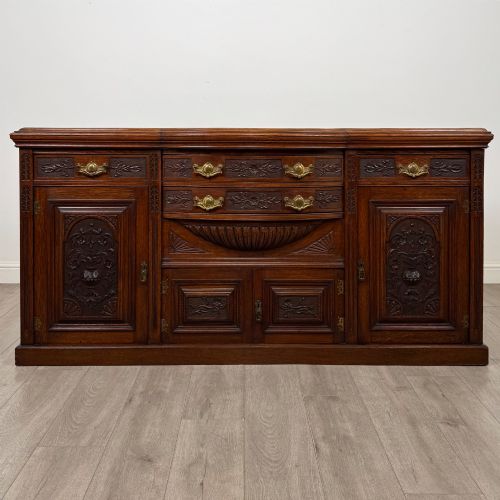
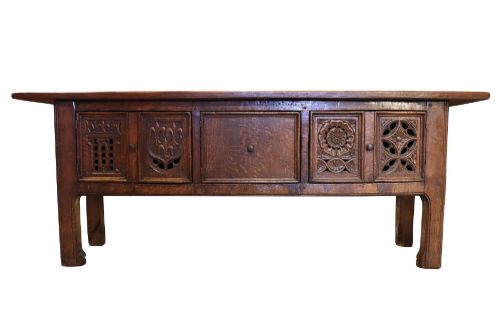
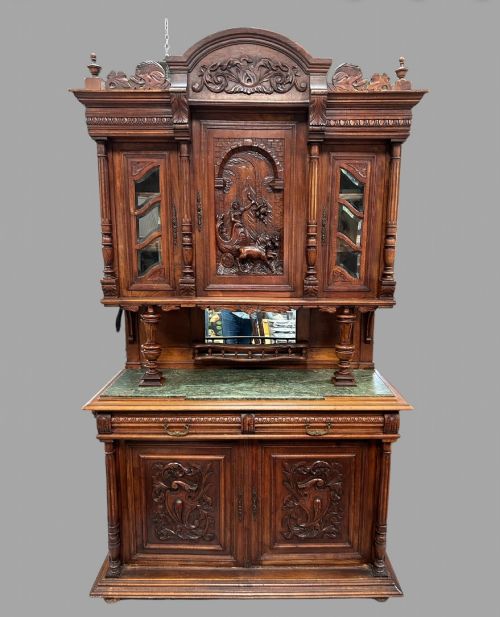
A 19th century carved dresser encompasses robust storage furniture designed for domestic use, spanning kitchen bases, mirror-backed display units, and grand sideboards. These pieces provide functional shelving, cupboards, and drawers while displaying the rich stylistic influences of their period.
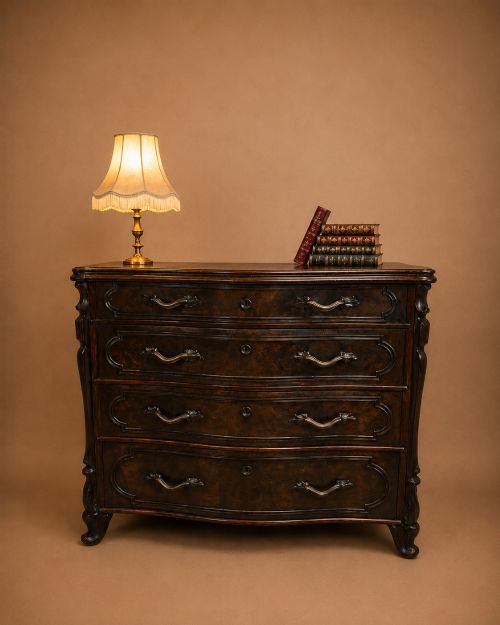
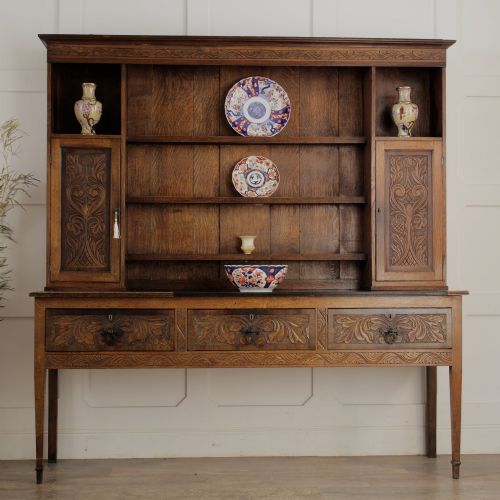
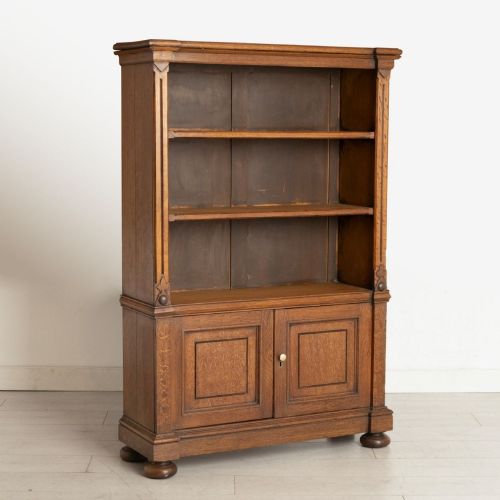
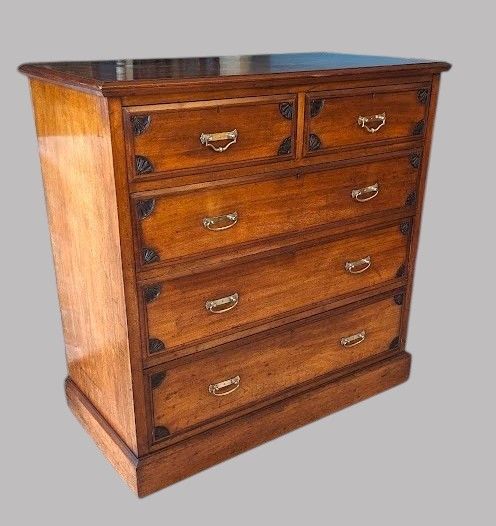
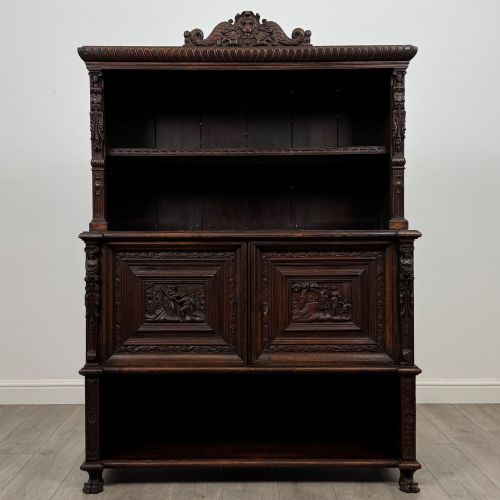
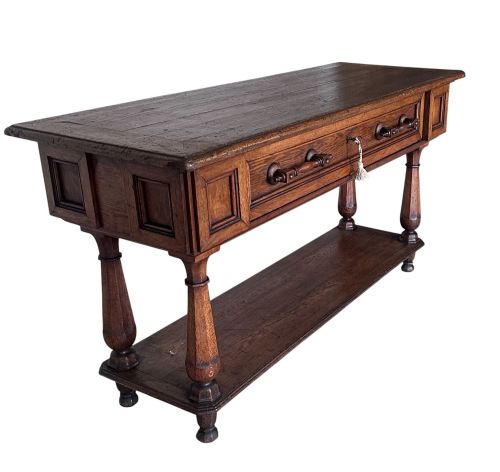
The versions most commonly met on this page are heavily carved oak dresser bases and sideboards originating from Victorian Britain and regional France. Examples often feature deep panel work, figurative motifs, and practical proportions suited to contemporary dining spaces or kitchens.
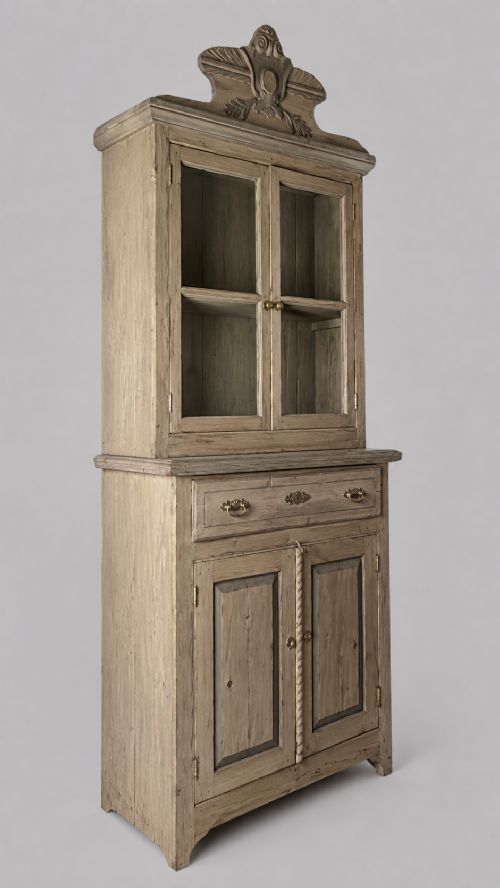
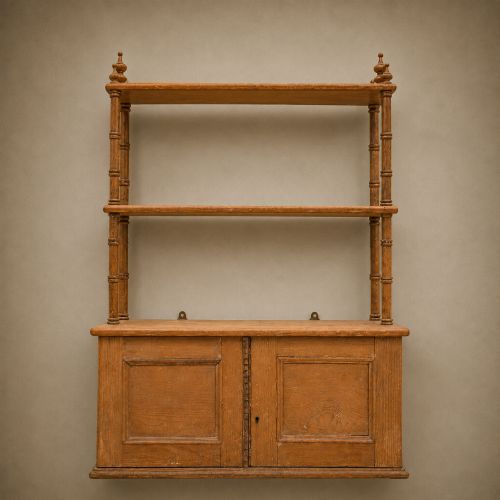
Beyond standard oak variations, the category includes walnut buffet cabinets and provincial pine pieces reflecting diverse regional tastes. Buyers select these items for their sturdy construction and the distinct presence that period timber brings to an interior.
Materials and construction methods
Makers utilised solid oak, walnut, and mahogany as primary structural timbers, often combining them with secondary woods like pine for internal drawer linings and carcass backs. These dense hardwoods allowed artisans to execute deep relief carving without compromising the load-bearing integrity of the furniture.
Traditional joinery techniques such as dovetailed drawer construction, mortise and tenon frames, and hand-turned wooden knobs define the assembly of these items. Iron, brass, and gilt-metal hardware frequently secure doors and drawers, while glass panels appear on upper bookcase sections.
Listings feature oak, walnut, and mahogany pieces spanning the Victorian era alongside French provincial styles.
Distinctions in craftsmanship and design
The depth, precision, and continuity of the hand-carved ornamentation separate superior examples from simpler utilitarian pieces. Master carvers produced crisp foliage, figures, and geometric patterns that integrate harmoniously with the structural lines of the dresser.
Timber selection and surface finishing heavily influence the overall standard of a piece. Furniture displaying well-figured grain, rich natural patination, and robust structural stability represents the higher tier of survival from the period.
The 19th Century Carved Dresser Glossary
- Dresser base
- A lower storage unit featuring cupboards and drawers, historically used for food preparation and serving without the upper plate rack.
- Green Man
- A sculptural architectural motif depicting a human face disgorged from foliage, frequently carved into the woodwork of Victorian furniture.
- Gothic Revival
- An architectural and decorative style popular during the period that emulates medieval medieval forms through pointed arches and tracery.
- Serpentine
- A furniture front characterised by a wavy contour with a convex centre flanked by concave curves.
- Patina
- The surface sheen and colour developed on wood through decades of handling, polishing, and natural ageing.
19th Century Carved Dresser: Frequently Asked Questions
How do I care for period wood?
Maintain a stable indoor humidity and keep the timber away from direct heat sources to prevent shrinkage or splitting.
Apply natural beeswax periodically to nourish the grain and preserve the surface finish without building up synthetic residues.
Were these used in kitchens?
Many examples served utilitarian functions in country houses and farmhouses for storing earthenware, cutlery, and provisions.
Heavier pieces with elaborate carving often stood in dining rooms or entrance halls rather than working kitchens.
How do I identify Victorian pieces?
Victorian furniture often displays denser ornamentation, heavier proportions, and darker finishes compared to earlier Georgian items.
Construction details like machine-sawn elements or specific brass hardware can also help confirm a mid to late 19th century date.
Can I use these in modern spaces?
These robust storage units fit well in contemporary kitchens, living rooms, and hallways as functional sideboards or cocktail cabinets.
Their substantial storage capacity helps ground modern minimalist interiors while adding historical warmth.