


19th Century Carved Corbel
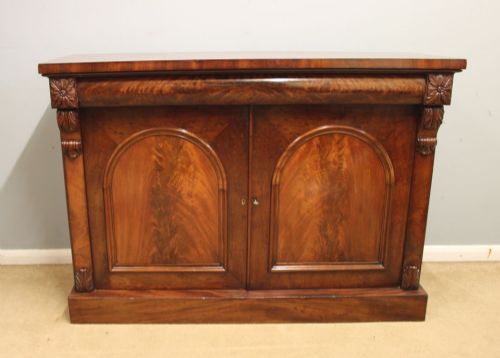
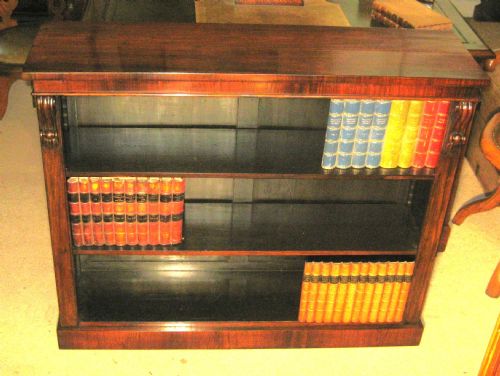
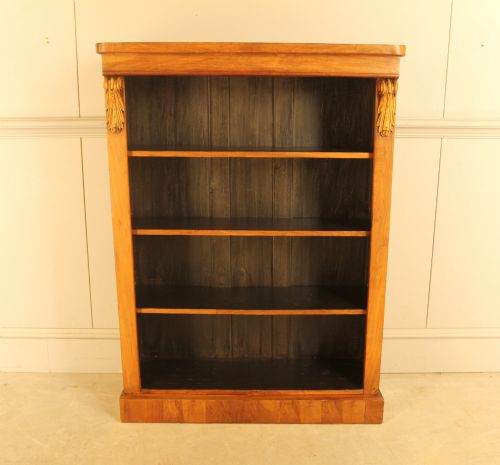
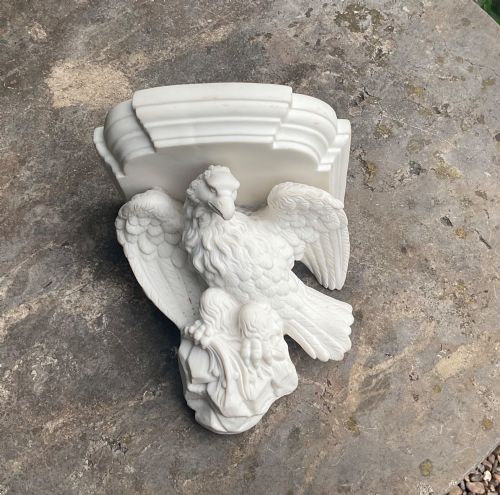
These architectural supports and wall shelf brackets carry deep timber and gilt detailing from the 19th century carved corbel tradition.
19th Century Carved Corbel
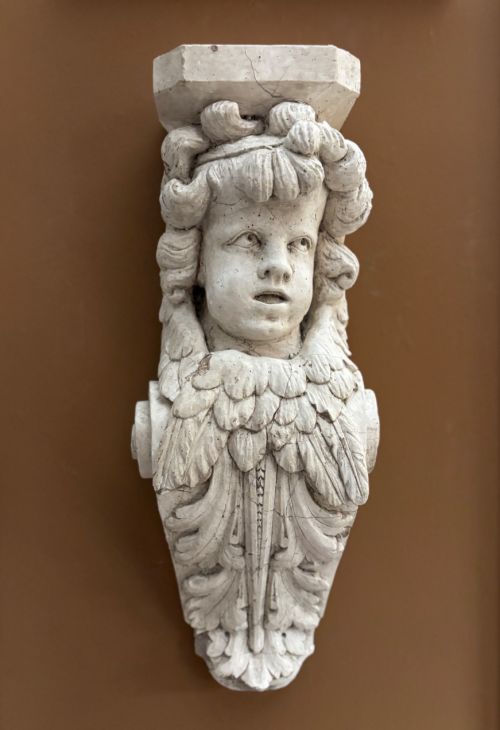
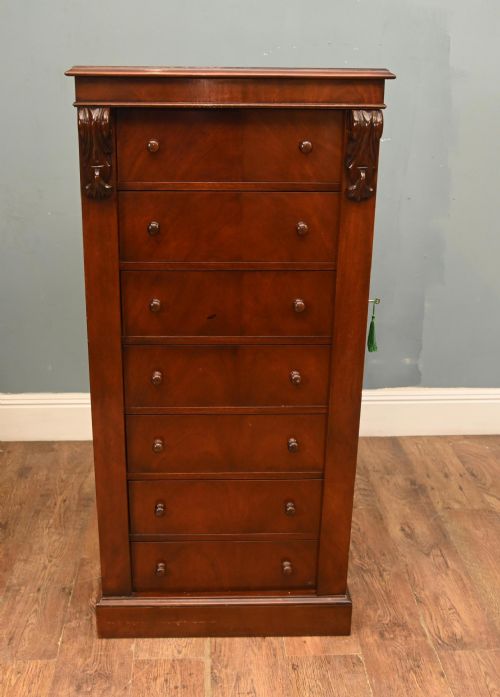
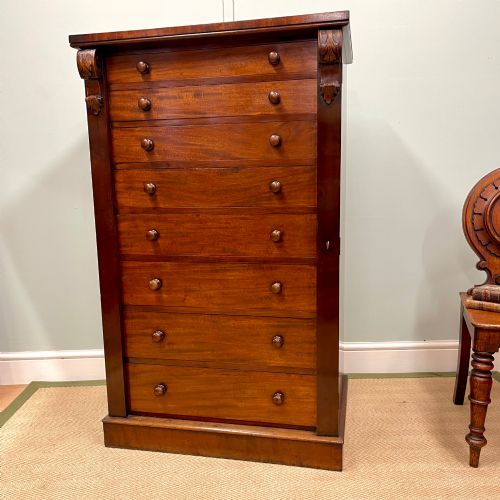
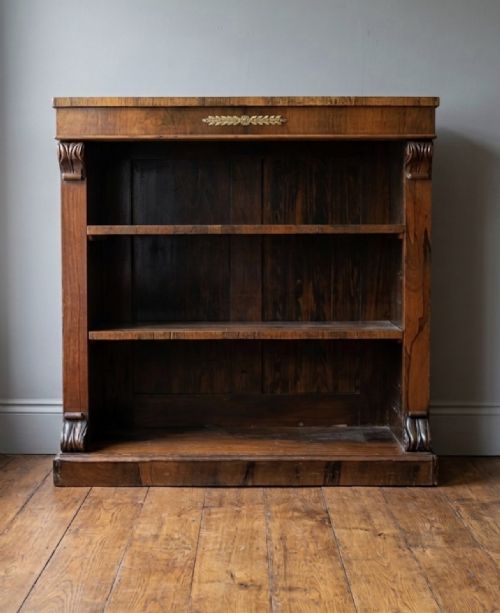
A 19th century carved corbel is a projecting architectural bracket designed to support shelves, beams, or wall ornaments. The examples appearing in current listings and past sales span the Victorian era, Regency period, and specific decades such as the 1850s, 1860s, and 1880s.
Buyers encounter these supports rendered in solid timbers like oak, teak, and pine, alongside decorative formats shaped from walnut, rosewood, and gilt wood. Architectural salvage pieces sit alongside sculptural forms, including animal heads, cherubs, and mythical figures.
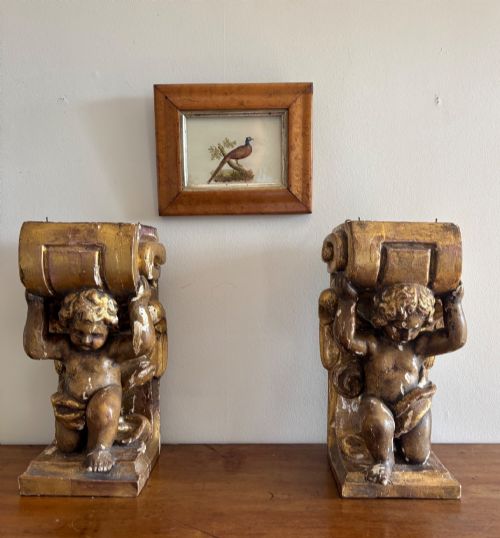
The selection ranges from structural teak brackets originating from India to ornate Italian giltwood wall brackets and Black Forest walnut carvings. These items function both as standalone wall decoration and as functional load-bearing architectural elements.
Materials and construction methods
Makers shaped these pieces primarily from dense hardwoods including oak, teak, mahogany, and walnut, selecting materials capable of holding intricate, deep-relief carving. Softwoods like pine appear in architectural salvage applications, while gilt wood and gold leaf finishes provide decorative brilliance on ornamental wall brackets.
Woodcarvers utilised chisels and gouges to execute high-relief forms such as acanthus leaves, animal heads, and human figures directly from solid timber blocks. Architectural pieces often show hand-sawn reverse sides designed for flush wall mounting, while decorative brackets incorporate integrated wall fixings.
Listings feature oak, pine, rosewood, walnut, and mahogany, with decorative accents in gold leaf.
Assessing quality in carved architectural timber
The integrity of the original surface finish, whether aged gilt leaf, polished walnut, or raw architectural teak, distinguishes works executed by skilled craftsmen from later or lesser pieces. Proportion and balance in sculptural subjects, such as lions or cherubs, indicate the hand of a proficient workshop.
Luigi Frullini
The 19th Century Carved Corbel Glossary
- Corbel
- A structural piece of stone, wood, or metal jutting from a wall to carry a weight. In this collection, they appear as wooden architectural brackets and decorative wall shelves.
- Giltwood
- Wood that has been covered with a thin layer of gold leaf or gold paint. This finish frequently appears on Italian and English wall brackets from the nineteenth century.
- Black Forest
- A style of wood carving originating from the mountainous region of Germany, known for realistic representations of animals such as bears, tigers, and lions. Pieces in this category often take the form of detailed wall brackets and heads.
- Anglo-Indian
- Describing furniture and decorative objects made in India by native craftsmen using British colonial designs. These items frequently utilise dense teak and traditional regional carving motifs.
19th Century Carved Corbel: Frequently Asked Questions
How were corbels used in nineteenth-century interiors?
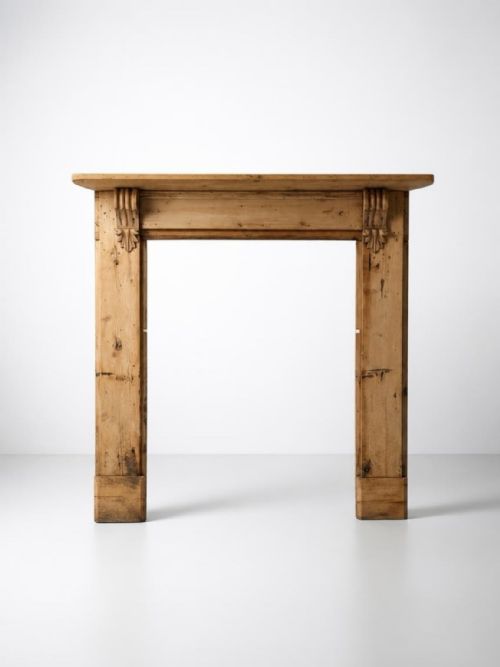
Nineteenth-century builders and homeowners used corbels beneath heavy mantelpieces, ceiling beams, and projecting wall shelves to provide both physical support and decorative weight. They anchored large bookcases, supported structural lintels, and served as ornamental wall brackets for display.
In domestic settings, smaller decorative brackets held clocks, vases, or porcelain figures against the wall paneling. Architectural versions were integrated directly into the timber framework of libraries, hallways, and principal reception rooms.
What woods were used for these carvings?
Cabinetmakers and carvers selected dense hardwoods like oak, walnut, rosewood, and mahogany for pieces requiring fine detail and structural strength. Teak appears frequently in architectural items originating from Indian workshops.
Softwoods such as pine were utilised for larger architectural salvage pieces intended to be painted or fitted into structural plasterwork. Gilt wood pieces typically employed underlying timbers like pine or lime coated in preparation for gold leaf application.
How do I mount a wall bracket safely?
Mounting heavy wooden brackets requires locating secure wall studs or using heavy-duty wall anchors suited to the specific weight of the timber. Many pieces feature original mounting holes or flat rear surfaces designed to sit flush against plaster or wood-paneled walls.
Checking the load-bearing capacity of both the wall and the bracket ensures safe display, particularly for dense hardwood items like oak or teak. Professional installation is recommended for large architectural corbels supporting heavy shelf loads.
How do I distinguish Italian Baroque revival from Black Forest work?
Italian Baroque revival pieces typically showcase gilded surfaces, flowing acanthus scrolls, and classical motifs such as putti and formal architectural framing. These items emphasise symmetrical grandeur and polished reflective finishes.
Black Forest carvings focus on naturalistic depictions of animals, game, and woodland foliage rendered in dark, unpainted walnut. The carving style prioritises organic texture, realistic fur details, and three-dimensional depth over classical symmetry.