


19th Century Carved Bench
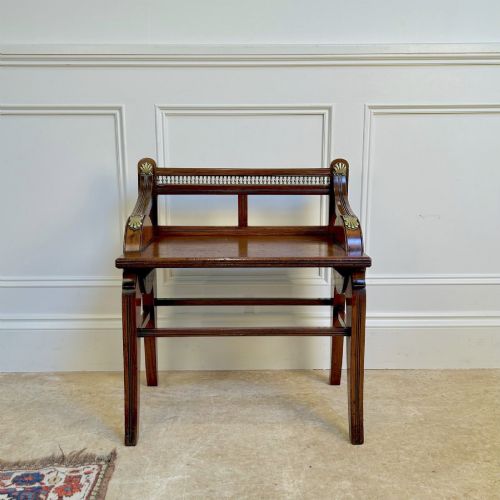
A 19th century carved bench brings substantial presence and deep relief woodwork to an interior, offering functional seating rooted in historical design.
19th Century Carved Bench
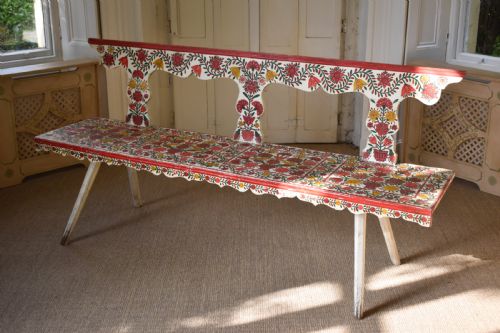
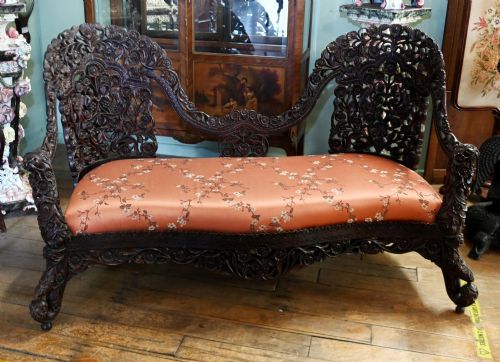
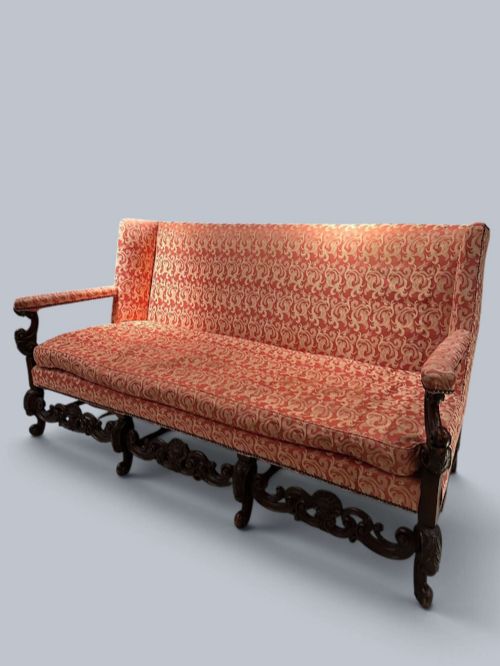
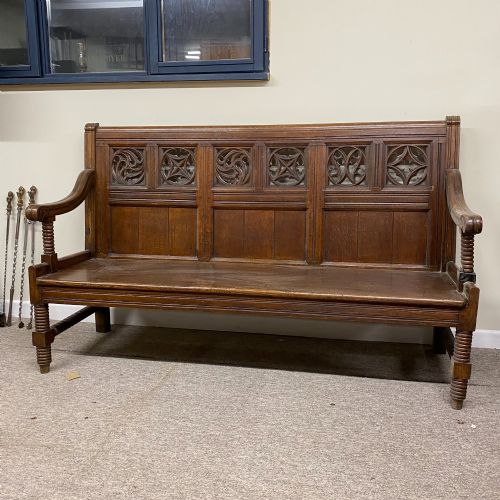
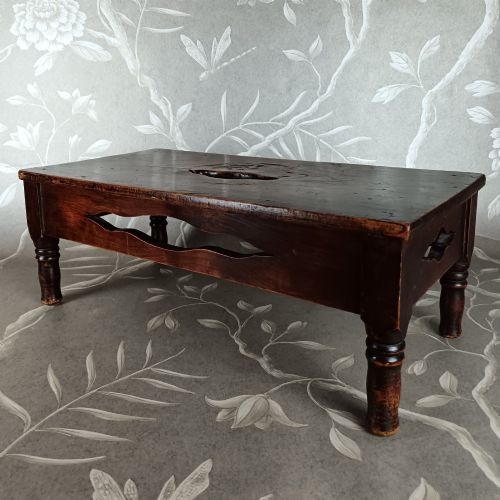
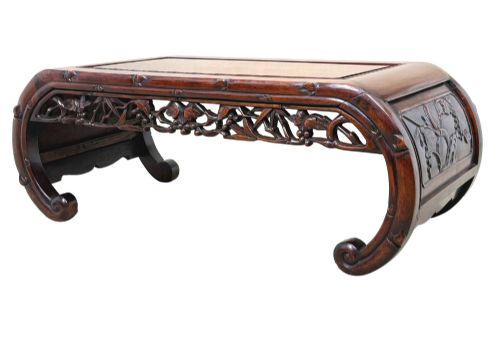
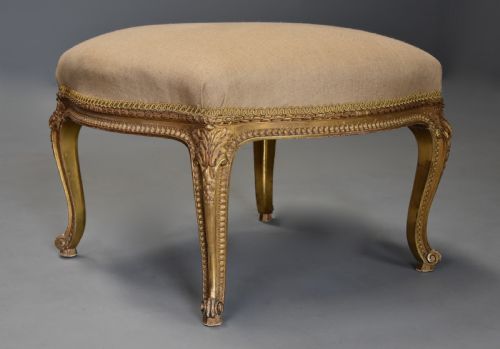
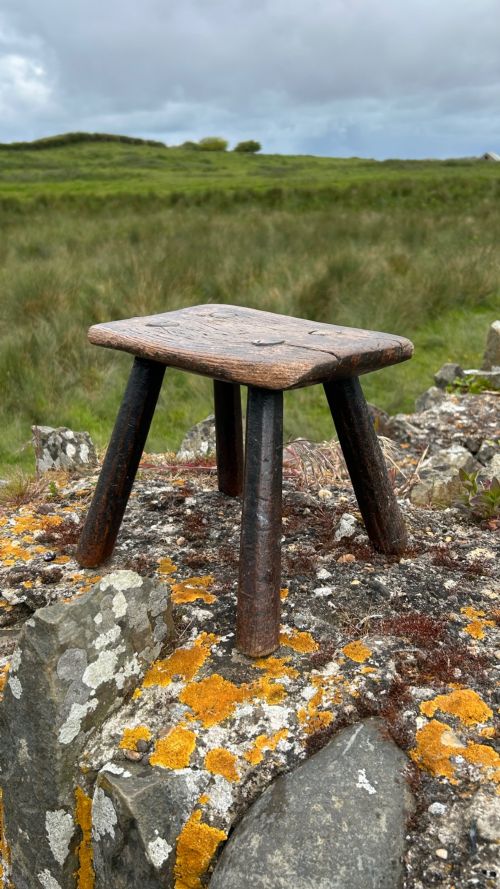
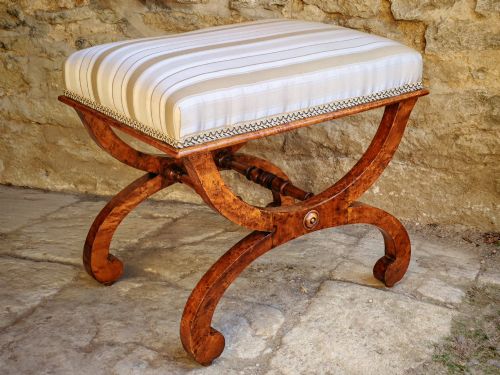
A 19th century carved bench encompasses a diverse array of seating forms, ranging from utilitarian oak hall settles to elaborate walnut throne chairs and rosewood window seats. Buyers encountering these pieces on this page will frequently discover solid oak hall benches alongside smaller upholstered settees and footstools from the Victorian period.
The functional scope of these objects is broad, bridging hallway seating, fireside settles with storage compartments, and formal drawing-room window seats. Regional variations span English Gothic Revival oak examples, Anglo-Indian rosewood pieces, and Continental walnut cassapancas.
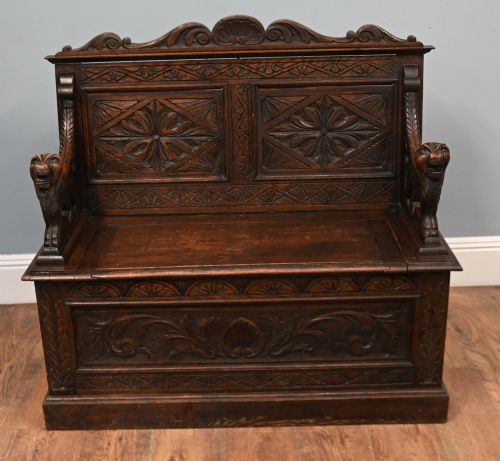
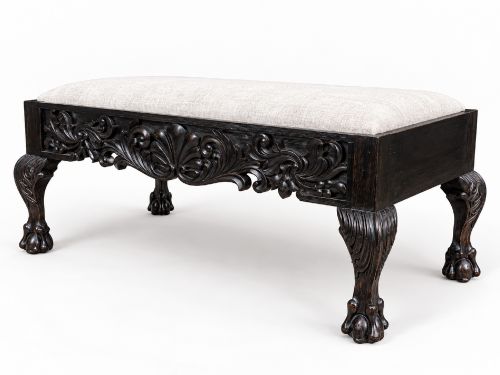
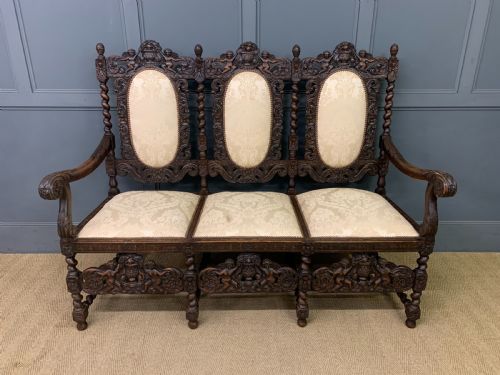
Many items display dense architectural carving, incorporating motifs such as green men, dragons, caryatids, and foliate scrolls. The selection reflects both domestic English country house traditions and international craftsmanship from the same era.
Materials and construction
Carpenters and cabinetmakers relied primarily on hardwoods such as oak, walnut, mahogany, and rosewood to construct the structural frames of these benches. Solid timber allowed craftsmen to execute deep relief carving directly into the structural members, particularly on hall benches and box settles.
Joinery techniques combined traditional tenon and mortise framing with turned supports and applied mouldings. Upholstered variants integrated internal webbing, horsehair stuffing, and textile or leather coverings secured with brass tacks.
19th Century Carved Bench Retail Price Guide 2026
Typical asking prices for 19th century carved bench among the pieces listed under this phrase on Sellingantiques today, from the lower quarter to the upper quarter. They describe what is for sale here now, not the wider market.
Listings feature items from the 18th century, 19th century, Regency, and Victorian periods, constructed from oak, walnut, mahogany, rosewood, and fabric.
Factors determining quality
The standard of carving is a primary differentiator, where crisp, deep, hand-chiseled detail executed with anatomical or botanical precision distinguishes superior work from shallow or mechanical output. The choice of timber also dictates quality, with dense, well-figured walnut, quarter-sawn oak, and exotic rosewood commanding greater regard.
Structural integrity, the retention of original surfaces, and the harmony of proportions further separate exceptional pieces. Examples that retain their original hinges, interior storage boxes, or period upholstery foundations carry greater integrity than heavily altered or reconstructed items.
GIllows·James Shoolbred & Co.
The 19th Century Carved Bench Glossary
- Monks bench
- A convertible piece of furniture designed to serve as both a table and a bench with a tilting back. It often incorporates a box seat for storage beneath the hinged lid.
- Settle
- A wooden bench with a high solid back, arms, and enclosed base intended to block draughts in historical interiors. They frequently appear in oak with carved panels along the backrest.
- Cassapanca
- An Italian wooden chest with a back and arms, functioning simultaneously as a storage coffer and a bench. These items are typically carved from walnut in Renaissance or revival styles.
- Caryatid
- A sculpted female figure serving as an architectural support in place of a column or pier. They appear frequently on the arm supports and vertical stiles of nineteenth-century revival seating.
- Green man
- A sculptural motif representing a human face surrounded by or sprouting from foliage. This traditional ornamentation recurs frequently on nineteenth-century oak furniture and architectural woodwork.
19th Century Carved Bench: Frequently Asked Questions
Where should I place a hall bench?
A hall bench serves as a practical and decorative anchor in an entryway, corridor, or large landing. Its narrow profile allows it to sit flush against a wall while offering a place to sit.
Many variants also provide internal storage beneath the seat for shoes or accessories, combining utility with historical character.
How do I care for antique oak?
Maintain antique oak furniture by dusting it regularly with a soft, dry cloth to prevent grit accumulation. Avoid placing timber pieces in direct sunlight or near heat sources to prevent the wood from drying out.
Applying a traditional beeswax polish occasionally helps nourish the grain and preserve the historic patina.
What is a monks bench used for?
A monks bench is a dual-purpose item designed to function as a table when the backrest is tilted forward over the arms. When upright, it operates as a standard enclosed seat.
Historically, this multi-functional design conserved space in smaller rooms and provided hidden storage within the box base.
How can I identify Gothic Revival style?
Gothic Revival seating is characterised by architectural motifs borrowed from medieval stone buildings, including pointed arches, tracery, and quatrefoils. These elements are typically carved directly into solid oak panels and framework.
This aesthetic gained significant popularity during the Victorian era, resulting in heavy, imposing furniture with distinct religious or medieval influences.