
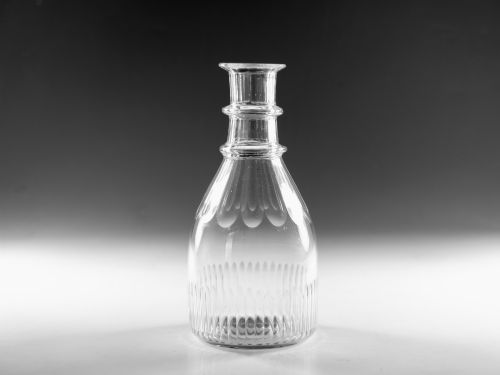
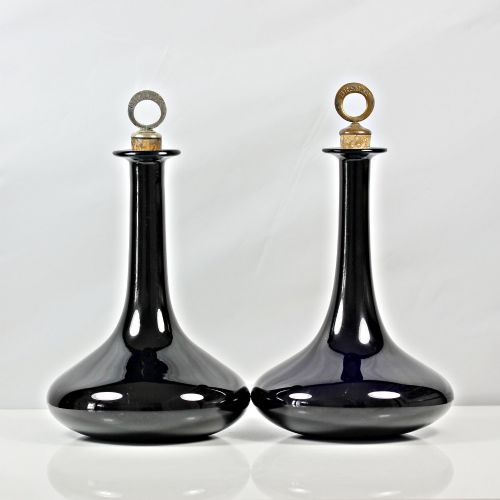
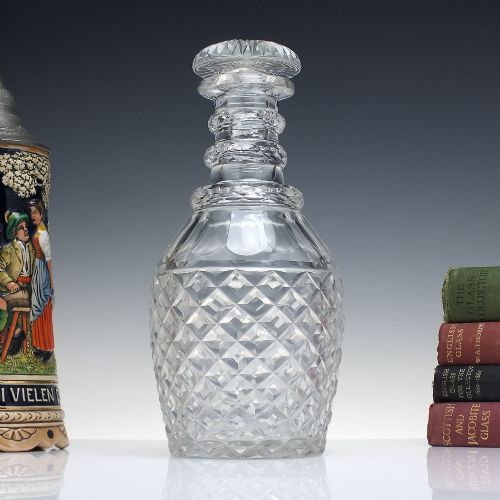
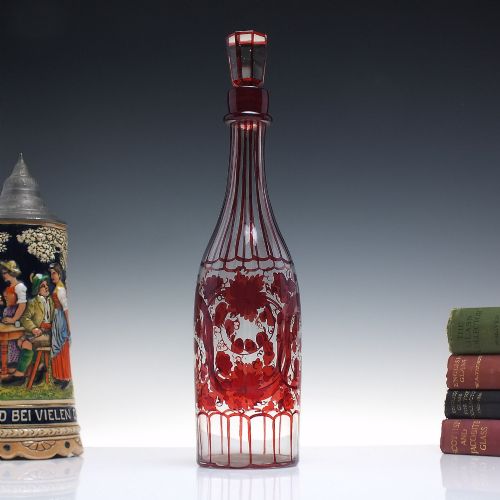



19th Century Carafe
When searching for a 19th century carafe, collectors find functional vessels in glass, crystal and silver plate intended for wine, water and spirits.
19th Century Carafe
A 19th century carafe encompasses diverse serving vessels, including decanters, claret jugs, water pitchers and wine bottles spanning Georgian, Regency, William IV and Victorian periods.
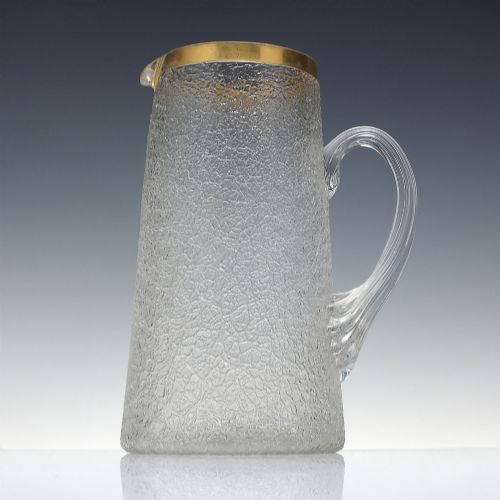
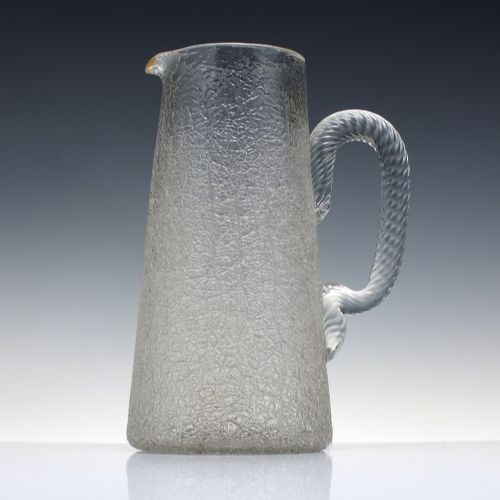
Vessels originating from English, Scottish, Irish, French and Bohemian workshops appear frequently, taking shapes from tall overshot glass pitchers to shaft and globe decanters.
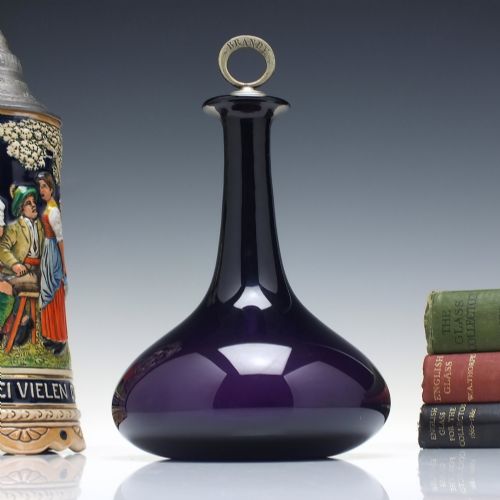
Pieces range from personal amethyst glass bottles to large engraved crystal jugs, reflecting domestic and social dining habits of the eighteen-hundreds.
Materials and Technique
Makers utilised clear glass, lead crystal and coloured glass such as Bristol blue, ruby, green and amethyst, often employing optical blowing or pillar moulding.
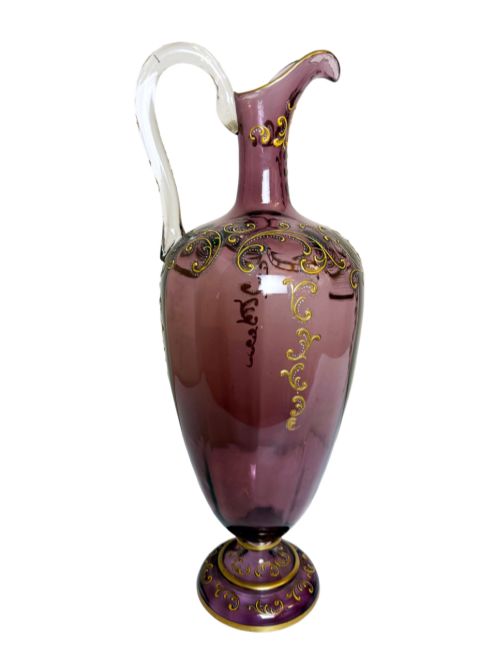
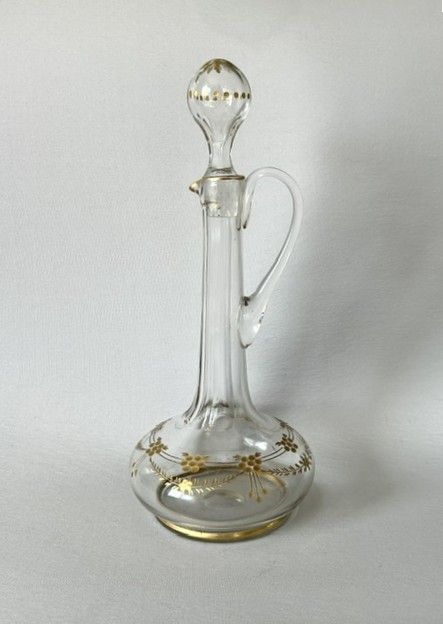
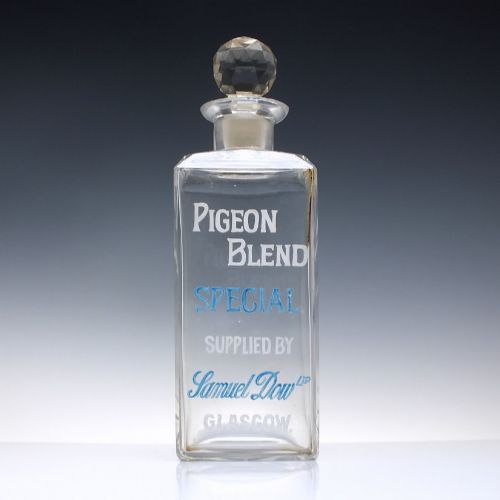
Decoration involved hand painting, enamel application, gilding, and precise cutting to create faceted surfaces that catch the light.
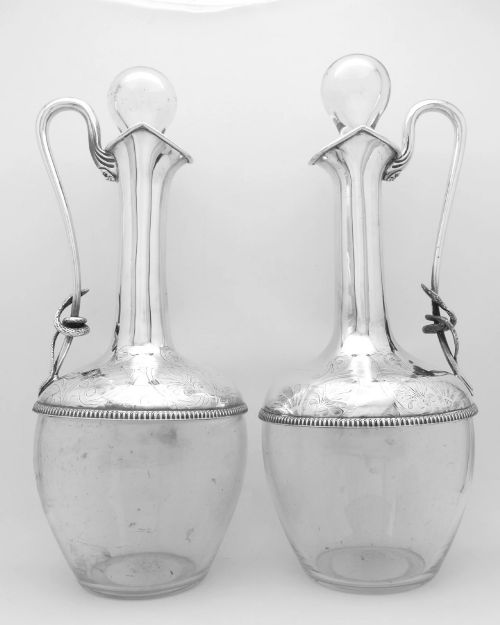
Metal components added structural detail, combining glass bodies with silver plate mounts, gold leaf accents or solid silver serpent handles.
Listings feature vessels in amethyst, green, ruby and blue glass alongside traditional clear crystal.
Defining Quality
Depth and crispness of wheel engraving or facet cutting separate standard vessels from works possessing sharper geometric definition and greater weight in the hand.
Complexity of ornamentation, from simple gilded rims to elaborate enamel painting and matched silver-plate mounts by known makers, elevates a piece.
Clarity of the metal, freedom from cloudiness in the glass, and integrity of applied handles or collars distinguish superior examples.
James Powell·Elkington·Richardson·Baccarat·St. Louis·Stevens & Williams
The 19th Century Carafe Glossary
- Mell decanter
- A mallet-shaped decanter with a wide base and tapering neck, common in the Georgian and early Victorian eras.
- Overshot glass
- Glass featuring a textured, thread-like surface achieved by rolling hot glass over fine glass fragments.
- Claret jug
- A pouring vessel designed specifically for red wine, frequently fitted with a hinged silver-plate mount and handle.
- Nailsea type
- Glassware characterised by mottled or looped coloured glass trailing, originally associated with Somerset production.
- Shaft and globe
- A decanter silhouette featuring a spherical lower body rising into a long, slender neck.
19th Century Carafe: Frequently Asked Questions
What is the difference between a carafe and a decanter?
A carafe generally serves water or wine directly at the table for immediate pouring during a meal.
Decanters traditionally feature fitted stoppers designed for longer storage and aeration of spirits and fortified wines.
How do I date a 19th century glass vessel?
Dating relies on observing pontil marks on the base, manufacturing techniques like pillar moulding, and stylistic cues.
Georgian and Regency pieces often show heavy lead weight and simpler geometric cutting, while late Victorian examples introduce vibrant colours and enamel decoration.
Were these vessels used only for wine?
These containers held a variety of liquids depending on their specific form and size.
Water jugs and pitchers served at the dining table, while smaller bottles contained whisky, cordials or personal portions of wine.
How should I clean antique glass care vessels?
Gentle washing in warm water with mild soap preserves the delicate enamel, gilding and silver plate mounts found on many antique pieces.
Harsh detergents and sudden temperature changes risk damaging historical glass surfaces and applied metalwork.