
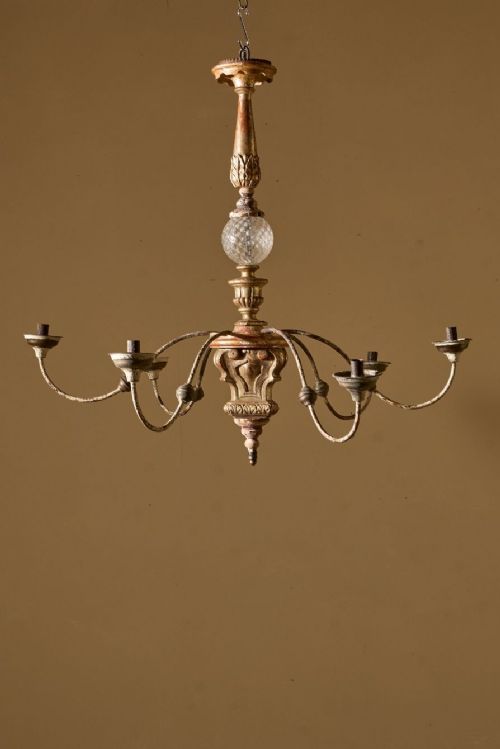
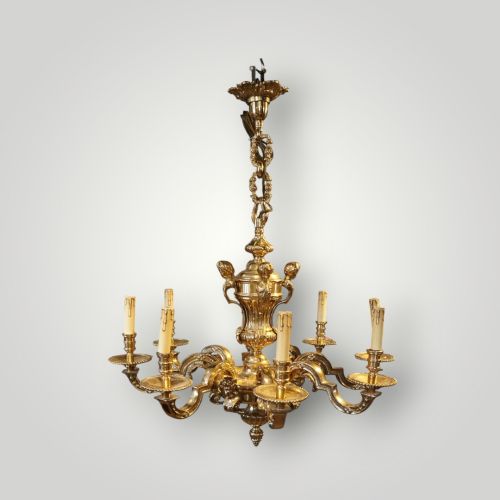
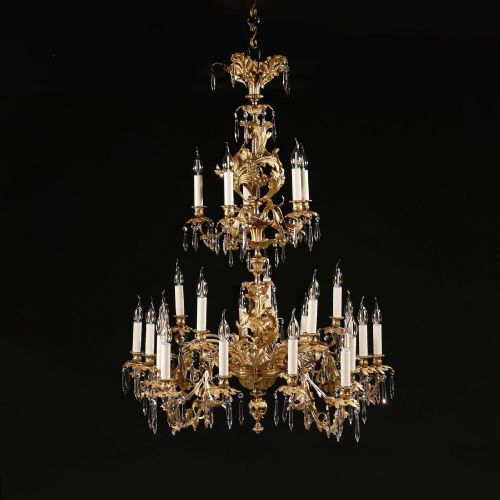
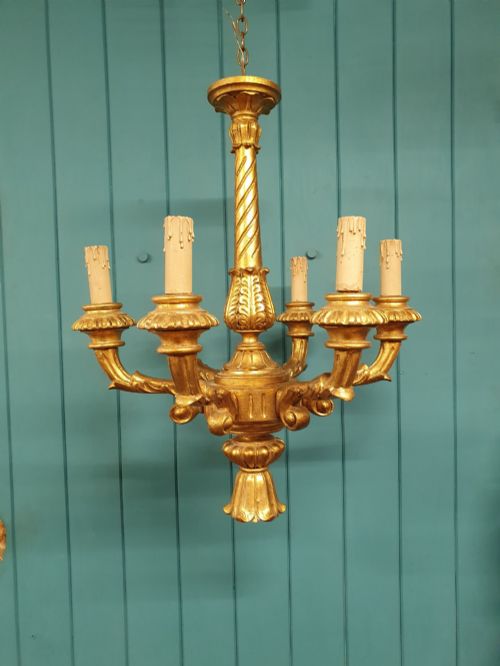




19th Century Candle Chandelier
A 19th century candle chandelier brings genuine period gravitas to a room, offering warm illumination through authentic historic metalwork and glass.
19th Century Candle Chandelier
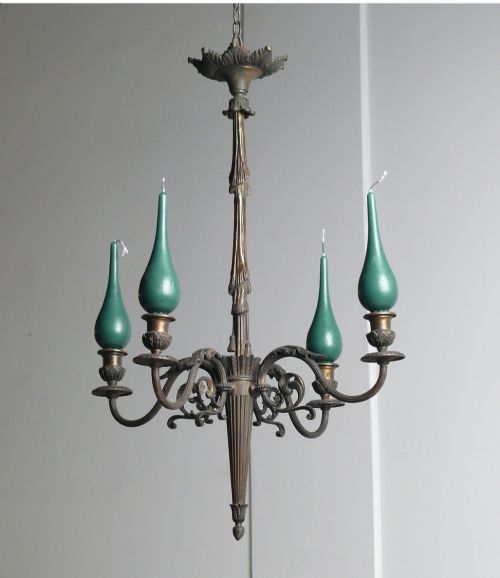
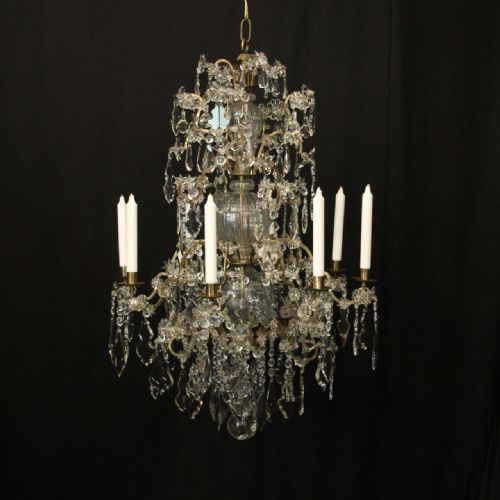
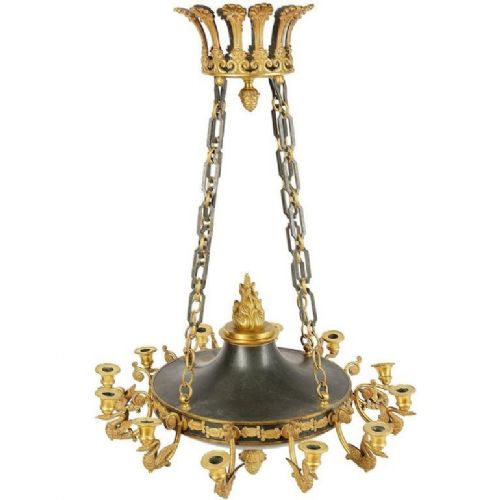
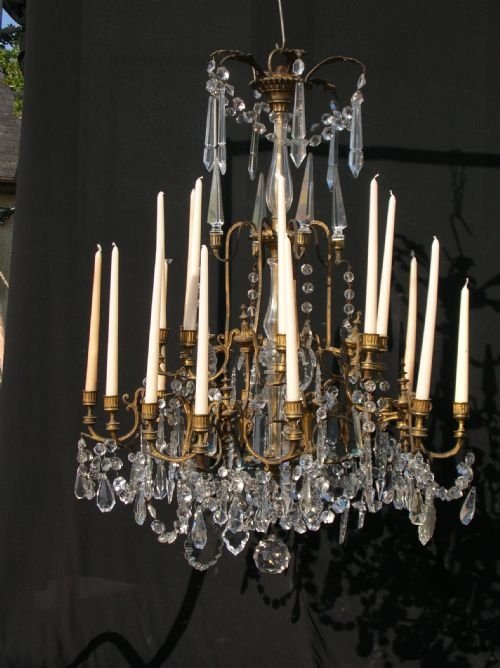
When you search for a 19th century candle chandelier, you are looking at substantial ceiling light fittings designed to hold numerous candles before the widespread adoption of electricity. The pieces available here span the entirety of the nineteenth century, including specific dates such as eighteen-eighty, eighteen-fifty, nineteen-hundred, and the Regency period.
The assortment on this page relies heavily on continental and British design influences, featuring French chateau, Victorian, French Baroque Revival, French Rococo, Gothic Revival, and Russian Empire styles. Forms range from small single-light fixtures to massive twenty-five-light centrepieces, alongside related items like mantel lustres.
You are most likely to encounter elaborate French bronze, brass, and giltwood frames adorned with cut glass or crystal. These fixtures often retain their original pricket or socket formations suited for candle use, though some examples bridge the gap with later adaptations.
How they were made
Makers utilised a combination of cast metals, including gilt bronze, ormolu, brass, iron, and silver plating, to construct the foundational arms and central stems of these chandeliers. Metalwork was frequently chased, gilded, or patinated to achieve the desired decorative sheen appropriate for grand interiors.
Crystal and cut glass elements were meticulously shaped and faceted to refract the candlelight, suspended from the metal frames using wire or pins. Gesso and giltwood components provided lighter alternatives for carved decorative flourishes in specific Victorian and revival pieces.
Materials recorded across the inventory include gilt bronze, cut glass, brass, ormolu, iron, silver plating, and gesso.
What varies in quality
The calibre of a 19th century candle chandelier is determined by the crispness of the metal casting and the depth of the gilding or patination. Finer workshops invested heavily in detailed chasing of bronze and ormolu, ensuring that floral, cherubic, or architectural motifs remained sharp and well-defined rather than soft and muddy.
The quality of the glass components also dictates the upper tier of the market, where hand-cut crystal drops display brilliant prismatic refractions. A superior piece maintains structural integrity across numerous arms and branches, balancing substantial weight with proportional elegance.
Joseph Wilmotte
The 19th Century Candle Chandelier Glossary
- Ormolu
- Gilded bronze produced by applying a mercury-gilding amalgam to cast bronze, creating a durable and rich golden surface.
- Pricket
- A sharp metal spike on a candleholder designed to push directly into the base of a wax candle to secure it upright.
- Lustre
- A hanging glass pendant or drop used on chandeliers and candelabra to catch and multiply the flickering light of candles.
- Gesso
- A plaster-like mixture applied to wood surfaces as a base for gilding, common in ornate Victorian framing work.
- Giltwood
- Timber that has been coated with a thin layer of gold leaf or gold paint to simulate solid gold enrichment.
19th Century Candle Chandelier: Frequently Asked Questions
Can these chandeliers still hold real candles?
Many 19th century candle chandeliers retain their original prickets or drip pans, allowing them to function with traditional wax tapers. Some pieces have undergone historical conversions for electricity while preserving their candle-form appearance.
Buyers should inspect the specific fitting details in the listing to confirm whether the piece is currently set up for wax candles or wired for modern bulbs.
How do I identify a French Empire style chandelier?
French Empire pieces typically display classical architectural motifs, symmetrical arrangements, and heavy use of gilt bronze or ormolu. They draw inspiration from ancient Roman and Greek designs.
Look for clean lines, laurel wreaths, and classical drapery motifs that distinguish them from the more exuberant Rococo or Gothic revival models.
What is the difference between brass and ormolu?
Brass is a solid copper and zinc alloy with a natural metallic yellow tone that can be polished or left to age. Ormolu specifically refers to high-quality cast bronze that has been gilded with real gold.
Ormolu exhibits a warmer, deeper golden lustre that does not tarnish in the same manner as untreated brass.