


Bronze Hanging Candle Light
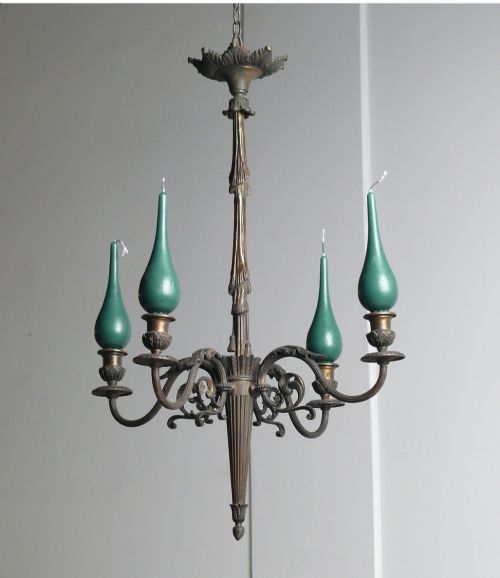
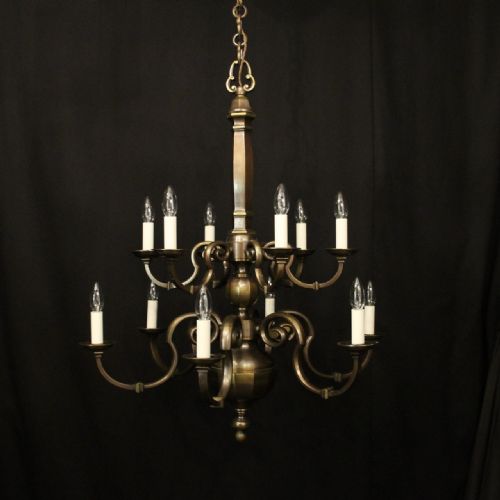
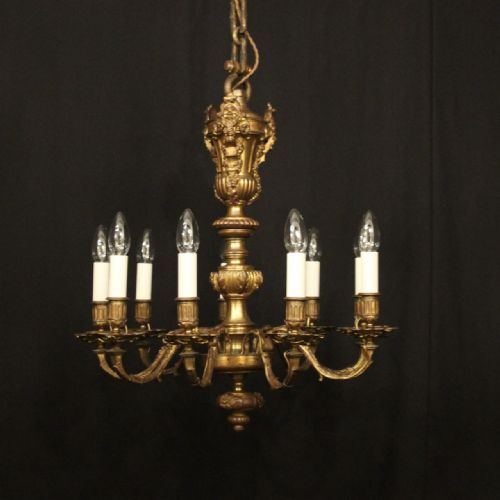
A bronze hanging candle light brings genuine historical weight to a room through centuries-old metalwork and candlelit atmosphere.
Bronze Hanging Candle Light
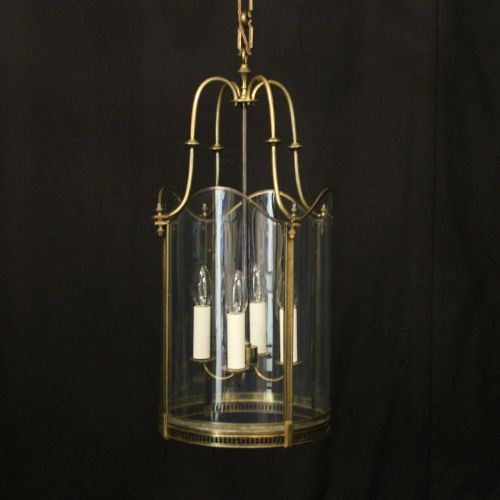
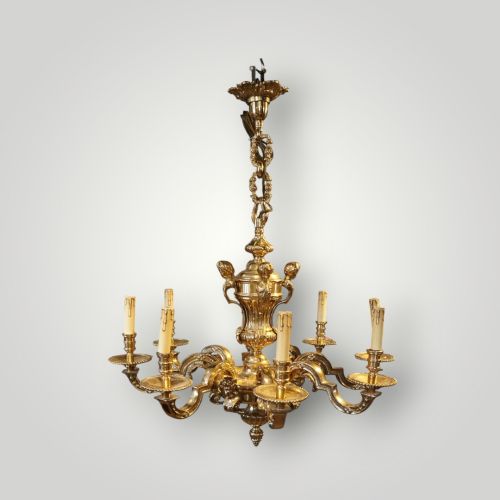
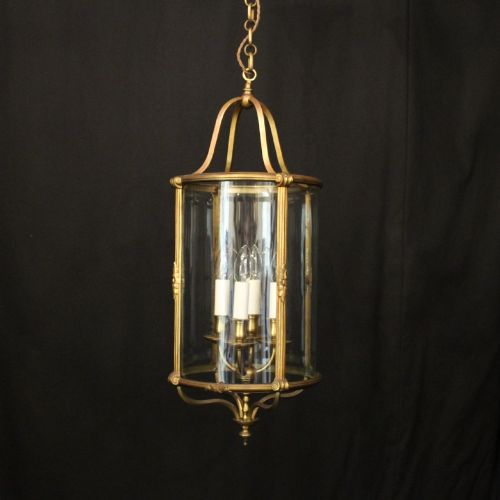
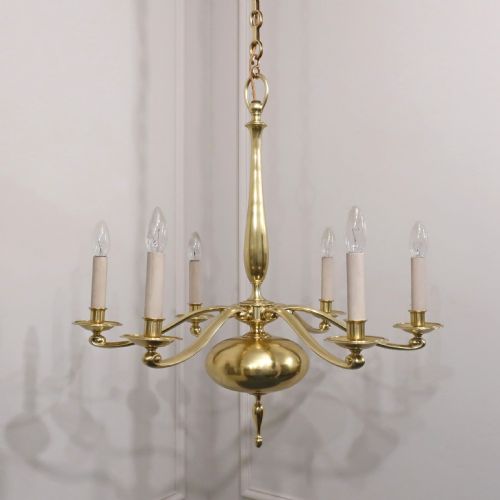
A bronze hanging candle light is a fixture designed to suspend from a ceiling and illuminate a space, drawing on centuries of domestic lighting traditions. When you search for a bronze hanging candle light, you encounter pieces that range from elaborate multi-arm chandeliers to enclosed hall lanterns.
The selections span distinct periods from the late nineteenth century through the early twentieth century, including Victorian, Edwardian, and Art Nouveau examples. French designs heavily influence the available selection, often appearing in styles such as French Baroque Revival, Neoclassical, and Empire.
Makers and workshops of the era produced these fixtures in various formats, accommodating anywhere from four to twelve lights. Many pieces incorporate glass elements, crystals, or amber and mauve fruits alongside the primary metal structure.
Markers of quality
Quality in a hanging light rests on the crispness of the bronze casting and the depth of the original patination or gilding. Finer pieces display meticulous hand-chasing on the metal surfaces, defining intricate floral or architectural motifs without blurring.
The integration of secondary materials such as cut crystal drops and moulded glass panels elevates the execution of the piece. Substantial framing and robust arm construction ensure the fixture maintains structural integrity while supporting multiple candle points.
Some French chandeliers feature dangling glass fruits in amber and mauve, proving that historical lighting designers thoroughly enjoyed a touch of whimsy overhead.
G.E.C
The Bronze Hanging Candle Light Glossary
- Bronze
- An alloy consisting primarily of copper, traditionally mixed with tin, prized for its durability and warm metallic tone. It develops a rich patina over decades of exposure to air.
- Gilt bronze
- Bronze metal that has been coated with a thin layer of gold leaf or gold powder. This technique provides a luminous surface that reflects candlelight effectively.
- Chandelier
- A branched ornamental light fixture suspended from the ceiling designed to hold multiple candles or bulbs. Historical examples often feature complex arm configurations and crystal embellishments.
- Hall lantern
- An enclosed hanging light fixture traditionally placed in entrance halls or corridors. These pieces typically feature glass panes set within a metal framework.
- Patina
- The surface sheen and colour variation developed on metal through age and handling. Collectors value an undisturbed patina as evidence of authenticity.
Bronze Hanging Candle Light: Frequently Asked Questions
How do I clean a bronze chandelier?
Dust the metal gently with a soft, dry cloth to remove surface particles without disturbing the underlying patination. Avoid harsh chemical cleaners or abrasive polishes that can strip away original gilding.
For crystal components, use a mild soapy solution applied with a cloth, drying each drop thoroughly before reattaching it to the frame.
Are these lights wired for electricity?
Most historical hanging lights encountered today have been adapted for electricity to suit modern domestic requirements. Conversion work typically involves running internal wiring through the central channels of the frame.
Buyers should consult a qualified electrician to inspect the wiring and ensure compatibility with current safety standards upon installation.
What rooms suit a hall lantern?
Hall lanterns function well in entranceways, corridors, and stairwells where vertical space allows for suspended fixtures. Their enclosed design provides directional downward illumination while protecting the light source from drafts.
Smaller lanterns also find placement in compact dining areas or landings as a focal point.
How do I date a bronze light?
Dating relies on stylistic indicators such as the sinuous lines of Art Nouveau or the symmetrical motifs of French Neoclassicism. Manufacturing techniques, casting marks, and screw threads also provide clues regarding the period of production.
Comparative analysis with documented pieces from makers like G.E.C helps narrow the timeline of execution.