
19th Century Bronze Putto
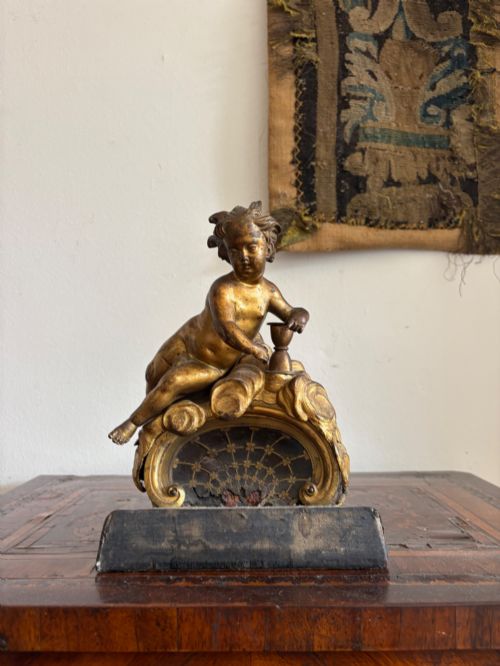
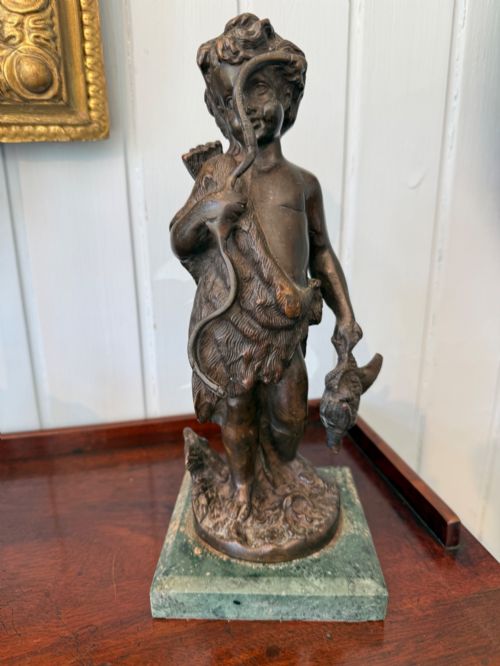
A 19th century bronze putto brings lively classical sculpture and ornate metalwork into a room.
19th Century Bronze Putto
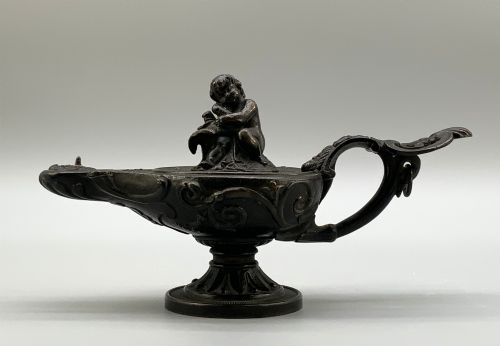
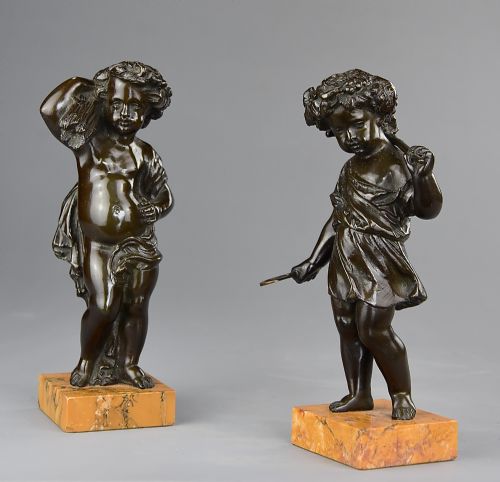
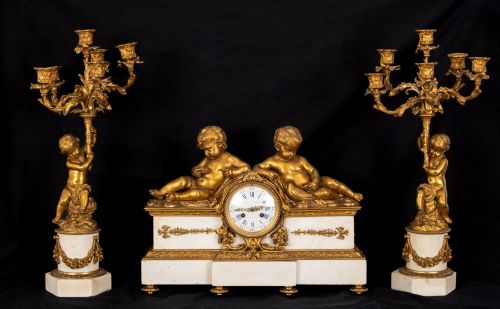
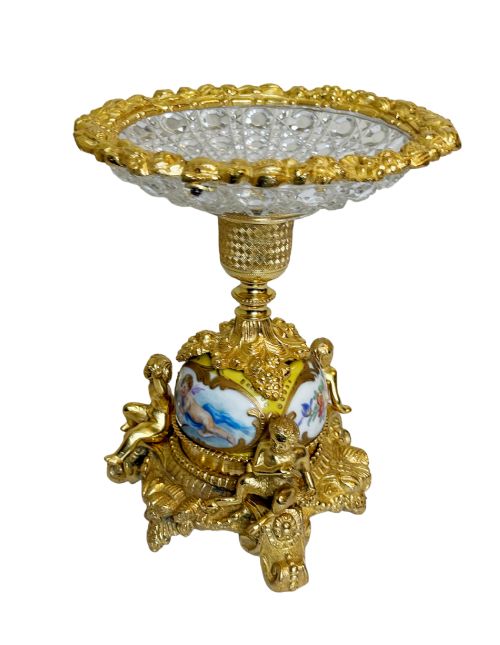
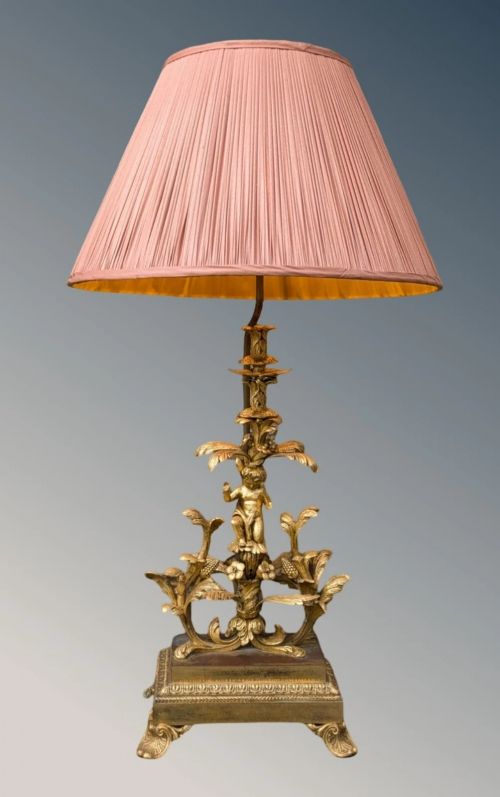
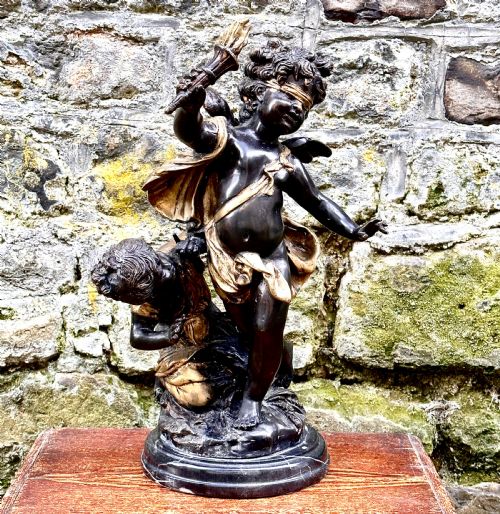
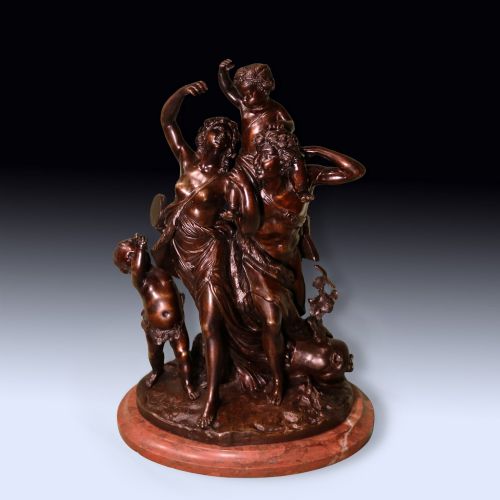
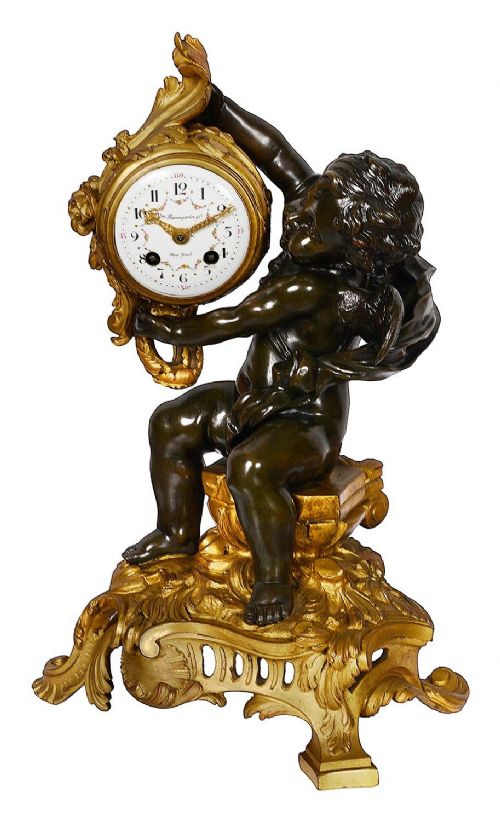
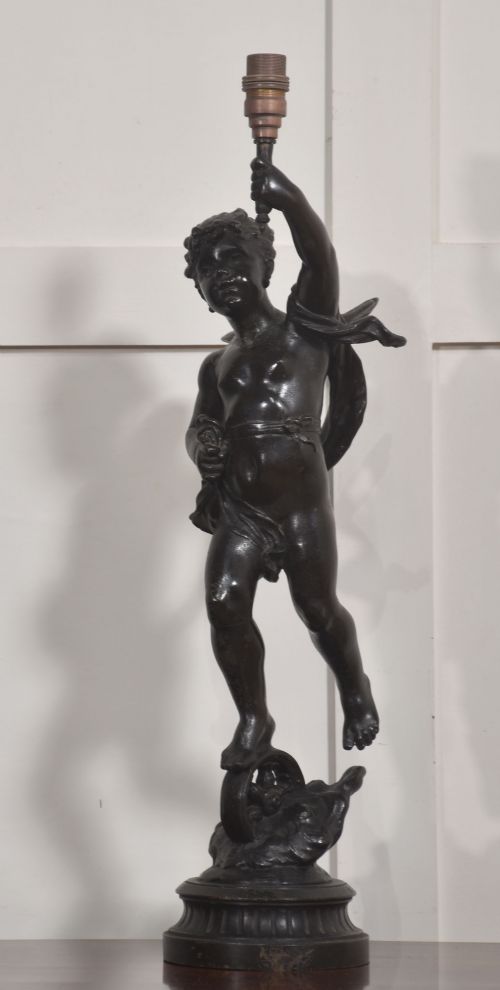
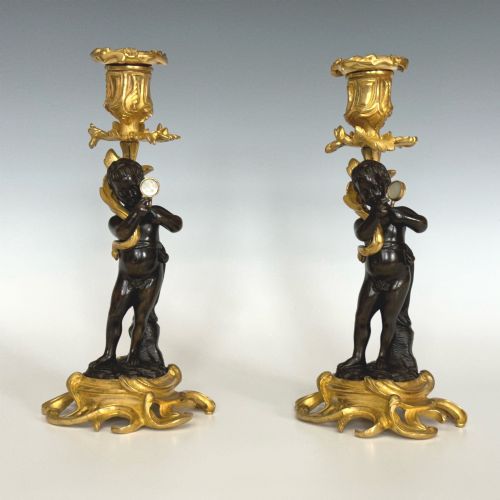
A 19th century bronze putto appears as a winged child figure in sculptures, lamp bases, clock garnitures, and candlesticks. These objects originate largely from French and Italian workshops influenced by classical revival styles.
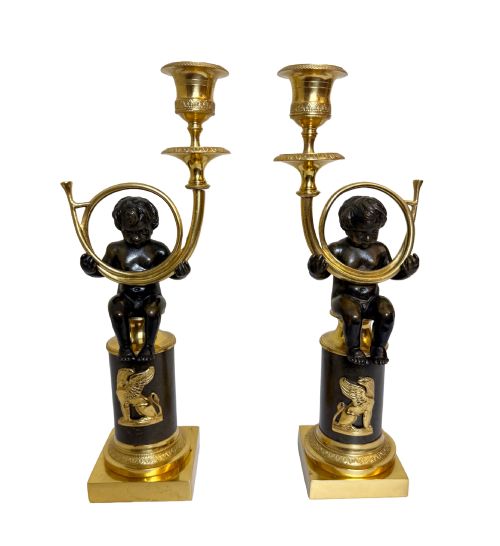
The figures often hold grapes, bows, or flowers, or join together in pairs as harvest putti or musical cherubs. Buyers encounter these motifs mounted on marble bases or integrated into candelabra, centrepieces, and wall sconces.
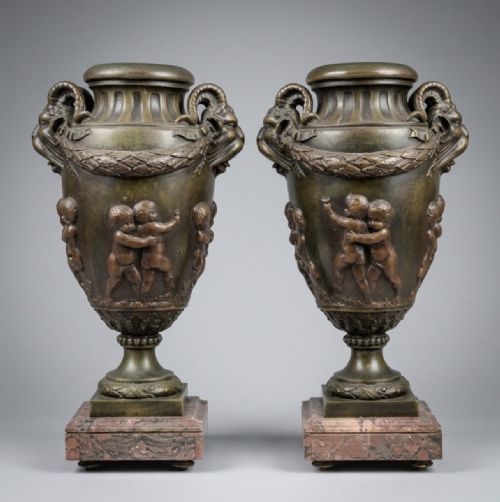
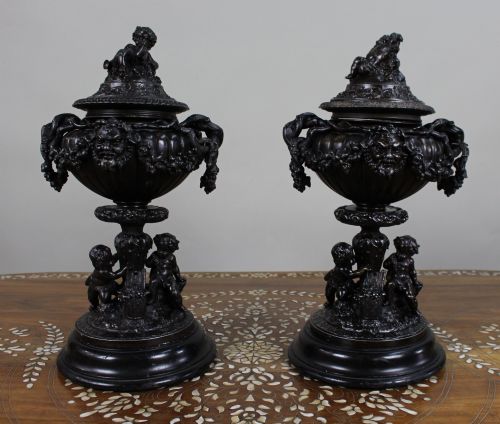
Many items reflect Grand Tour souvenirs or French Rococo and Neoclassical interior furnishings. The forms range from small finial ornaments to large mantel clock sets and decorative urns.
How they were made
Foundries produced these pieces using traditional casting methods in bronze, patinated bronze, and ormolu. Artisans then chased the metal surfaces by hand to sharpen details on the hair, wings, and drapery.
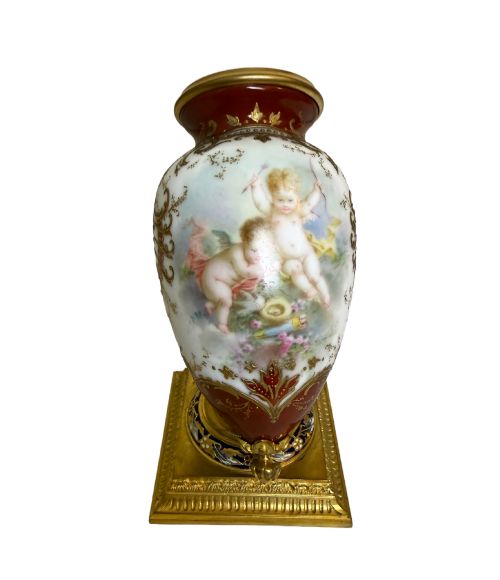
Gilt bronze and ormolu applications provided bright reflective surfaces, contrasting with dark patinated bronze or white marble bases. Cut crystal, porcelain, and enamel elements frequently accompanied the metalwork in lamps, clocks, and vases.
What varies in quality
Quality depends on the crispness of the cast and the depth of the hand-chasing on the figures. Superior examples show refined facial expressions, clear feather definition in the wings, and cleanly fitted marble or bronze mounts.
The richness of the gilding and the weight of the cast metal distinguish finer decorative objects from simpler production pieces. Signed works or items after known sculptors like Clodion often exhibit superior artistic execution.
Claude Michael Clodion·Louis Auguste Moreau·Leon Message·Jollet et Cie
The 19th Century Bronze Putto Glossary
- Putto
- A plump, often winged male child figure frequently depicted in classical art. Sculptors in the period used this motif to represent mythological cherubs or cupids.
- Ormolu
- Finely ground high-carat gold mercury-gilded to a bronze object. This technique gave French decorative arts a brilliant golden finish.
- Patinated Bronze
- Bronze treated with chemical solutions to produce a darkened, aged surface colour. This finish highlighted the sculptural contours of the figure.
- Chenets
- Metal fire dogs placed at the hearth to support logs. Pairs adorned with putti decorated French fireplaces.
- Grand Tour
- A traditional trip through Europe undertaken by young upper-class men. Travellers purchased bronze sculptures and antiquities as souvenirs.
19th Century Bronze Putto: Frequently Asked Questions
What is a putto?
A putto is a small winged infant figure common in classical and neoclassical art. Artists rendered these cherubic figures in bronze and marble to decorate functional items like lamps and clocks.
They appear across various nineteenth-century decorative objects, often symbolising love, music, or the harvest.
How were bronze putti used?
Nineteenth-century makers integrated these figures into useful household objects and decorative hardware. They support candelabra branches, hold clock faces, or serve as finials and table lamp bases.
Wealthy households displayed them on mantelpieces, desks, and central tables as part of matching garniture sets.
Where were these pieces made?
Most surviving items originate from French and Italian workshops. Paris served as a major centre for ormolu and bronze casting during the nineteenth century.
Italian makers also produced similar figures for travellers on the Grand Tour.
How do I style a bronze putto?
These pieces suit traditional mantels, sideboards, and desk tops where their metallic finishes catch the light. Pairs of candlesticks or wall lights anchor symmetrical arrangements in a room.
They combine well with antique wood furniture, marble surfaces, and period textiles.
How do I tell periods apart?
Nineteenth-century pieces reflect changing revivals, from early neoclassical restraint to ornate Rococo and Louis XIV styles later in the century. Materials such as white marble bases and gilt or patinated bronze indicate specific manufacturing decades.
Signatures, foundry marks, and overall casting weight help narrow down the date of creation.