



Clodion Bronze Figure
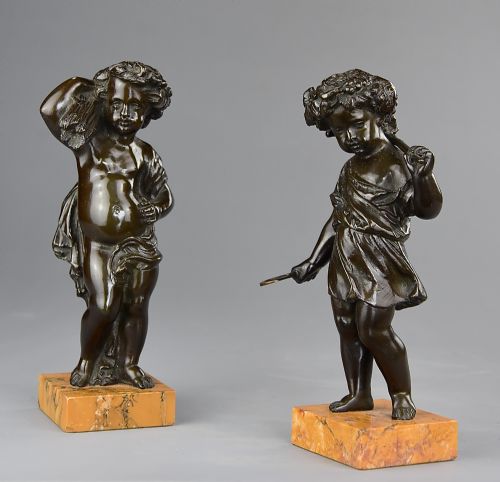
A clodion bronze figure brings the playful spirit of French neoclassical mythology into a room through lively depictions of putti, satyrs and nymphs.
Clodion Bronze Figure
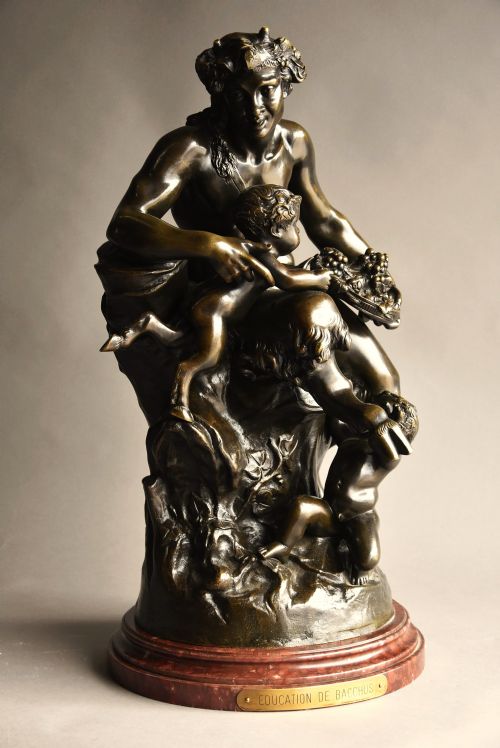
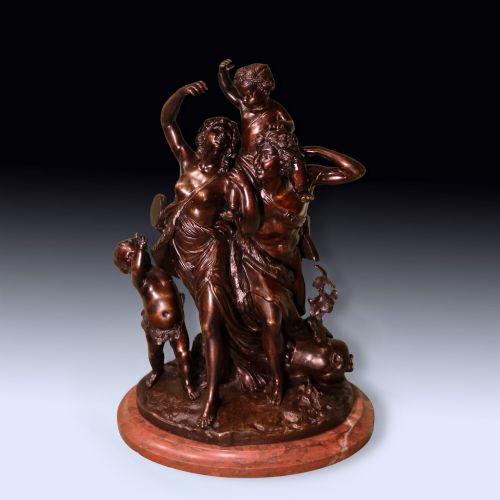
A clodion bronze figure captures the spirited, sensual subjects associated with the French sculptor Claude Michel, often known as Clodion, whose terracottas inspired later foundries. These sculptures frequently depict putti, fauns, satyrs and classical dancing groups engaged in mythological revelry.
Most examples found here date from the nineteenth century, including pieces from the Napoleon III period and Grand Tour productions. They appear as single figures or pairs, sometimes mounted upon marble bases or adapted as lamps.
Many of these works are explicitly marked as after Clodion or created in his manner, reflecting the enduring nineteenth century taste for French Rococo Revival and neoclassical aesthetics. Buyers encounter subjects ranging from harvest putti to Bacchic dancing groups.
Materials and methods
These pieces are cast in bronze, frequently utilising a patinated bronze finish to create tonal depth across the surface of the figures. Some later nineteenth century examples incorporate gilt bronze or sit upon contrasting marble bases.
The casting process captures the dynamic movement and intricate detail of the original models, preserving the flowing hair, drapery and expressive musculature typical of French neoclassical sculpture.
Clodion Bronze Figure Retail Price Guide 2026
Typical asking prices for clodion bronze figure among the pieces listed under this phrase on Sellingantiques today, from the lower quarter to the upper quarter. They describe what is for sale here now, not the wider market.
Several groups capture tipsy satyrs and busy putti engaged in eternal harvest celebrations.
Judging quality in these sculptures
Quality rests in the crispness of the chasing and the fidelity of the cast to the original sculptural movement. Finer pieces retain sharp definition in facial expressions, hair and foliage, whereas lesser examples lose detail in the finishing stages.
The integration of the bronze with its support, such as a fitted marble base, and the richness of the patina contribute significantly to the overall presence of the piece.
The Clodion Bronze Figure Glossary
- Putti
- Plural of putto, representing plump, winged male infants often found in classical and mythological art. They frequently appear in pairs or groups harvesting grapes or playing musical instruments.
- Patinated bronze
- Bronze that has been chemically treated to alter its surface colour, usually producing rich brown, dark green or near-black tones. This treatment protects the metal and accentuates sculptural contours.
- Grand Tour
- The nineteenth century tradition where wealthy travellers collected art and antiquities across Europe. Sculptures acquired on these journeys often miniaturised classical subjects.
- Rococo Revival
- A nineteenth century design movement that revived the ornate, asymmetrical curves and playful motifs of the eighteenth century French court. It heavily influenced the styling of these bronze groups.
- Neoclassical
- A style drawing inspiration from the classical art and culture of ancient Greece and Rome. This aesthetic prioritises balanced composition and mythological themes.
Clodion Bronze Figure: Frequently Asked Questions
Are these figures genuine works by Clodion?
Most pieces are nineteenth century interpretations, copies or works in the manner of Claude Michel Clodion rather than original terracottas by the artist himself.
Foundries and sculptors produced these bronze groups long after Clodion's death to satisfy the Victorian and Napoleon III demand for classical mythology.
What is a Grand Tour bronze?
A Grand Tour bronze is a portable sculpture acquired by travellers visiting continental Europe during the eighteenth and nineteenth centuries.
These pieces typically reproduced famous classical sculptures or popular mythological groups for display in British homes.
How do I care for a bronze figure?
Bronze requires minimal maintenance, needing only an occasional dusting with a soft, dry cloth to prevent particulate build-up.
Avoid using polishes, oils or chemical cleaners, as these can damage the original patinated surface of the metal.
What do satyrs and putti represent?
Satyrs and putti are figures drawn from classical mythology, typically associated with wine, music, harvest and the followers of Bacchus.
Their inclusion signifies celebration, fertility and the lighthearted nature of classical pastoral scenes.
How can I tell the period of a bronze?
Dating relies on examining the casting technique, the character of the patina, the style of the mounting and any signatures or foundry marks.
Nineteenth century pieces often display distinct patination methods and base constructions that separate them from later reproductions.