

19th Century Bronze Putti
These 19th century bronze putti capture the playful winged figures popular in nineteenth-century decorative arts, offering classic sculptural charm to any interior.

19th Century Bronze Putti
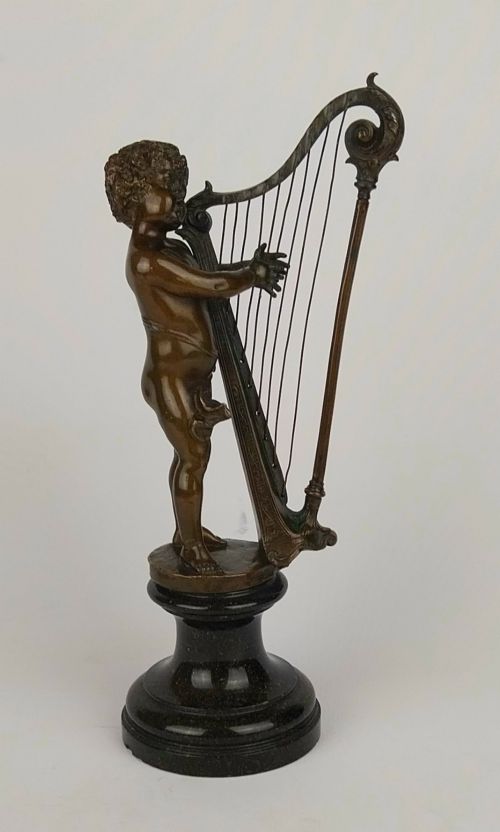
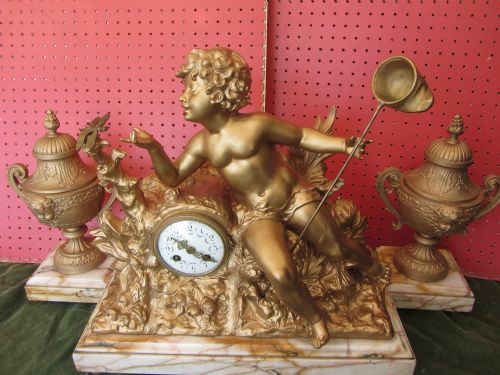
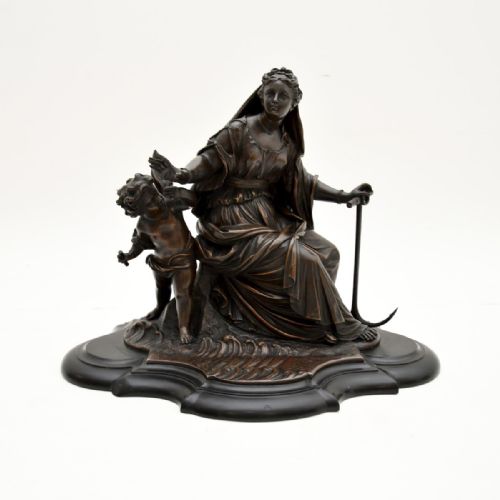
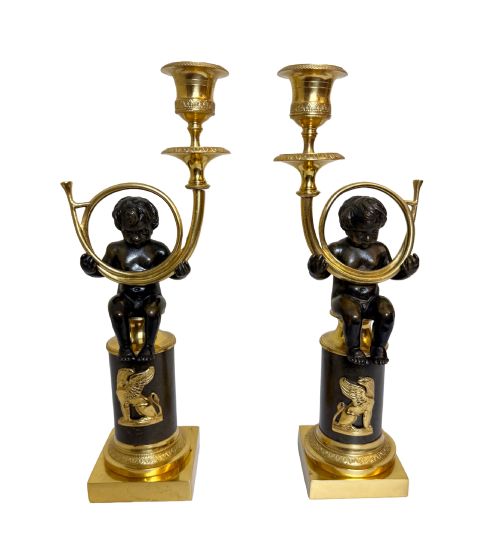
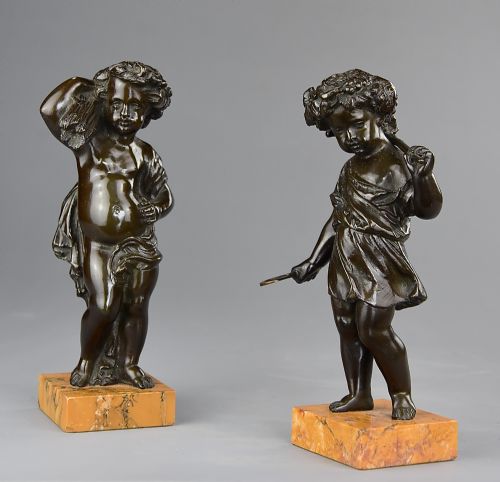
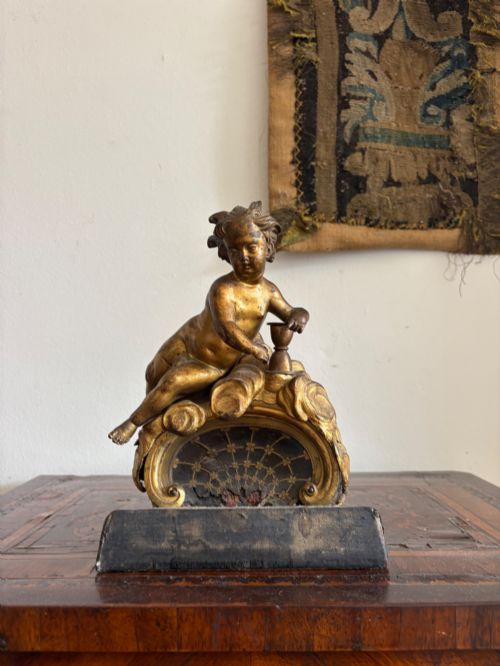
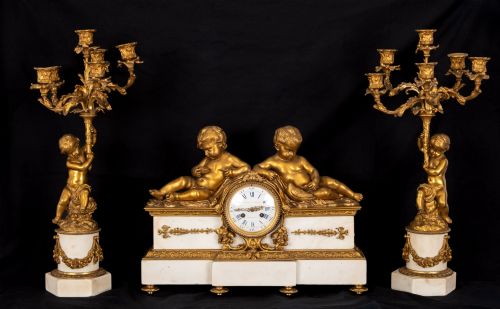
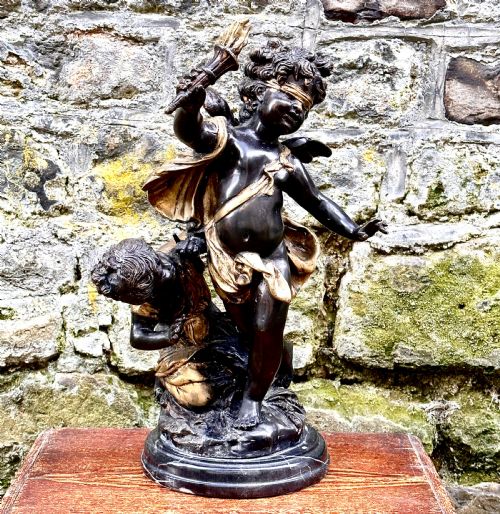
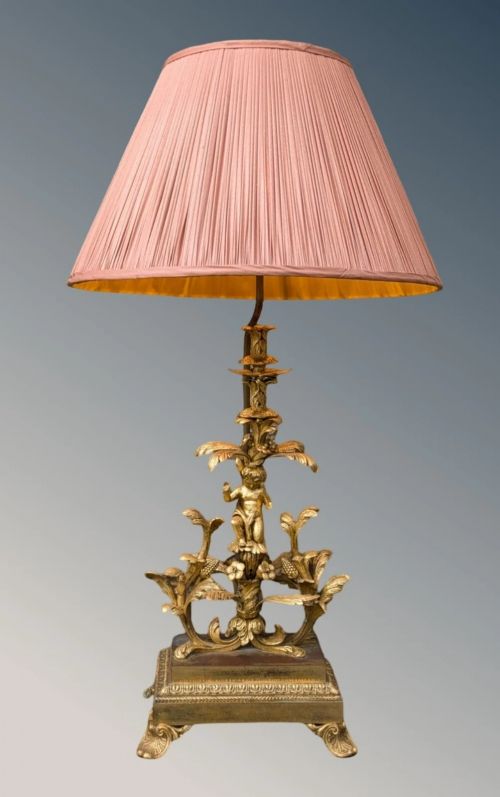
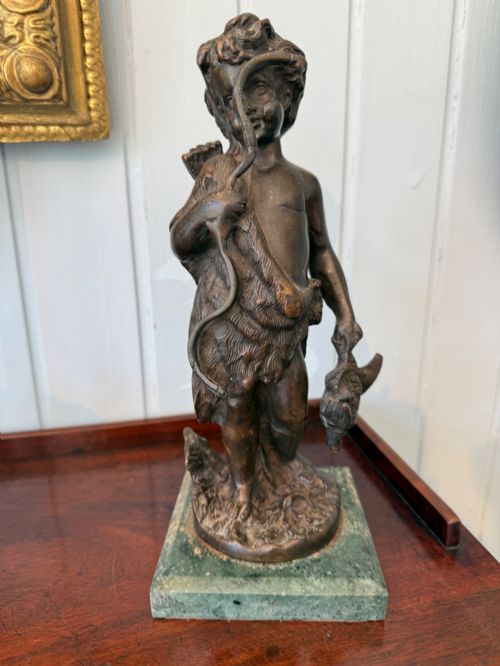
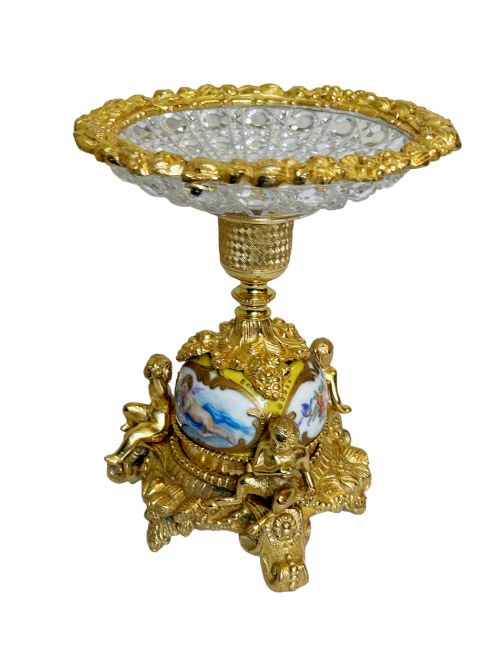
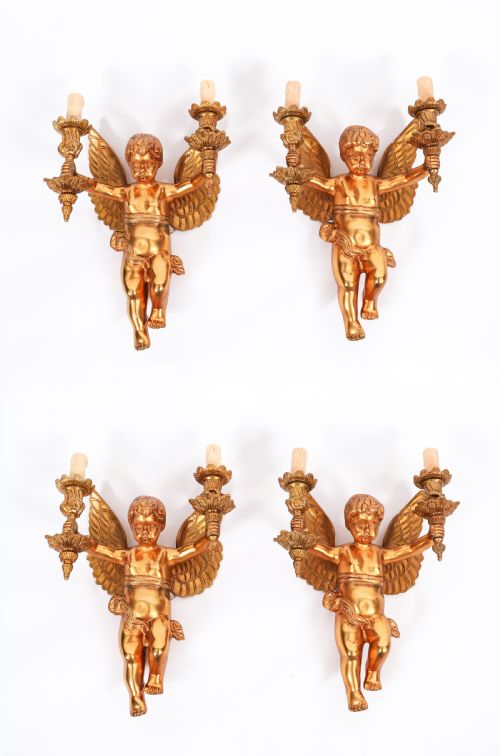
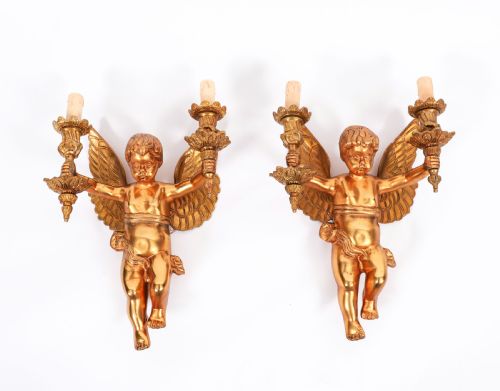
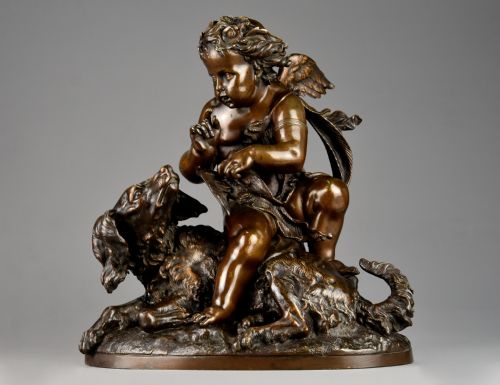
When searching for 19th century bronze putti, buyers encounter winged child figures depicted as cherubs, amorini, or cupids integrated into various decorative objects. These figures appear frequently upon marble bases, atop mantel clocks, flanking candelabra, or standing as independent sculptures.
The selections span different French and Italian schools, drawing on neoclassical, rococo revival, and grand tour aesthetics. Many pieces incorporate functional elements like lamps, inkstands, fire fenders, and wall sconces alongside pure statuary.
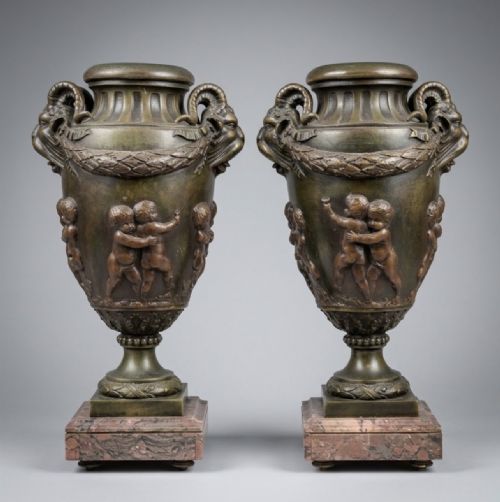
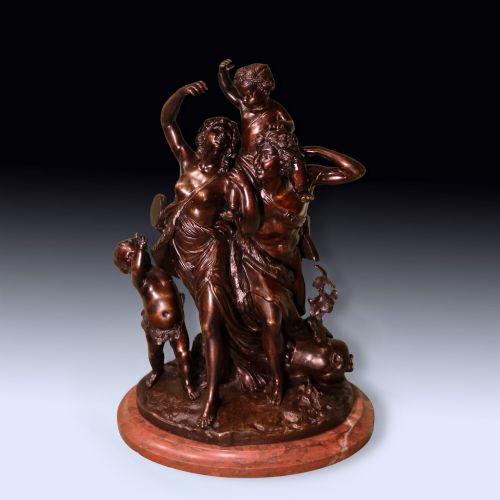
Subjects range from harvest allegories and musical motifs to mythological scenes after sculptors such as Claude Michael Clodion. Most examples originate from nineteenth-century continental foundries and workshops.
Methods and materials of manufacture
Foundries utilised traditional lost-wax or sand-casting techniques to shape the metal before finishing the surface with dark patination, fine gilding, or ormolu highlights. The resulting bronze components often display crisp chiselling and chased details on wings, hair, and drapery.
Many sculptural groups combine cast bronze with contrasting materials such as white or veined marble plinths, porcelain bodies, and cut crystal bowls. Ormolu mounts and gilt bronze details provide structural accents and decorative framing across clocks, candelabra, and urns.
19th Century Bronze Putti Retail Price Guide 2026
Typical asking prices for 19th century bronze putti among the pieces listed under this phrase on Sellingantiques today, from the lower quarter to the upper quarter. They describe what is for sale here now, not the wider market.
Listings feature works in gilt bronze, patinated bronze, and ormolu combined with marble, porcelain, and crystal across various 19th-century styles.
Distinctions in standard and execution
The refinement of the casting and subsequent hand-chiselling separates standard production from superior examples. Sharp definition in facial expressions, feather work on wings, and musculature indicates a skilled hand at the chasing bench.
Integration between the metal figure and its mount determines overall harmony. High-grade pieces feature securely fitted marble bases, well-preserved fire gilding or original patination, and coherent proportions across garnitures and clock sets.
Claude Michael Clodion·Louis Auguste Moreau
The 19th Century Bronze Putti Glossary
- Putto
- A plump, naked male child figure often depicted with wings, frequently seen in classical and Renaissance-revival art. In the plural form putti, these figures form the central motif of numerous nineteenth-century bronzes.
- Ormolu
- Finely ground high-carat gold mercury-gilded onto a bronze object. This technique imparts a rich, durable golden finish characteristic of many French mantel clocks and candelabra.
- Patination
- The surface coloration and texture developed naturally over time or applied artificially by the founder. A dark patinated bronze offers a distinct visual contrast to bright gilt highlights.
- Chenets
- Ornamental fire dogs placed at the hearth to support logs. Nineteenth-century examples often feature cast bronze putti or mythological figures atop decorative scrollwork.
- Grand Tour
- The nineteenth-century practice where wealthy travellers collected classical antiquities and smaller bronze reproductions across Italy and France.
19th Century Bronze Putti: Frequently Asked Questions
What are bronze putti?
Bronze putti are sculptural figures of winged infants cast in metal, popular in nineteenth-century decorative arts as symbols of classical mythology and romance.
They appear across various functional and decorative objects, including table lamps, clock garnitures, candlesticks, and architectural mounts.
How were they used originally?
In nineteenth-century interiors, these pieces served both decorative and practical purposes in formal rooms and salons. They functioned as timekeepers on mantelpieces, illumination sources on desks, and sculptural centerpieces on dining tables.
Many were incorporated into grand hearth furnishings like fire fenders and chenets to display status and taste.
How do I style them at home?
These bronzes integrate well into traditional and eclectic interiors when placed on wooden sideboards, marble mantelpieces, or dedicated display tables. Pairing them with complementary period objects like crystal bowls or porcelain vases highlights their material richness.
Positioning them where natural light catches the gilt or patinated surfaces enhances their sculptural detail.
How do I tell periods apart?
Differentiating periods relies on observing stylistic markers such as neoclassical restraint versus rococo revival asymmetry and elaborate ornamentation. Base materials, casting methods, and mounting styles also help narrow down the decade of production.
Signatures, foundry marks, and historical motifs provide further clues to whether a piece dates from the early nineteenth century or the late Victorian era.