

19th Century Brass Lighting
These pieces of 19th century brass lighting bring warmth and decorative weight to a room through cast metal, gilt bronze and glass.
19th Century Brass Lighting
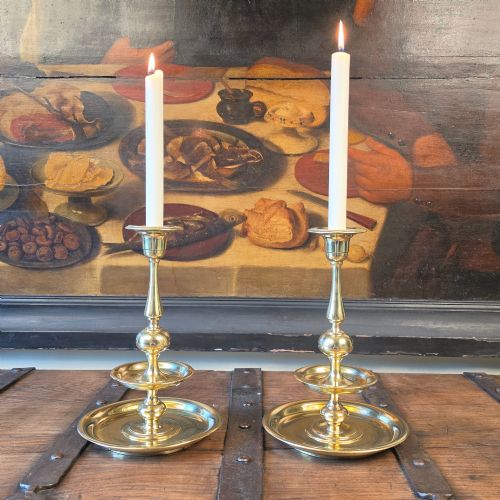
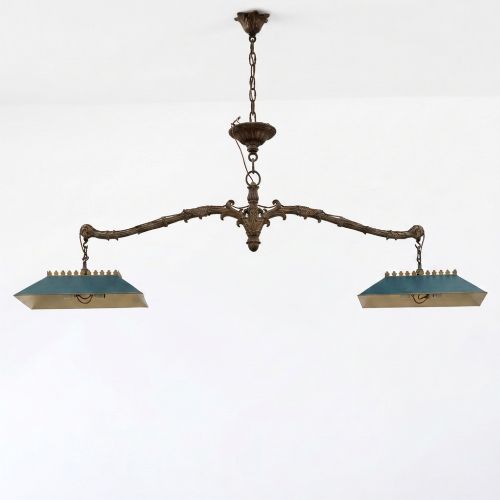
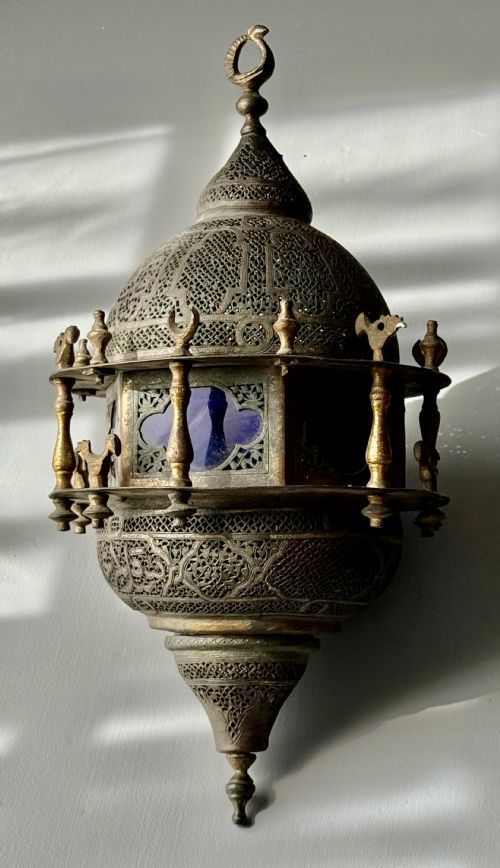
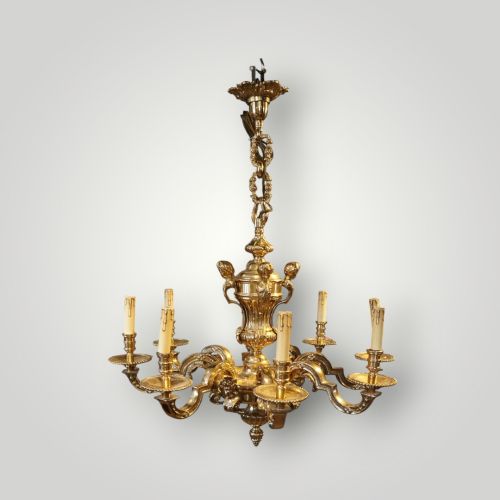
Buyers exploring 19th century brass lighting encounter a diverse array of functional items designed to illuminate interiors through candles, oil or electricity. The selection encompasses table lamps, chandeliers, wall sconces and heavy candlesticks suited to period interiors.
Many pieces reflect distinct stylistic revivals popular during the Victorian era, including French Rococo, Regency, Empire, Neoclassical and Gothic designs. Candlesticks and candelabra frequently feature prominently alongside hanging lanterns and converted oil lamps.
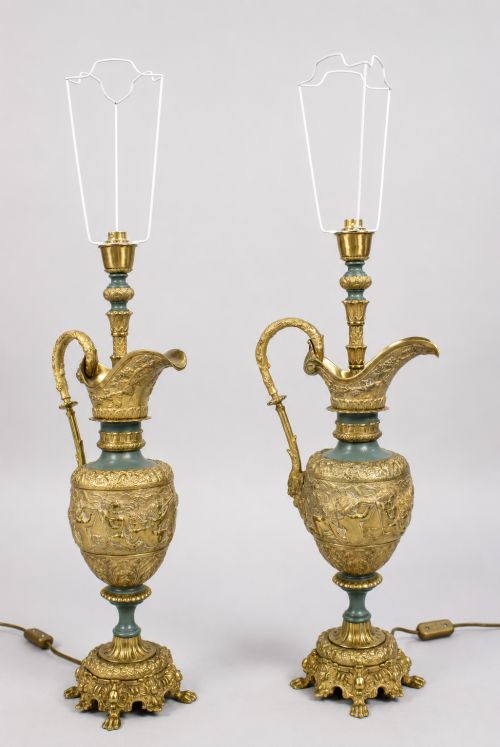
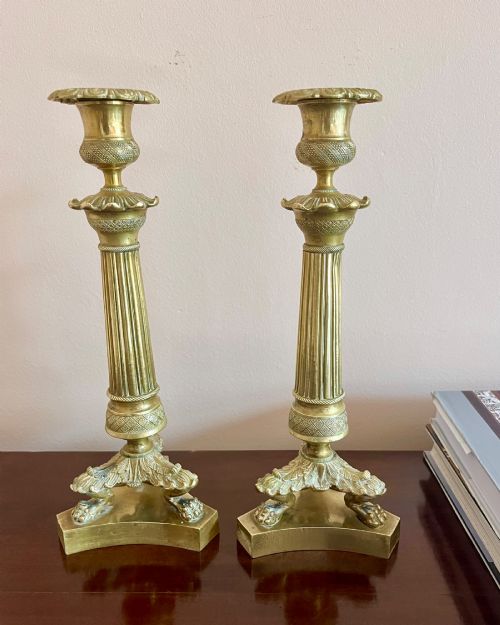
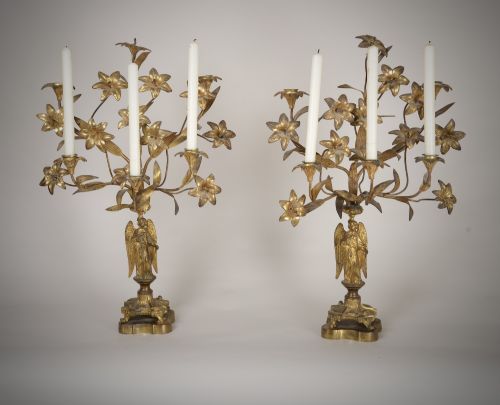
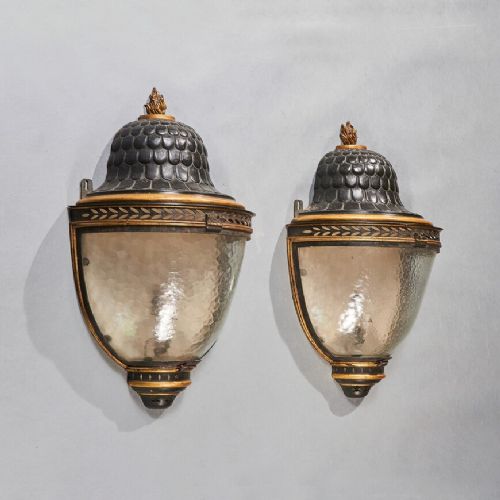
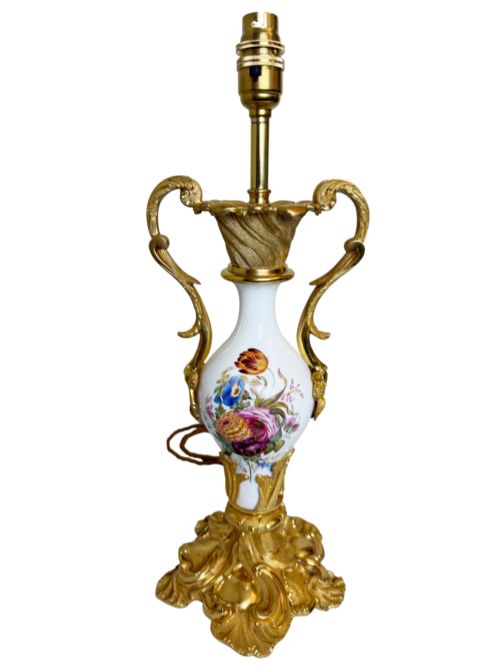
The physical presence of these items relies heavily on cast metalwork combined with porcelain, onyx, glass and gilt bronze. Pairs of candlesticks and multi-armed wall lights appear frequently across the selection.
How they were made
Maker workshops utilised foundational metalworking techniques such as sand casting and repousse work to shape brass, ormolu and bronze components. Detailed chasing and parcel gilding often finished the metal surfaces, creating contrasting textures and highlights.
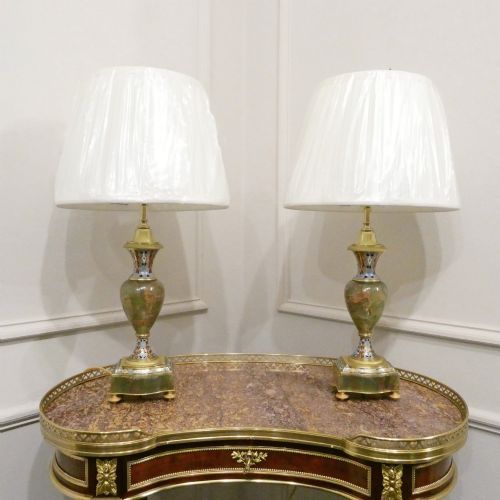
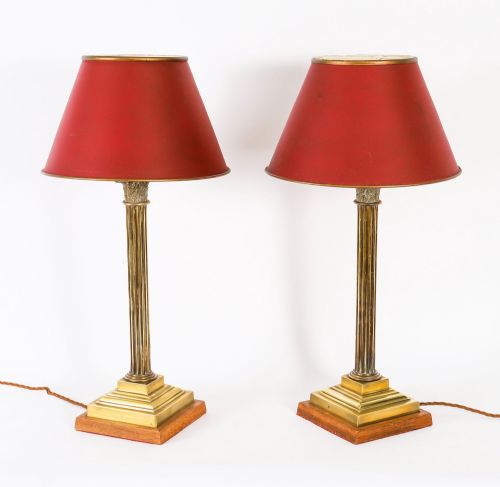
Materials like porcelain, champleve enamel, cut glass and onyx were integrated into the metal frames of lamps and sconces. Fabric shades and painted panels, such as tole peinte, completed the construction of complex hanging lanterns and table lighting.
Listings feature items from the Victorian era alongside pieces dated 1800, 1850, 1870, 1880, 1890 and 1900.
What varies in quality
The standard of 19th century brass lighting depends heavily on the crispness of the casting and the depth of the subsequent hand-chasing. Superior examples display sharply defined ornamentation without softness in the foliage or figural details.
Material integration also dictates overall merit, separating mass-produced items from finely assembled pieces that combine heavy gilt bronze with genuine porcelain, cut glass or stone like onyx. Structural solidity in multi-armed chandeliers and candelabra indicates superior workshop execution.
Bruce Talbert·Villeroy & Boch
The 19th Century Brass Lighting Glossary
- Ormolu
- Gilt bronze applied to decorative hardware and lighting fixtures. This technique involves coating cast bronze with a finely ground gold amalgam.
- Champleve
- An enamelling technique where troughs are dug into a metal surface and filled with vitreous paste before firing. It frequently appears on decorative Victorian table lamps and candlesticks.
- Repousse
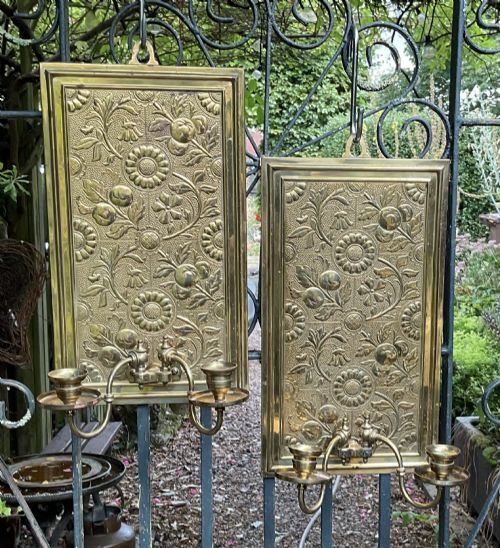
- A metalworking method where thin sheet metal is hammered from the reverse side to form a raised design in relief. Dutch wall sconces often utilise this technique.
- Candelabra
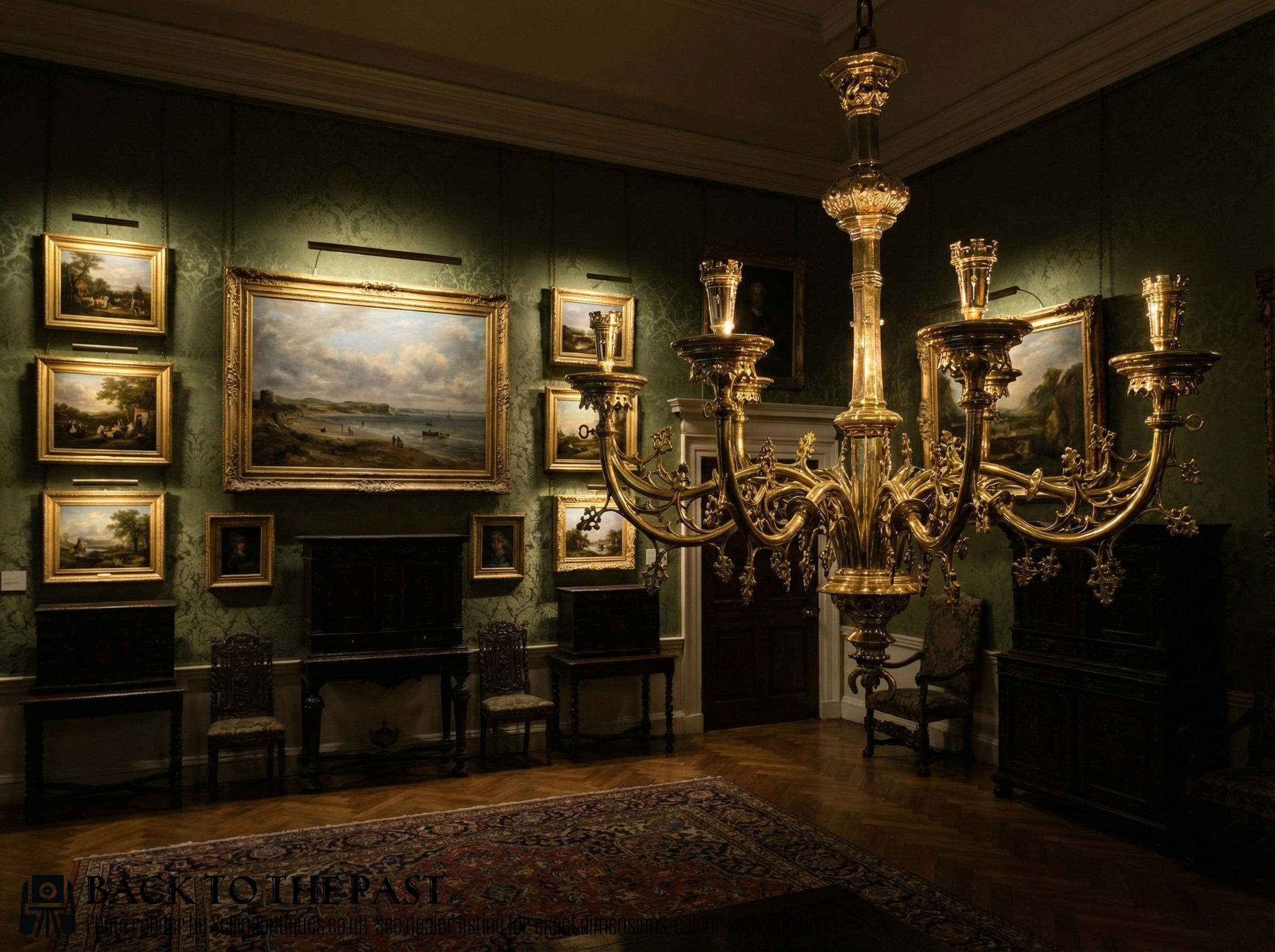
- A branched candlestick designed to hold multiple tapers or candles. These fixtures range in size from small desk accessories to large twenty-five light chandeliers.
- Campana
- A classical vase-shaped candle socket resembling an inverted bell. This form appears frequently on Regency and Victorian candlesticks.
19th Century Brass Lighting: Frequently Asked Questions
How do I clean antique brass lighting?
Maintenance requires gentle dusting with a soft cloth to preserve the accumulated patina over decades. Avoid harsh chemical polishes that strip away original gilt bronze or ormolu surfaces.
For glass and porcelain components, use a damp cloth without touching exposed wiring or aged metal joints. Proper care ensures the structural finish remains intact.
Are these lamps wired for modern electricity?
Many surviving table lamps and chandeliers began as oil lamps, gas fixtures or candle holders before undergoing conversion to electricity. This adaptation allows period forms to function safely in contemporary homes.
Buyers should examine the wiring closely and consult a professional electrician to ensure compliance with current safety standards. Conversions often retain original mounting hardware.
How do I identify French pieces from English ones?
French lighting from this era often exhibits elaborate rococo revival motifs, gilt bronze, champleve enamel and figural sculptural elements. Makers in France frequently utilised high-grade ormolu and complex multi-light arrangements.
English equivalents tend to feature architectural elements such as Corinthian columns, solid brass construction and restrained aesthetic movement designs. Regional weight and casting styles further differentiate origin.
What is the difference between a sconce and a candelabra?
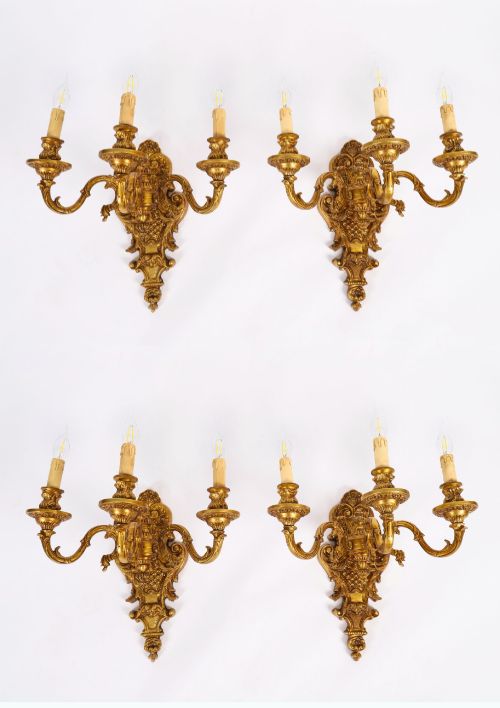
A wall sconce is a fixed lighting fixture mounted directly to a vertical surface, designed to hold candles or electric bulbs. These pieces project outward to cast illumination across a room.
A candelabra is a freestanding branched holder designed for multiple candles, though many examples were later converted into table lamps. Sconces remain wall-bound, whereas candelabra sit upon tables, sideboards or mantels.