

19th Century Brass Light
When a 19th century brass light is chosen for a room, it brings the enduring warmth of cast metal and period illumination into a domestic space.
19th Century Brass Light
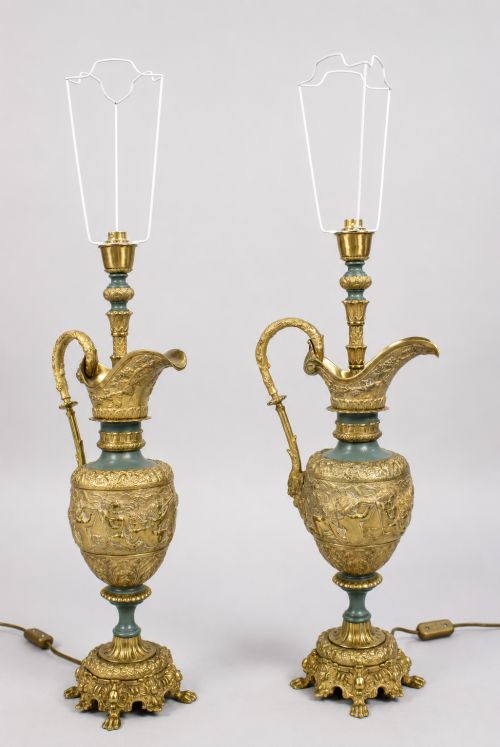
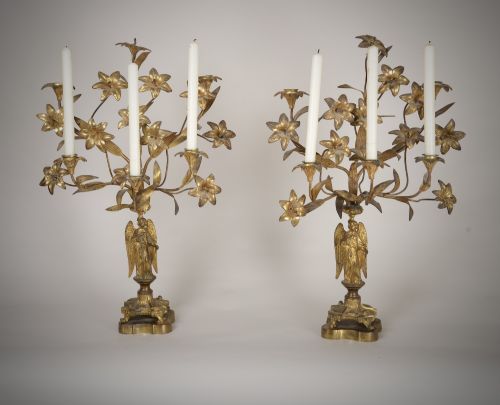
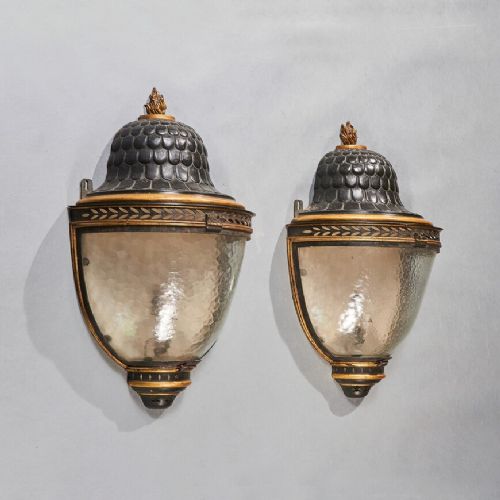
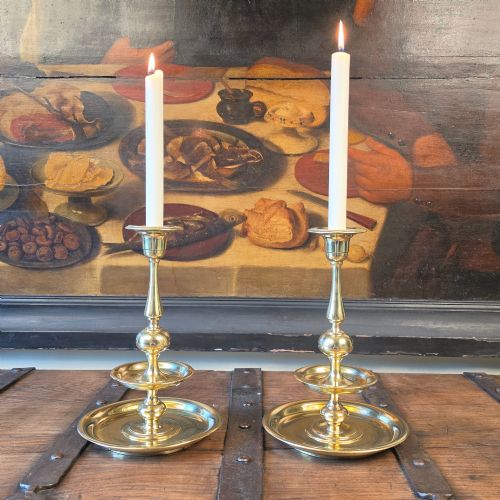
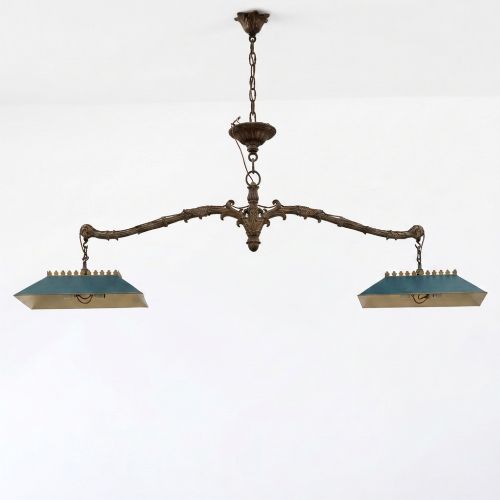
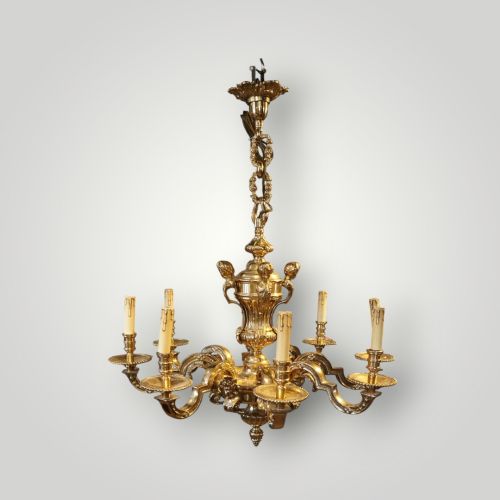
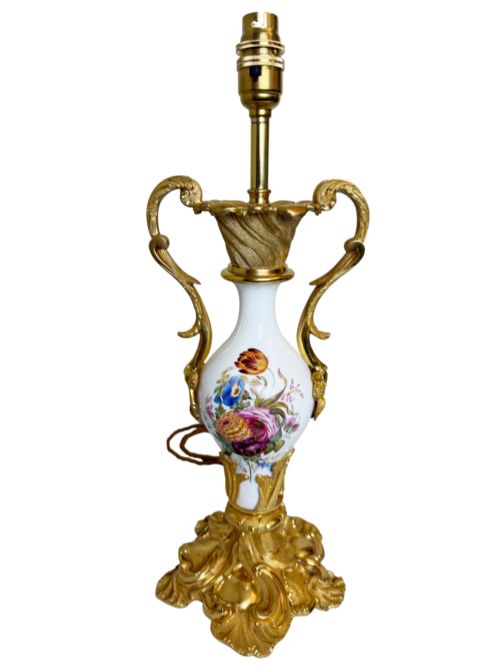
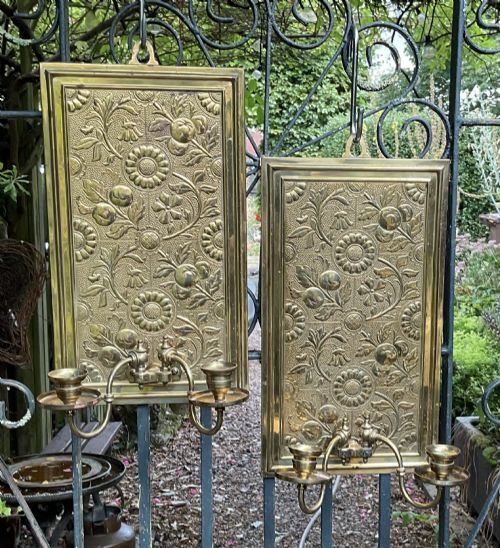
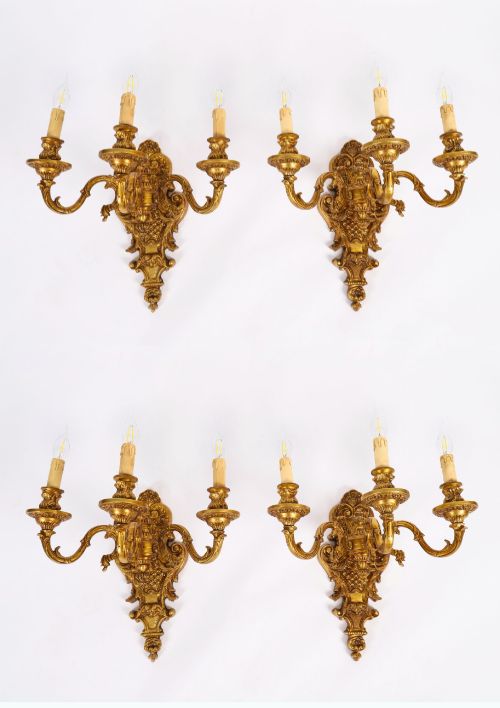
A 19th century brass light encompasses a wide variety of domestic illumination forms spanning wall sconces, heavy table lamps, multi-armed chandeliers, and converted candelabra. The selection relies heavily on French and English craftsmanship from periods like the Victorian era, Regency, and Empire styles, often blending utility with decorative ornamentation.
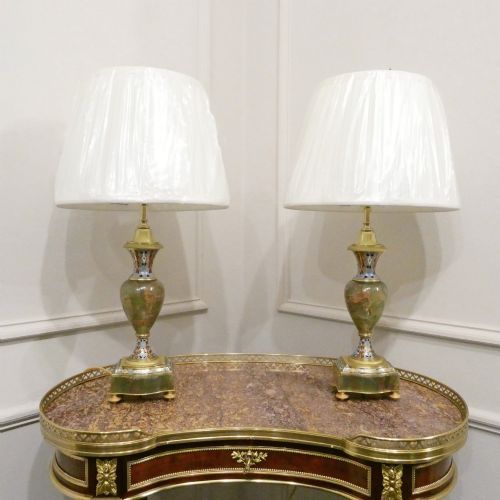
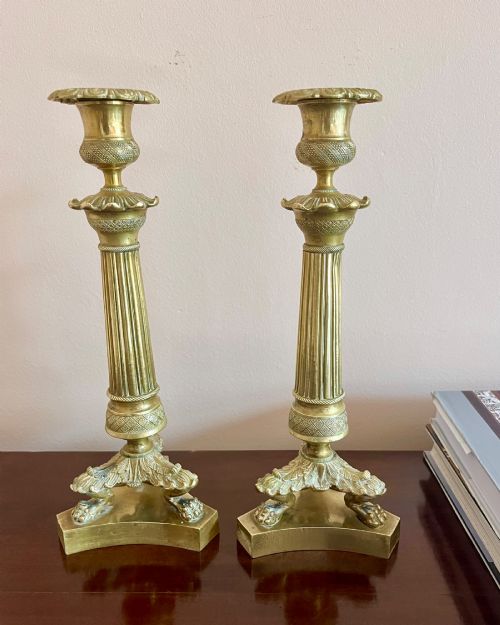
Table lamps and wall lights frequently incorporate mixed media such as porcelain, onyx, and cut glass alongside the primary metalwork. Many functional lighting pieces originate as earlier candlesticks or oil lamps adapted later for electrical wiring while retaining their period mounts and structural form.
Materials and construction methods
Foundry work relied on casting brass, gilt bronze, and ormolu into intricate shapes, sometimes enhanced with hand-chiselling or parcel-gilt highlights. Decorative elements frequently integrated fragile components like hand-painted porcelain inserts, champleve enamel, and structural glass elements.
Assembly methods combined threaded brass components, pinned joints, and decorative mounts such as rams' heads, acanthus leaves, and classical Corinthian columns. Surface finishes ranged from polished gilt bronze to repousse work and patinated metal surfaces.
Squirrels occasionally peek out from cast bronze tree branches on Regency candlesticks, keeping watch over the candles above.
Indicators of superior quality
Superior quality in a 19th century brass light reveals itself in the crispness of the chased details, the weight of the cast metal, and the integration of secondary materials like onyx or porcelain. Better examples demonstrate intentional design coherence, where structural mounts and decorative motifs share a unified stylistic grammar.
The precision of assembly, the thickness of the gilt bronze or ormolu layer, and the delicacy of pierced metalwork or cut glass elements distinguish finer items from standard commercial production. Original components and uncompromised structural integrity further separate the best survivors from heavily altered pieces.
Bruce Talbert·Villeroy and Boch
The 19th Century Brass Light Glossary
- Ormolu
- Gilt bronze produced by applying a finely ground high-carat gold mercury amalgam to a bronze object. This technique gives the metal a deep, warm golden finish characteristic of French luxury items.
- Champleve
- An enamelling technique where troughs or cells are carved into the surface of the metal and filled with vitreous enamel powder before firing. It frequently appears on decorative table lamps and matching candlesticks.
- Repousse
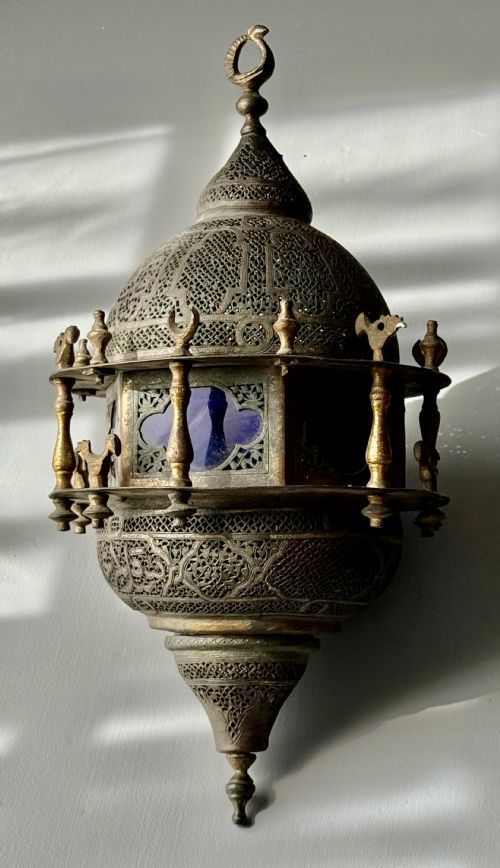
- A metalworking technique where the malleable brass is hammered from the reverse side to form a raised design in relief. It is commonly found on Dutch wall sconces and decorative lanterns.
- Campana
- A vase-shaped lighting sconce or candle socket modelled after classical Roman garden urns. These elements frequently top decorative columns and sculptural candelabra.
- Candelabra
- A branched candlestick designed to hold multiple candles simultaneously. Many examples were subsequently converted to electric table lamps during the twentieth century.
19th Century Brass Light: Frequently Asked Questions
Were these lights originally electrified?
Most lighting fixtures from this era were originally designed for candles, oil, or gas illumination rather than electricity. Surviving examples frequently show evidence of later conversion to modern wiring during the twentieth century.
Buyers often find that fixtures retain their original burners, candle sockets, or weight-adjusting mechanisms even after being adapted for domestic electrical use.
Can heavy chandeliers be hung safely?
Large multi-arm chandeliers made of cast bronze or brass require secure anchoring into ceiling joists rather than standard plaster fixings. Professional installation is essential due to the substantial weight of solid metal frames and cut glass elements.
Weight distribution across multiple branches means the suspension hardware must match the heft of the specific chandelier frame.
What is a Corinthian column lamp?
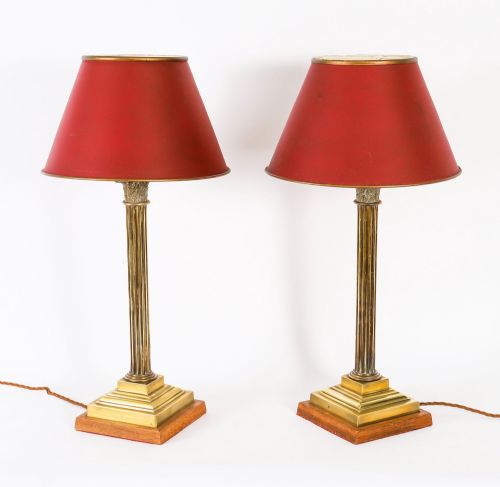
A Corinthian column lamp adapts the classical architectural order into a tall, formal table lamp featuring an elaborate capital decorated with acanthus leaves. These brass standards often rest on stepped square bases and date from the late Victorian period.
They offer a symmetrical, architectural presence that pairs well with traditional studies and formal reception rooms.