
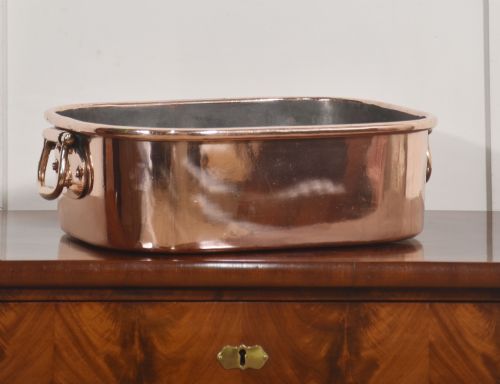


19th Century Brass Kettle
A 19th century brass kettle brings genuine warmth to a fireside, combining utilitarian purpose with heavy metal craftsmanship from the Georgian and Victorian eras.

19th Century Brass Kettle
A 19th century brass kettle encompasses heavy domestic vessels designed for heating water, often accompanied by related items such as copper samovars, coffee pots, and spirit kettles. The selection includes standard kitchen examples alongside more decorative pieces resting on stands or featuring specific stylistic influences like the Aesthetic Movement.
Buyers will most frequently encounter Victorian pieces, particularly copper and brass kettles dating from the middle to late decades of the nineteenth century. These range from simple round forms to elaborate samovars and tea urns, reflecting the domestic habits of the period.
How they were made
These items rely primarily on brass and copper, shaped through traditional metalworking techniques and frequently incorporating materials like wood, ebonised wood, and cane for handles to prevent heat transfer. Tin lining is common on the interior surfaces to ensure practical use with water.
Construction methods visible in the evidence combine sheet metal forming with cast components, particularly for handles, spouts, and the stands associated with spirit kettles.
Among the heavier kitchen vessels, one listing includes a miniature model of a flat tub stove.
What varies in quality
The standard of a 19th century brass kettle is determined by the weight of the metal, the crispness of the forming, and the integrity of the riveted or dovetailed joints. Heavier gauges of brass and copper indicate robust utilitarian production.
Design complexity also marks the range, separating plain utilitarian kitchen vessels from elaborate spirit kettles on dedicated stands and samovars featuring detailed stylistic elements from periods such as the Aesthetic Movement.
The 19th Century Brass Kettle Glossary
- Spirit kettle
- A kettle mounted on a metal stand with an integrated spirit burner underneath to keep the water hot at the table. These often date from the Victorian period.
- Samovar
- A heated metal container traditionally used to boil and heat water for tea, appearing in large scale during the 19th century. They frequently feature spigots and handles.
- Aesthetic Movement
- A late 19th-century design style focusing on visual and artistic qualities rather than narrative or moral function. Pieces from this movement display distinct decorative traits.
- Trivet
- A small metal stand or footman placed near the fire to support a kettle or cooking vessel. Welsh examples in brass and iron are typical of the era.
19th Century Brass Kettle: Frequently Asked Questions
How do I clean an old brass kettle?
Traditional cleaning involves using mild, non-abrasive metal polishes designed for brass and copper to remove tarnish while preserving the underlying metal surface.
Avoid harsh scouring pads that can scratch the vintage finish and remove the character accumulated over the nineteenth century.
Can I still use a vintage spirit kettle?
Many of these pieces remain structurally sound, but checking the interior tin lining is essential before boiling water for consumption.
Spirit burners should be inspected carefully if you intend to ignite them, though many buyers prefer to use these items purely for display.
What is the difference between a kettle and a samovar?
A standard kettle is designed to be lifted and poured, usually featuring a single top-mounted handle.
A samovar is a larger urn equipped with a spigot at the base for dispensing hot water directly into cups.
How do I date a 19th-century brass kettle?
Dating relies on observing manufacturing techniques, such as the transition from hand-beaten construction to machine-rolled sheet brass, alongside stylistic clues from Georgian and Victorian design.
Form, handle attachments, and any maker's marks or registration numbers also help narrow down the decade of production.