




Victorian Water Kettle
These Victorian water kettle examples bring warmth and period character to a room, offering tactile metal surfaces that collectors prize for daily display.
Victorian Water Kettle
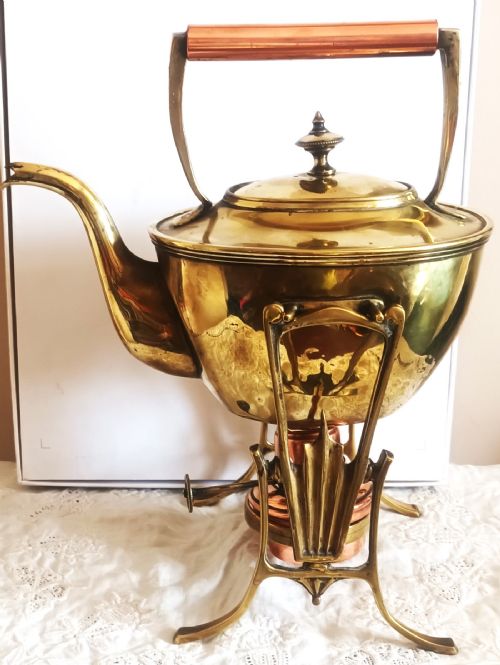
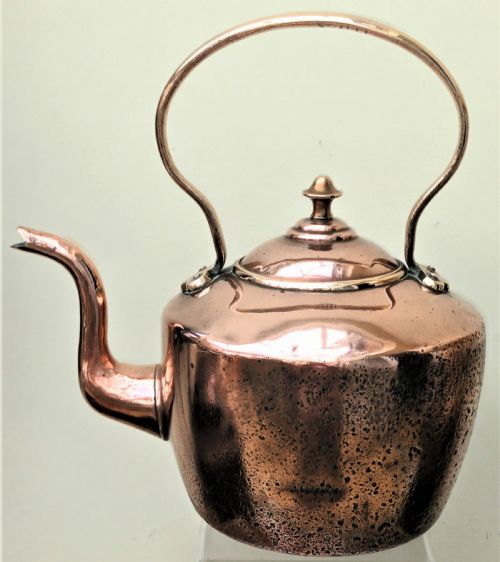
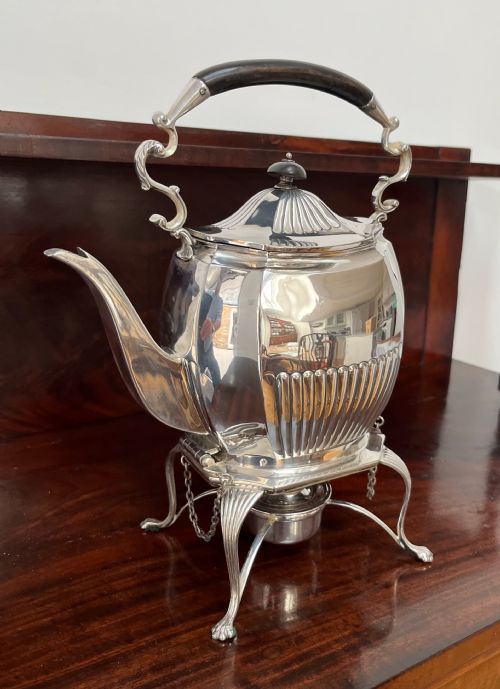
A Victorian water kettle encompasses various utilitarian vessels designed for heating water, including spirit kettles on stands with burners, traditional kettles, and large tea urns or samovars. The pieces seen here span from the mid-nineteenth century into the Edwardian era, reflecting both domestic tea service needs and hospitality rituals of the period.
Copper and brass dominate the selections, often paired with stands, spirit burners, and taps, alongside silver-plated metal variants. You will frequently encounter heavy copper samovars and spirit kettles featuring ebonised wood or bone handles, showcasing the robust craftsmanship typical of nineteenth-century metalwork.
Judging quality and craftsmanship
Substantial weight in the copper or brass body indicates superior gauge metal that resisted dents and retained heat effectively. Finer examples display meticulous finishing at the seams, well-balanced stands, and intact original burners or taps.
The integration of secondary materials like bone or ebonised wood highlights the distinction between standard utility vessels and superior decorative pieces. Maker signatures or stamps add a definitive layer of provenance that elevates certain pieces above unmarked items.
William Soutter And Sons·Walker And Hall·Frederik Ellis Tim And Co
The Victorian Water Kettle Glossary
- Spirit kettle
- A kettle mounted on a metal stand above a small spirit burner used to keep water hot at the table. These assemblies often include matching drip pans and hinged handles.
- Samovar
- A large heated metal container traditionally used to boil and heat water for tea. They typically feature a central vertical pipe and a small spigot or tap at the base.
- Ebonised wood
- Timber treated with a dark stain or finish to imitate ebony. This material was frequently turned for kettle handles and insulating spacers.
- Silver plate
- A thin layer of silver applied to a base metal such as copper or brass. This technique provided the luxurious appearance of solid silver at a lower cost.
- Arts and Crafts
- A design movement prioritising traditional craftsmanship and simple forms. Pieces from this style often feature hand-worked surfaces and honest construction.
Victorian Water Kettle: Frequently Asked Questions
How do I use a spirit kettle?
A spirit kettle sits upon its dedicated metal stand above a small fuel burner filled with methylated spirits. Lighting the burner maintains the temperature of the water already heated inside the vessel.
Most examples are intended for display or gentle domestic use rather than heavy daily boiling. Ensure the burner is stable and extinguish the flame safely after use.
What is the difference between a kettle and a samovar?
A kettle is generally a smaller vessel with a top handle designed for pouring water directly into teapots. A samovar is a much larger container equipped with a tap near the base for dispensing hot water.
Samovars often serve as centrepieces on sideboards, whereas spirit kettles are typically positioned closer to tea service gatherings.
How should I clean antique copper?
Antique copper benefits from gentle dusting and occasional cleaning with a specialist metal polish if you prefer a bright finish. Many collectors choose to preserve the darker patination accumulated over decades.
Avoid harsh abrasive pads that might scratch the surface or remove thin layers of original plating on silver-plated items.
How do I date an antique kettle?
Dating relies upon stylistic cues, manufacturing techniques, and any maker marks stamped into the metal. Mid-nineteenth-century pieces often display heavier hand-formed construction, while later Edwardian examples lean towards refined silver plating.
Comparing the design of the handle insulators, tap mechanisms, and associated stands helps narrow the decade of production.