


19th Century Botanical Watercolours
These 19th century botanical watercolours capture delicate flora and fauna on paper, offering a vivid window into historic natural history observation.
19th Century Botanical Watercolours
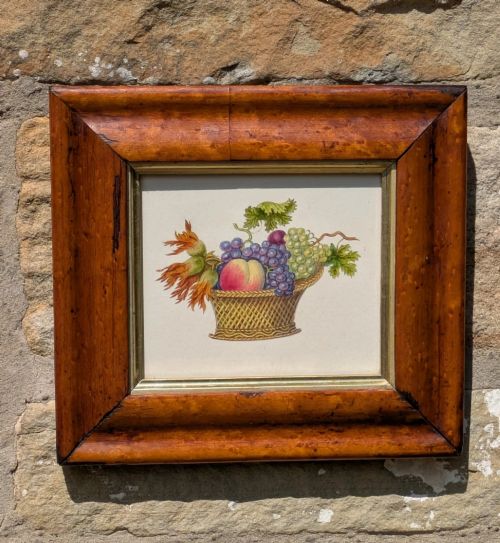
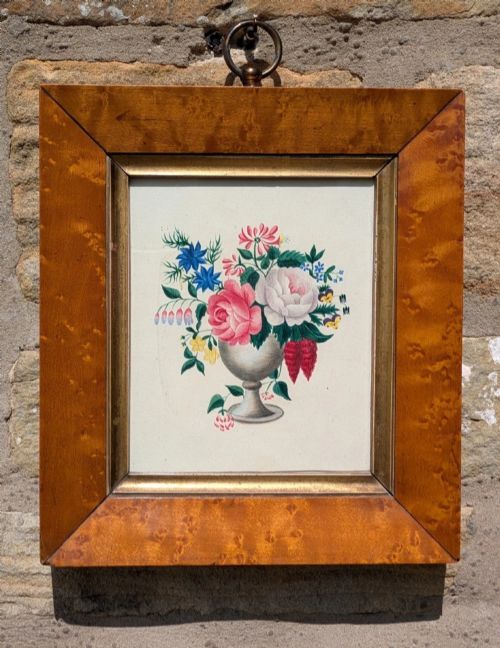
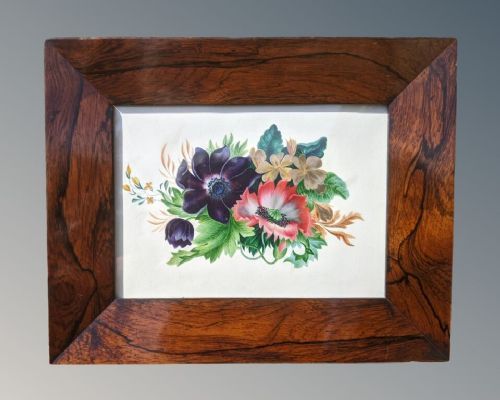
When you search for 19th century botanical watercolours, you encounter framed wall art spanning the Regency and Victorian periods. These pieces range from detailed studies of individual flowers to intricate still lifes featuring fruit and birds.
The selections on this page incorporate works by named English artists alongside pieces from the English School and Chinese export art. Forms include single botanical studies, sets of multiple drawings, and pith paintings.
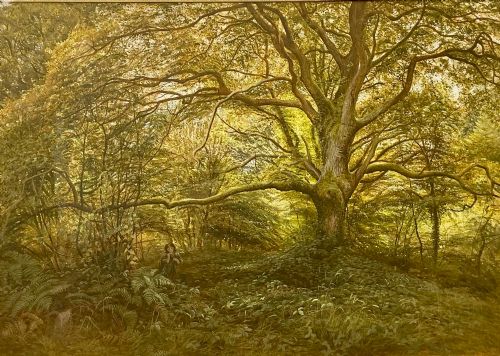
Dating ranges from the early Regency era through to the late Victorian years, encompassing specific decades like the 1850s, 1870s, 1880s, and 1890s. The subjects focus predominantly on flowers, fruit, and natural settings.
Materials and Techniques
These works rely primarily on watercolour paint applied to paper, frequently augmented with gouache and pencil for added depth and fine detail. Some pieces also utilise Chinese export pith paper for delicate floral subjects.
Framing materials reflect the period aesthetic, utilising wood, rosewood, gilded wood, and ornate period frames fitted with glass to protect the fragile media beneath.
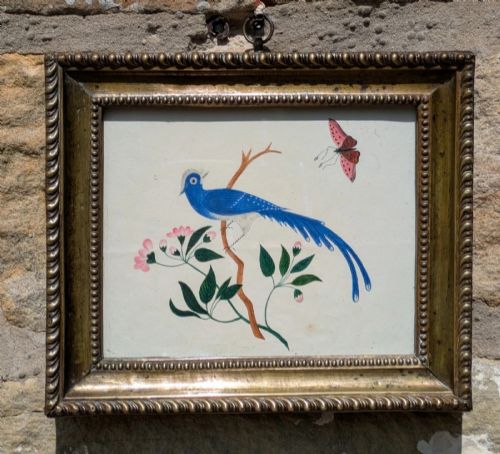
Several watercolours carefully preserve the humble flutter of a blue tit or the quiet surprise of a birds' nest.
Factors of Quality
Quality rests on the precision of the brushwork and the accuracy of the botanical representation. The finest examples demonstrate meticulous control of watercolour and gouache to capture the texture of petals, plumage, and fruit skins.
The provenance and attribution to known period artists elevate certain works above anonymous school pieces. Original framing, such as period rosewood or gilt wood surrounds, also contributes to the integrity of the surviving piece.
Bonomi Edward Warren·John Sherrin·Alice Anne Renshaw·Harry Wanless·Henrietta Creswell·William Andrews Nesfield·William Hough·Grace Hastie·Marian Chase·Arthur Wardle·Annie Mary Youngman·Helen Cordelia Angell·Wiliam Stephen Coleman
The 19th Century Botanical Watercolours Glossary
- Gouache
- An opaque water-based paint often combined with transparent watercolour in these botanical studies to create highlights and solid areas of colour. It provides a heavier, more matte finish than traditional watercolour alone.
- Pith painting
- Artwork created on a delicate porous material made from the pith of the Tetrapanax papyrifer plant, common in Chinese export art of the period. This medium produces a luminous surface quality for floral subjects.
- Regency
- The period in British history preceding the Victorian era, spanning the early nineteenth century. Pieces from this time often exhibit a refined neoclassical elegance in their floral composition.
- Victorian Naturalism
- An artistic movement focused on the faithful observation of the natural world. Works in this style prioritize scientific accuracy alongside aesthetic arrangement.
- Still life
- A painting featuring inanimate subject matter, such as gathered fruit, flowers in vases, or birds' nests on mossy banks. These compositions highlight the abundance of nature.
19th Century Botanical Watercolours: Frequently Asked Questions
How should I display these watercolours safely?
Watercolour pigments on paper are sensitive to direct sunlight and high humidity. Hang them away from bright windows to prevent fading of the delicate botanical colours.
Ensure the framing includes protective glass and a proper mount that keeps the paper from touching the glass directly.
What subjects are typical for these paintings?
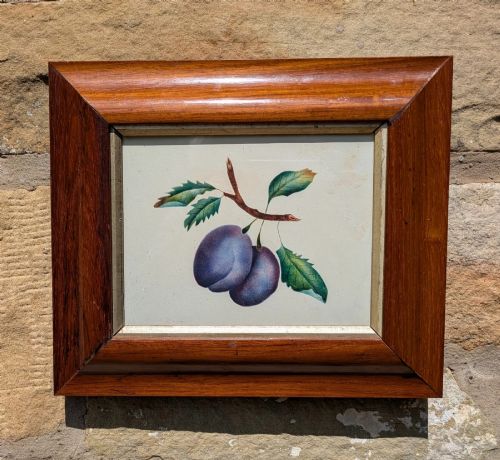
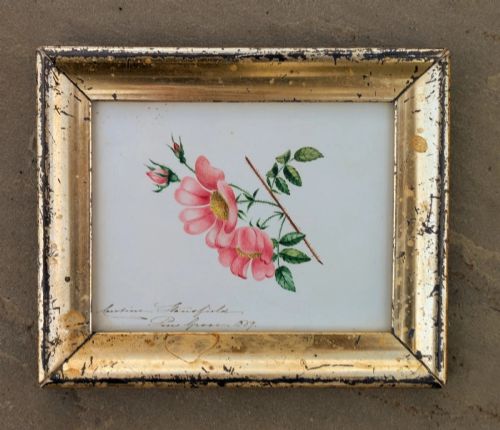
The works commonly depict specific flowers such as roses, fuchsias, pansies, and wallflowers, often arranged alongside fruit like plums, grapes, and strawberries. Birds and botanical settings also feature prominently.
Studies range from single specimen drawings to elaborate still life arrangements and natural history groupings.
How do I distinguish Regency from Victorian pieces?
Regency works date from the early part of the century and generally reflect a lighter, more classical sensibility in their composition. Victorian pieces, spanning the middle to late decades, often show greater detail and realism.
Examining the framing style and any accompanying documentation or signatures helps confirm the specific period.
What is Chinese export art in this context?
Chinese export pieces from the nineteenth century include delicate pith paintings created specifically for Western markets. These works often feature traditional botanical and floral subjects executed on plant-derived material.
They represent cross-cultural artistic exchange during a period of expanding global trade.