
19th Century Bookshelves
These 19th century bookshelves bring warmth and architectural character to a room, offering sturdy housing for collections of volumes.
19th Century Bookshelves
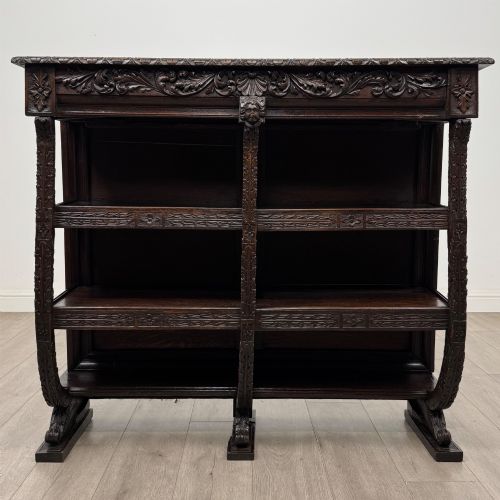
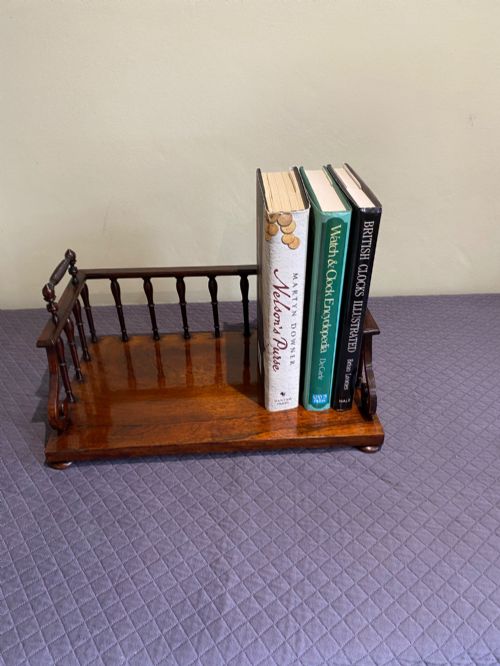
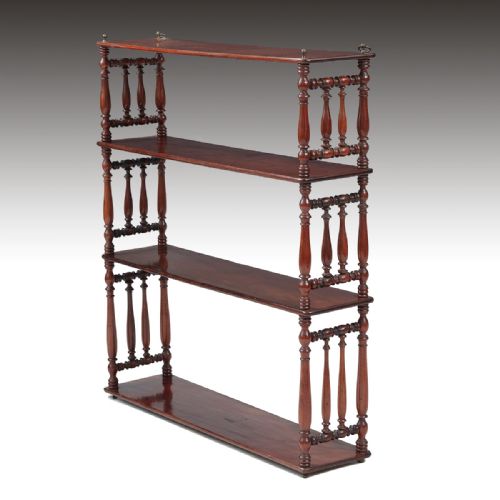
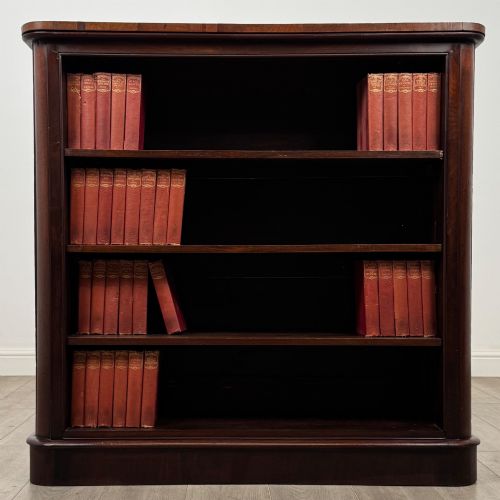
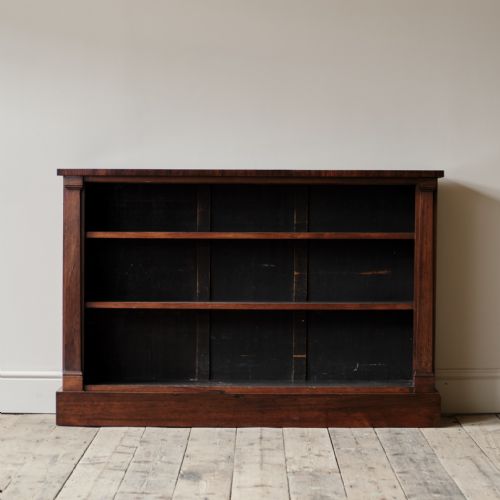
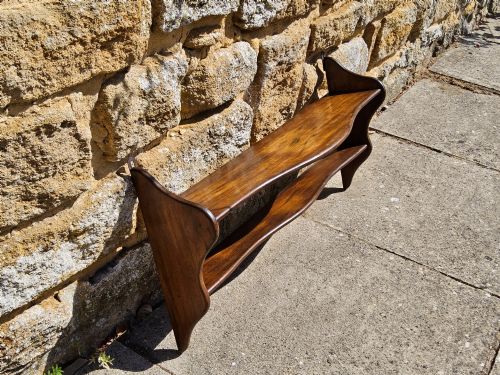
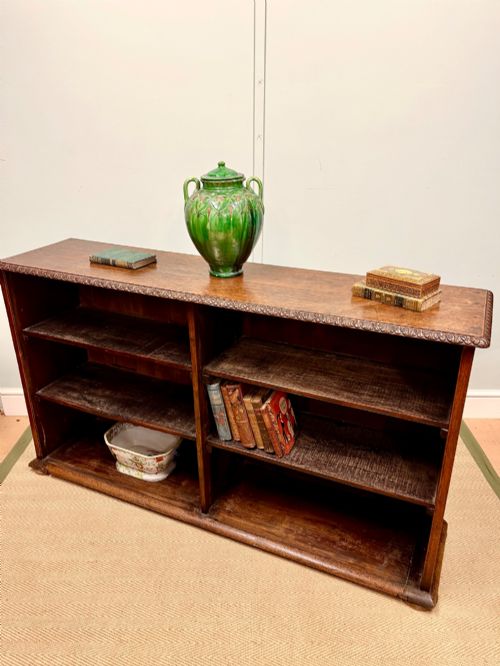
When searching for 19th century bookshelves, collectors encounter a diverse selection of open bookcases, wall shelves, and revolving designs spanning the Victorian and Regency eras. These functional furnishings range from compact hanging wall shelves to large breakfront library bookcases designed to hold substantial private libraries.
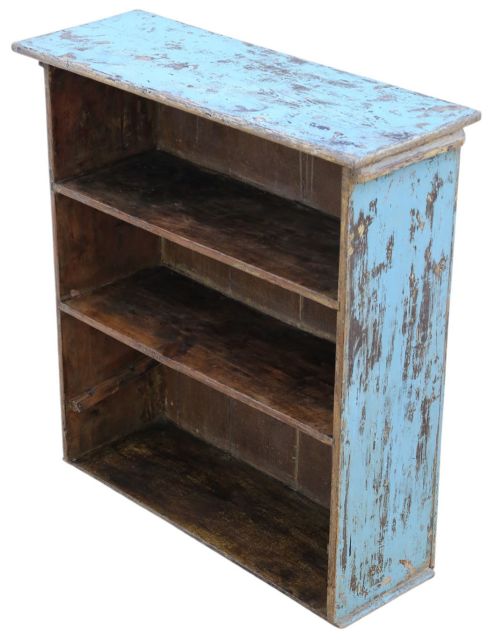
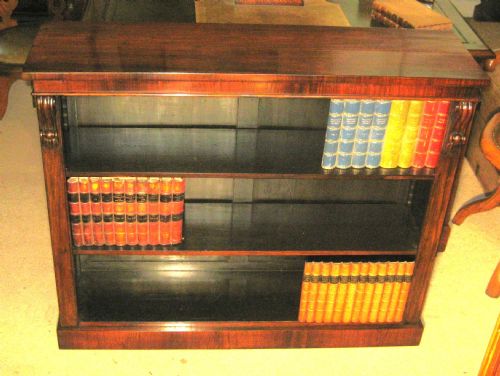
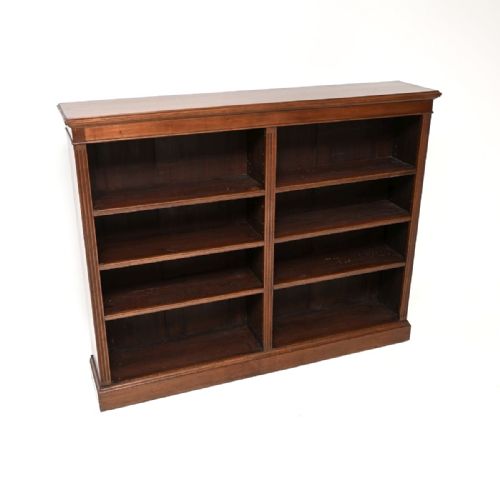
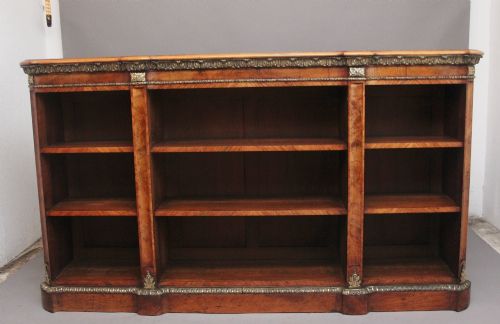
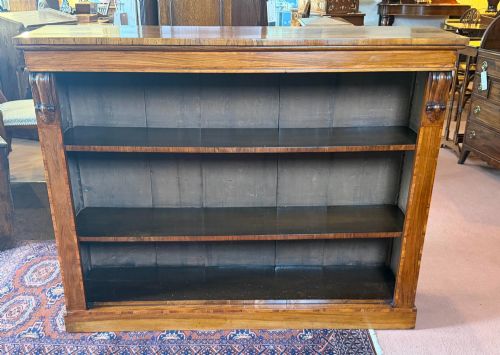
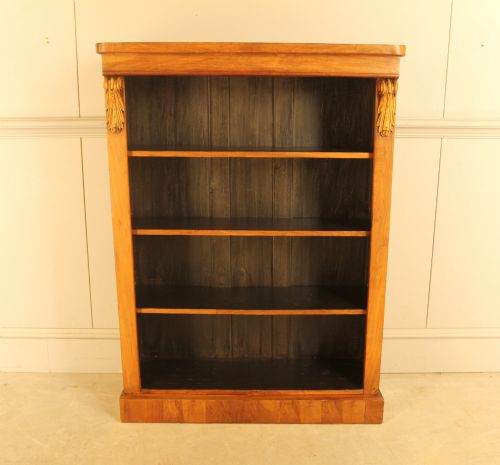
The versions most commonly met on this page are open mahogany and walnut bookcases, often featuring adjustable shelves and low proportions suited to domestic spaces. Pieces appear in various stylistic interpretations, including French Empire style, Gothic influences, and simpler rustic farmhouse forms.
How they were made
Cabinetmakers constructed these shelves using dense hardwoods such as mahogany, walnut, and rosewood, frequently selecting figured burr veneers for decorative emphasis on frontal surfaces. Solid pine and oak appear in utilitarian pieces, while exotic timbers like teak and ebonised woods indicate specialised or continental origins.
Metal mounts in brass and ormolu provide structural accents and decorative trim, particularly on walnut library pieces and French styles. Adjustable shelf mechanisms utilise clever wooden supports or brass pins, allowing owners to customize vertical clearances for different book heights.
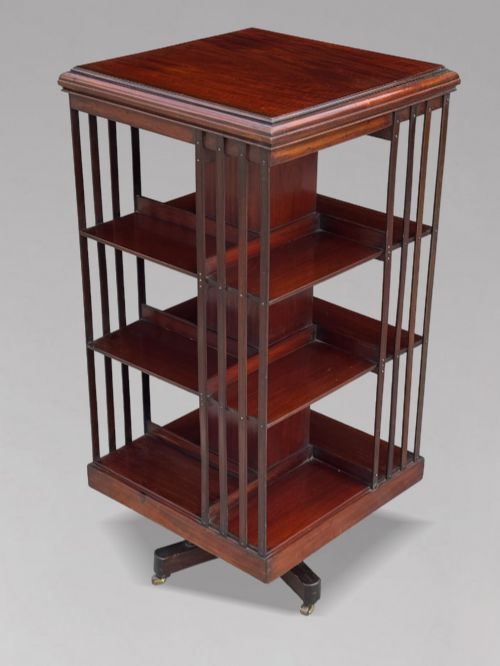
Revolving bookshelves allow readers to spin their entire collection with a single finger while searching for a volume.
What varies in quality
Excellence in these pieces rests upon the selection of timber, the crispness of carved details, and the integration of fine mounts such as ormolu or gilt bronze. Well-proportioned breakfront designs and clever mechanisms in revolving bookcases demonstrate superior workshop competence.
Simpler pine or oak versions rely on honest utility rather than elaborate veneers, where straightforward construction and good timber grain dictate the standing of the piece.
Johnstone and Jeanes·Gillows
The 19th Century Bookshelves Glossary
- Breakfront
- A cabinet or bookcase whose central section projects forward from the flanking sections. This configuration adds architectural depth to large library pieces.
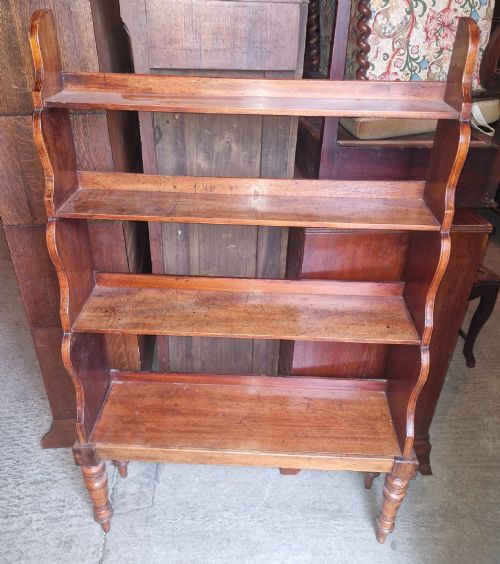
- Waterfall bookcase
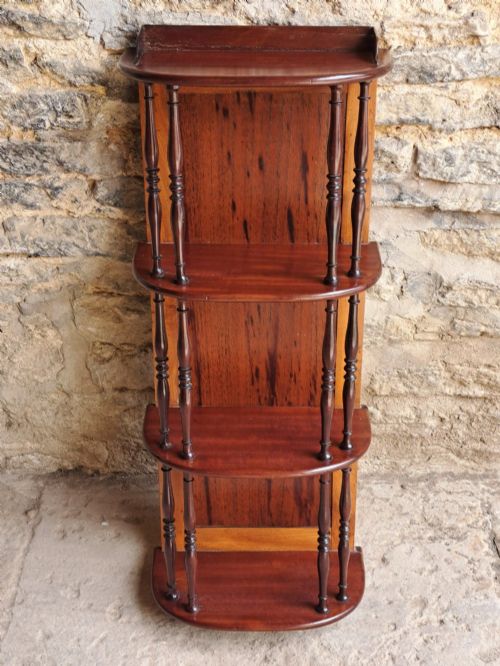
- A set of open shelves stepped back in successive tiers from bottom to top, often constructed in mahogany or rosewood. The graduated profile resembles falling water.
- Ormolu
- Gilt-bronze mounts applied as decorative ornaments to furniture surfaces. It appears frequently on walnut and rosewood pieces from the period.
- Revolving bookcase
- A small, rotating set of bookshelves designed to sit on a tabletop or floor. These items turn easily on a central pivot to allow access to volumes from any angle.
- Whatnot
- A piece of freestanding furniture consisting of several open shelves for displaying books or small objects. They often feature corner designs or slender supporting uprights.
19th Century Bookshelves: Frequently Asked Questions
What rooms suit 19th century bookshelves?
These versatile furnishings fit comfortably into studies, living rooms, and bedrooms, providing practical storage for modern reading collections.
Compact wall shelves and low open bookcases adapt particularly well to spaces where floor area is limited.
How do I adjust the shelves?
Many period bookcases feature adjustable wooden ratchets or brass shelf studs that allow individual shelves to be moved up or down.
Carefully support the shelf board while shifting the supporting pins into alternative slots within the interior walls.
Are revolving bookcases stable?
Quality revolving models rest on sturdy internal pivot mechanisms designed to distribute weight evenly as the unit turns.
Placing heavier folios on the lower tiers maintains proper balance during rotation.
How do I identify a Regency bookcase?
Regency pieces often display classical restraint, featuring dark mahogany or rosewood timbers and restrained brass inlay or waterfall profiles.
Cabinetry from this period frequently dates between eighteen-ten and eighteen-thirty.