



19th Century Bookshelf
A 19th century bookshelf brings structured warmth and functional display space to a room, holding centuries of paper with timeless architectural presence.
19th Century Bookshelf
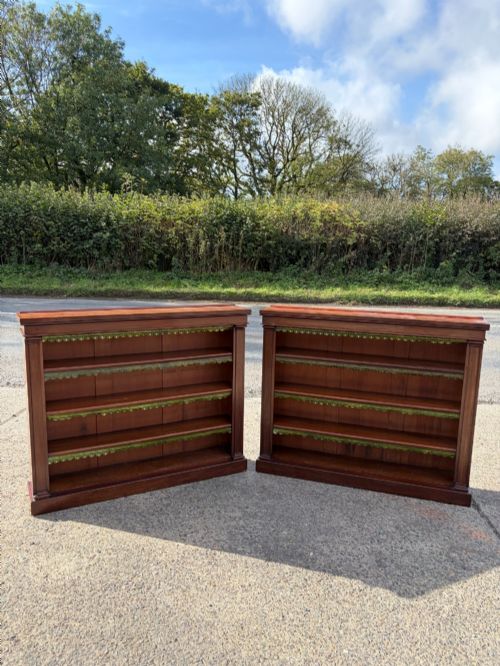
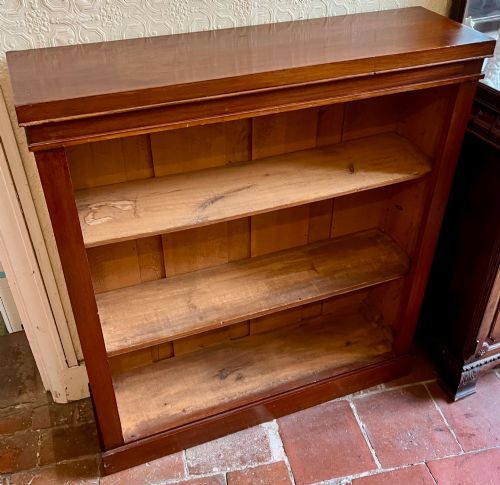
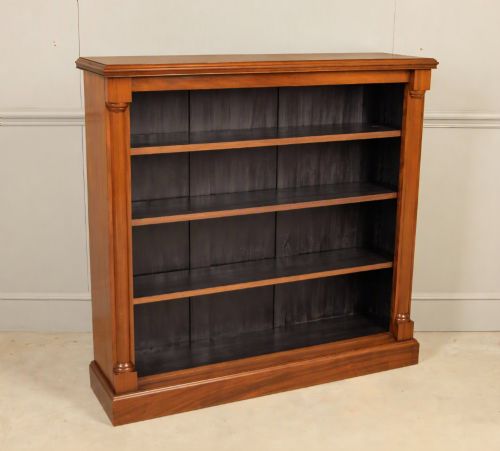
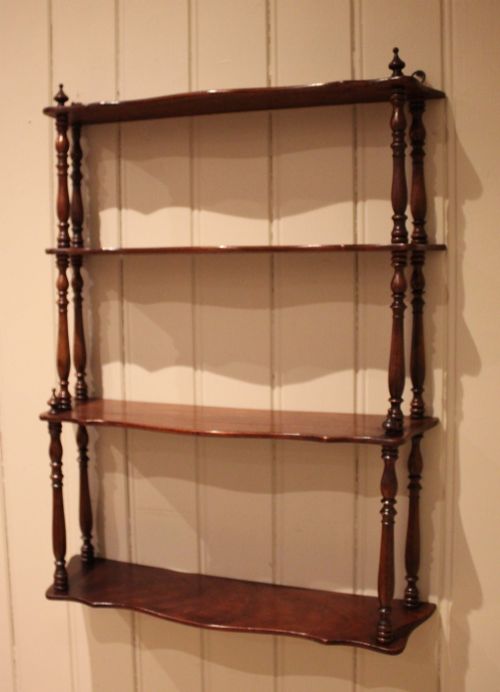
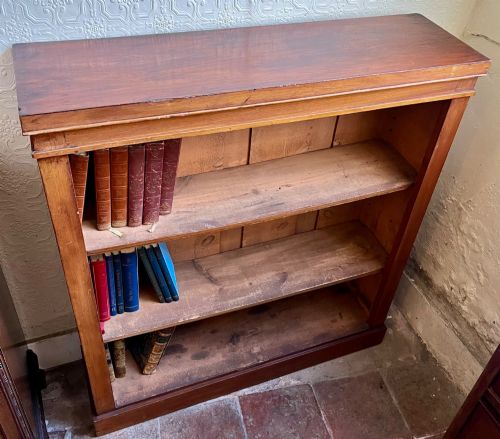
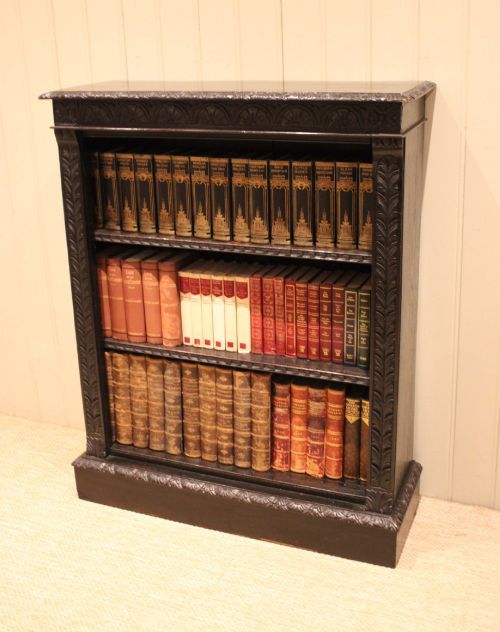
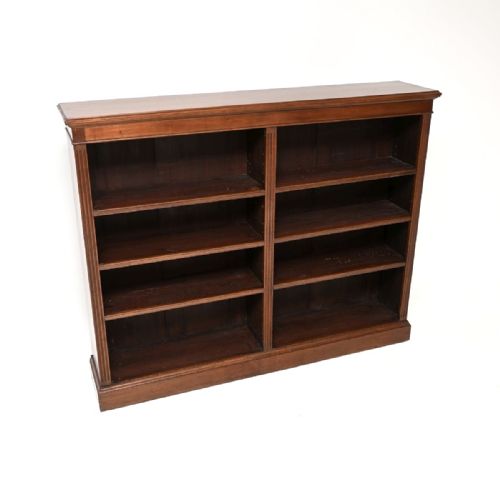
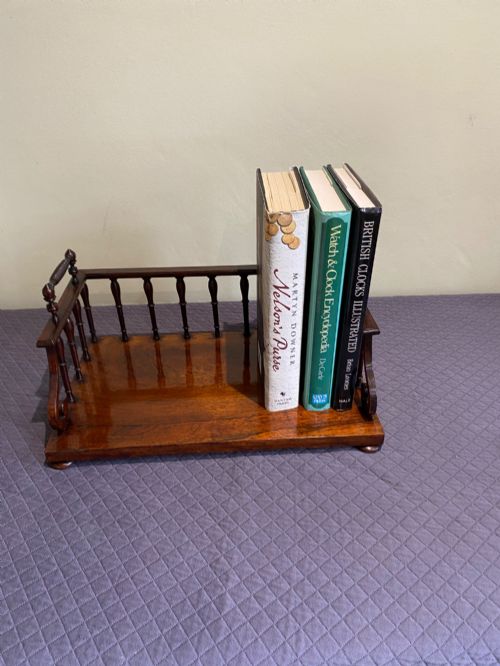
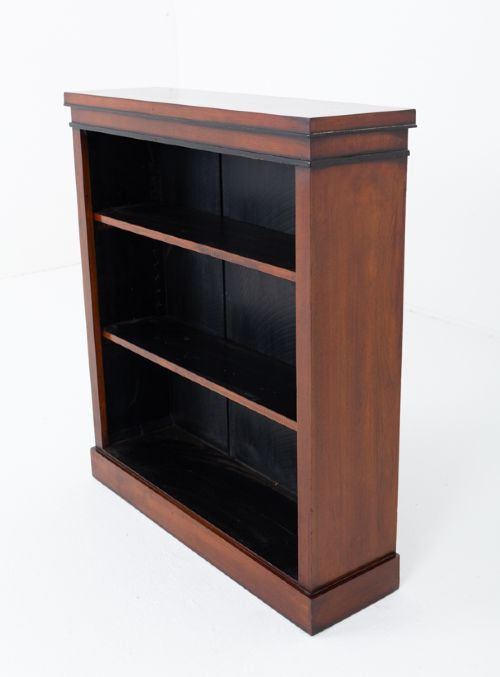
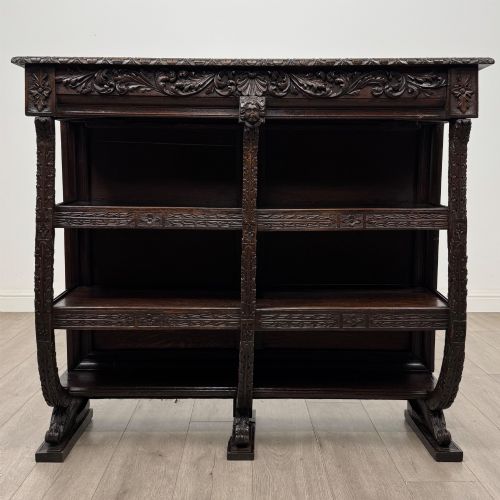
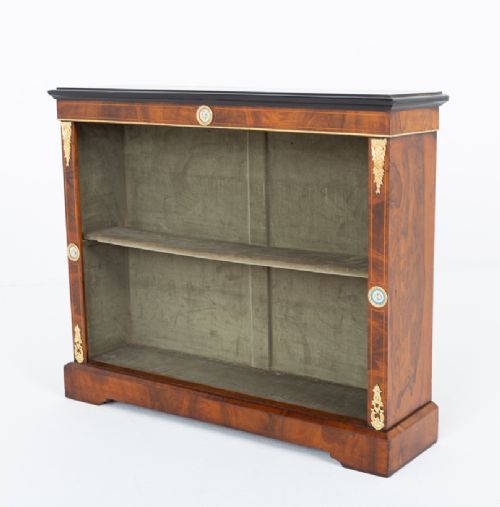
A 19th century bookshelf encompasses open libraries, hanging wall shelves, and low display cabinets designed to hold and showcase volumes. The selection frequently centres on mahogany and walnut open bookcases originating from the Victorian and Regency eras.
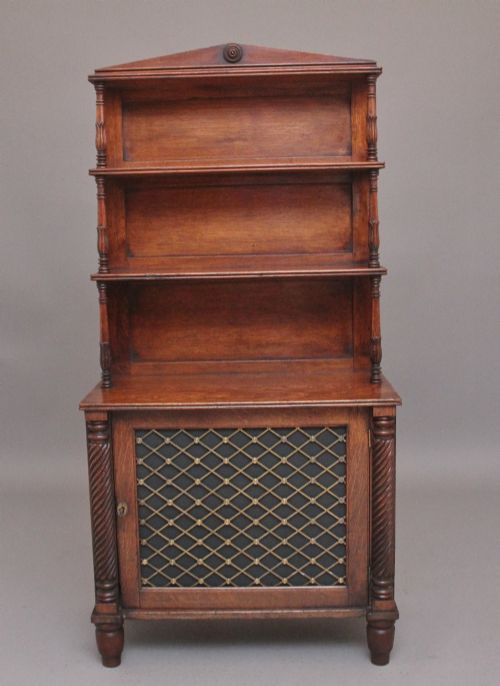
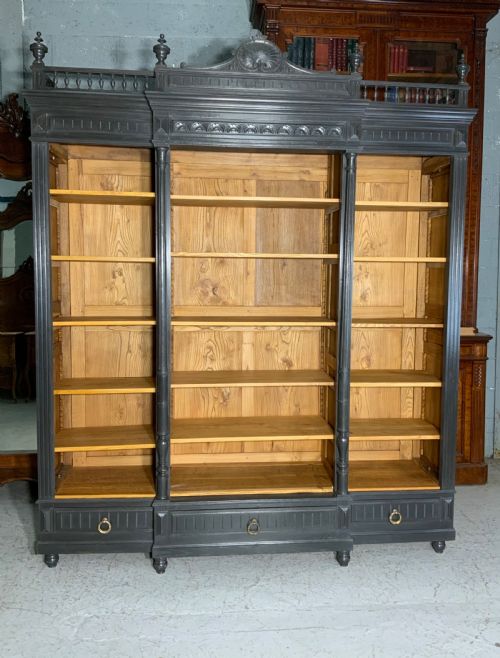
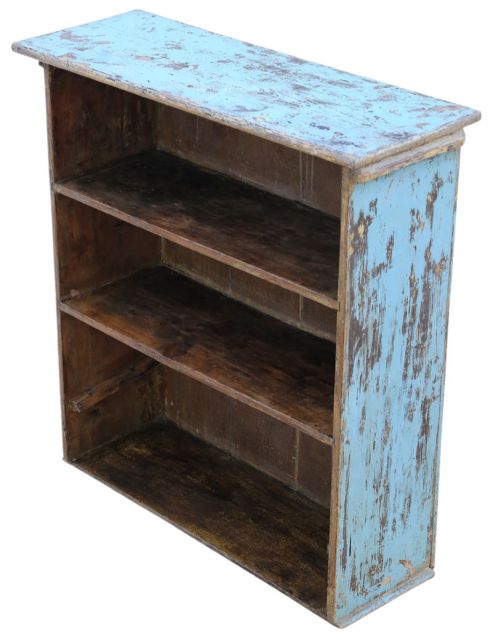
Buyers encounter both freestanding waterfall designs with graduating tiers and substantial breakfront pieces suited for larger rooms. Simpler forms include pine wall shelves and rustic farmhouse variations alongside compact revolving versions.
How they were made
Cabinet makers utilised dense hardwoods including mahogany, rosewood, and walnut, often selecting figured burr veneers for decorative effect on prominent surfaces. Solid oak and pine provide the structural carcass for heavier library pieces and simpler wall-mounted iterations.
Metal mounts in brass and ormolu add structural and visual contrast to walnut and rosewood bodies. Carved details define the stylistic flourishes of the period, from Regency restraint to heavy Victorian embellishment.
19th Century Bookshelf Retail Price Guide 2026
Typical asking prices for 19th century bookshelf among the pieces listed under this phrase on Sellingantiques today, from the lower quarter to the upper quarter. They describe what is for sale here now, not the wider market.
Listings feature woods spanning mahogany, walnut, rosewood, and pine across Victorian, Regency, and William IV periods.
What varies in quality
Construction methods determine durability, separating mass-produced workshop items from superior cabinet work with solid timber backs and precision joinery. The selection of timber grain, particularly matched burr walnut and figured mahogany veneers, indicates the maker's original investment in the piece.
Hardware integrity and the presence of working adjustable shelf mechanisms distinguish finer examples from standard utilitarian furniture. Original surface patination and restrained carving elevate the visual merit of the finished bookcase.
Johnstone and Jeanes
The 19th Century Bookshelf Glossary
- Waterfall bookcase
- A tiered shelving unit where each ascending shelf is narrower than the one below, creating a stepped profile.
- Breakfront
- A large cabinet design where the central section projects forward from the flanking wings.
- Ormolu
- Gilded bronze applied as decorative mounts and mounts on fine nineteenth-century cabinet work.
- Burr walnut
- Timber sliced from walnut tree growths, yielding intricate, swirling grain patterns highly prized for cabinet fronts.
19th Century Bookshelf: Frequently Asked Questions
How do I secure wall shelves safely?
Hanging shelves require proper wall fixings matched to the masonry or studwork supporting the timber weight.
Distributing books evenly across the tiers prevents undue strain on the original hanging brackets and mounting points.
Are shelves usually adjustable on these?
Many nineteenth-century library bookcases and open shelving units feature movable shelves supported on wooden ratchets or metal pegs.
Fixed shelves remain common in smaller wall units and specific regional furniture types.
How do I care for rosewood surfaces?
Rosewood benefits from occasional waxing with traditional beeswax to maintain the natural lustre of the dense grain.
Keep these timber pieces away from direct heat sources and strong sunlight to prevent the wood from drying out.
What distinguishes Regency from Victorian styles?
Regency pieces often display cleaner classical lines, lighter proportions, and restrained brass inlay inspired by antique precedents.
Victorian furniture tends toward heavier proportions, darker woods, and more pronounced carving or applied ornamentation.