
19th Century Bookcase Cupboard
A 19th century bookcase cupboard combines upper display shelving with lower enclosed storage, offering a practical solution for housing books and household objects.
19th Century Bookcase Cupboard
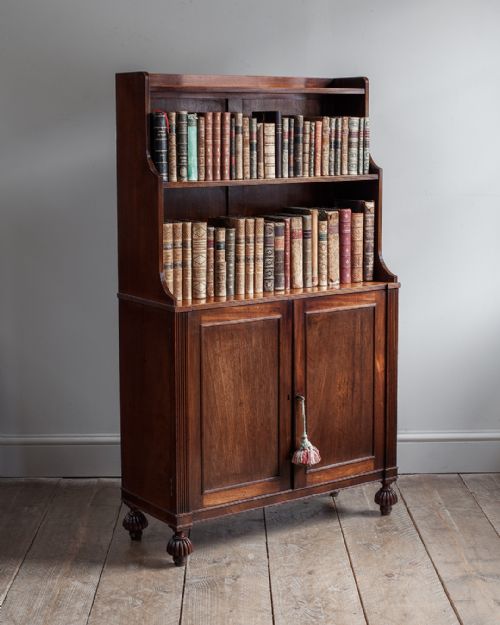
A 19th century bookcase cupboard unites a glazed upper section for books or display with a solid wooden cupboard base, serving both library and storage functions. These pieces emerge across the Georgian, Regency, and Victorian periods, reflecting shifting domestic interiors and furniture designs.
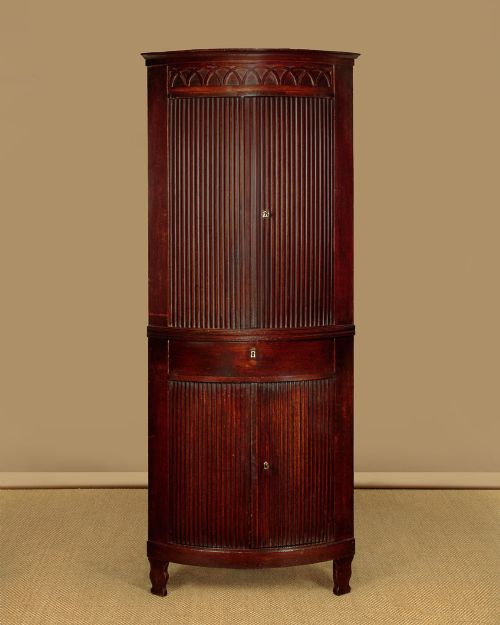
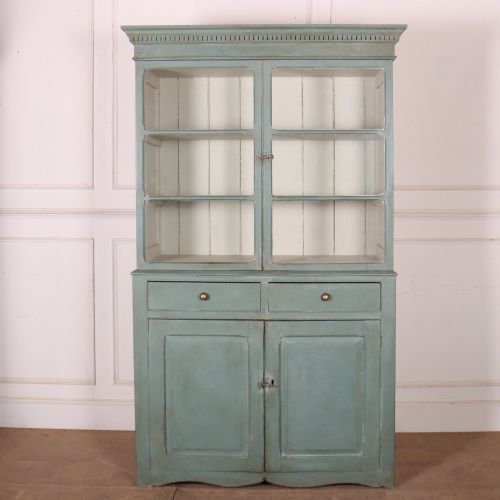
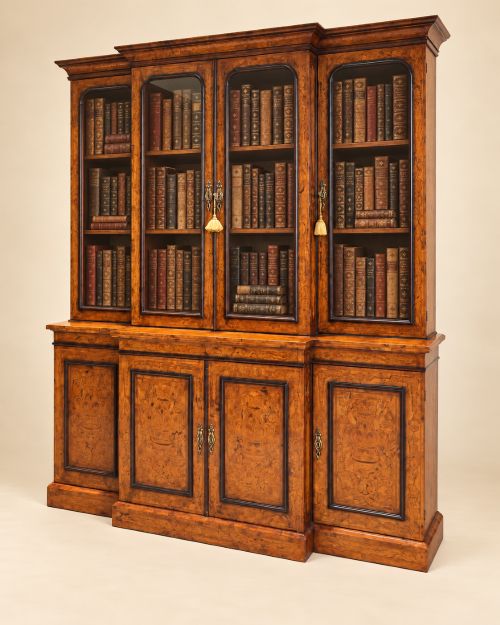
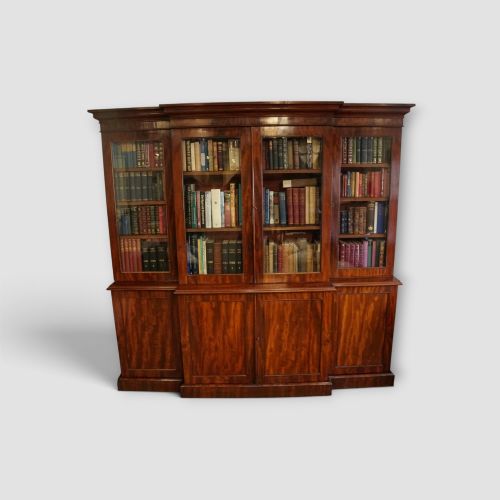
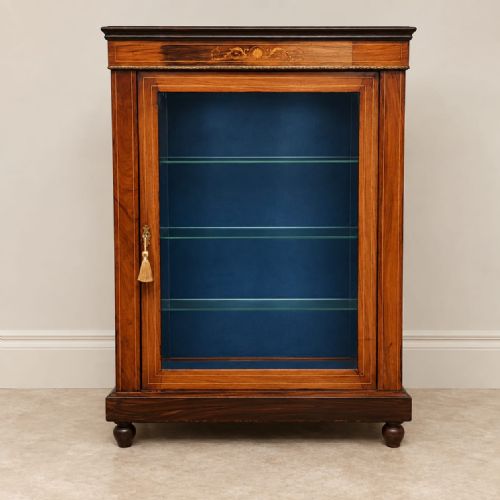
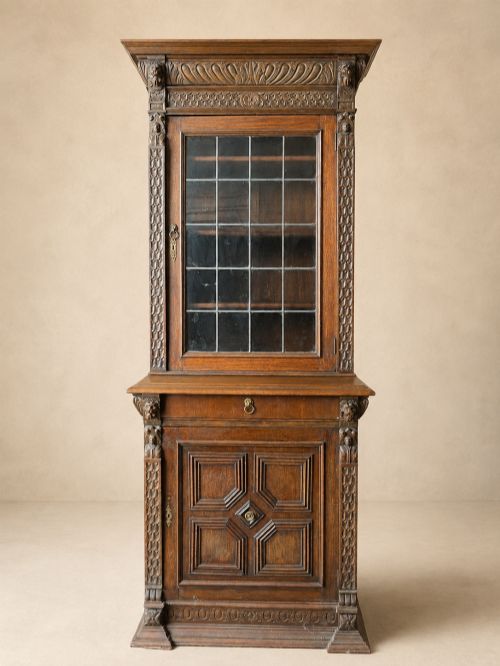
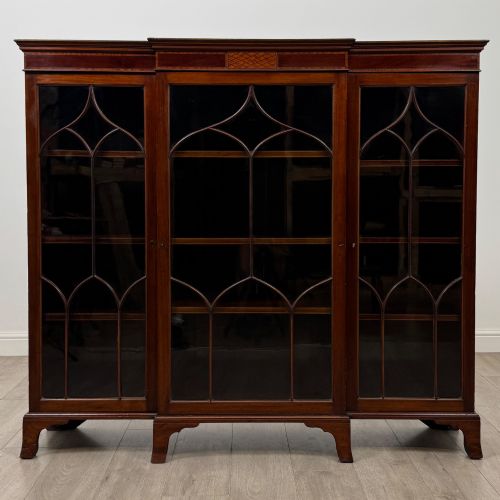
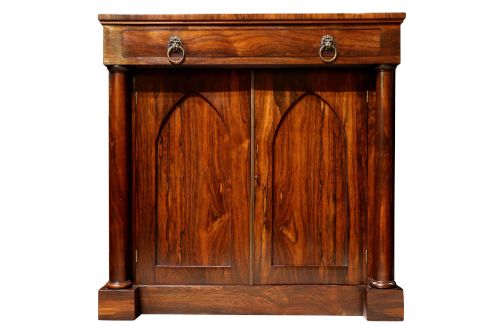
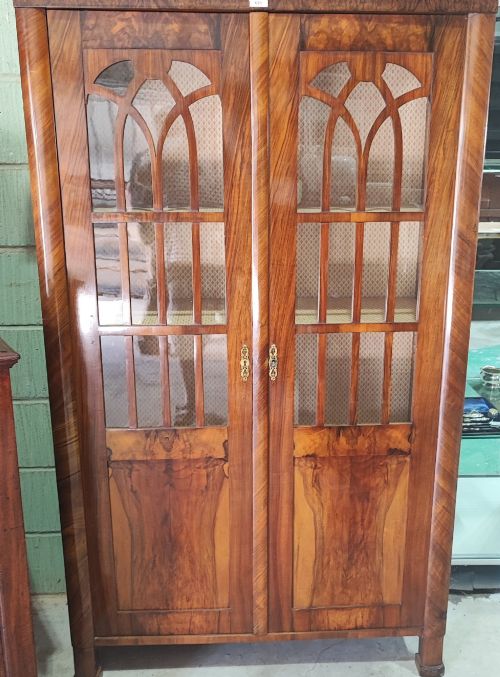
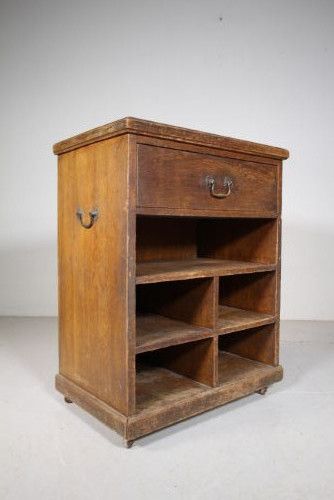
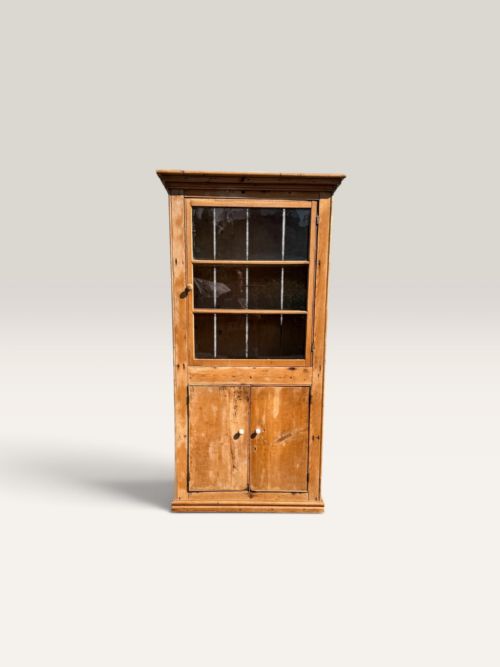
The most common examples on this page are constructed in mahogany or oak, featuring two doors to the lower cupboard and glass panes above. Alongside standard upright library formats, variations include breakfront profiles, narrow corner units, and lower chiffonier styles.
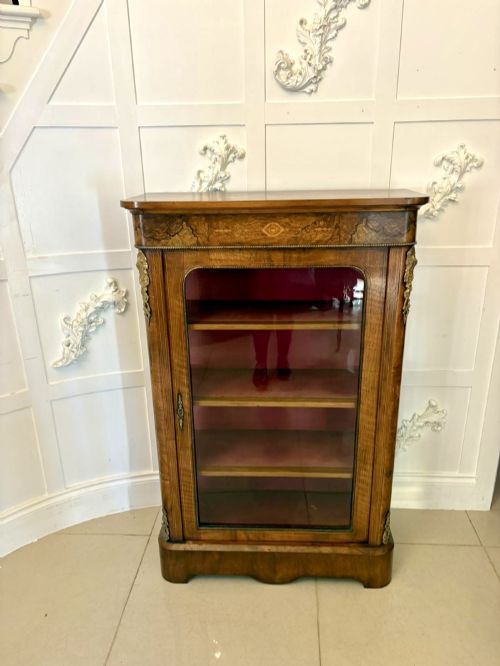
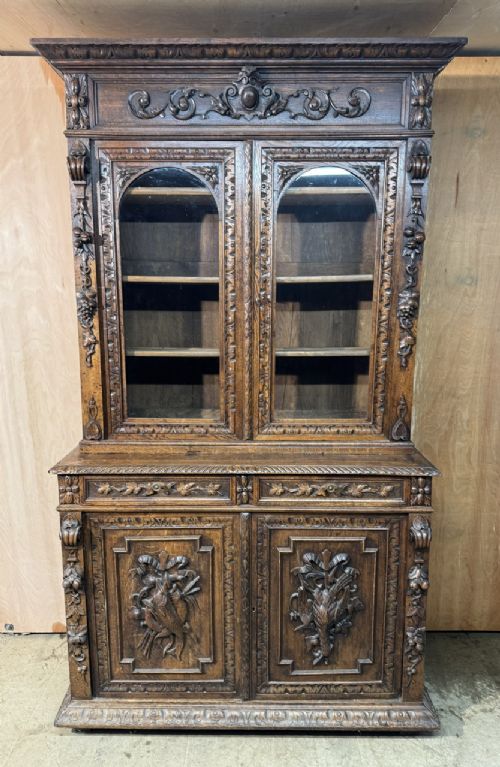
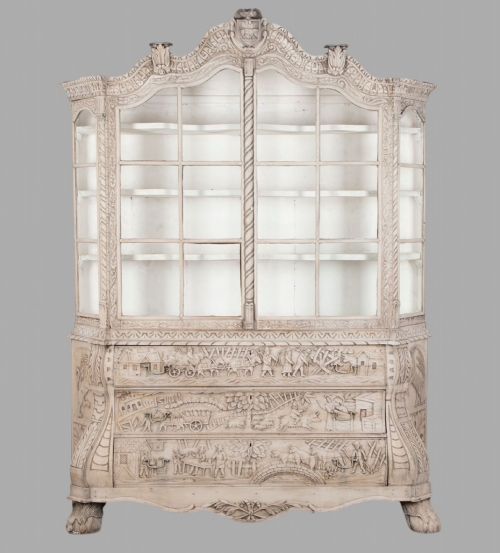
Originating from English, French, and Dutch workshops, these items often display regional cabinetmaking traits such as Gothic panelling or inlaid veneers. Buyers select them to bring traditional storage and period character into contemporary rooms.
Materials and construction methods
Makers relied primarily on timbers like mahogany, walnut, and oak, frequently selecting figured veneer grains for prominent door panels and drawer fronts. Secondary woods such as pine appear on interior shelves and carcases.
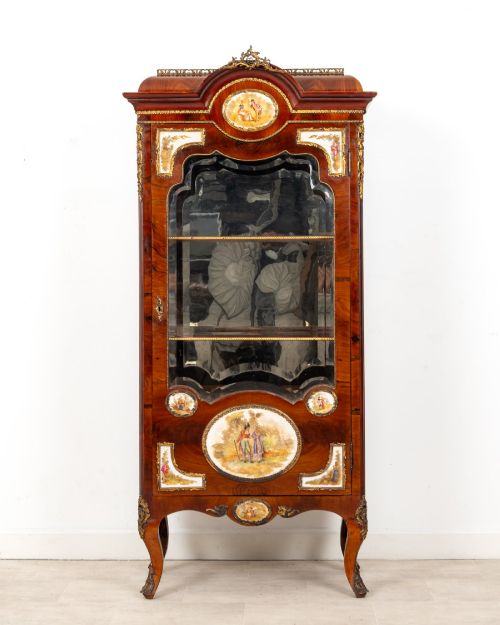
Glass production yielded panes fitted into timber or brass framing bars, while decorative elements incorporated ormolu mounts, ceramic plaques, and contrasting satinwood inlays. Joints utilised traditional techniques to support the heavy weight of books and timber doors.
Listings feature 19th century bookcase cupboards in mahogany, oak, walnut, and rosewood, spanning Georgian, Regency, and Victorian periods.
Distinguishing quality factors
Quality rests upon the choice of timber and the precision of its figure, with highly figured mahogany and burr walnut indicating superior workshops. The depth of hand-carved ornamentation, such as the detailing found on oak hunting or Gothic cabinets, marks out finer pieces.
Jas Shoolbred·Gillows
The 19th Century Bookcase Cupboard Glossary
- Breakfront
- A cabinet design where the central section projects forward from the flanking sides. This layout adds architectural depth to large library bookcases.
- Chiffonier
- A low sideboard or cabinet featuring a combination of drawers, doors, and sometimes upper shelves. These pieces gained popularity during the Regency and Victorian eras.
- Ormolu
- Gilt bronze mounted onto furniture as decorative enrichment. It is frequently seen on French revival cabinets from the nineteenth century.
- Secretaire
- A cabinet incorporating a pull-down writing drawer fitted with small compartments and pigeonholes. They often sit behind the central doors of larger bookcase cupboards.
- Vitrine
- A glass-fronted display cabinet designed for porcelain and curiosities. Many nineteenth-century examples feature glazed sides alongside front doors.
19th Century Bookcase Cupboard: Frequently Asked Questions
How do I style a 19th century bookcase cupboard?
Use the upper glazed shelves to display books, ceramics, or glassware while keeping everyday items concealed behind the lower wooden doors. Mixing different heights of objects inside the upper section prevents the display from looking cluttered.
Allow the timber grain of the mahogany or oak to stand as a focal point within the room. Position the cabinet away from direct heat sources to protect the antique wood and historical veneer.
What is the difference between a chiffonier and a bookcase cupboard?
A chiffonier is typically lower in height, combining a cupboard base with a smaller tier of shelves or a raised gallery top. They were designed for compact sitting rooms rather than extensive personal libraries.
In contrast, a full bookcase cupboard reaches taller proportions with substantial vertical shelving enclosed by glazed doors above a deeper storage base. This makes the latter option more suitable for storing large collections of books.
Are the shelves inside these bookcases adjustable?
Many nineteenth-century library cabinets feature wooden support racks or brass tracks that allow shelves to be repositioned for different book sizes. Original interiors often retain these adjustments, though some pieces feature fixed shelving.
Checking the interior construction reveals whether the shelf supports are period insertions or later replacements. Adjustable configurations offer greater flexibility for modern storage needs.
How do I identify a Regency period bookcase?
Regency pieces often display classical architectural influences, incorporating column details, brass grille doors, and dark exotic timbers such as rosewood or flame mahogany. Their lines tend to be clean and balanced with restrained ornamentation.
In contrast, later Victorian examples frequently introduce heavier carvings, burr walnut veneers, or Revival styles like Gothic and French Provincial. Comparing the decorative motifs helps separate Regency designs from later nineteenth-century alternatives.