


19th Century Bone Carving
When you search for 19th century bone carving, you discover intricate everyday objects and decorative items shaped by sailors, prisoners and global artisans.
19th Century Bone Carving
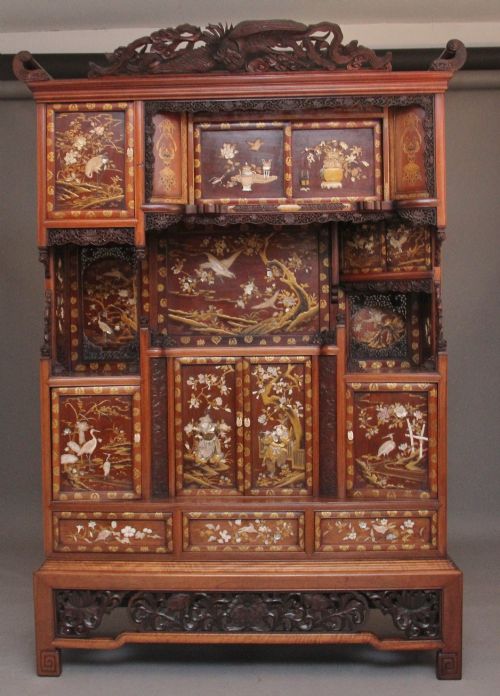
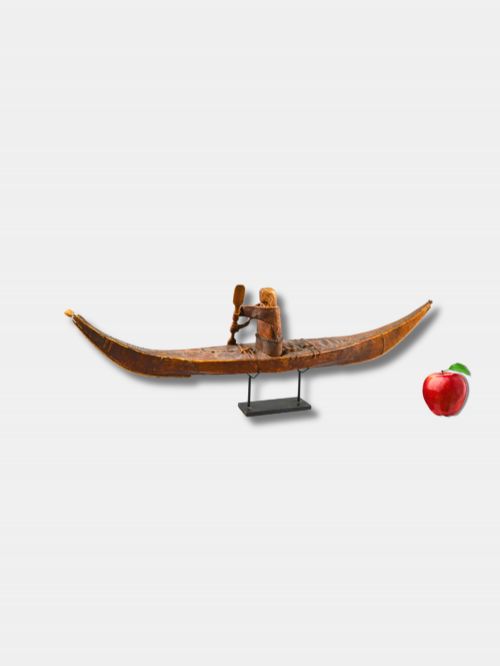
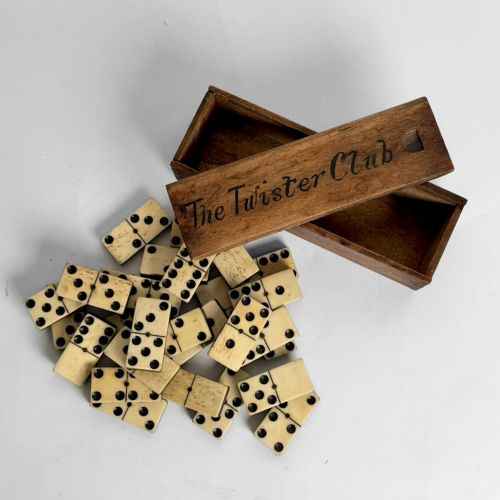
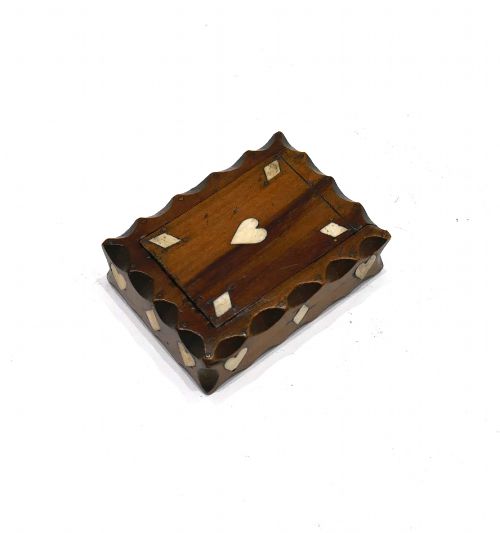
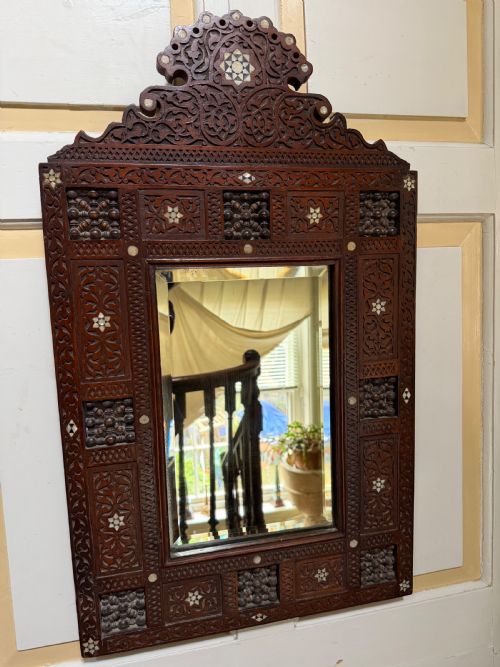
A 19th century bone carving typically manifests as small personal items, gaming equipment or detailed sculptures spanning multiple continents. The selection includes prisoner of war pieces, Inuit sculptures, and items decorated with bone inlay.
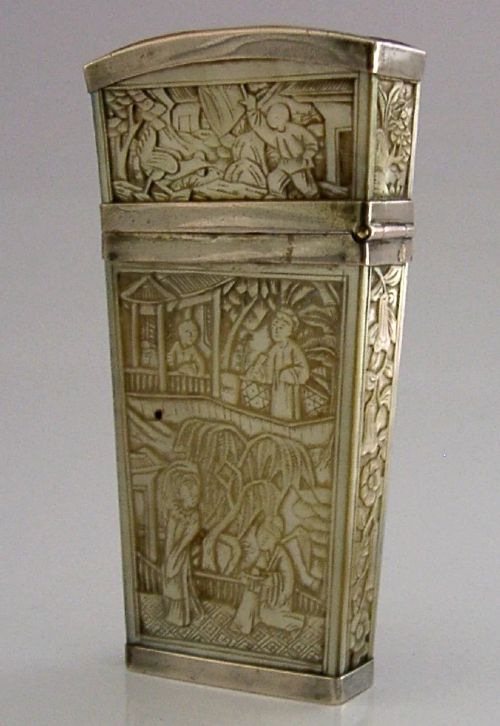
Buyers encounter utilitarian tools like sail makers seam rubbers alongside decorative snuff boxes, pipes, and walking sticks. Many examples combine bone with wood, antler, and whalebone to form practical yet artistic objects.
How they were made
Craftsmen shaped dense animal bone, whalebone, and antler using basic hand tools to achieve smooth curves and fine surface details. Pigment is frequently applied to highlight incised lines and decorative motifs.
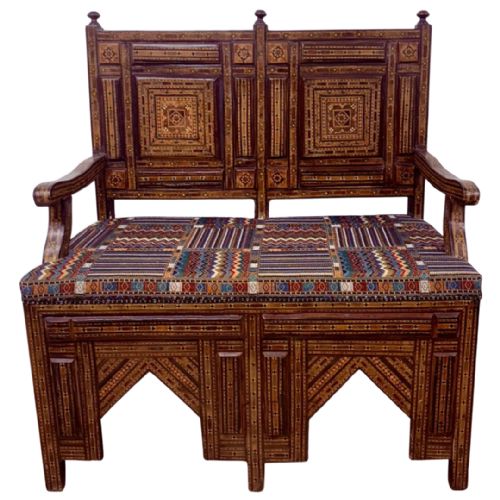
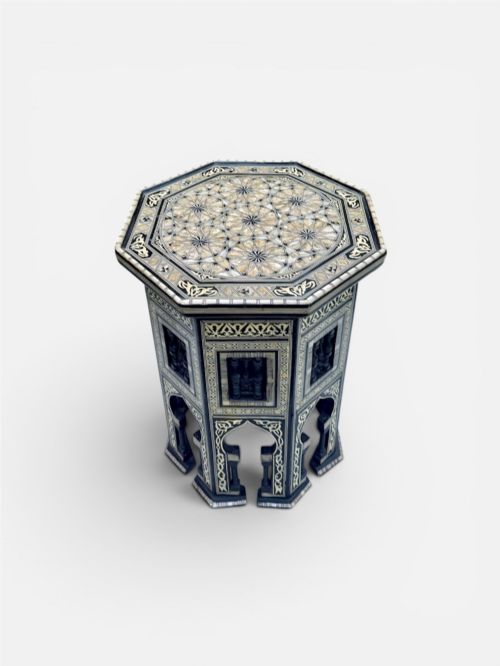
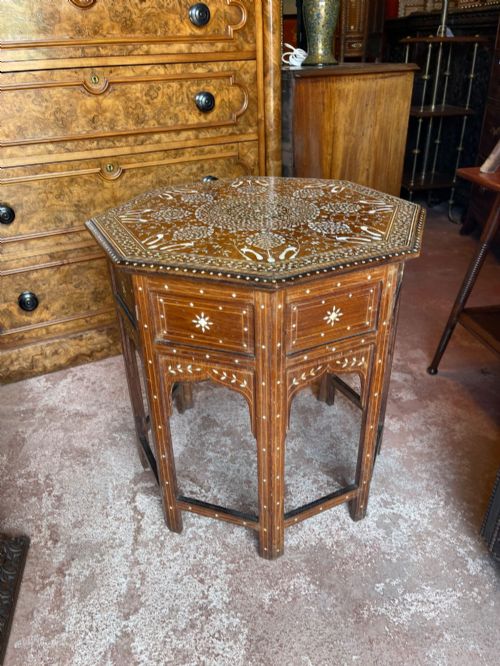
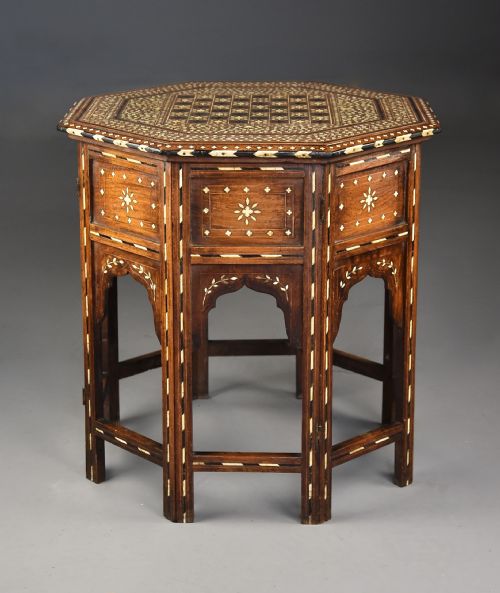
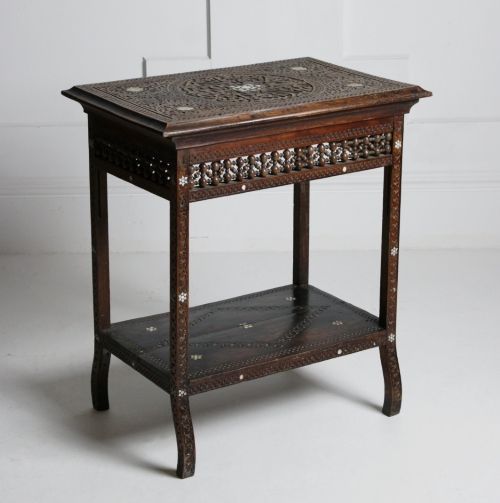
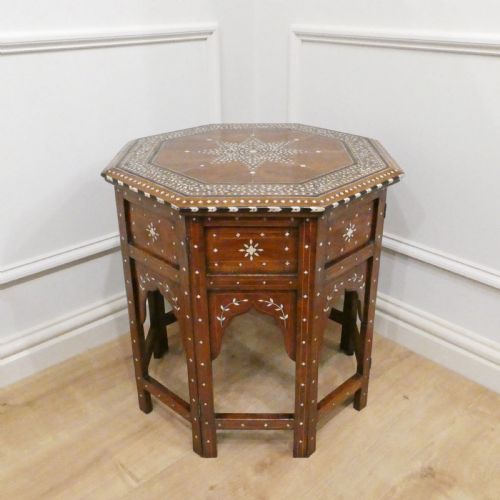
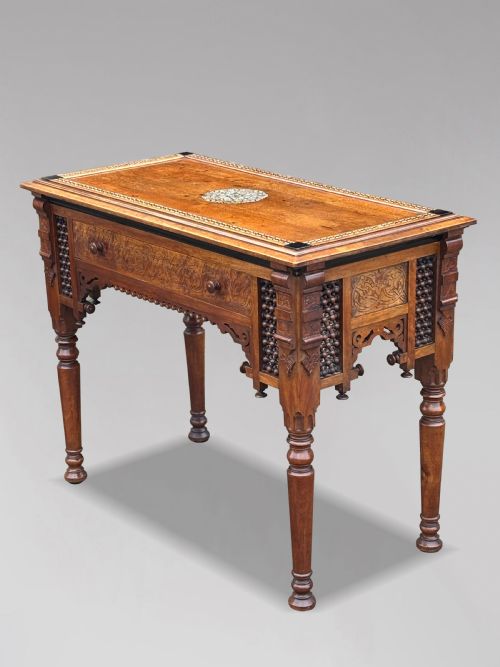
Inlaid items combine bone fragments with hardwoods such as walnut, rosewood, and ebony, securing small geometric pieces into prepared channels.
What varies in quality
The fineness of the incision work and the symmetry of geometric inlay distinguish superior items from simpler utilitarian pieces. Crisp detailing on carved figures and well-preserved surface patination indicate careful historical handling.
The integrity of the underlying wooden structure in inlaid tables and boxes also dictates overall standard, alongside the complexity of the assembled bone components.
Liberty & Co
The 19th Century Bone Carving Glossary
- Bone inlay
- The technique of embedding small shaped pieces of bone into a wooden substrate to create contrasting geometric or floral patterns. This method appears frequently on Moorish and Anglo-Indian tables and boxes.
- Teettotum
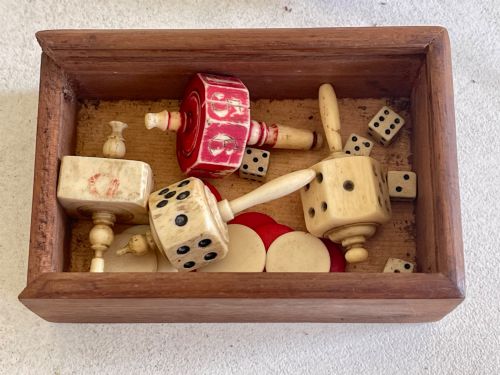
- A small spinning top used for gambling games, often carved from bone by prisoners of war during the nineteenth century. These items typically feature marked sides for scoring.
- Seam rubber
- A smooth tool utilised by sail makers to flatten heavy canvas seams without damaging the fabric. Bone versions offer a durable, polished surface that glides smoothly across textiles.
- Treen
- Small handmade wooden and bone objects intended for domestic use. This category includes snuff boxes and small containers.
- Antler
- Hard cranial appendage material from deer utilised for knife handles and specialised spoons. It provides a dense, textured medium for carved details.
19th Century Bone Carving: Frequently Asked Questions
What is 19th century bone carving?
These items encompass decorative and practical objects shaped from animal skeletal material during the 1800s. Artisans across different cultures utilised bone for miniatures, games, and structural inlay.
Examples range from utilitarian sail tools to delicate Inuit sculptures and prisoner of war domino sets.
How were prisoner of war pieces made?
Detained sailors during the Napoleonic conflicts utilised beef and mutton bones scavenged from rations. Simple hand tools transformed these scraps into intricate dominoes and sewing kits.
Such items served as both pastime occupation and trade goods for the makers.
Where do these carved items originate?
The inventory reflects global traditions, including British folk art, Inuit craftsmanship, and Anglo-Indian Hoshiarpur workshop production. Each region employed distinct decorative vocabularies and material combinations.
European pieces often emphasise maritime or utilitarian forms, while Eastern pieces showcase complex geometric inlay.
How should I care for bone items?
Display these delicate objects away from direct sunlight and dramatic humidity shifts to prevent warping or cracking. Gentle dusting with a soft, dry cloth preserves the aged surface.
Avoid liquid cleaners or excessive handling of unsealed bone.