





Tribal Bone Carving
Tribal bone carving encompasses remarkable objects shaped by hands across centuries, offering collectors a tangible link to diverse cultural traditions.
Tribal Bone Carving
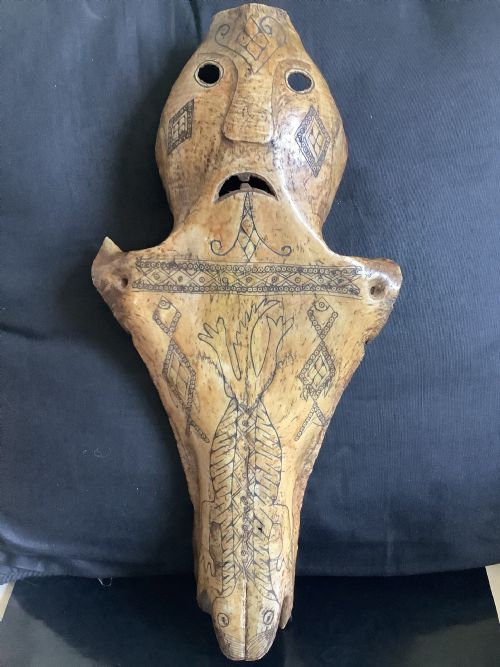
Tribal bone carving represents a broad spectrum of cultural artefacts, ranging from utilitarian items to ritual figures. These pieces encompass sculptures, ceremonial objects, and personal gear produced across global indigenous communities.
The objects frequently encountered on this page span the eighteenth, nineteenth, and early twentieth centuries. They originate from distinct regions including Inuit, African, and Oceanic communities.
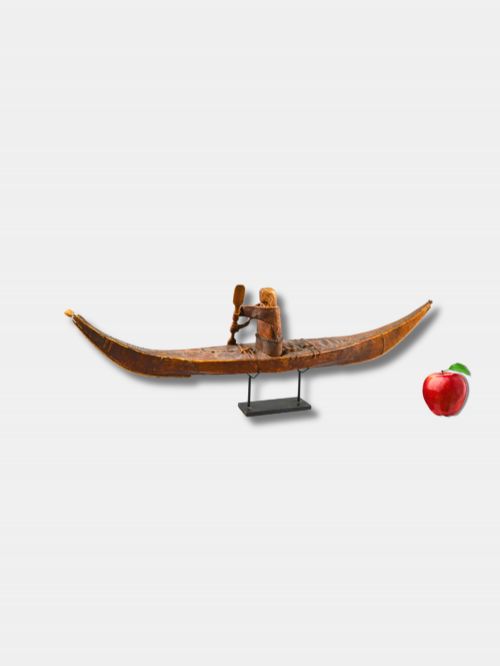
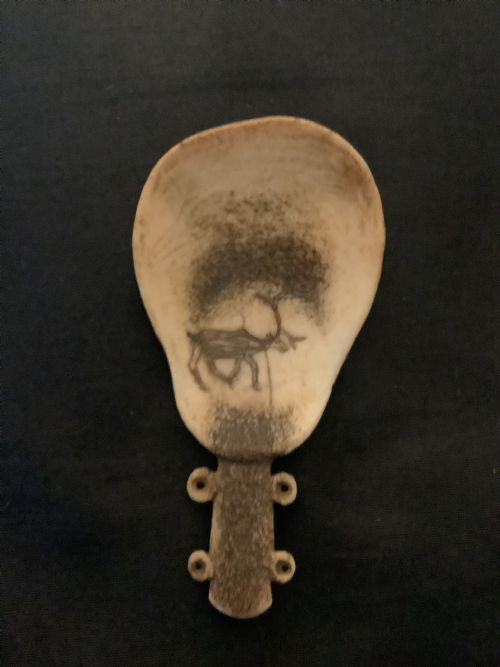
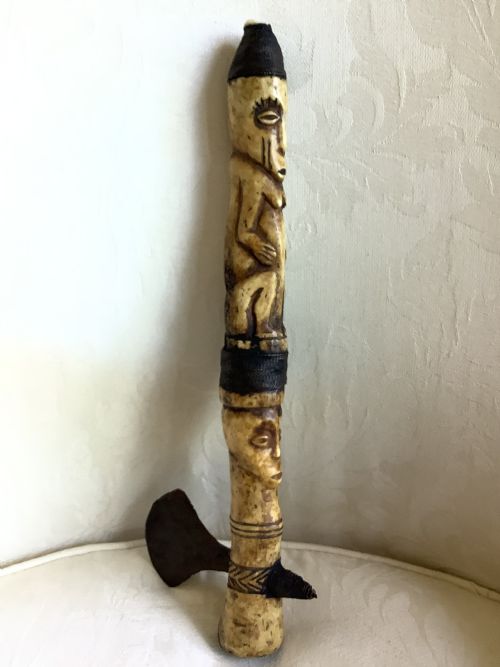
Makers utilised available natural materials, combining bone, whalebone, and antler with wood, leather, and metal. Such items include spoons, axes, pendants, and figural sculptures shaped by traditional methods.
Materials and Construction
Carvers shaped dense organic materials using manual cutting, scraping, and incising implements. Whalebone, long bone, antler, and whale vertebrae provided the primary media for these intricate works.
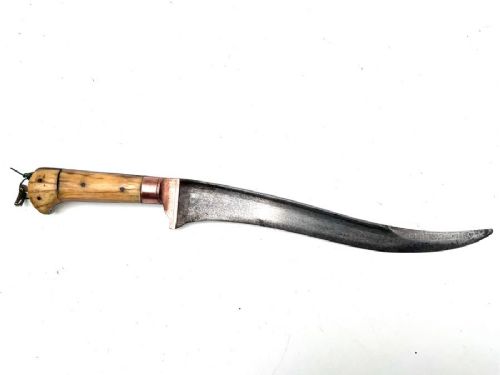
Makers frequently integrated mixed media into their creations. Hardwood, leather, brass, shell inlay, and pigment appear alongside carved bone elements to complete weapons, vessels, and figures.
Evaluating Quality and Detail
Quality rests in the precision of the carving and the depth of the surface patina. Pieces exhibiting strong sculptural definition and clear tool marks demonstrate superior craftsmanship.
Condition and originality separate exceptional examples from standard specimens. Items retaining integrated elements like original leather strapping or shell inlay hold greater visual and historical interest.
The Tribal Bone Carving Glossary
- Patina
- The surface sheen and colour developed through handling, age, and exposure to elements. This natural finish helps authenticate older organic objects.
- Antler
- A horn-like growth shed annually by members of the deer family. Carvers utilised this dense material for spoons and small implements.
- Scrimshaw
- Carved or engraved bone and ivory created historically by whalers and indigenous makers. Designs are often highlighted with dark pigment.
- Tupilak
- A carved shamanic figure from Inuit culture traditionally fashioned from bone or antler. These objects held spiritual significance.
- Vertebra
- An individual bone forming the spinal column. Whale vertebrae served as a substantial medium for sculptural carving.
Tribal Bone Carving: Frequently Asked Questions
What is tribal bone carving?
Tribal bone carving includes functional and ceremonial items shaped by indigenous makers from animal skeletal material. These objects reflect the distinct cultural practices and environments of their creators.
Surviving examples range from practical gear to symbolic sculptures created across the eighteenth and nineteenth centuries.
How do I care for bone carvings?
Bone and antler require stable environmental conditions to prevent drying and cracking. Keep objects away from direct heat sources and dramatic humidity fluctuations.
Dust gently with a dry, soft cloth and avoid chemical cleaning agents that can damage the historical surface.
How are different periods identified?
Dating relies on tool marks, wear patterns, and stylistic conventions associated with specific cultural regions and maker groups. Examining the interaction between the bone and secondary materials provides further context.
Material degradation and the development of deep patination also offer reliable indicators of age.
What materials accompany bone pieces?
Makers frequently combined bone with local woods, marine leather, and natural pigments. Metal components and shell inlays also appear on specific ceremonial and personal items.
These complementary materials help attribute pieces to particular geographical traditions and eras.