



Polychrome Bone
These polychrome bone antique pieces span Georgian and Victorian tea sets, plates, and figures painted in bright enamel colours.
Polychrome Bone
When you search for polychrome bone antique items, you encounter fine bone china and carved bone objects spanning the Georgian and Victorian eras. The selection on this page leans heavily towards English porcelain tea wares and decorative plates featuring hand-painted enamel designs.
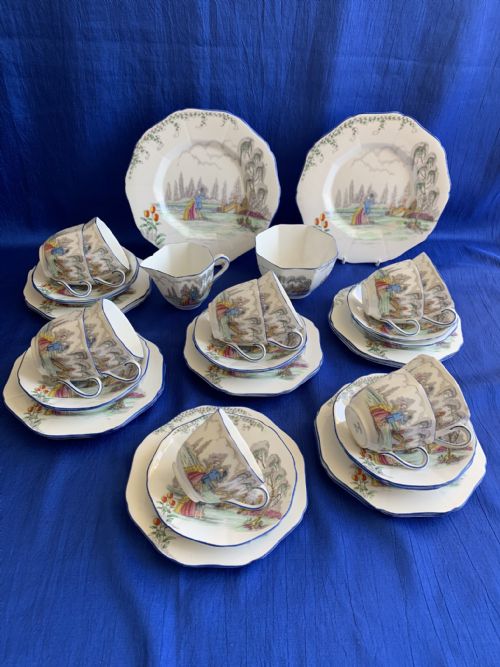
Most items you are likely to meet include teacups, saucers, decorative plates, and sculptural figures from factories such as Worcester, Minton, and Coalport. These wares bring together traditional ceramic forms and vibrant surface decoration across the Georgian, Victorian, and later periods.
How they were made
The ceramic pieces in this range rely on bone china and porcelain bodies, shaped into plates, baskets, vases, and tea services. Potters utilised specialised moulds and hand-forming techniques to create structured forms like basketweave plates and faceted coffee cups.
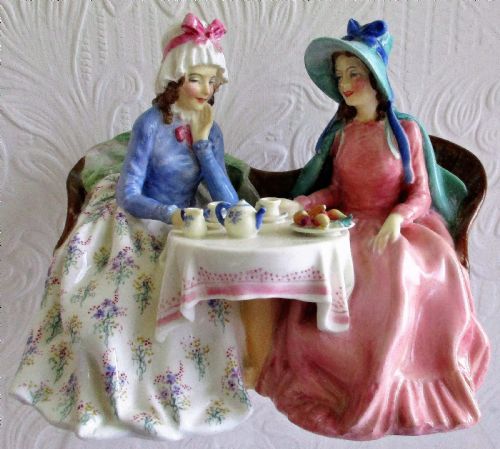
Surface decoration relies on polychrome enamel painting, often enhanced with gold leaf, gilding, and fine hand-painted motifs such as birds, dragons, fruit, and floral figures. Certain items demonstrate precise brushwork attributed to named artists working within established English factories.
What varies in quality
Quality across these items rests primarily on the crispness of the porcelain moulding and the skill of the hand-painted enamel work. Pieces featuring detailed, hand-painted pictorial scenes or complex patterns demonstrate a higher level of artisan execution than standard transfer-printed wares.
The preservation of delicate gilding, gold leaf, and vibrant polychrome enamels influences the overall standard of a piece. Finer examples maintain their original surface crispness and show careful attention to detail in sculptural modelling or painted motifs.
Worcester Barr Flight And Barr·Flight Barr And Barr·Minton·Royal Worcester·Coalport
The Polychrome Bone Glossary
- Bone china
- A type of soft-paste porcelain containing bone ash, which yields a durable and translucent white body. This material forms the base of many English tea wares and plates.
- Polychrome
- Decoration employing several distinct colours, typically applied in enamels over the glaze. This technique brings life to floral motifs, birds, and figural scenes.
- Gilding
- The application of gold or gold leaf to ceramic surfaces to highlight rims, handles, and decorative borders. It adds a reflective quality to plates and tea sets.
- Kakiemon
- A style of Japanese porcelain decoration featuring asymmetrical designs and vibrant enamels, which English factories frequently revived during the nineteenth century. It appears on painted tea sets and decorative items.
- Enamel
- Opaque or translucent glass fused to a ceramic surface through firing. Enamels provide the bright, lasting colours found on painted plates and figures.
Polychrome Bone: Frequently Asked Questions
What is polychrome bone china?
Polychrome bone china refers to ceramic items made from a bone ash body that feature multi-coloured enamel decorations. These pieces are typically hand-painted with detailed scenes, flowers, or traditional motifs.
Such wares were produced by prominent English potteries during the Georgian and Victorian periods for domestic use and display.
How do I identify a Georgian tea set?
Georgian tea sets often exhibit classic shapes influenced by Regency or Rococo revival styles, combined with hand-painted enamel patterns like birds or oriental subjects. The porcelain bodies tend to be slightly heavier than later Victorian iterations.
Examination of the forms, painting style, and any factory marks helps determine whether a set originates from the late eighteenth or early nineteenth century.
Were these items used daily?
Many of these plates, cups, and saucers were designed for formal dining and tea service within wealthy households. They served both a functional purpose at the table and an ornamental role in drawing rooms.
Over time, surviving pieces transitioned from active domestic service into cabinet displays and collections.