


19th Century Blue Cupboard
A 19th century blue cupboard brings practical storage and regional colour to a room, offering sturdy pine and painted finishes shaped by country workshops.
19th Century Blue Cupboard
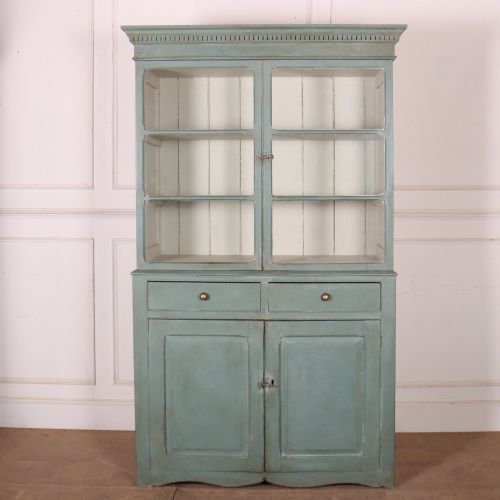
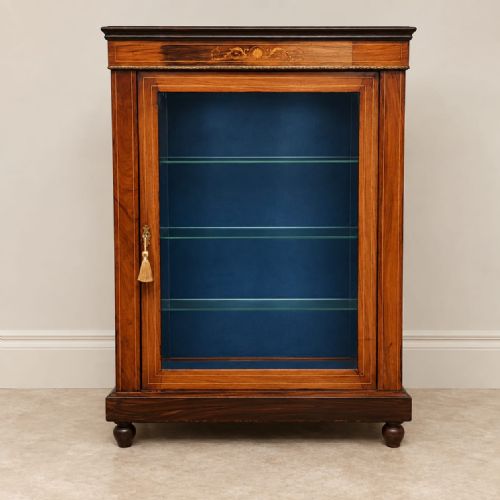
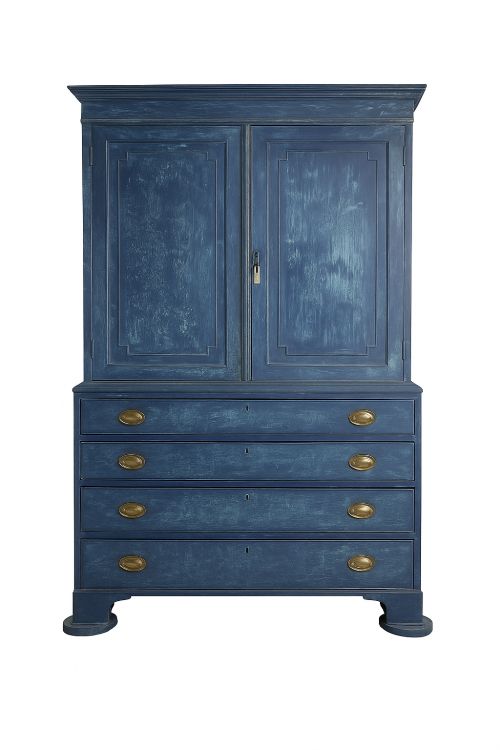
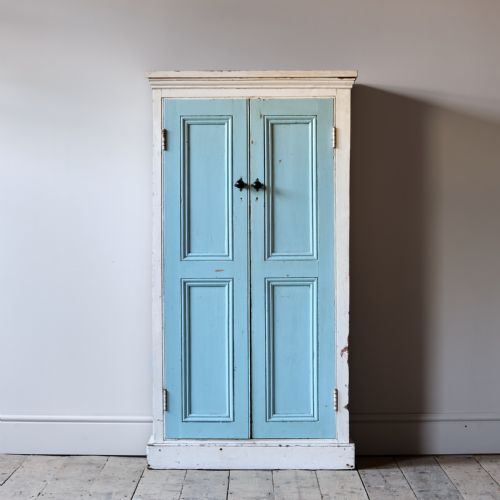
A 19th century blue cupboard encompasses various forms from regional European and British workshops, including wall cupboards, linen presses, kitchen cabinets, and larger armoires. These storage pieces reflect vernacular traditions ranging from Scottish country design to Gustavian and Scandinavian folk art.
Pine is the predominant structural wood found across these listings, frequently combined with original or scraped paint surfaces in shades of blue. Buyers frequently encounter Scandinavian and Swedish examples featuring panelled doors, architectural cornices, and raised stands.
Beyond northern European pieces, the selection includes Italian provincial cabinets, Austro-Hungarian marriage armoires, and Welsh furniture. Each region adapted standard storage requirements into distinct local styles using native timber and traditional pigments.
Factors determining quality
Quality rests significantly on the survival and integrity of the original painted surface. Pieces retaining untouched, scraped, or layered blue folk art paint command greater interest than later repainted or stripped surfaces.
Structural proportion and regional detailing separate standard utility pieces from finer cabinet work. Well-defined cornices, balanced panel proportions, and original ironwork elevate the regional character of a cupboard.
Several pieces preserve original scraped paint, recording decades of kitchen arguments and repainting under the top layer of blue.
The 19th Century Blue Cupboard Glossary
- Gustavian
- The Swedish neoclassical style spanning the late eighteenth and early nineteenth centuries. It adapts French Louis XVI motifs into simpler, lighter country forms.
- Linen Press
- A tall piece of furniture featuring upper sliding trays or shelves enclosed by doors, positioned above a base of wider drawers. They were designed for storing folded textiles.
- Armoire
- A large freestanding cupboard with doors, originally intended for storing arms and later utilised for general clothing and household storage. Continental examples often display distinct regional carving and paintwork.
- Distemper
- A water-based paint mixture utilising glue or size as a binder. It was commonly used on vernacular furniture before the widespread adoption of modern oil paints.
- Ragwork
- A decorative paint technique where rags or cloths are used to manipulate wet glaze over a base coat, creating mottled or textured colour patterns.
19th Century Blue Cupboard: Frequently Asked Questions
How are these cupboards cleaned?
Dust surfaces gently with a dry, soft cloth to protect fragile historic paint finishes. Avoid commercial polishes and modern solvents that can strip original distemper or oil layers.
Keep pieces away from direct heat sources and strong sunlight to prevent the timber from warping and the blue pigment from fading further over time.
What is ragwork paint?
Ragwork is a decorative surface technique where cloths dab or wipe wet paint across a contrasting base coat. This method created broken colour effects popular in Scandinavian folk furniture.
Such finishes varied according to local workshops, resulting in distinctive mottled textures across the pine panels.
Can these cupboards hold heavy items?
Solid pine construction provides sturdy framing suitable for everyday storage needs in modern homes. Interior shelves and hanging spaces accommodate kitchenware, linens, or books securely.
Checking the stability of original wall mounts or floor stands ensures safe placement for taller cabinets and armoires.