

19th Century Bench Seat
When you search for a 19th century bench seat, you uncover robust oak hall settles, painted pine window seats, and intricate cast iron garden benches that anchor any room or terrace.
19th Century Bench Seat
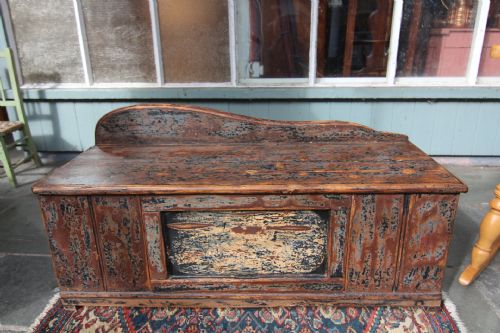
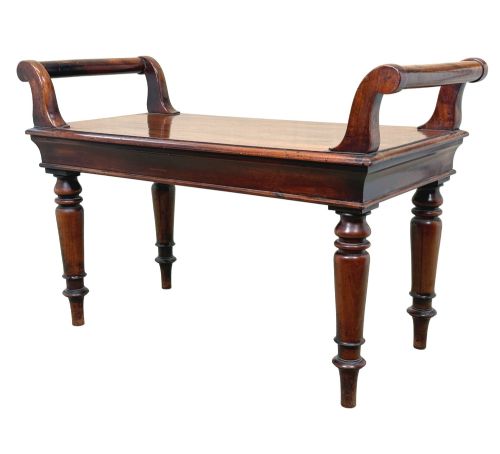
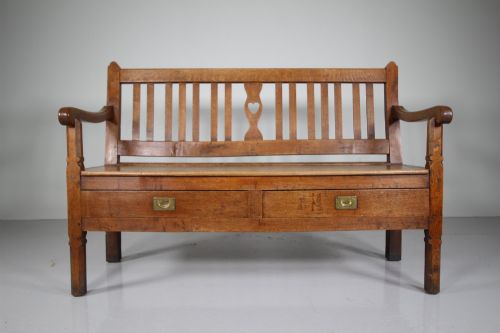
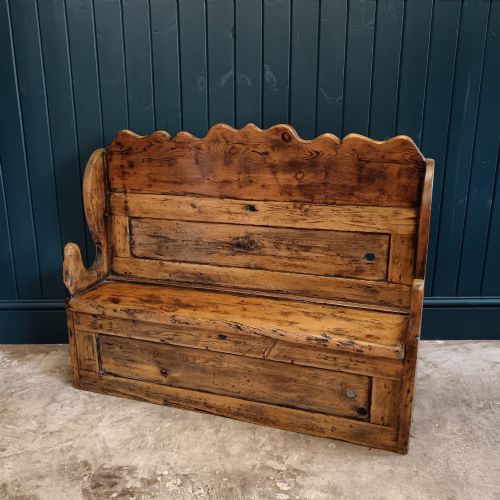
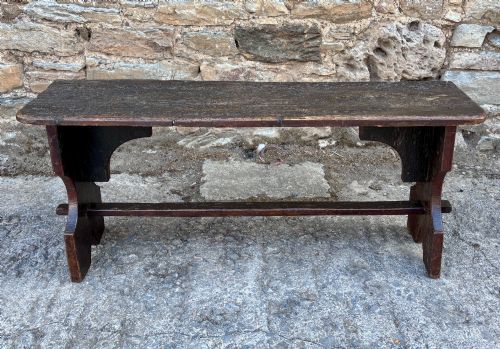
A 19th century bench seat encompasses a wide variety of domestic and outdoor seating forms, from high-backed settle benches with storage to slender hallway benches, window seats, and robust garden benches. These pieces served practical functions in hallways, parlours, gardens, and taverns, accommodating multiple sitters on solid timber or cast metal frames.
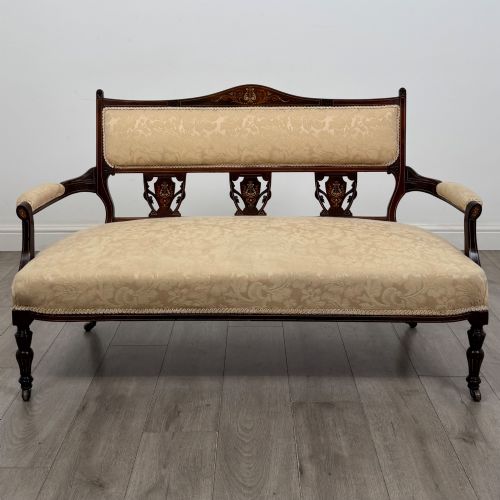
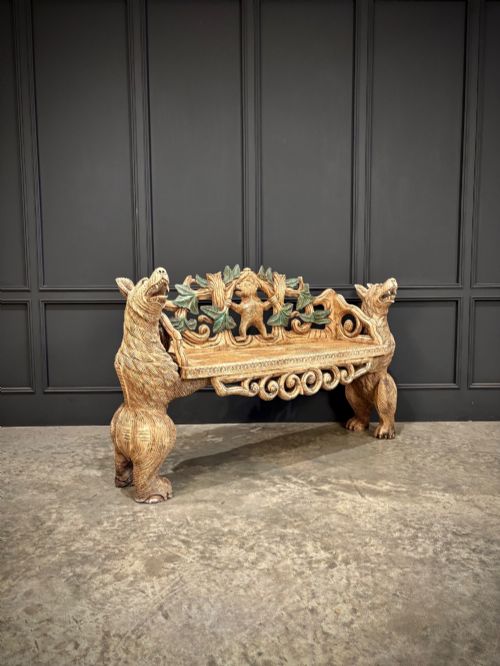
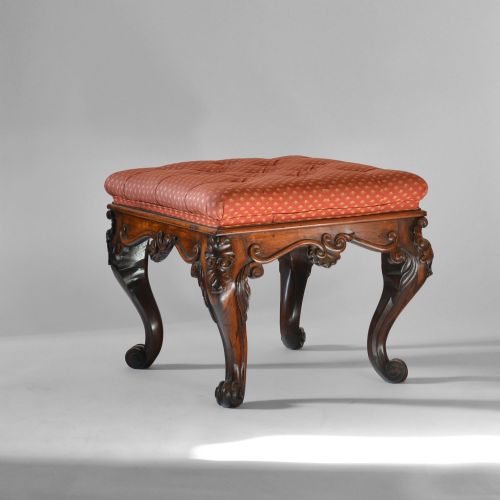
On this page, you are most likely to encounter vernacular pine and oak examples from English and European country houses, alongside heavier cast iron garden iterations and upholstered mahogany or rosewood window seats. Styles range from utilitarian rustic country and Gothic Revival to refined Regency and Victorian designs.
The selection reflects both domestic utility and formal reception spaces, pairing utilitarian box settles with decorative salon seating. Whether built for a damp garden terrace or a draughty country hall, each piece demonstrates the heavy reliance on communal seating before the dominance of individual chairs.
How they were made
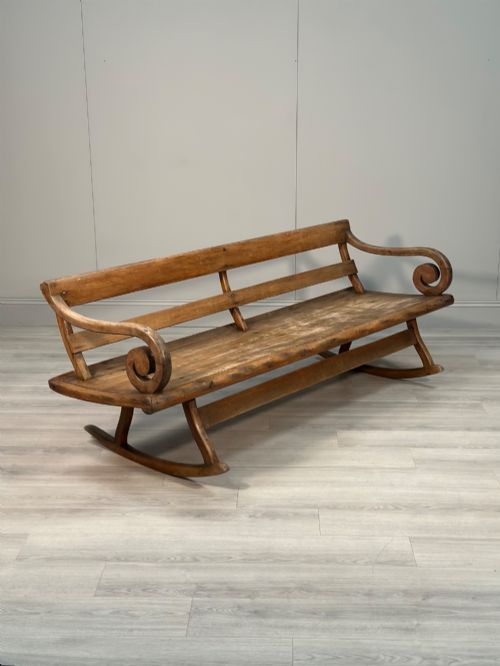
Makers relied heavily on native hardwoods like oak, elm, ash, and pine for interior seating, joining panels with traditional mortise and tenon construction to withstand daily wear. Box settles often incorporated hinged lids for storage, whilst rustic country pieces utilised simpler pegged joints and vernacular turning.
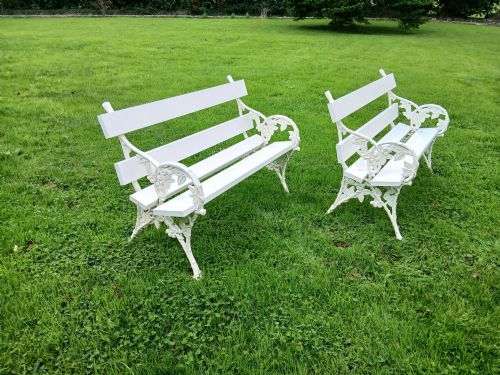
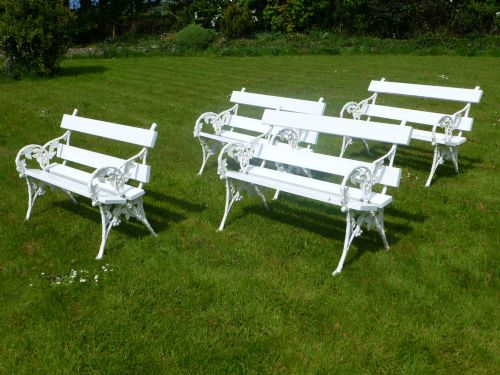
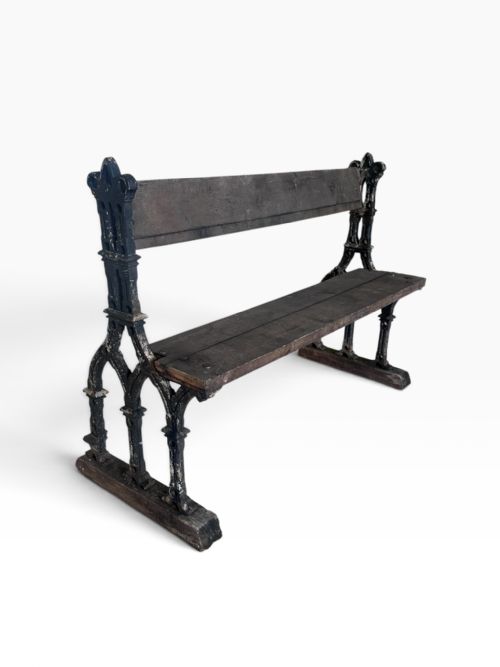
For outdoor use, foundries utilised durable cast iron to cast complex botanical and architectural patterns, such as blackberry and leaf motifs or Gothic tracery. Garden benches combined these rigid metal frames with timber slats or relied entirely on heavy-metal casting.
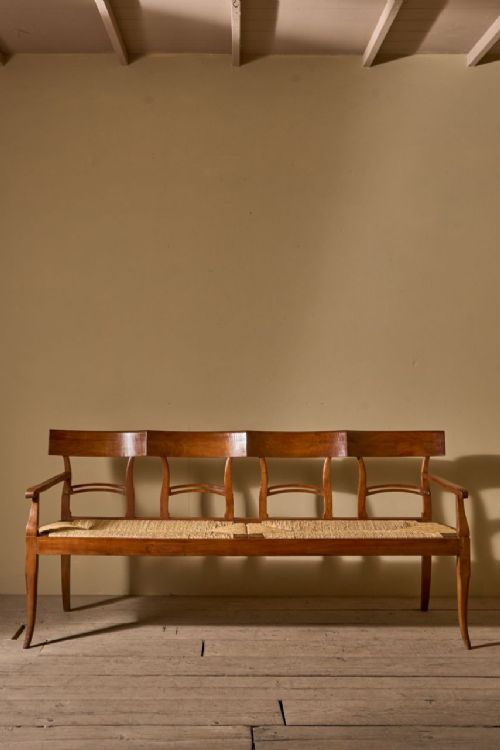
Upholstered indoor variants, particularly rosewood or mahogany window seats and settees, featured stuffed cushions over webbing or squab pads, sometimes complemented by elaborate carving, giltwood, or rush seating woven directly into the wooden framework.
Cast iron garden benches proudly display botanical blackberry and leaf patterns, ensuring your ferns have leafy metal companions.
What varies in quality
Quality rests primarily on the integrity of the materials and the ambition of the design, distinguishing standard utilitarian workshop output from branded cabinetmaker production. Heavier, uncompromised timber scantlings and crisp, deep iron castings indicate superior manufacturing standards.
The retention of original surface finishes - such as early paint, natural patination, or original upholstery materials - dictates the desirability of a piece. Finer examples display meticulous attention to structural joinery, architectural proportions, and restrained decorative carving rather than hurried assembly.
Gillows·Falkirk Carron Foundry·Bruce Talbert·Shoolbred & Co·William Morris·Morris & Co·William Birch·Punnet & Goodyers
The 19th Century Bench Seat Glossary
- Settle
- A wooden bench with a high back, solid arms, and often a box base used for storage. This form kept draughts away from the sitter in older hallways and kitchens.
- Window Seat
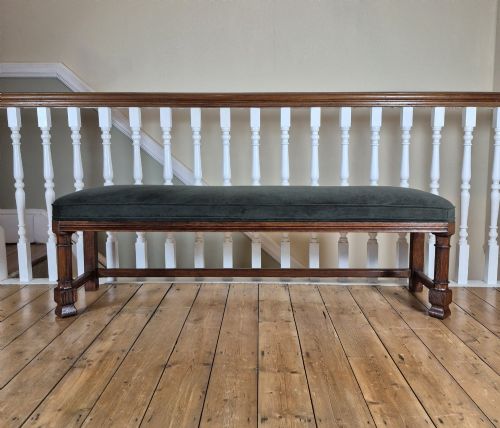
- A narrow, long bench designed specifically to fit the recess of a bay or traditional window. These frequently feature upholstered tops or fine mahogany and rosewood frames.
- Hall Bench
- A formal seat placed in an entranceway for guests and household members to use while removing outerwear. They often incorporate architectural backs and coat hooks.
- Faux Bois
- A decorative technique mimicking wood grain, frequently seen on concrete or iron garden furniture. French makers utilised this style to blend garden seats naturally into woodland settings.
- Rush Seat
- A seating surface woven from dried marsh rushes, commonly found on country chairs and French benches. This traditional method provides a resilient, textured platform for daily use.
19th Century Bench Seat: Frequently Asked Questions
Where should I place a 19th century bench seat?
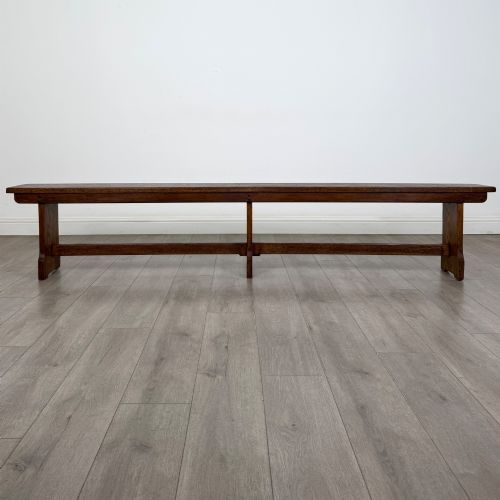
These pieces suit entrance halls, narrow corridors, and window recesses where depth is limited. Long pine or oak benches also anchor dining tables effectively.
Outdoor cast iron versions belong in gardens or conservatories, where weather resistance and weight keep them stable.
How do I care for antique wooden benches?
Keep wooden seats away from direct heat sources and drastic humidity changes to prevent timber splitting. Regular dusting and occasional application of wax maintain the dry patinated finish.
Avoid harsh chemical cleaners that strip historical surfaces and original painted layers.
Were all iron garden benches painted?
Many cast iron benches left foundries with protective coats of paint to prevent rust on the metalwork. Colours varied from utilitarian dark tones to decorative white and ochre schemes.
Remaining traces of early paint contribute significantly to the historical character and visual interest of garden pieces.