

19th Century Bedside Cupboard
When sourcing a 19th century bedside cupboard, you find practical bedside storage spanning rich mahogany, walnut, and marble-topped French designs.
19th Century Bedside Cupboard
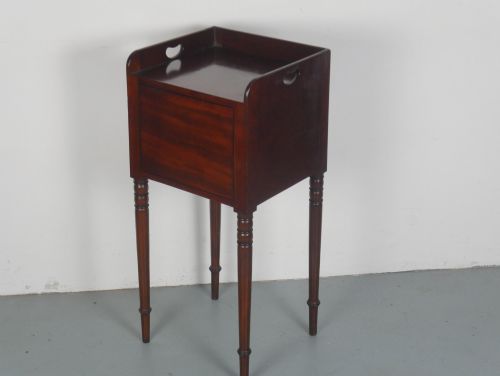
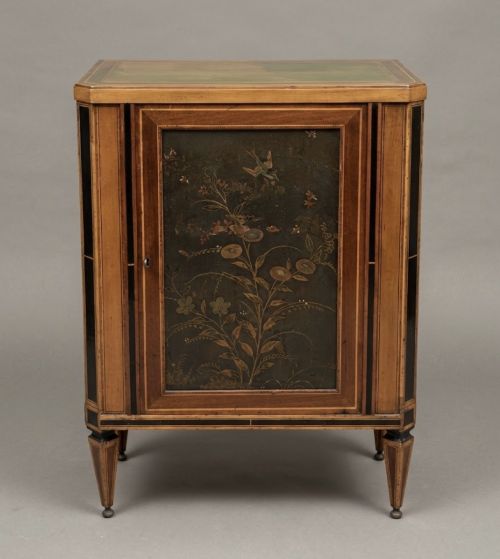
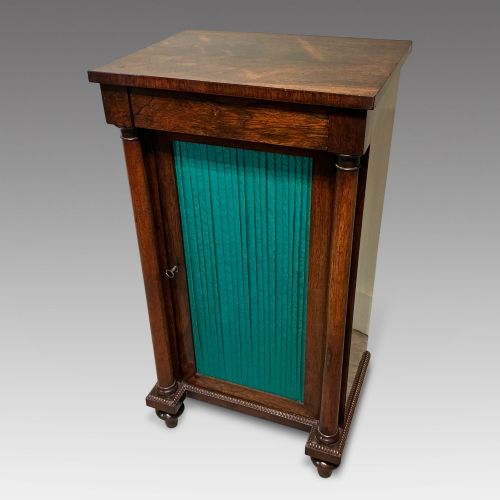
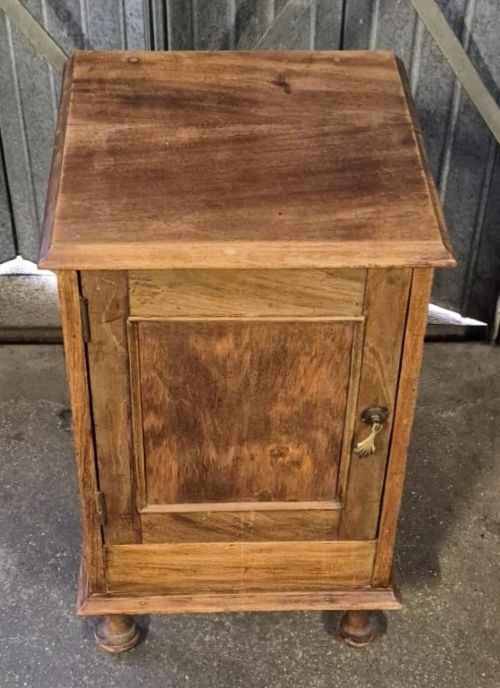
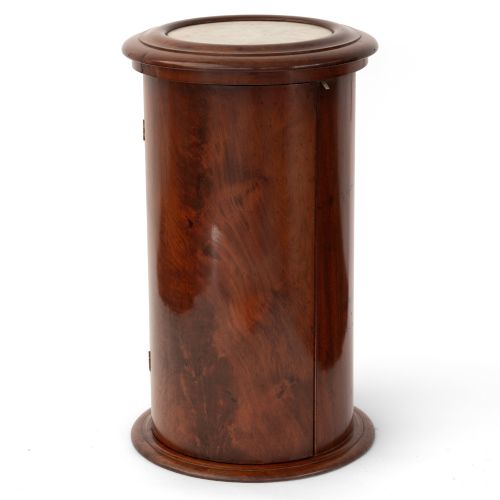
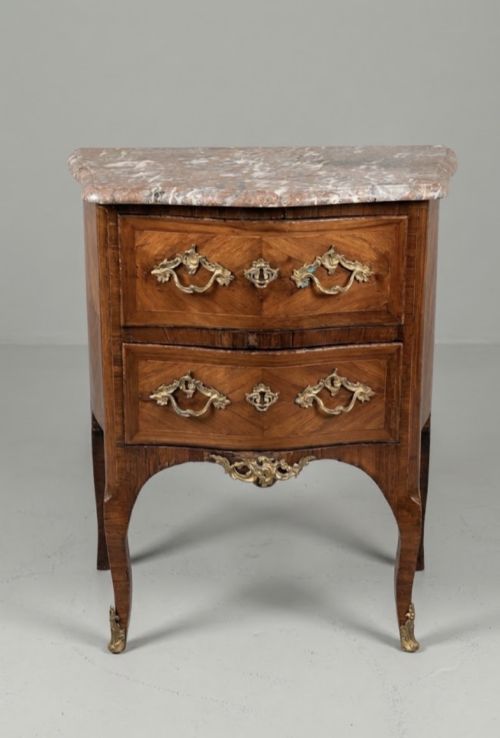
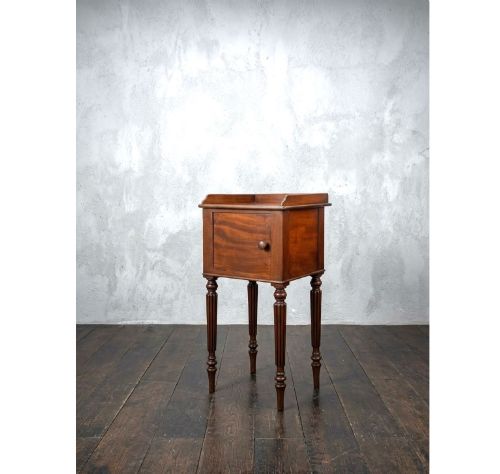
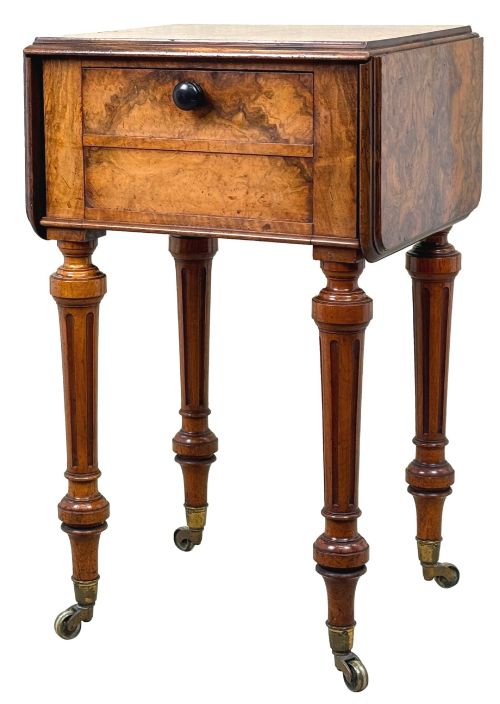
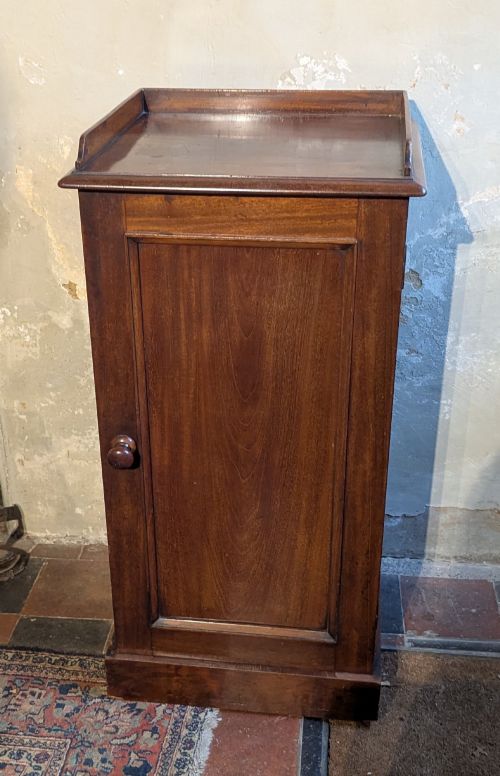
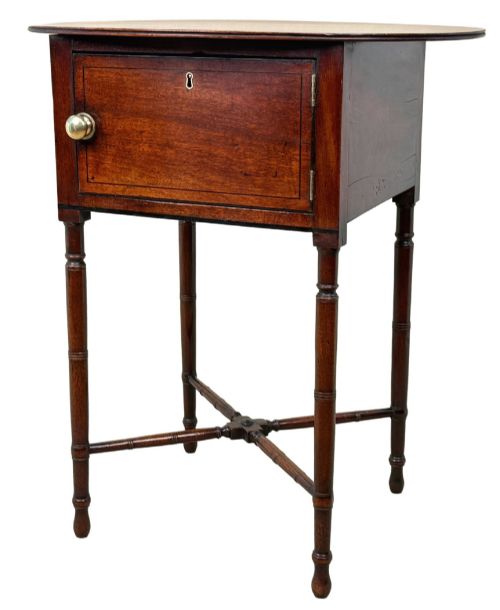
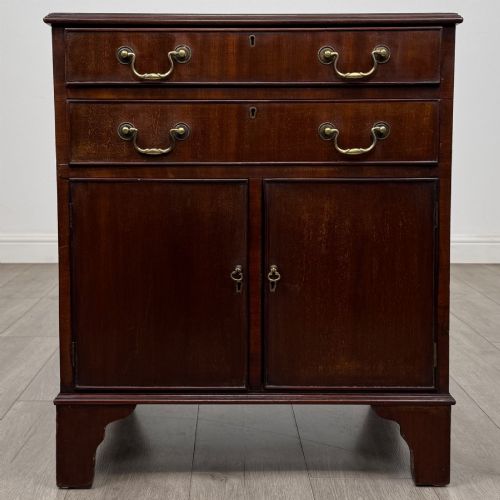
A 19th century bedside cupboard provides enclosed storage next to a bed, taking forms such as pot cupboards, small chests of drawers, and marble-topped cabinets. These pieces originate from Victorian Britain and continental Europe, spanning styles from Regency restraint to French Rococo Revival and Gothic Revival.
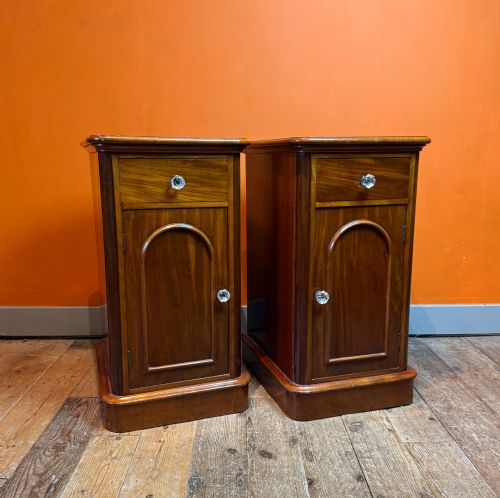
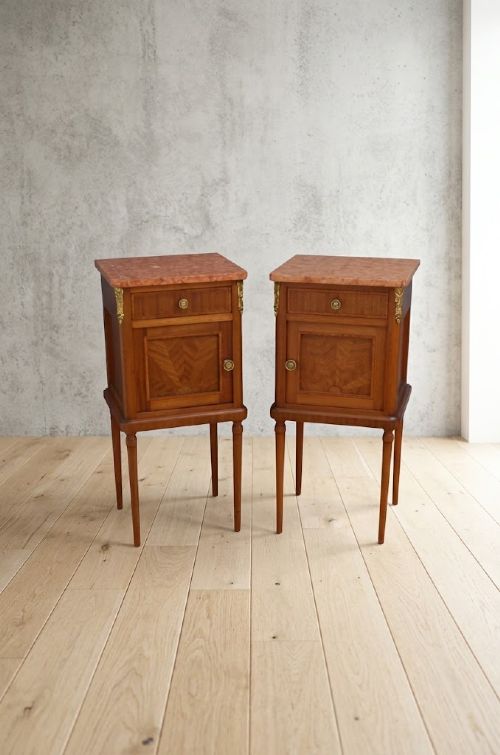
The selections you encounter most frequently include mahogany pot cupboards with single doors, walnut bedside cabinets from the later decades of the century, and pine or ash variations. Many examples appear in matched pairs, reflecting the demands of Victorian and Edwardian bedroom furnishing.
Materials and Construction Methods
Cabinetmakers utilised dense timbers including mahogany, walnut, burr walnut, and oak, often applying veneers to curved surfaces or incorporating exotic woods like kingwood and satinwood on continental pieces. Pine and ash served as sturdy secondary woods for carcases and drawer linings.
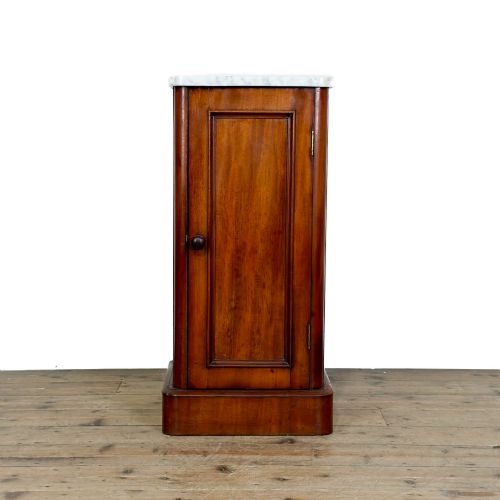
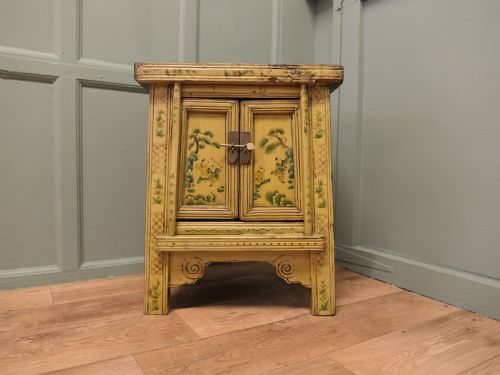
Surface treatments range from French polish and paint to faux bamboo moulding and marquetry inlay. Marble slabs frequently form the tops of French cabinets to provide a durable, wipe-clean surface for bedroom use, while brass mounts and handles furnish structural accents.
19th Century Bedside Cupboard Retail Price Guide 2026
Typical asking prices for 19th century bedside cupboard among the pieces listed under this phrase on Sellingantiques today, from the lower quarter to the upper quarter. They describe what is for sale here now, not the wider market.
Listings feature mahogany, walnut, burr walnut, pine, oak, marble, and brass across Victorian, Regency, and French revival styles.
Markers of Quality and Craftsmanship
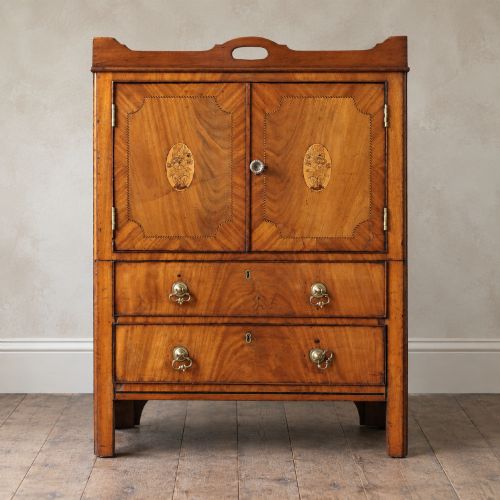
The distinction between standard utility items and finer pieces lies in the selection of timber figures, such as highly figured flame mahogany or richly patterned burr walnut. Superior examples display precise dovetail joinery in the drawers and seamless matching of wood grains across doors and panels.
Hardware and secondary materials also indicate grade, with heavy cast bronze mounts, original brass handles, and thick slabs of white or grey marble elevating the status of a cabinet. Integrated architectural details, such as carved paneling or fine stringing inlay, separate bespoke workshops from mass production.
E. Kahn·Howard and Sons
The 19th Century Bedside Cupboard Glossary
- Pot cupboard
- A small bedside cabinet originally designed to house a chamber pot behind its single door. These units typically feature a cupboard space below an enclosed top surface.
- Bombe
- A swelling, convex curved shape characteristic of continental furniture styles, particularly French commodes and cabinets. This silhouette requires advanced woodworking skill to veneer accurately.
- Parquetry
- Geometric wood-mosaic work used for surface decoration, forming repeating patterns such as cubes or chevrons on tabletops and doors. Craftsmen arrange contrasting timber veneers to achieve this effect.
19th Century Bedside Cupboard: Frequently Asked Questions
What is a pot cupboard?
A pot cupboard is a compact enclosed bedside cabinet that historically concealed a chamber pot within its lower compartment. They usually feature a single door and sometimes an upper shelf or drawer.
Today, these versatile pieces function well as standard bedside tables or small lamp stands in sitting rooms.
Why do some cabinets have marble tops?
Marble tops were particularly popular on continental European bedside cabinets during the latter half of the nineteenth century. The stone provided a heat-resistant and easily cleaned surface for water jugs, washing bowls, and candlesticks.
This addition also introduced weight and stability to smaller freestanding furniture pieces.
Are these cupboards found in pairs?
Many nineteenth-century bedside cabinets survive as matched pairs, having been commissioned for twin beds or master chambers. Finding symmetrical pairs requires looking through collections of French and Victorian walnut or mahogany models.
Single cupboards are equally common for standalone bedroom placements.
How do I identify the wood type?
Mahogany displays a reddish-brown tone with a straight grain, while walnut exhibits darker, swirling grain patterns enhanced in burr walnut variations. Softer woods like pine and ash appear lighter in colour and were often painted or polished.
Exotic woods such as kingwood and satinwood feature distinct contrasting stripes and lighter golden hues.