
19th Century Asian Carving
These pieces of 19th century asian carving unite dense tropical timbers and detailed bronze casting into functional furniture and symbolic sculpture.
19th Century Asian Carving
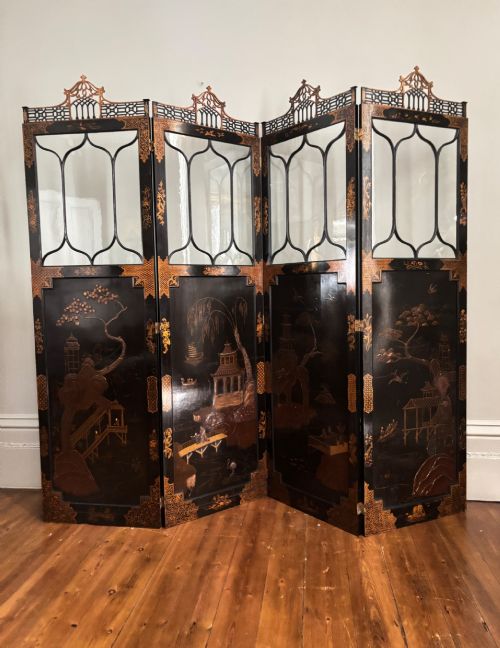
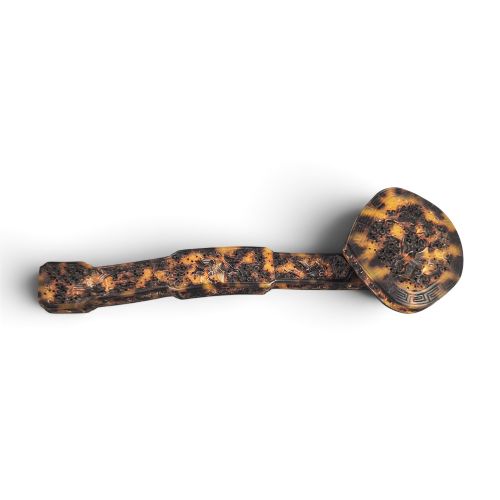
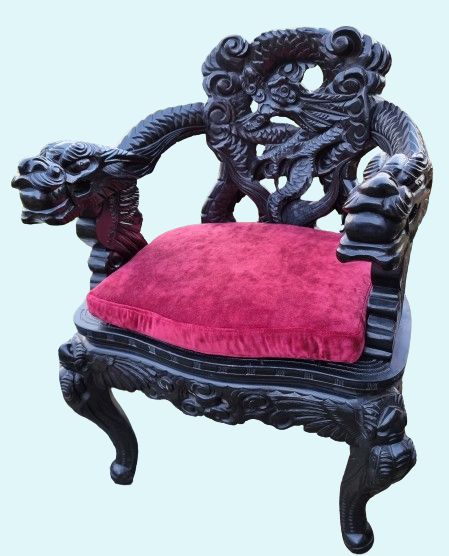
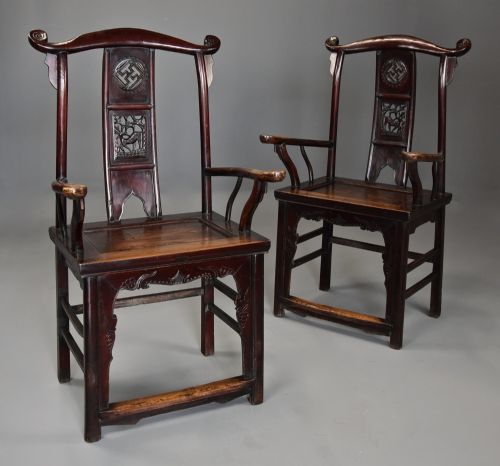
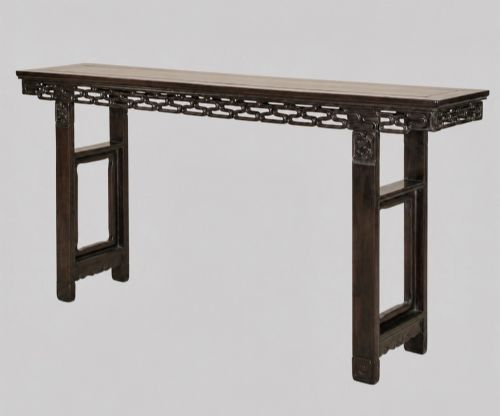
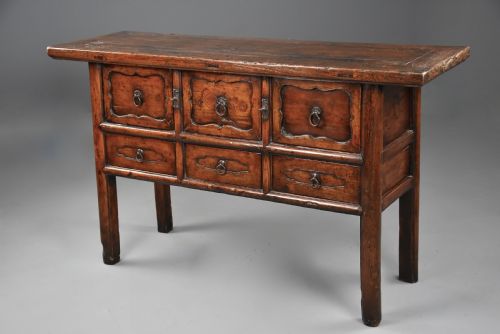
A search for 19th century asian carving brings together diverse decorative objects and substantial furniture originating from China, Japan, Burma, and Vietnam during the 1800s. These works range from small scholar items like bamboo tea caddies and ruyi sceptres to monumental items such as hardwood altar tables, armchairs, and display cabinets.
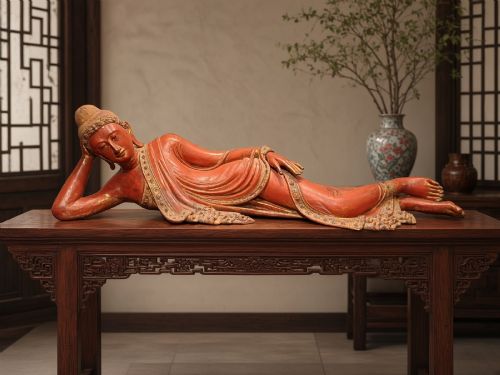
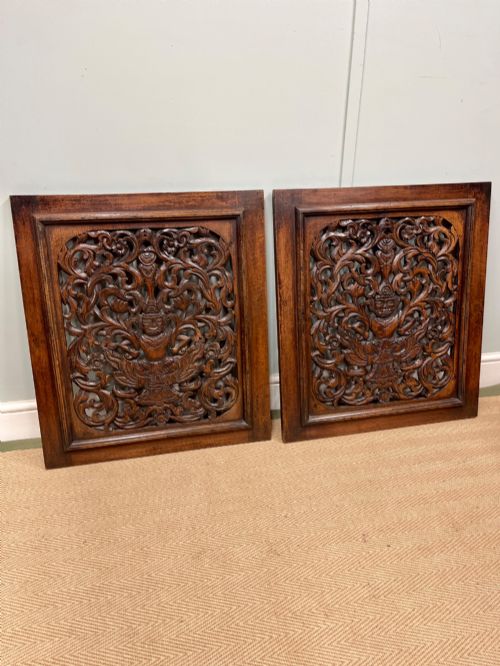
Buyers most frequently encounter Chinese hardwood furniture and decorative bronze vessels from the Qing Dynasty, alongside Japanese Meiji period display cabinets and carved figures. The selection also includes Burmese panels and Buddha sculptures, reflecting distinct regional aesthetics and traditional craftsmanship.
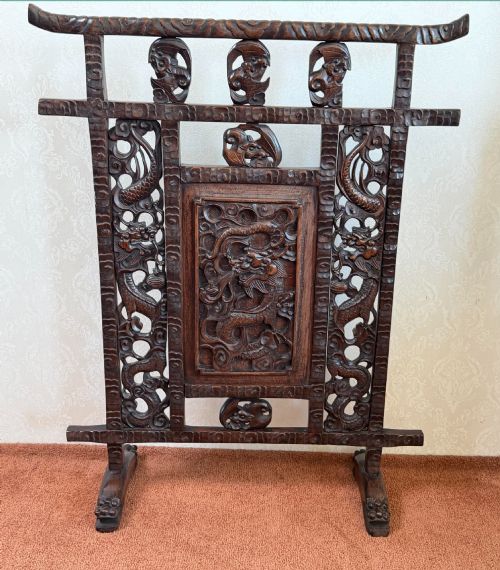
The objects serve both practical and symbolic functions within interiors, functioning as seating, storage, and architectural screens. Their presence introduces intricate surface texture and dark timber tones to domestic spaces.
Materials and Technique
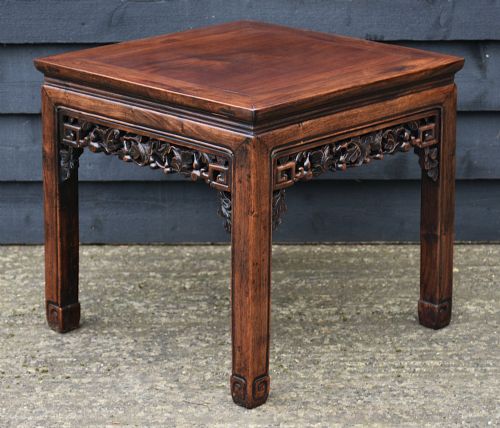
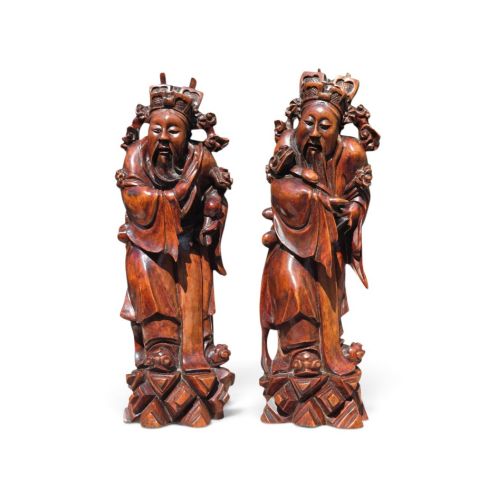
Makers utilised dense woods such as rosewood, elm, and general hardwoods, often building furniture using traditional joinery methods that accommodated wood movement without metal fasteners. Surfaces received hand-rubbed lacquers, cinnabar treatments, or inlaid mother-of-pearl details to create deep patinas.
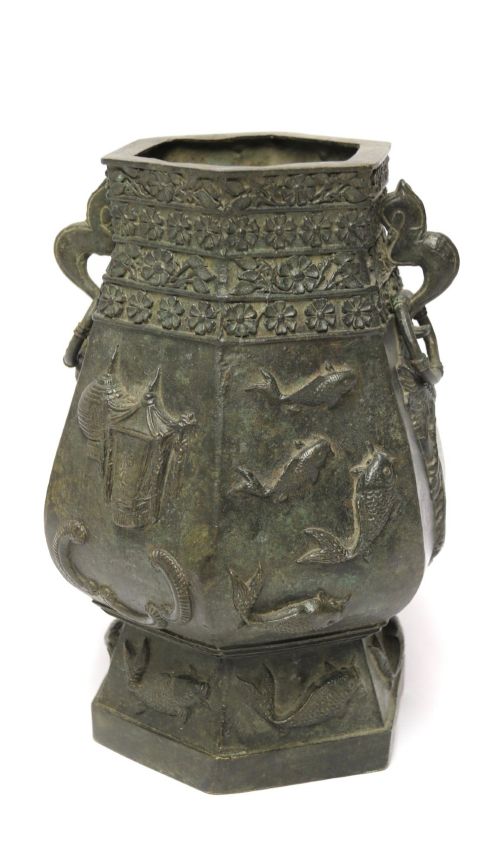
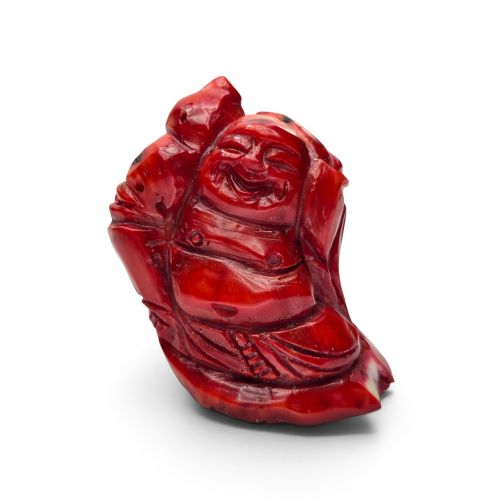
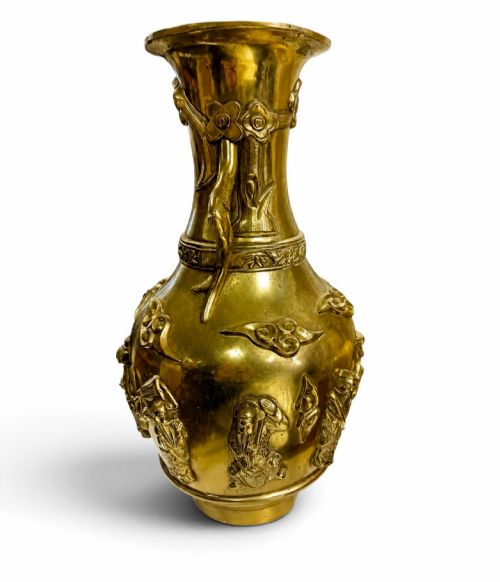
Metal items relied on bronze casting and copper-alloy construction, employing high-relief techniques to depict figures and botanical motifs with distinct depth. Carvers worked directly into root wood, bamboo, and coral, following the natural grain and contours of the raw material.
Listings feature items dated across the nineteenth century, utilising hardwood, elm, lacquer, and bronze.
Craftsmanship and Execution
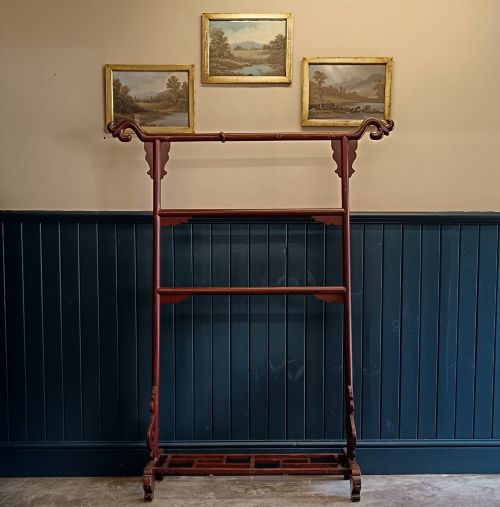
Timber selection and structural integrity separate robust forms from compromised ones, with superior items retaining original red lacquer, rich patination, and tightly fitted joinery. Secondary elements, such as inlaid mother-of-pearl panels or bronze patination, show greater care in top-tier commissions.
The 19th Century Asian Carving Glossary
- Qing Dynasty
- The final imperial dynasty of China, lasting from 1644 until 1912. Pieces from this era often incorporate traditional symbols and formal court styles.
- Meiji Period
- The era in Japanese history spanning from 1868 to 1912, marked by the restoration of imperial rule and prolific metalwork and cabinetry output.
- Ruyi Sceptre
- A curved ceremonial object shaped like a lotus fungus, serving as a talisman of power and good fortune in Chinese culture.
- Shodona
- A Japanese display cabinet featuring asymmetrical shelving and sliding doors, designed for exhibiting small art objects.
- Yokeback
- A style of Chinese chair back featuring a continuous top rail that curves outward, resembling a traditional yoke.
19th Century Asian Carving: Frequently Asked Questions
What woods were used for these pieces?
Makers relied heavily on dense tropical hardwoods, rosewood, and elm for structural furniture and smaller decorative items. These timbers offered the weight and stability required for intricate hand-carving.
Surfaces were frequently finished with natural lacquers or polished to develop a rich, dark patina over decades of handling.
How do I identify Meiji period items?
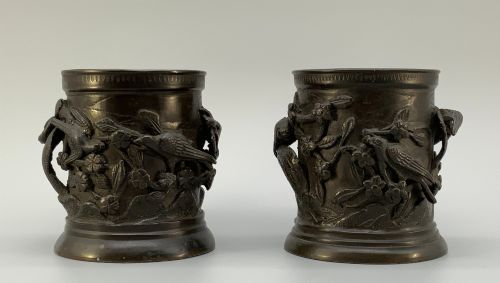
Japanese pieces from this era often take the form of bronze vases decorated with birds and blossom, or complex wooden shodona display cabinets. The craftsmanship prioritises naturalistic detail and balanced asymmetry.
Documentation or distinct regional casting marks can sometimes confirm the specific production period within the late nineteenth century.
Where should I place a large altar table?
These long, narrow hardwood surfaces function well against a hallway or living room wall, providing a stable platform for lamps or ceramics. Their clean structural lines complement both traditional and modern interiors.
Keep them away from direct heat sources to prevent the timber from drying out and splitting over time.
What is cinnabar lacquer?
Cinnabar lacquer involves applying numerous layers of coloured resin to a wooden core before carving intricate designs directly into the hardened surface. This technique produces deep relief patterns depicting dragons, figures, or landscapes.
The resulting finish offers a distinctive tactile quality and a warm, reddish tone that deepens with age.