


19th Century Arched Mirror
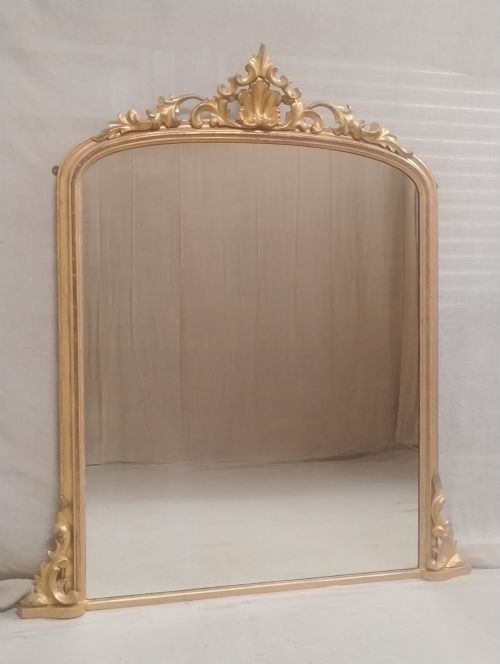
These pieces bring light and architectural presence to a room, offering the classic proportions of a 19th century arched mirror.
19th Century Arched Mirror
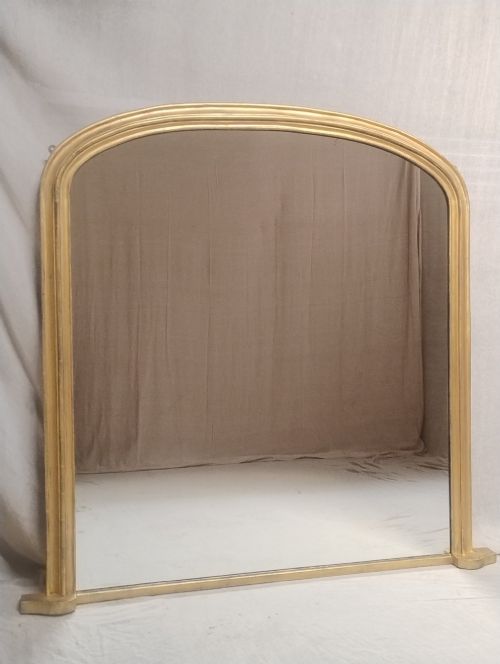
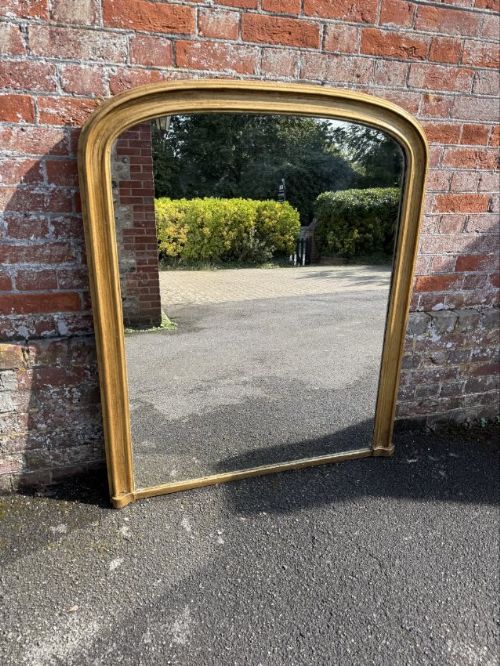
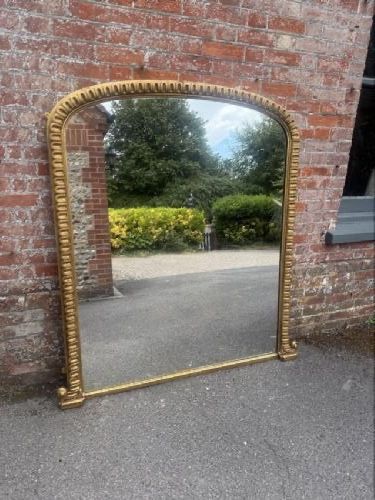
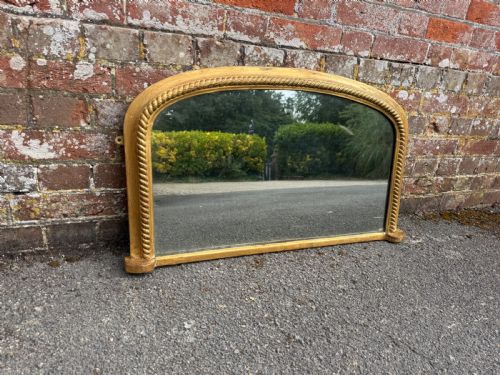
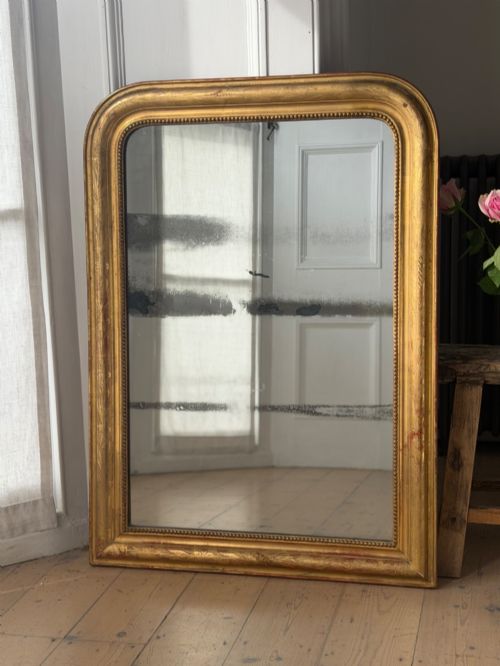
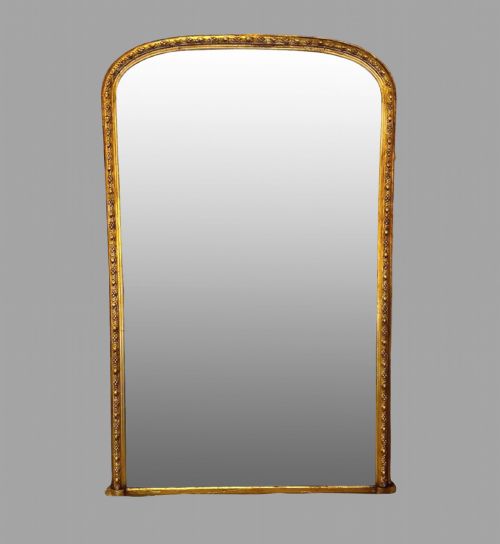
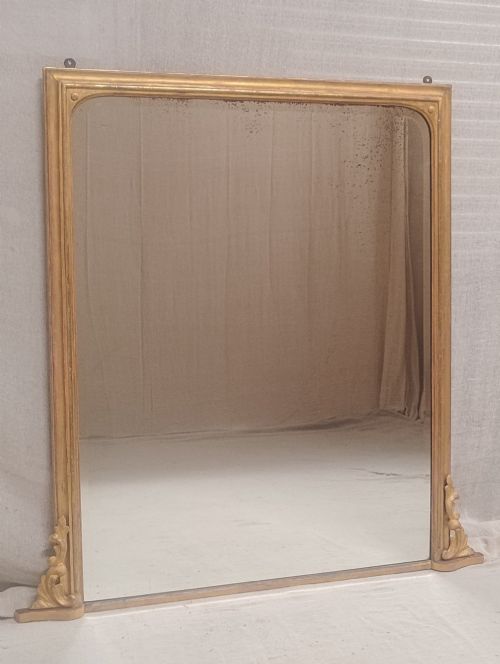
A 19th century arched mirror typically serves as an overmantel piece, designed to sit above a fireplace with an elegant curved top. These items originate from English and French traditions spanning the Victorian era, the Louis Philippe period, and the broader nineteenth century.
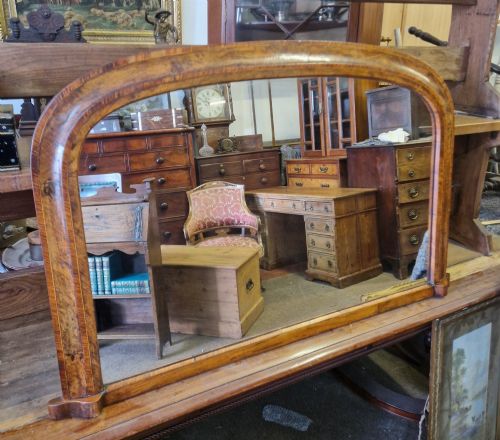
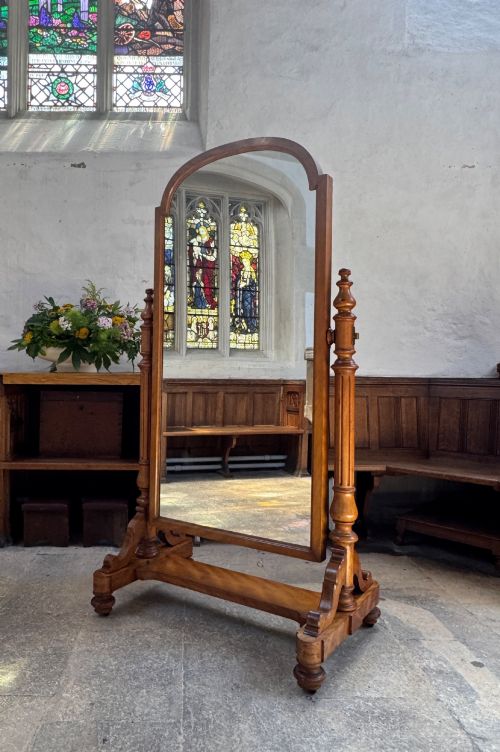
Beyond grand overmantels, buyers encounter tall pier mirrors, wall mirrors, and occasional cheval or dressing table variants. Frameworks range from heavily ornamented giltwood and gesso to simpler timber constructions in walnut, satin birch, and oak.
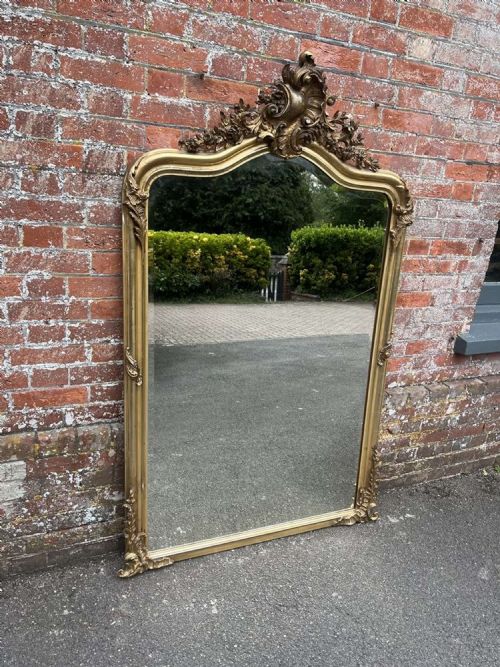
The aesthetic vocabulary encompasses French chateau styles, Rococo revival motifs, and restrained Regency lines. Many examples demonstrate substantial proportions intended to anchor a room and reflect maximum light.
How They Were Made
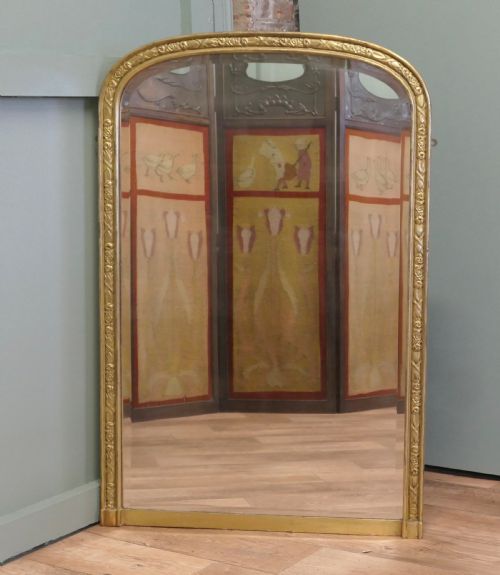
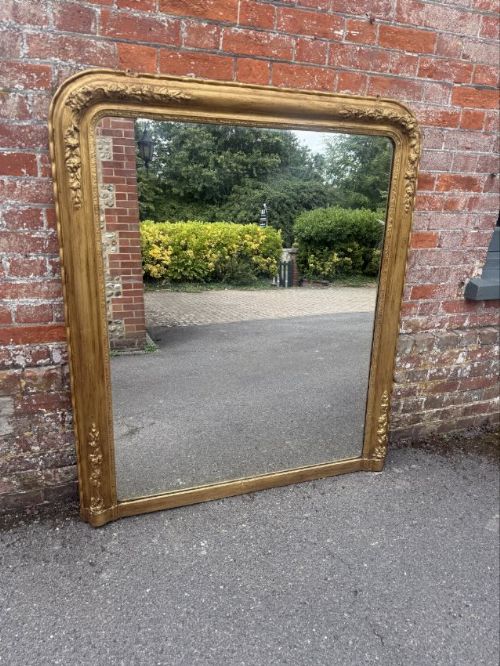
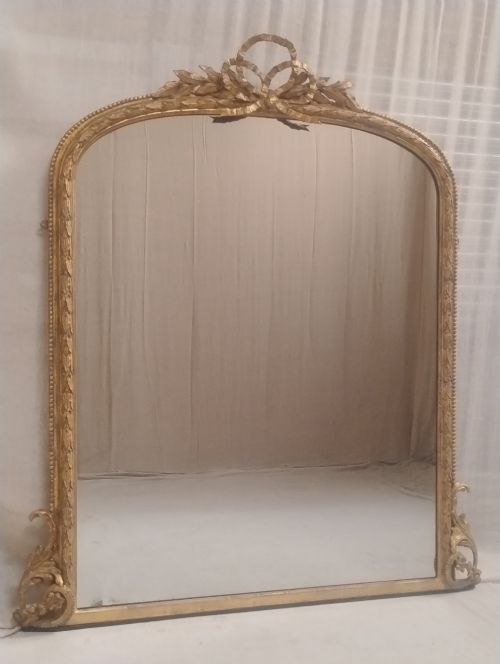
Craftsmen built the structural frames primarily from timber such as pine, oak, or walnut, often applying a layer of gesso to create a smooth surface for ornamentation. Carved wooden elements and moulded gesso details formed the complex scrollwork, rope twists, and floral motifs seen on the frames.
Makers finished these surfaces using gold leaf, liquid gilding, or paint to achieve a reflective metallic sheen. Mirror glass was securely fitted into the rebate, occasionally utilising historical mercury techniques that developed characteristic foxing over time.
Some nineteenth-century mirrors spent their lives watching generations of families argue over parlour games.
What Varies in Quality
The crispness of the carved woodwork and the depth of the applied gesso ornamentation define the upper tier of craftsmanship. Finer pieces retain their original gilding and integrated crestings without heavy modern intervention.
Structural integrity of the large wooden frame joints and the preservation of the original mirror plate heavily influence the overall standard of the object. Subtle variations in the complexity of the moulded borders, from plain frames to intricate tulip or rope carvings, distinguish standard production from exceptional examples.
The 19th Century Arched Mirror Glossary
- Gesso
- A plaster-like mixture applied to wooden frames as a base for carving and gilding. This material allowed artisans to mould intricate relief patterns before applying gold leaf.
- Overmantel Mirror
- A large mirror specifically designed to hang on the wall directly above a fireplace mantelpiece. These pieces often feature an arched top to match architectural fireplace recesses.
- Giltwood
- Timber that has been coated with thin sheets of gold leaf or metallic powder. It provides the characteristic bright, reflective finish seen on nineteenth-century decorative frames.
- Foxing
- The natural ageing of mirror glass resulting in small dark spots and mottled patches. This occurs as the backing degrades over decades of exposure to ambient conditions.
- Pier Mirror
- A tall, narrow mirror traditionally hung on the pier or wall space between two windows. They frequently feature rectangular or arched tops designed to maximise interior light.
19th Century Arched Mirror: Frequently Asked Questions
Where should an overmantel mirror be hung?
These mirrors traditionally mount directly onto the wall space above a fireplace mantel. Their proportions suit wide horizontal expanses and help anchor the hearth visually within the room.
Alternatively, large leaner mirrors can stand upright against a wall without permanent fixings. This placement suits larger reception rooms and allows the piece to reflect light from lower angles.
What is Louis Philippe style?
This French design aesthetic dates from the mid-nineteenth century and emphasises clean, understated elegance. The frames typically feature softer, rounded upper corners rather than heavy, ornate carving.
Such pieces integrate easily into contemporary and traditional interiors alike due to their restrained decoration and balanced proportions.
How do I identify mercury glass?
Older mirror plates often display characteristic foxing, which appears as mottled dark spots and cloudy patches across the reflective surface. This occurs as the historical backing materials age and react with the environment over generations.
Modern replacements generally present a uniform, unblemished reflection without these distinct signs of age.
What is the difference between gesso and carved wood?
Carved wood involves shaping the actual timber frame using chisels and gouges to form the structural decoration. Gesso is a chalky paste applied over the wood base and moulded into intricate relief details.
Many nineteenth-century frames combine both techniques, using a wooden core with applied gesso ornaments for complex scrollwork.