




19th Century Apothecary Drawers
These 19th century apothecary drawers offer multiple compartments for tidy storage, appealing to collectors seeking period utility and character.
19th Century Apothecary Drawers
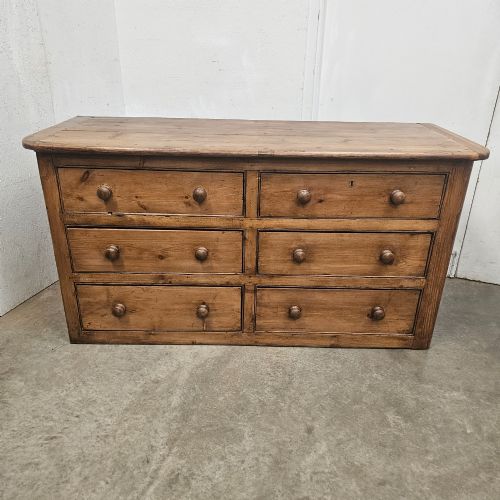
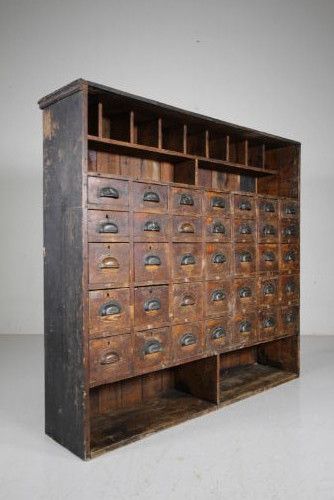
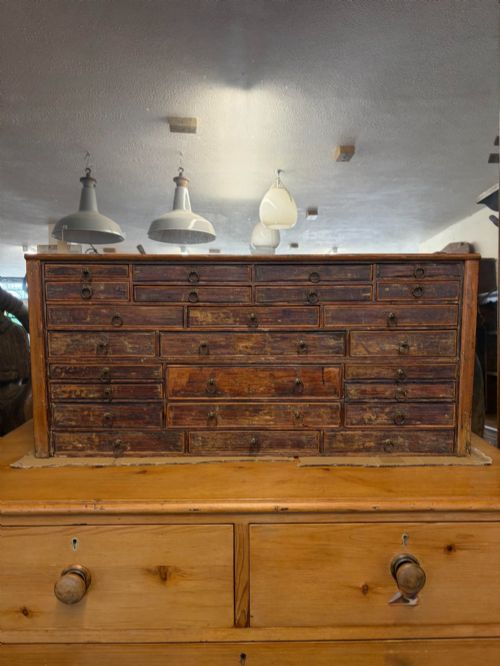
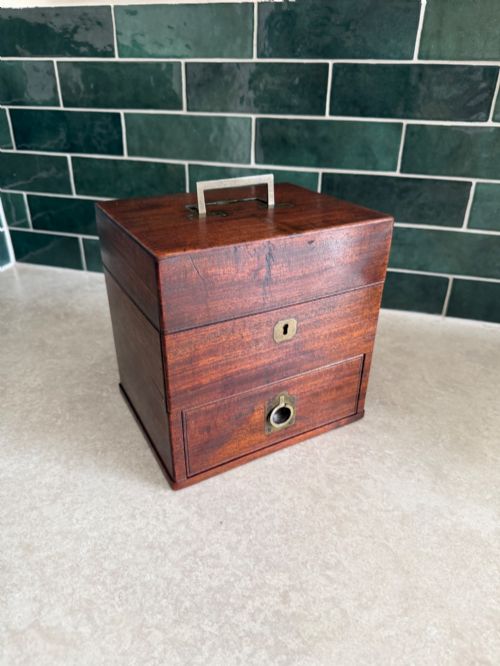
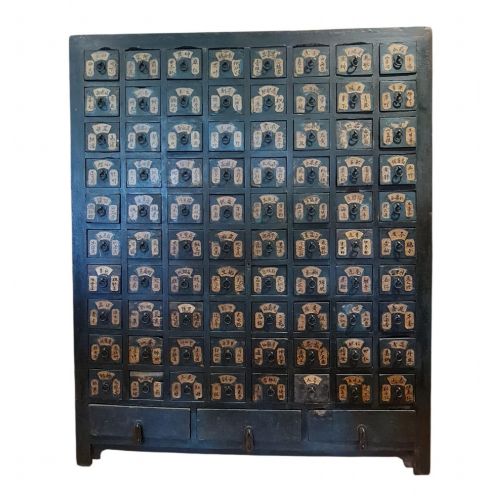
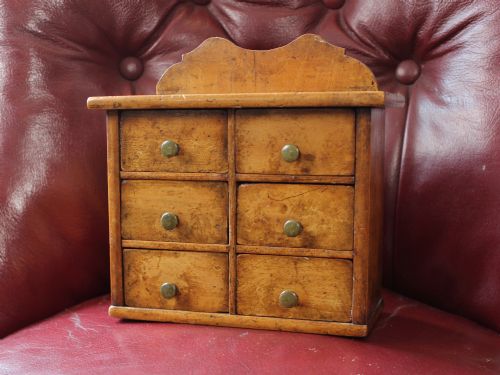
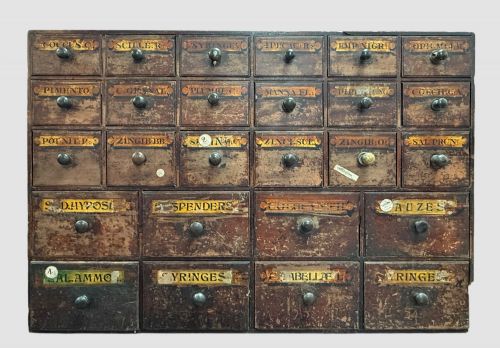
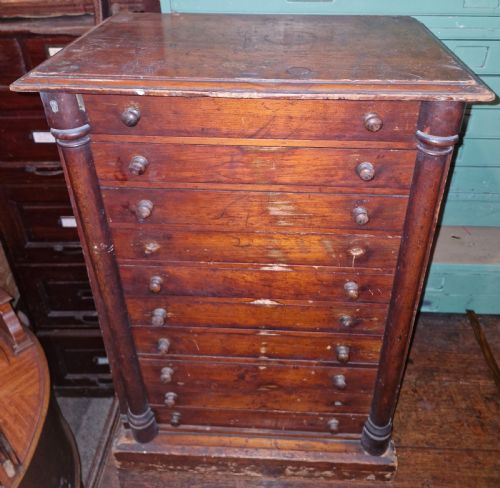
When you search for 19th century apothecary drawers, you find multi-drawer banks, storage cabinets, and compact travelling cases designed for medicines and specimens.
The version you meet most often on this page is a substantial bank of drawers or a smaller collectors cabinet originating from the Victorian period.
Makers shaped these utilitarian pieces in various regional styles, ranging from English and French workshops to Chinese provincial centres.
Materials and Construction
Carpenters constructed the primary frames of these pieces using sturdy timbers like mahogany, oak, walnut, pine, and elm.
Workshops fitted many of these cabinets and boxes with brass handles, glass bottles, and internal velvet linings for delicate contents.
19th Century Apothecary Drawers Retail Price Guide 2026
Typical asking prices for 19th century apothecary drawers among the pieces listed under this phrase on Sellingantiques today, from the lower quarter to the upper quarter. They describe what is for sale here now, not the wider market.
Listings feature mahogany, walnut, oak, pine, and elm timber across the nineteenth century.
Distinction in Craft
Quality separates through the selection of timber, such as solid mahogany or burr walnut against deal or secondary pine.
Refined hardware, tightly dovetailed drawer construction, and original fitted interiors elevate the standing of a cabinet.
Luxmore's of Ilfracombe
The 19th Century Apothecary Drawers Glossary
- Apothecary box
- A portable wooden case fitted for carrying medicinal bottles and scales. These compact chests often include secret compartments and sliding trays.
- Bank of drawers
- A large multicipient storage unit housing numerous small compartments. Pharmacists and merchants utilised these structures for organising inventory.
- Collectors cabinet
- A specialist piece designed to store botanical, geological, or entomological specimens. These units typically feature shallow, dust-sealed drawers.
- Deal
- A general historical term for fir or pine timber. Workshops utilised deal extensively for carcass construction and secondary elements.
19th Century Apothecary Drawers: Frequently Asked Questions
What were apothecary drawers used for?
Apothecaries and chemists used these multi-drawer units to sort herbs, powders, pills, and prepared medicines in daily practice.
They kept remedies organised and protected from light and moisture until a prescription was required.
How do I date an apothecary cabinet?
You look at the construction methods, timber choices, and hardware styles to determine the approximate decade of manufacture.
Victorian pieces often display dense hardwoods, machine-sawn elements, and standardised brass drawer pulls.
Are these cabinets suitable for modern homes?
These multi-compartment units fit well in studies, kitchens, or hallways for organising small household items and collections.
Their substantial drawer counts provide practical storage while adding period character to a room.
What is the difference between a cabinet and a box?
Cabinets remain stationary as heavy furniture pieces, whereas boxes are portable chests designed for travel or desktop use.
Travelling boxes usually contain fitted glass bottles and small scales alongside a primary storage drawer.