



Vintage Pharmacy Cabinet
These vintage pharmacy cabinet pieces bring industrial strength and utilitarian beauty into modern spaces, offering serious storage with genuine historic character.
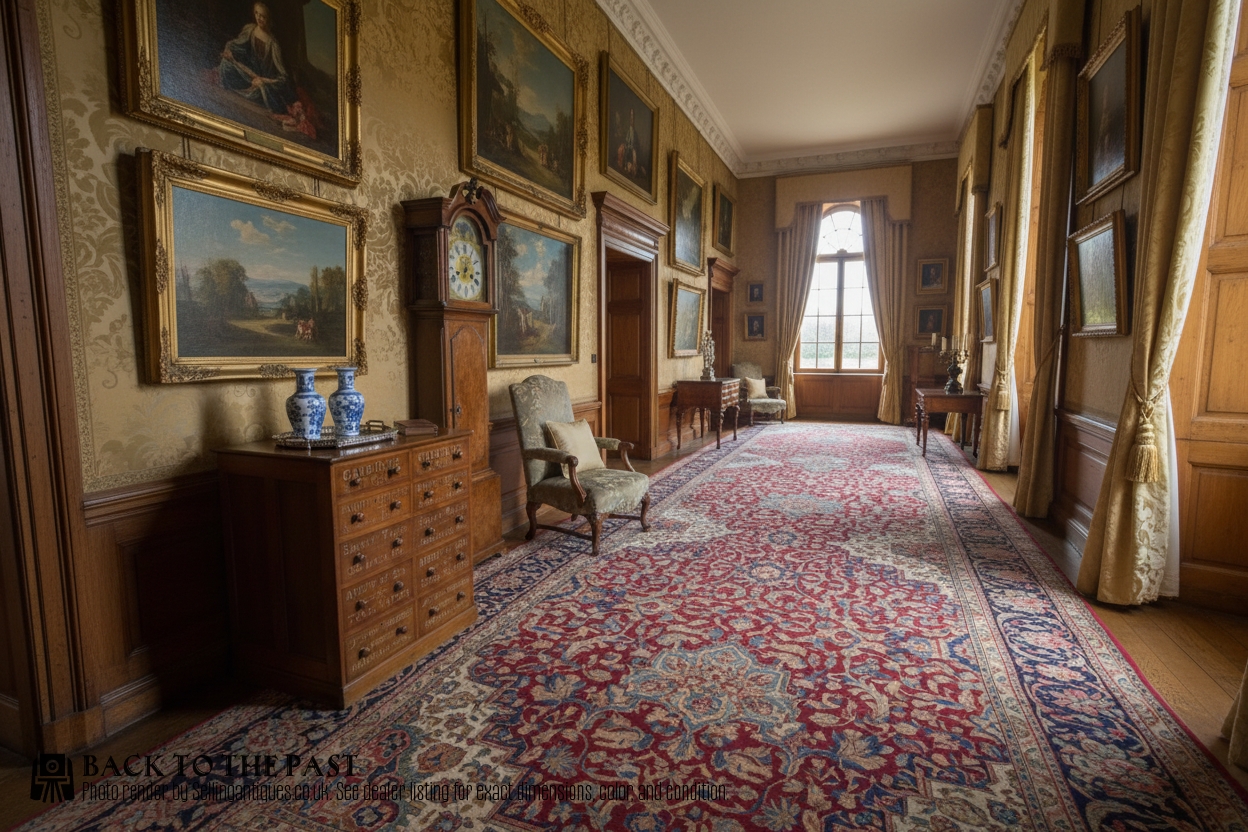
Vintage Pharmacy Cabinet
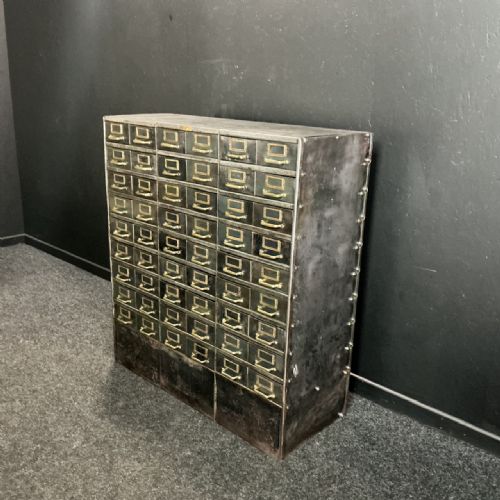
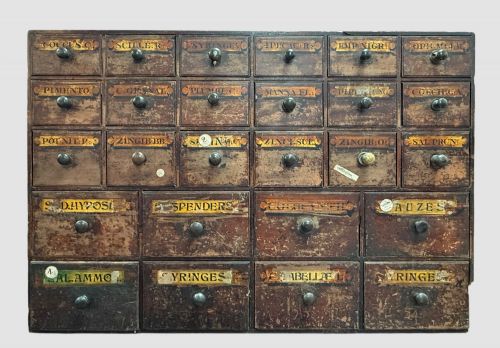
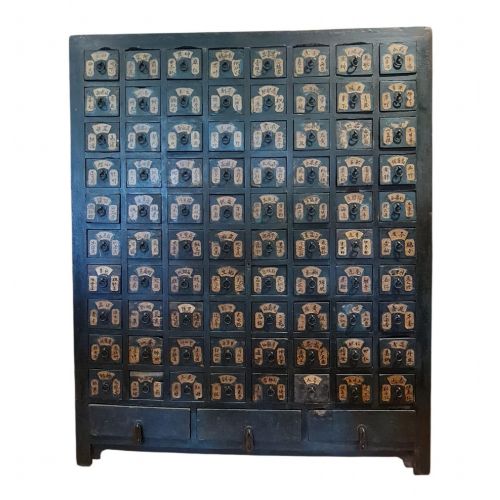
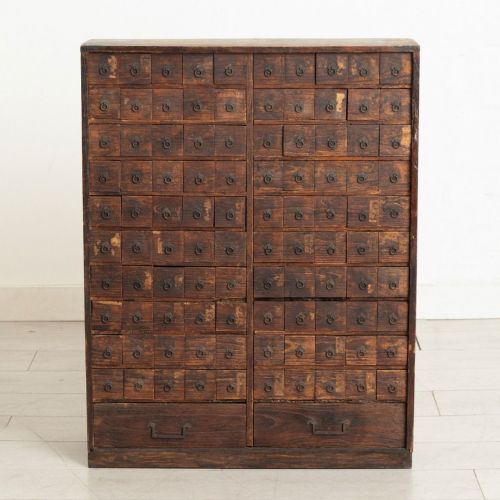
When you search for vintage pharmacy cabinet, you uncover utilitarian storage forms designed for medical, retail, and domestic dispensing purposes across several centuries. The selection spans robust banks of drawers from chemist shops alongside smaller countertop apothecary boxes.
The objects most frequently met on this page include multi-drawer banks in mahogany and pine, together with compact tabletop chests intended to hold medicines or dental equipment. These range from early nineteenth-century examples to later industrial filing units and display counters.
Origins stretch from British Victorian commercial workshops to Chinese elm provincial pieces and Japanese apothecary units. Buyers choose these forms for their exceptional compartmentalisation and honest industrial aesthetic.
What varies in quality
Construction density and timber selection divide the utilitarian workshop pieces from fine retail furniture. Dense mahogany and burr walnut with intricate inlay represent the higher commercial tier, while painted pine and industrial steel serve purely functional roles.
Completeness dictates standing within the market, particularly the presence of original glass bottles, internal partitions, and working brass locks. Surface patination, honest wear, and the retention of original multi-drawer configurations separate unmodified survivals from heavily altered examples.
Vintage Pharmacy Cabinet Retail Price Guide 2026
Typical asking prices for vintage pharmacy cabinet among the pieces listed under this phrase on Sellingantiques today, from the lower quarter to the upper quarter. They describe what is for sale here now, not the wider market.
Some nineteenth-century apothecary boxes still harbour the faint, lingering scent of dried roots and historic unguents inside their tiny compartments.
The Vintage Pharmacy Cabinet Glossary
- Apothecary chest
- A multi-drawer cabinet originally used by practitioners to store medicinal herbs, powders, and compounded drugs. These usually feature numerous small drawers to organise varied ingredients.
- Chemist shop fitting
- Large-scale cabinetry built specifically for commercial pharmacy interiors during the nineteenth and early twentieth centuries. These pieces often include banks of drawers and glass display counters.
- Dentist cabinet
- A specialised storage unit containing numerous shallow drawers and pivoting compartments designed for dental tools and supplies. Walnut and mahogany were frequently selected for these dental pieces.
- Medical cabinet
- A utilitarian storage unit, often constructed from painted steel or heavy timber, designed to hold clinical supplies and dressings in a sanitary environment.
- Campaign box
- A portable wooden chest fitted with brass corners and recessed handles for transport by travelling physicians or military officers. These interiors contain fitted compartments for glass bottles.
Vintage Pharmacy Cabinet: Frequently Asked Questions
What is a pharmacy cabinet?
A pharmacy cabinet is a piece of utilitarian furniture designed to store medicines, powders, and medical instruments in a dispensary or shop. They typically feature numerous small drawers or glass-fronted display areas.
Historically utilised by apothecaries, chemists, and dentists, these cabinets prioritise organisation and secure storage. Today, collectors value them for their versatile storage capacity and distinct historic aesthetic.
How were apothecary chests used?
Apothecary chests held dried herbs, mineral compounds, and prepared pills in separate small compartments to prevent cross-contamination. Labelled drawers allowed practitioners to locate specific ingredients quickly during busy dispensations.
Portable versions, such as apothecary boxes, permitted travelling doctors to carry essential remedies and glass bottles safely. Domestic variants also existed for household first-aid storage.
How do I date a cabinet?
Dating relies on examining timber choices, construction techniques, and hardware styles across different periods. Georgian and Regency pieces often showcase fine mahogany and inlaid details, while Victorian examples lean toward heavier commercial bank layouts.
Industrial pieces from the 1920s and 1930s introduce steel construction and simpler utilitarian lines. Examining drawer dovetailing and backboards provides further clues regarding manufacture date.
Where can I put one?
These cabinets suit kitchens, bathrooms, and living spaces where compartmentalised storage is useful. Multi-drawer banks work well as kitchen islands or sideboards for cutlery and linens.
Countertop display units sit neatly on tables or desks to showcase collections behind glass. Their slim depths often fit narrow hallways or studies effectively.