



Brown Wooden Spice Chest
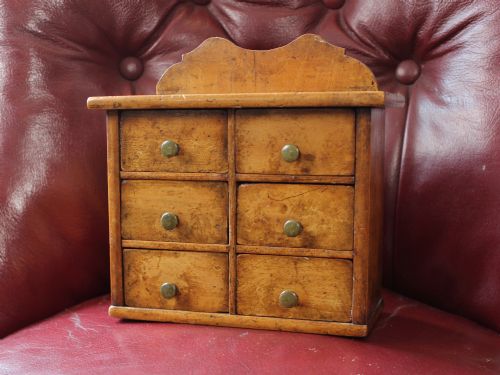
These brown wooden spice chest examples offer compact storage with deep historical character, drawn from Georgian, Victorian, and early twentieth-century origins.
Brown Wooden Spice Chest
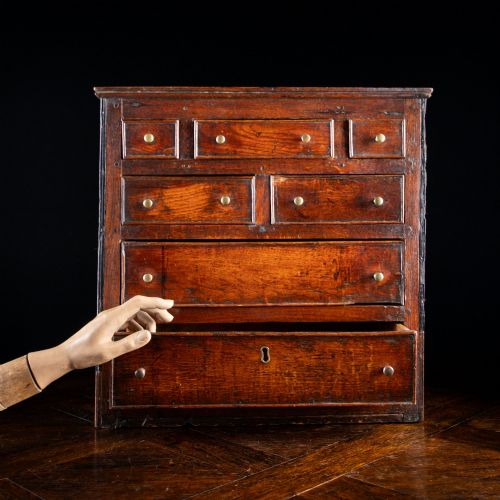
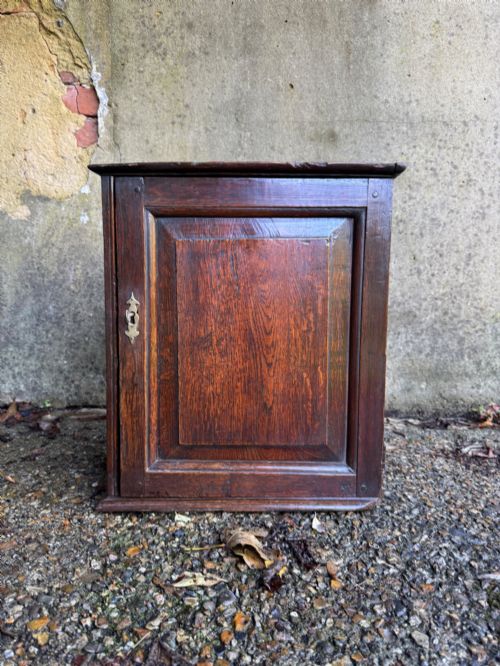
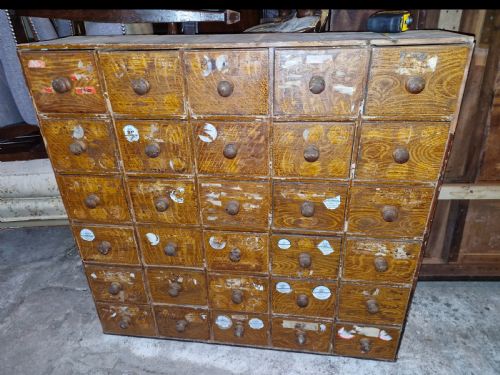
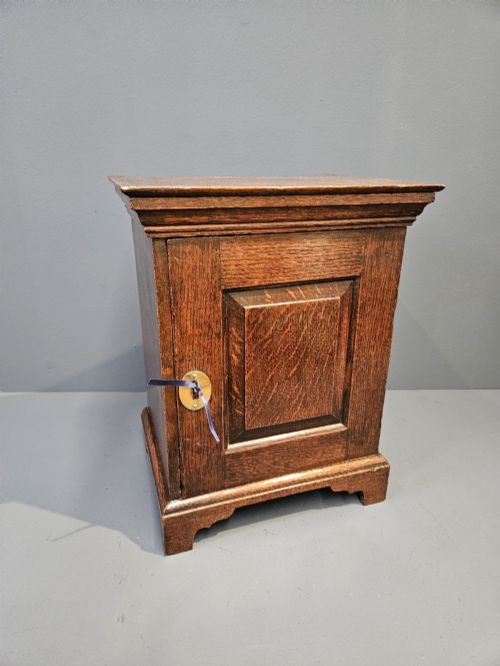
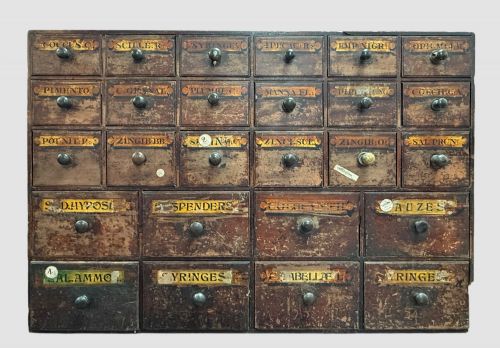
A brown wooden spice chest brings together small banks of drawers, wall-hanging spice boxes, and miniature cabinets designed for domestic or apothecary use. Buyers searching for a brown wooden spice chest encounter pieces spanning the Georgian and Victorian periods, alongside early twentieth-century examples.
The forms vary from miniature chests of drawers and apothecary cabinets to table cabinets and wall-mounted spice boxes. Many of these pieces serve as practical storage for small items while displaying traditional joinery and period charm.
How they were made
These pieces rely on solid timber construction utilising oak, mahogany, fruitwood, pine, and softwood. Makers frequently paired primary hardwoods like oak and mahogany with secondary softwoods for internal drawer framing and carcases.
Hardware details typically include brass fixtures, handles, and escutcheons that complement the dark tones of the wood. Surface finishes range from simple waxed fruitwood to carved soft wood details on late nineteenth-century table cabinets.
Brown Wooden Spice Chest Retail Price Guide 2026
Typical asking prices for brown wooden spice chest among the pieces listed under this phrase on Sellingantiques today, from the lower quarter to the upper quarter. They describe what is for sale here now, not the wider market.
The forms recorded include miniature chests of drawers, apothecary cabinets, wall-hanging spice boxes, and double chemist drawer units.
What varies in quality
Quality rests upon the choice of timber and the precision of the cabinetmaking, distinguishing robust Georgian and Victorian examples from simpler utility boxes. Fine grain selection in mahogany, oak, and fruitwood elevates the visual presence of the piece.
The integrity of the small drawer construction and the retention of original brass hardware mark the distinction between standard workshop production and finer bespoke miniature furniture.
The Brown Wooden Spice Chest Glossary
- Bank of drawers
- An arrangement of multiple small drawers stacked vertically or horizontally within a single cabinet frame. This form is common in apothecary and spice storage furniture.
- Apothecary cabinet
- A small chest fitted with numerous small drawers originally intended for storing medicinal ingredients and remedies. These pieces often feature durable hardwood construction.
- Spice cupboard
- A small wall-mounted or table-standing cabinet designed to keep culinary ingredients secure and dry. They typically feature a single panelled door or a series of small internal drawers.
- Miniature furniture
- Scale models or small-scale chests produced by cabinetmakers as apprenticeships pieces or for desktop use. They duplicate the construction methods of full-sized furniture in miniature.
Brown Wooden Spice Chest: Frequently Asked Questions
What were spice chests used for?
These small chests originally stored valuable culinary spices, herbs, and medical remedies in domestic kitchens and apothecaries.
Today, they serve as decorative storage for small household items, jewellery, or collections.
How do I date a wooden spice chest?
Dating relies on identifying timber species, construction methods, and hardware styles associated with periods like the Georgian and Victorian eras.
Secondary woods, dovetail joints, and brass handles offer key physical clues to the age of the piece.
Are apothecary chests the same as spice chests?
Apothecary chests were generally built for chemists and homeopaths to store medicines, while spice chests focused on kitchen provisions.
Both share a multi-drawer format, making them visually similar and equally useful for small storage.
Where should I place a miniature chest?
Miniature chests and wall-hanging boxes suit small spaces, sideboards, or kitchen counters where full-sized furniture will not fit.
Keep them away from direct heat sources to protect the historic timber and polish.