
19th Century Animal Portrait
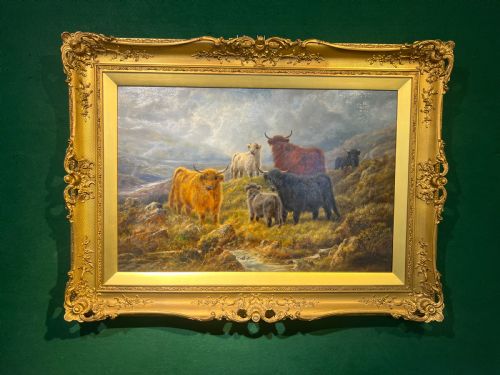
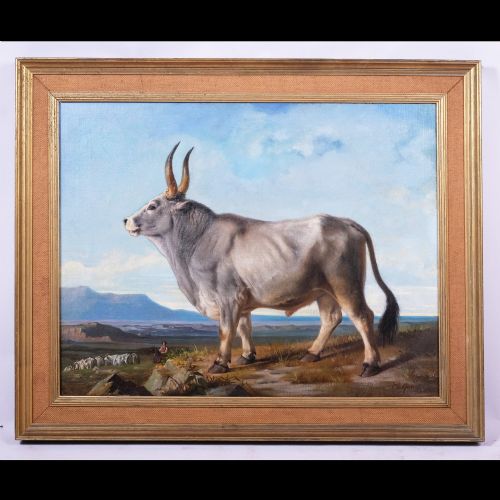
These 19th century animal portrait works capture horses, dogs, and livestock in oil and watercolour.
19th Century Animal Portrait
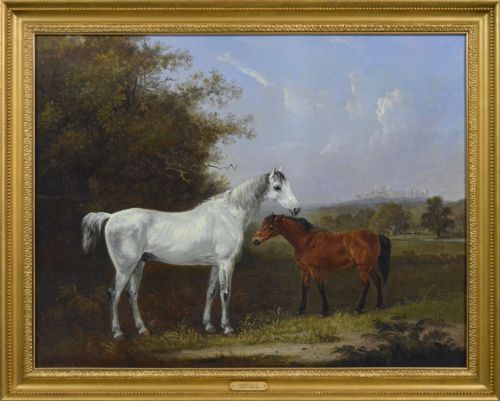
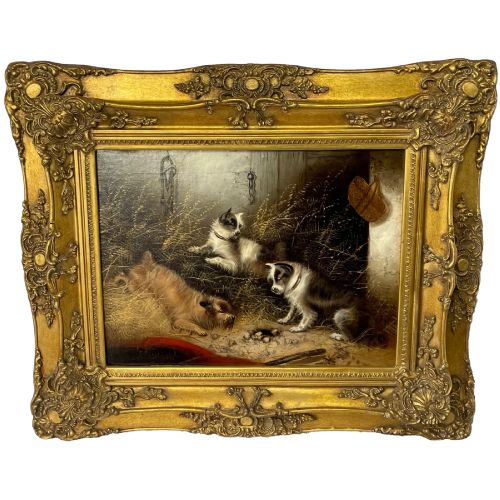
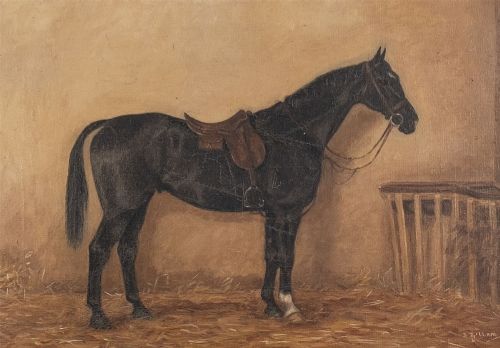
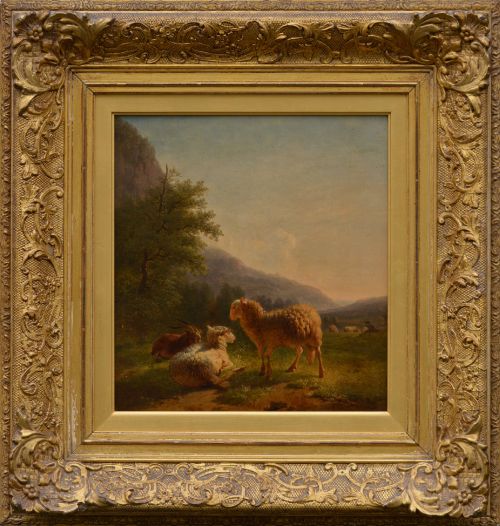
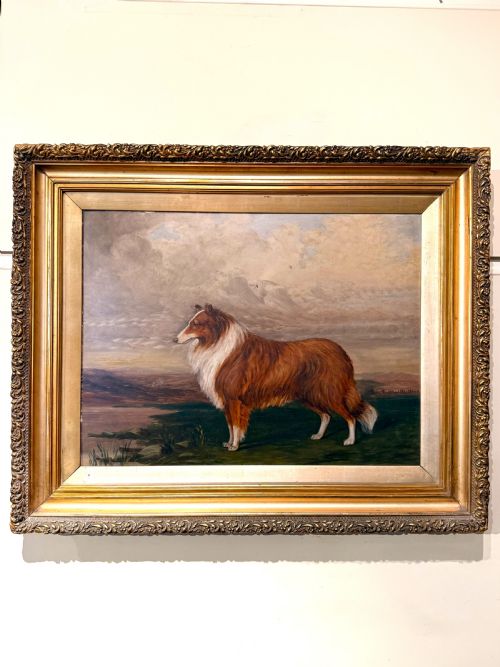
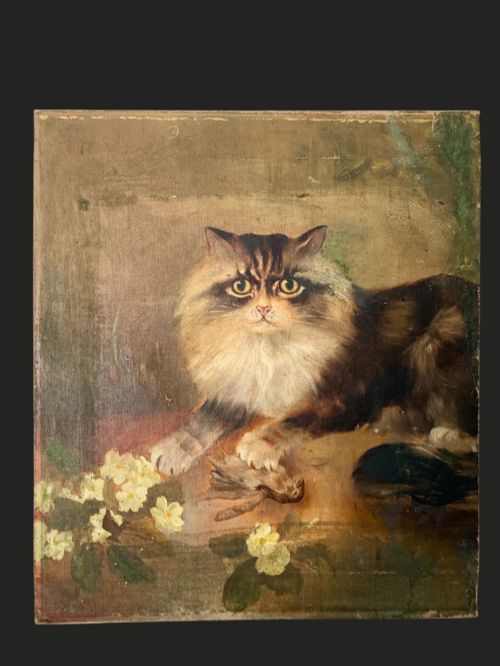
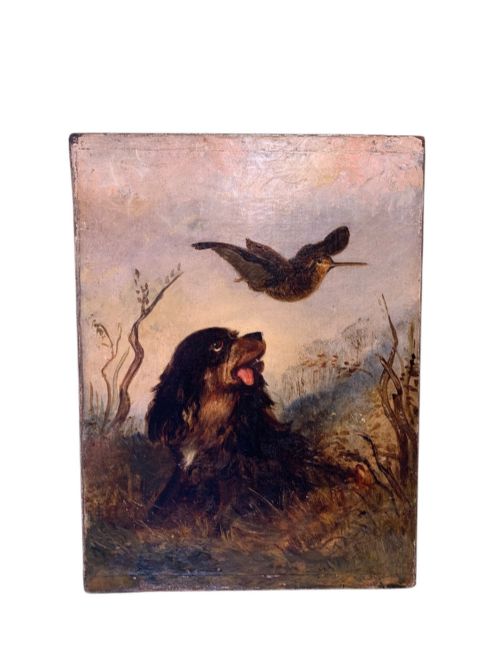
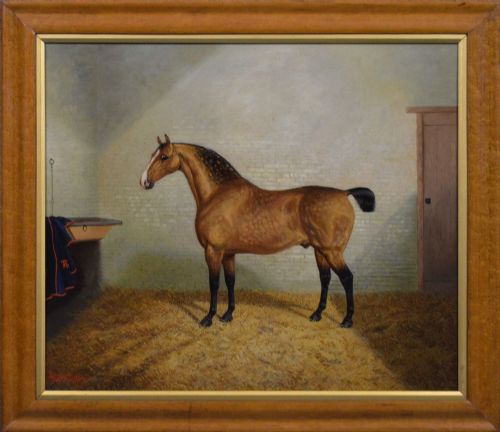
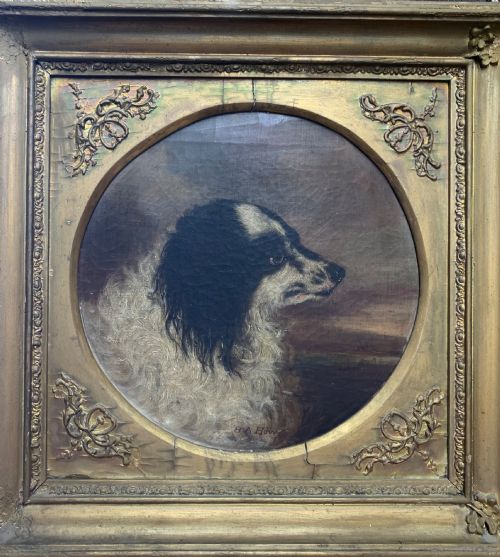
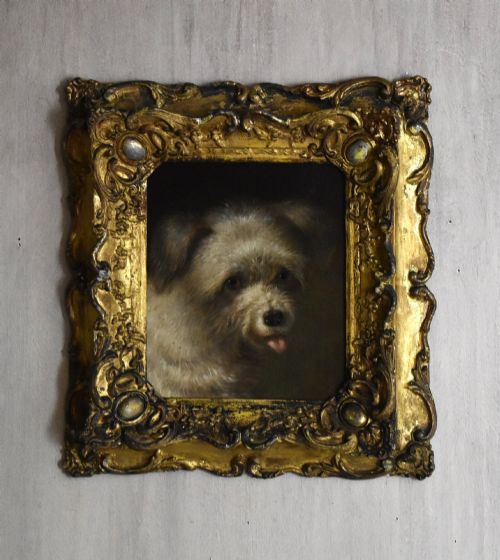
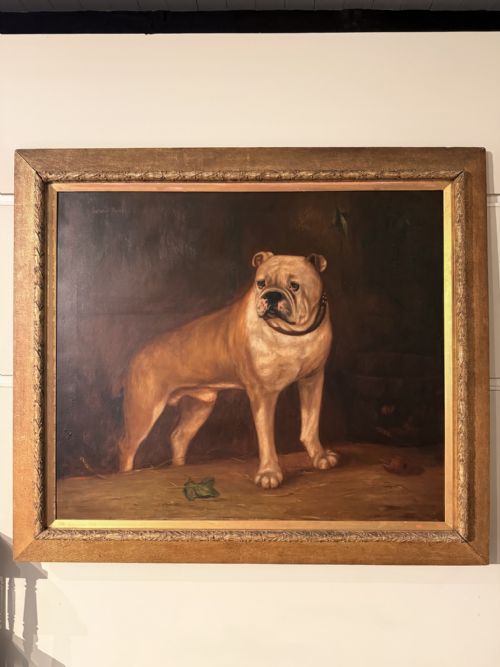
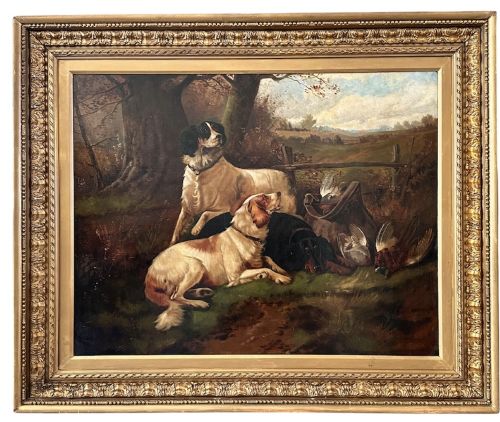
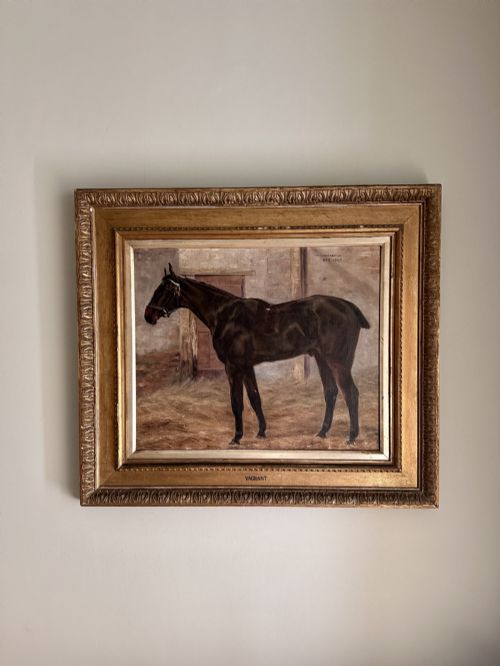
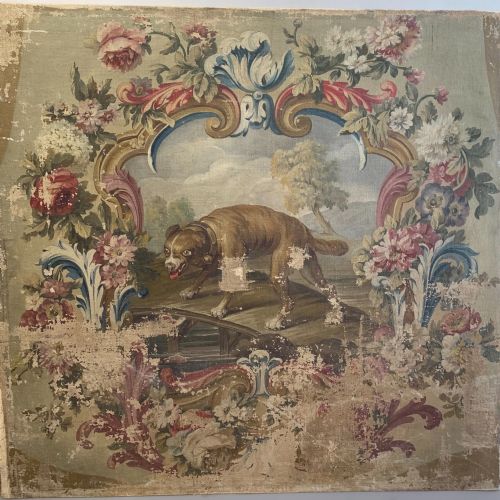
Every 19th century animal portrait on this page presents specific creatures, from prized hunters and gun dogs to domestic cats and farm livestock, rendered with distinct individual character.
The selections span canvas, wood panels, and paper, reflecting a period when equine and canine subjects held high value for owners who commissioned artists to record their animals.
Buyers meet works categorized under Victorian sporting art, naive school, and academic realism, showing domestic companions alongside working animals in landscapes or stable interiors.
Materials and methods
Painters applied oil paint onto stretched canvas or wooden board, occasionally employing watercolour on paper for lighter compositions.
Giltwood frames with plaster gesso mouldings frequently enclose these pieces, providing the traditional border associated with period fine art.
Several canvases record specific animals with grand names, proving that Victorian pets held as much household importance as human family members.
Evaluating standard and execution
Anatomy, proportion, and the rendering of light on animal coats separate academic commissions from simpler naive school representations.
The handling of background landscapes and the psychological depth in the subject's eye distinguish proficient studio output from standard decorative pieces.
Eugène Verboeckhoven·Albert Clark·Martin Theodore Ward·John Sargent Noble·Robert Watson·Fred Fitzpatrick·Alfred Arthur Brunel de Neuville·John Emms·William Henry Mander·Thomas Sidney Cooper·George Lance·William Barraud·Samuel Raven·Sir Edwin Landseer·Colin Graeme Roe·Agnes Augusta Talboys·John Trivett Nettleship·Helena Maguire·Samuel Spode·Fannie Moody·Robert Cleminson
The 19th Century Animal Portrait Glossary
- Naive school
- An art style characterised by a childlike perspective and flat perspective, often seen in self-taught folk art depictions of animals.
- Gesso
- A plaster mixture applied to wood or canvas as a base for paint, or moulded into decorative relief patterns on frames.
- Sporting art
- Genre painting dedicated to depicting field sports, hunting, horses, and dogs, prominent throughout the Victorian era.
- Giltwood
- Wood carved and covered with a thin layer of gold leaf, typical of period picture frames.
19th Century Animal Portrait: Frequently Asked Questions
What animals appear in these portraits?
The subjects include horses, hunting hounds, terriers, spaniels, cattle, sheep, lions, and domestic cats.
Artists recorded specific named animals for estate owners alongside general rural livestock and pets.
How do I date a painting?
Dating relies on artist lifespan records, inscribed dates on the reverse, and stylistic markers of Victorian or Regency periods.
Clothing of any human figures present and framing materials also offer chronological clues.
Where were these paintings displayed?
Original owners hung these works in country houses, estate libraries, hunting lodges, and stable offices.
They demonstrated the owner's wealth, sporting interests, and affection for particular animals.
Are watercolours common?
Oils on canvas or wood panel form the vast majority of surviving works from this era.
Watercolour examples exist but appear less frequently than heavy oil paintings.