



Antique Oil Canvas Dogs
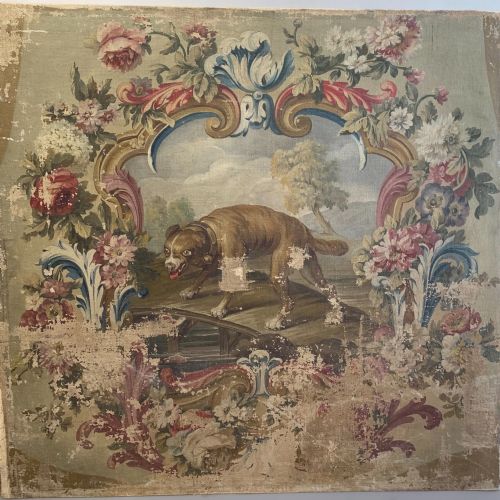
When you search for antique oil canvas dogs, you encounter centuries of canine portraiture and sporting art rendered in oil on canvas.
Antique Oil Canvas Dogs
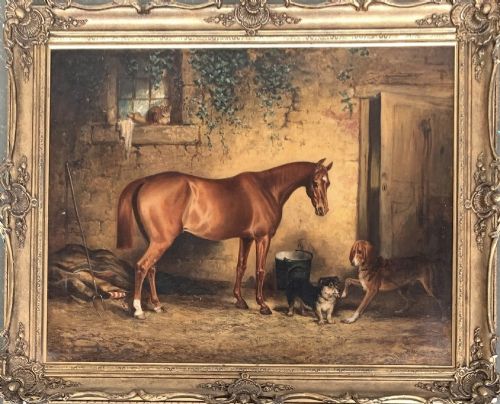
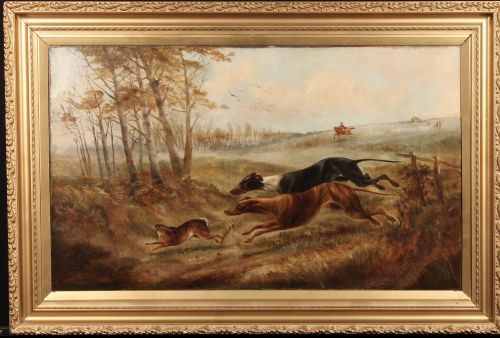
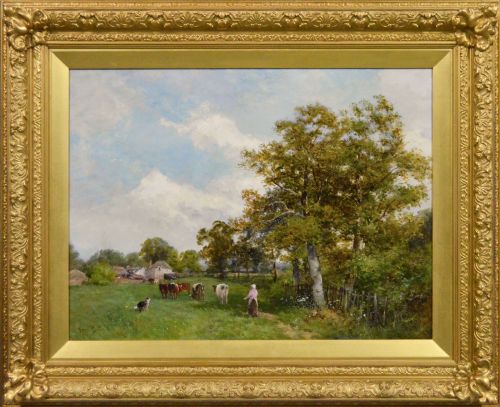
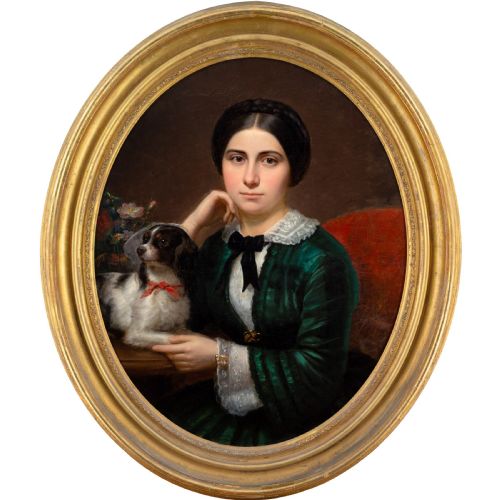
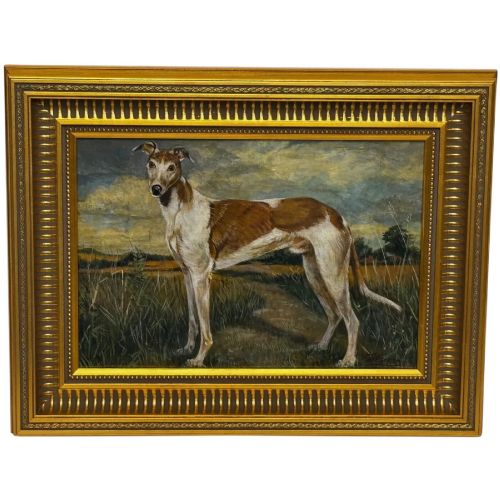
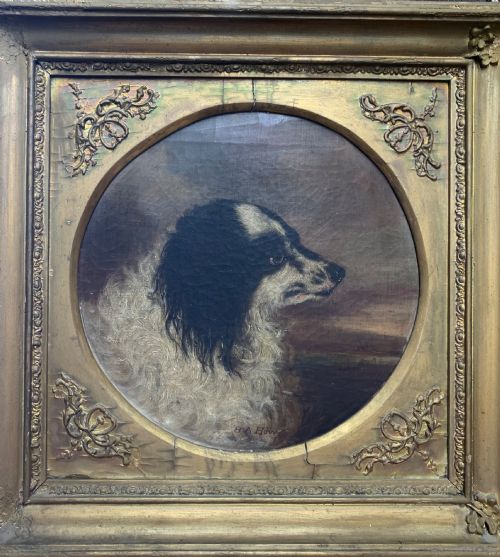
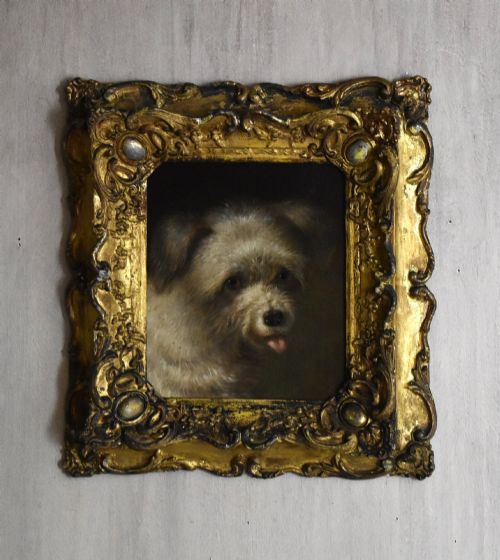
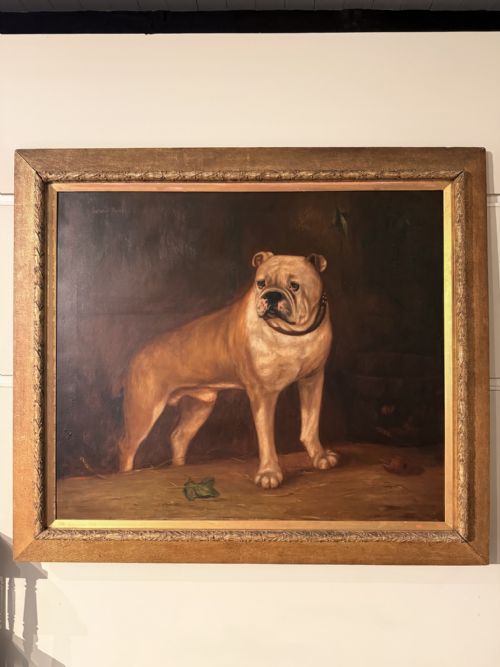
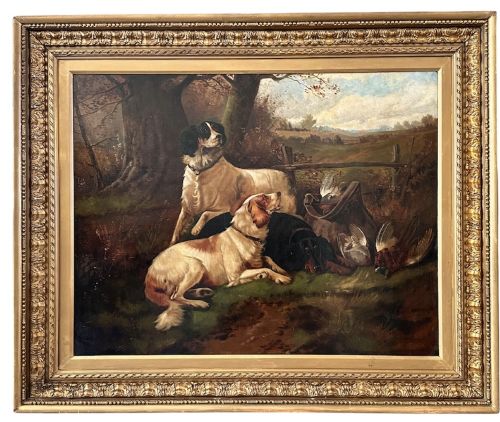
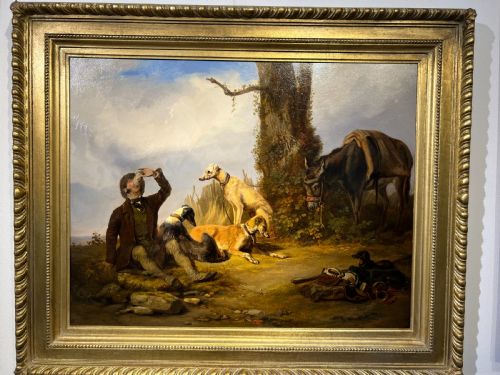
When searching for antique oil canvas dogs, buyers encounter fine art oil paintings depicting various canine subjects from multiple centuries. These works range from individual portraits of specific pets to expansive sporting scenes featuring gun dogs, terriers, and hounds in rural landscapes.
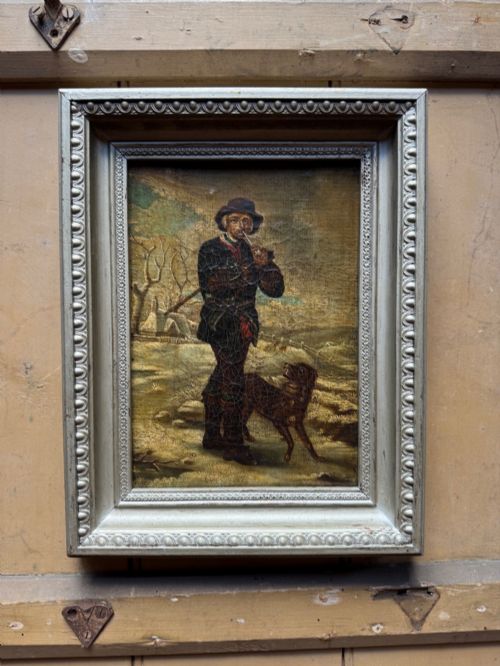
The selections span distinct periods, including the Victorian era, the nineteenth century, and earlier seventeenth-century works, alongside mid-twentieth-century pieces. Common formats include framed oils on canvas, depicting animals either as standalone subjects or alongside human companions and farm animals.
British and European schools dominate the selections, reflecting traditions in sporting art and animal portraiture. Buyers meet both signed works by known artists and naive or school pieces from regional makers.
How they were made
These works utilise oil paint applied to woven canvas supports, stretched over wooden frames and often housed in gilt or gilded wood frames. The combination of oil pigments and canvas allows for layered depth, subtle blending of animal coats, and rich tonal variations in the surrounding landscapes.
Period framing typically involves carved wood finished with gold leaf or gilt, which complements the warm palettes of the paintings. The physical structure relies on traditional stretcher frames and dense linen or cotton canvas grounds prepared with gesso or priming layers.
Several canvases capture dogs caught in the act of stealing food from baskets or returning triumphantly from the hunt.
What varies in quality
Quality in these canine portraits rests upon the artist's command of anatomy, texture, and expression. Superior works capture the distinct musculature and intelligent gaze of breeds such as collies, spaniels, and terriers with anatomical precision.
The treatment of light across the animal's coat and the depth of the background landscape separate masterworks from simpler naive examples. Original period frames finished in gold leaf also contribute significantly to the overall presence of a painting.
Henry Barraud·George Armfield·Valentine T Garland·David Bates·John Sargent Noble·Sir Edwin Henry Landseer·C R Breytle·Claude Cardon·Frans Snyders·John Emms·Thomas Hicks·LM Webb·George E Sharpe·Colin Graeme Roe·John Trivett Nettleship·John Horsburgh·Fannie moody·Robert Surtees Snr
The Antique Oil Canvas Dogs Glossary
- Canvas
- A heavy woven fabric used as a support surface for oil paintings. It is typically stretched tightly over a wooden frame before painting begins.
- Giltwood
- Wood that has been treated with a thin layer of gold leaf or metallic gilt. This finish is frequently seen on antique picture frames.
- Sporting Art
- A genre of art depicting field sports, horses, and hunting dogs. It flourished in Britain during the eighteenth and nineteenth centuries.
- Naive Art
- Artwork created by an artist without formal academic training. These pieces often feature charming perspectives and direct, unpretentious execution.
- School
- A group of artists working in a similar style or region during a specific period. It is often attributed when an exact individual hand is unknown.
Antique Oil Canvas Dogs: Frequently Asked Questions
How do I identify the breed in a dog painting?
Artists of the nineteenth century frequently painted specific working breeds such as rough collies, curly-coated retrievers, and spaniels with distinct physical traits. Examining the head shape, coat texture, and body proportions helps determine the depicted breed.
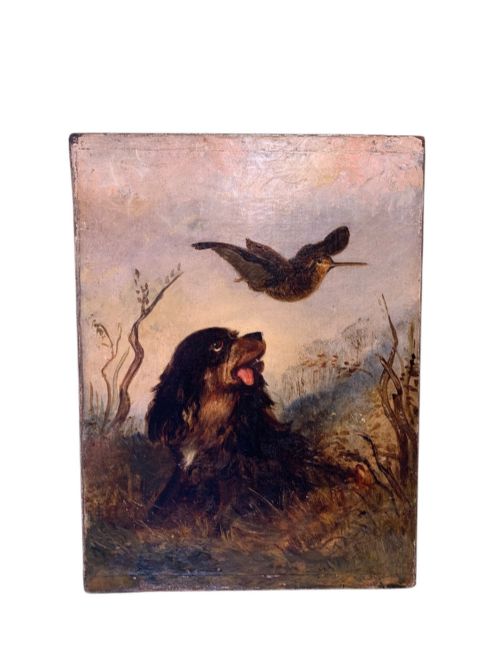
Sporting art often pairs dogs with their specific quarry, such as woodcock or pheasants, providing further context for the breed's historical working role.
What is the difference between naive and academic dog art?
Academic works by trained artists demonstrate precise knowledge of canine anatomy, light play, and perspective. Naive paintings display a flatter, more charmingly direct approach to form and space.
Both styles hold historical value, appealing to different collector preferences for realism versus folk charm.
How should I display an antique oil painting?
Hang oil paintings away from direct sunlight and fluctuating heat sources to protect the canvas and paint layers. Maintaining stable indoor humidity prevents the canvas from sagging and the wooden stretcher from warping.
Pairing the canvas with an appropriate period gilt frame enhances the visual presentation without compromising the artwork.
Can I determine the exact age of an oil painting?
Dating relies on stylistic evidence, artist signatures, framing materials, and the physical characteristics of the canvas and stretcher. Period inscriptions on the reverse of the canvas often provide specific dates or sitter names.
Comparing the work to documented pieces by the same school or artist narrows the production window.