


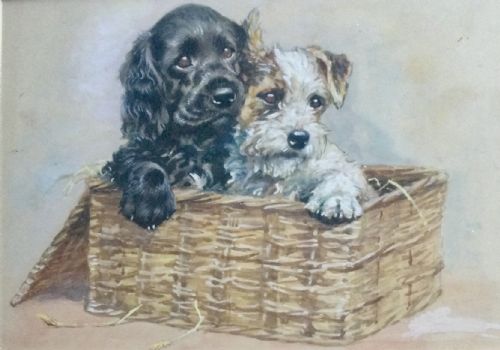


Vintage Terrier Painting
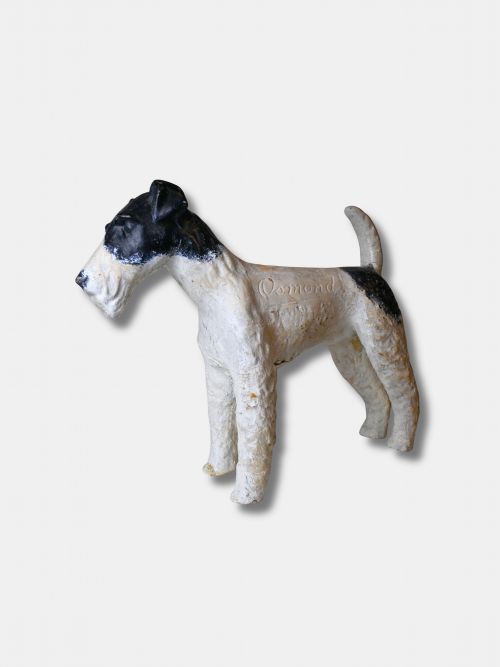
A vintage terrier painting captures the keen intelligence and spirited character of the breed through the focused lens of canine art.
Vintage Terrier Painting
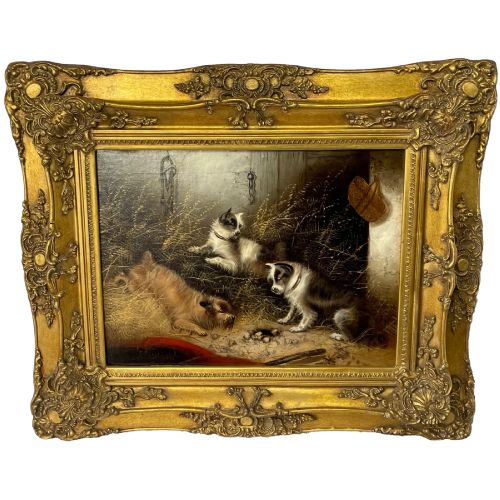
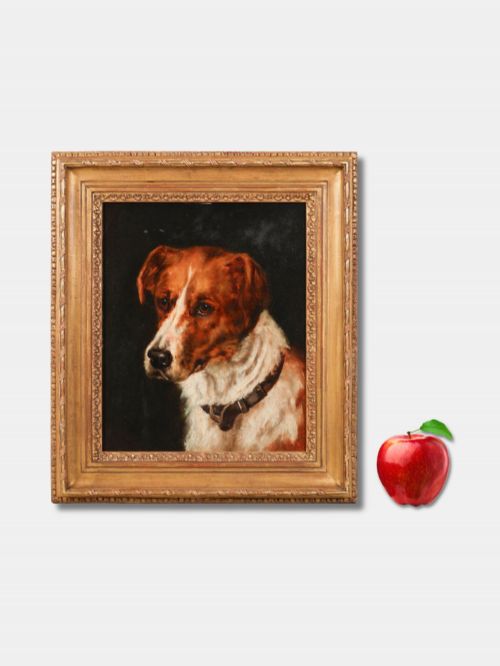
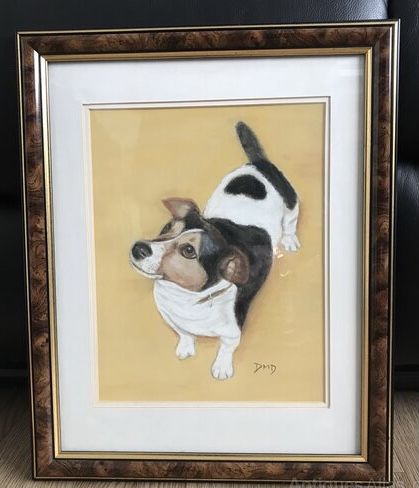
A vintage terrier painting encompasses framed oil on canvas works, oil on board portraits, and watercolours depicting various terrier breeds across different eras. These artworks document the enduring appeal of working terriers, companion dogs, and farm terriers in both intimate head studies and narrative scenes.
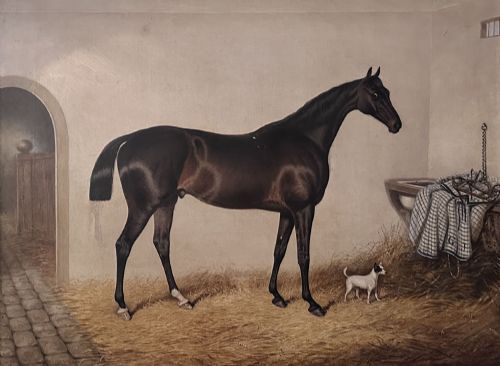
The selection ranges from nineteenth-century realisms and Victorian sporting art to twentieth-century compositions. Buyers frequently encounter nineteenth-century canvases, early twentieth-century portraits, and mid-century works created in oil, paint, pastel, and watercolour.
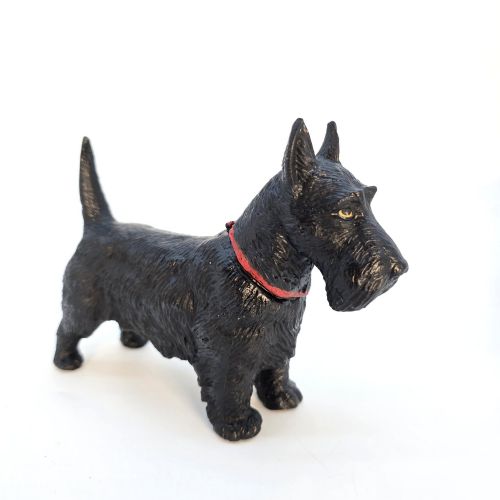
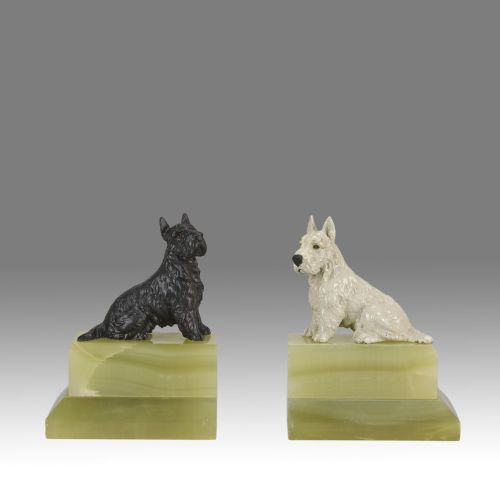
Subjects include individual portraits of Jack Russells, Scotties, and Cairns, alongside dynamic depictions of dogs guarding, hunting, or posing in country house settings. Many pieces reflect the specific artistic conventions of Victorian Realism, Edwardian portraiture, and English Country House aesthetics.
Materials and construction
These works rely primarily on oil paint applied to stretched canvas or wooden board, occasionally utilising watercolour and pastel under glass. Artists built up the surface using traditional brushwork to render the coarse texture of terrier coats and the luminosity of their eyes.
Frames often incorporate wood and gilt finishes that complement the period of the painting. Supporting mediums such as canvas and board provide the durable foundation necessary for centuries of preservation.
Listings feature works created across multiple eras, spanning the Victorian period through the 1960s.
What varies in quality
Quality rests heavily upon the artist's ability to capture the distinct anatomy, posture, and lively expression characteristic of terriers. Superior examples demonstrate confident brushwork, accurate proportions, and a convincing sense of texture in the fur.
The distinction between standard decorative work and finer pieces lies in the subtlety of light, shadow, and compositional depth. Masterful paintings convey the individual personality of the dog rather than a generic rendering of the breed.
Sir Edwin Landseer·Percival Glenfern·Mabel Gear·M.E. Hankinson·John Emms·A. Betts·Samuel Fulton·Dixon Clark
The Vintage Terrier Painting Glossary
- Oil on canvas
- Pigments bound in drying oil applied to a woven fabric support stretched across a wooden frame. This traditional combination allows for rich colour blending and textured brushstrokes.
- Oil on board
- Pigments applied directly to a rigid wooden or composition panel rather than flexible canvas. It provides a stable surface often favoured for smaller, direct studies.
- Victorian Realism
- An artistic movement focusing on unidealised, accurate depictions of everyday subjects and animals. In terrier paintings, this style manifests in detailed representations of working dogs in barns or gardens.
- Pastel
- A dry medium of powdered pigment and a binder formed into sticks, used to create velvety textures. Works executed in this medium are typically preserved behind glass to prevent smudging.
Vintage Terrier Painting: Frequently Asked Questions
How do I date a terrier painting?
Dating relies upon examining the materials, canvas preparation, framing style, and the artist's active period recorded on the canvas or signature. Costumery, interior details, and subject fashion also offer clues to the decade of creation.
Paintings from the nineteenth century often display heavier craquelure and traditional wooden stretchers, whereas twentieth-century works may utilise different board compositions or modern framing techniques.
What are the common terrier breeds depicted?
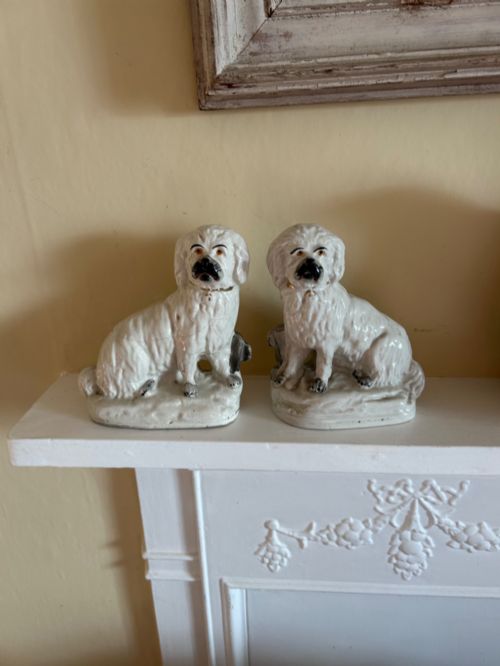
Common breeds found in these artworks include Jack Russells, Scottish Terriers, Cairn Terriers, and Maltese Terriers. Artists frequently painted them as loyal companions or working farm dogs.
These breeds were selected by artists for their alert expressions, wiry coats, and distinct personalities, which suited both formal portraits and lively farmyard scenes.
How should I display oil paintings at home?
Oil paintings on canvas or board should be positioned away from direct sunlight, high humidity, and extreme temperature fluctuations. Proper placement prevents the canvas from sagging and protects the paint layer from cracking.
Matching the period of the frame to the room's decor ensures the artwork integrates naturally while maintaining the structural integrity of the piece.