


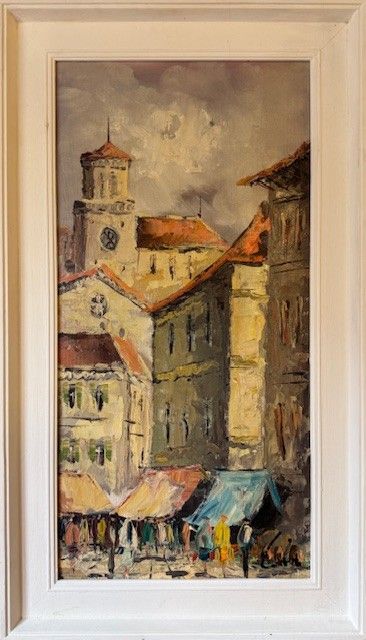


1960s Mid Century Art
When you explore 1960s mid century art, you encounter vibrant paintings, prints and clocks that capture post-war modernism.
1960s Mid Century Art
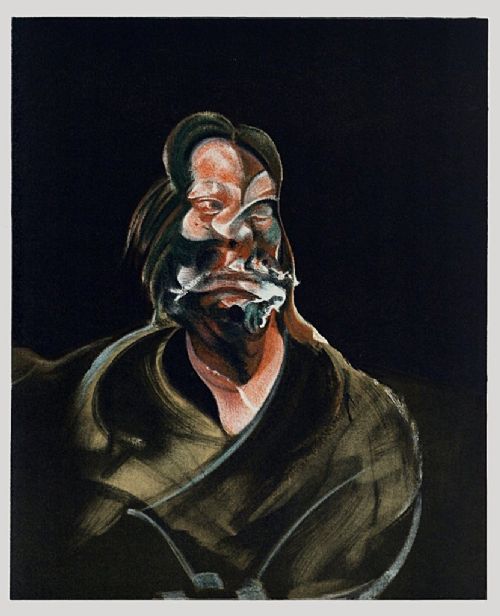
When searching for 1960s mid century art, collectors encounter a diverse array of paintings, drawings, lithographs, and clocks originating from this dynamic post-war period. The selections span modernist, impressionist, naive, and abstract styles created by British and continental European artists.
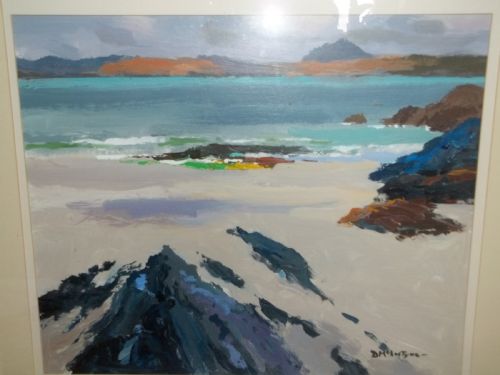
Canvas paintings employing thick impasto texture sit alongside delicate watercolours on paper and framed lithographic prints. Buyers will frequently find urban cityscapes, rural landscapes, horse racing scenes, and geometric abstractions produced during the decade.
The objects reflect mid-century aesthetic shifts away from strict traditionalism toward experimental abstraction and expressive colour palettes. Items range from signed original works by recognised painters to accessible prints and decorative household clocks.
How they were made
Many works utilise oil paint or impasto applied thickly to canvas, creating textured surfaces that catch the light. Watercolours, gouache, and pastel on paper or coloured paper appear frequently across the period's figurative and landscape studies.
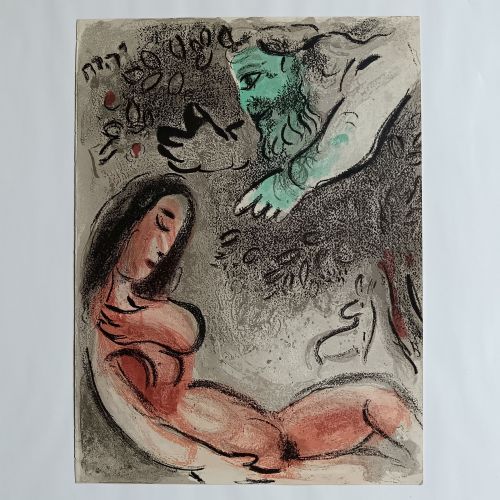
Printmakers employed lithography and woodcuts in colours to produce multiple impressions, sometimes issuing double-sided sheets or inscribed posters. Wooden frames often house these paintings and drawings, while table clocks integrate metal and wood construction.
Listings feature works created between 1950 and the late 1960s, executed in oil, watercolour, charcoal, and lithography.
What varies in quality
The distinction between standard decorative items and exceptional pieces rests upon the strength of the composition and the confidence of the brushwork. Works by named, exhibited artists demonstrate a more assured handling of medium and subject than anonymous studio pieces.
Condition and originality play a significant part in the appeal of these works, particularly where delicate paper, pastel, or original canvas surfaces are preserved intact. Signed and dated works carrying provenance or exhibition history command greater interest among serious collectors.
Marc Chagall·Dame Elisabeth Frink·John Rattenbury Skeaping·Sir Peter Blake·Helen Layfield Bradley
The 1960s Mid Century Art Glossary
- Impasto
- Paint applied thickly to a canvas or panel, standing out in relief from the plane. This technique adds tactile depth and visual energy to mid-century abstract and landscape painting.
- Lithograph
- A planographic print pulled from a stone or metal plate treated to retain ink in image areas. Artists utilised this method for both original fine art editions and illustrative posters.
- Gouache
- An opaque water-based medium producing flat, vibrant areas of colour with a matte finish. It allows artists to achieve rich tones distinct from translucent watercolour.
- Naive art
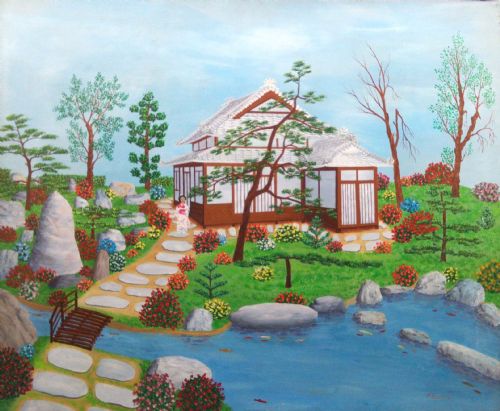
- Work created by self-taught artists employing a simplified perspective and unpretentious charm. These pieces often depict everyday scenes with direct, untutored honesty.
- Mid-Century Modern
- The broad design movement spanning roughly the middle decades of the twentieth century. It prioritises clean lines, functional forms, and optimistic abstraction.
1960s Mid Century Art: Frequently Asked Questions
What defines mid-century art?
Mid-century art encompasses paintings, prints, and works on paper produced during the post-war decades that embrace modernist, abstract, and impressionist principles.
These pieces reflect a departure from academic traditions in favour of experimental colour, texture, and expressive subject matter.
How do I identify a 1960s painting?
Look for stylistic cues such as abstracted forms, textured impasto surfaces, and subject matter ranging from urban jazz scenes to expressive landscapes.
Signatures, dates inscribed on the reverse, and framing materials often help confirm the period of execution.
Where should I hang these artworks?
These versatile paintings and prints suit contemporary minimalist interiors as well as eclectic, vintage-inspired spaces.
Ensure works on paper and watercolours are placed away from direct sunlight to protect the pigments from fading over time.
What is the difference between an oil and a lithograph?
An oil painting is a unique handmade work created with pigment suspended in drying oil applied directly to canvas or board.
By contrast, a lithograph is a printed multiple pulled from an inked matrix, though some period examples carry signatures or limited edition numbers.