

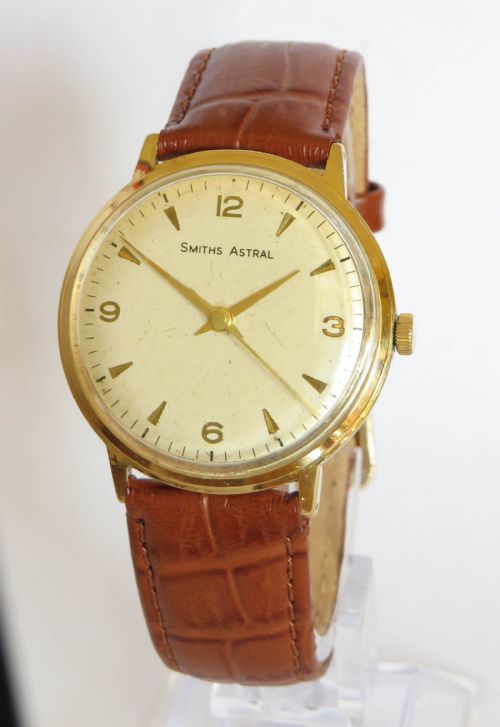


1960s Gents Wrist Watch
A 1960s gents wrist watch brings mid-century mechanical design to the wrist, offering reliable horology with distinct period character.
1960s Gents Wrist Watch
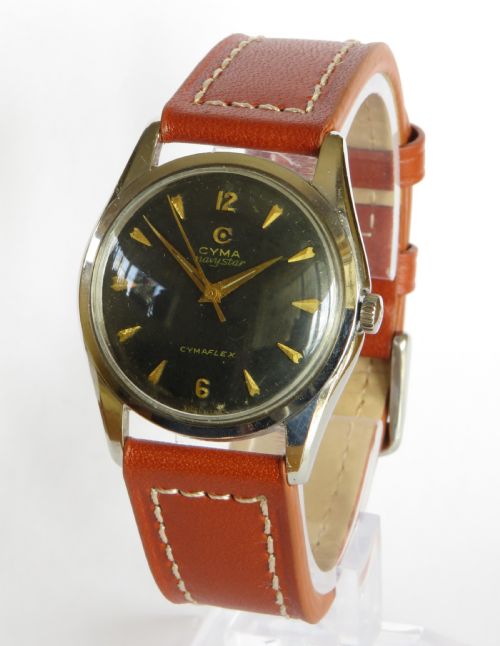
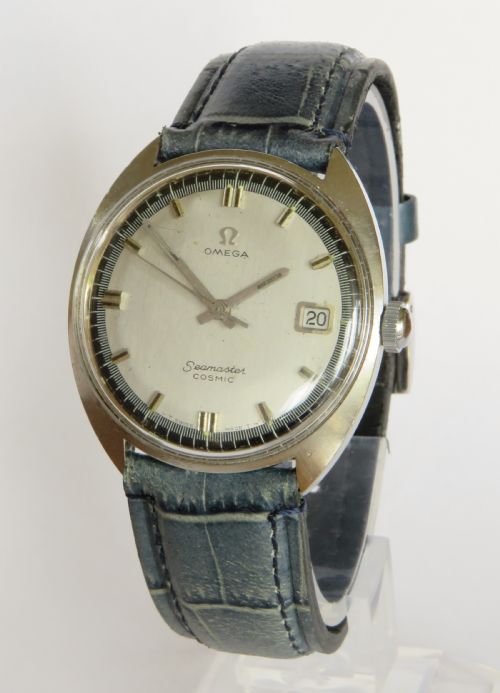
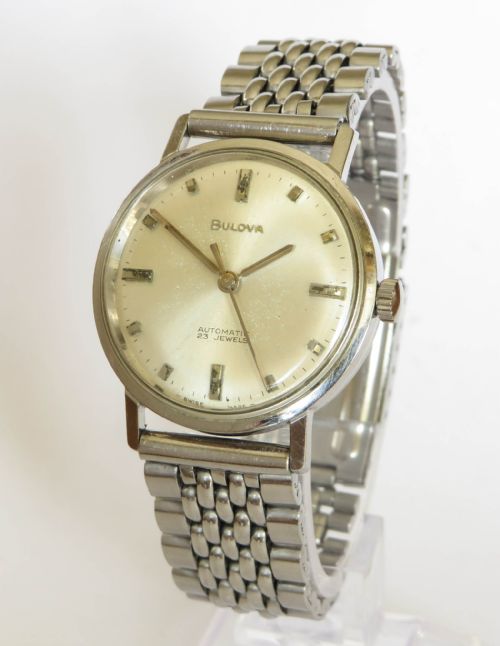
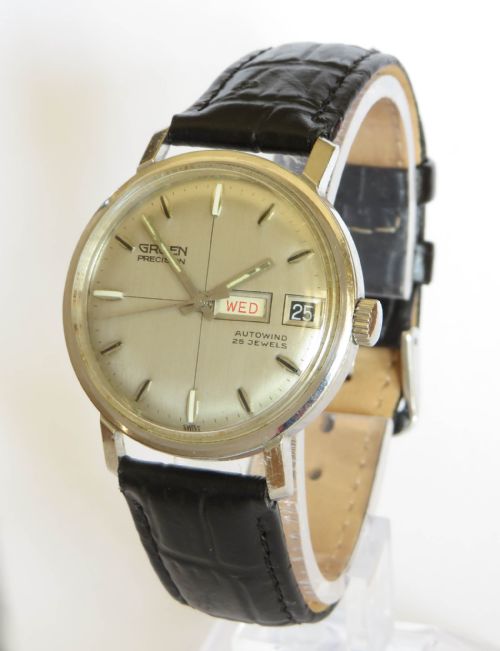
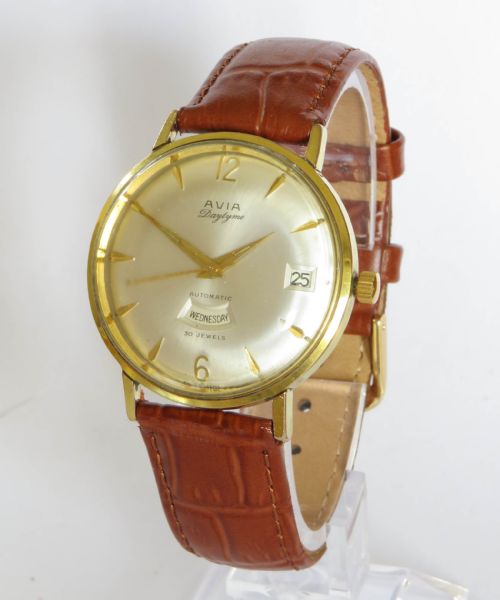
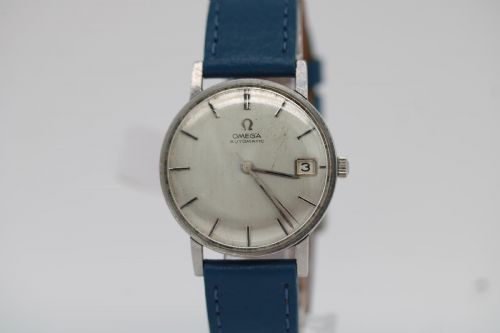
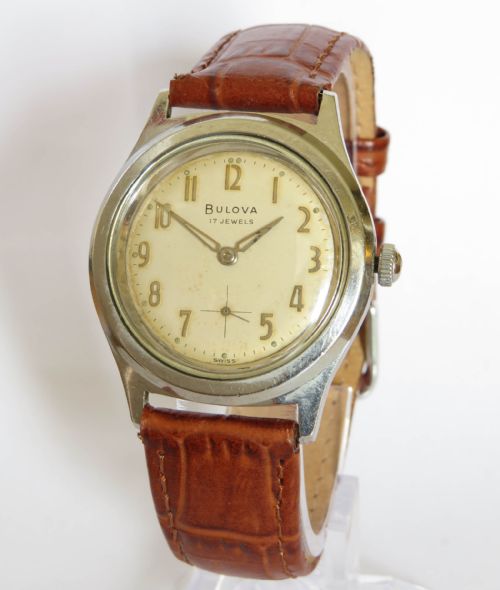
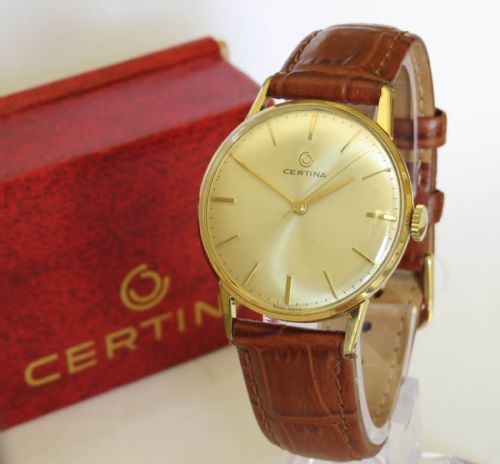
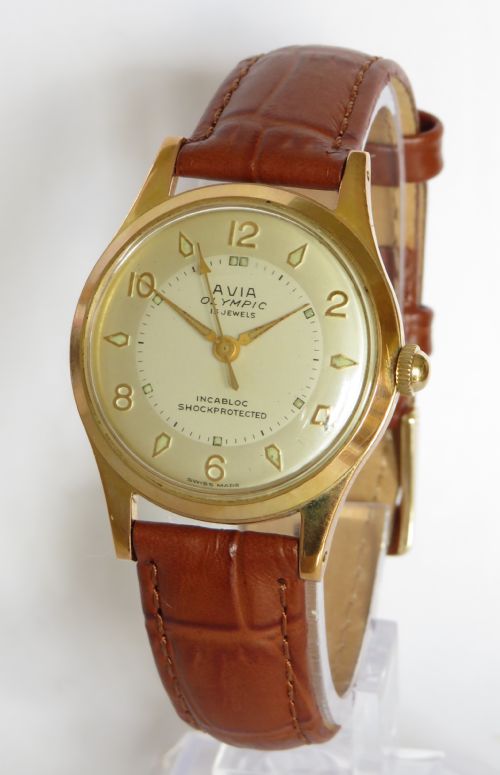
A 1960s gents wrist watch captures the restrained elegance and functional design of the mid-century modern aesthetic. These horological pieces range from simple three-hand dress models to robust chronographs and automatic date indicators.
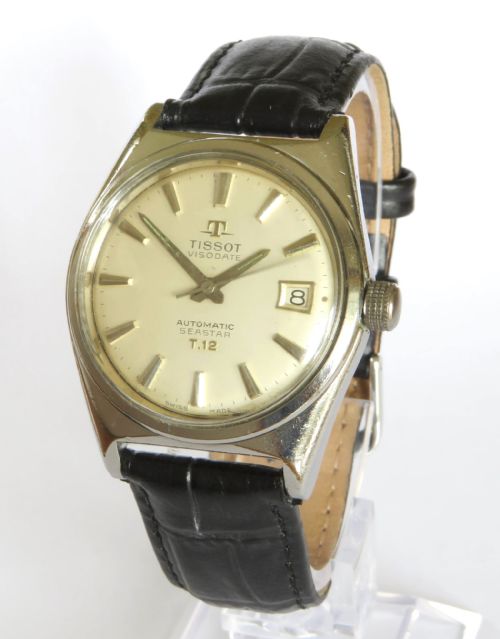
The most common examples on this page reflect the horological output of Swiss, British, and international makers from the nineteen-fifties and nineteen-sixties. Buyers encounter both manual-wind and self-winding automatic movements housed in circular or tonneau cases.
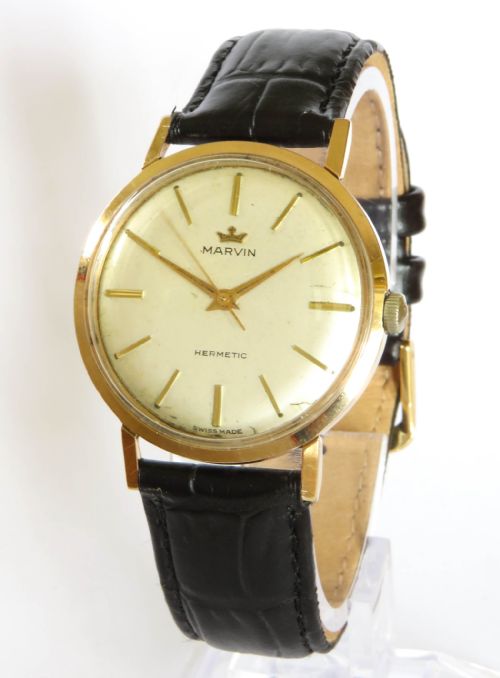
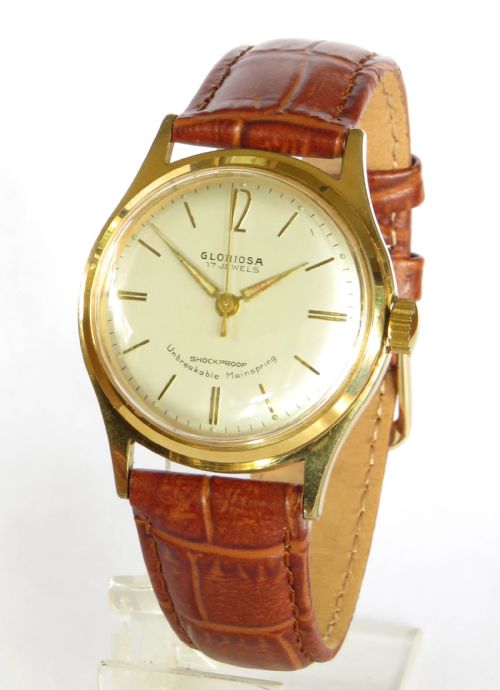
Dials display clean baton markers, dauphine hands, and minimalist typography typical of the period. Many are paired with interchangeable leather straps or metallic bracelets.
Materials and construction
Cases combine stainless steel, gold plate, and solid gold, paired with clear acrylic or glass crystals to protect the dial. These metals provide durability while maintaining the slim profiles characteristic of mid-century case design.
Movements rely on intricate mechanical geartrains, jewelled lever escapements, and balance wheels oscillating at steady frequencies. Automatic calibres incorporate weighted rotors to wind the mainspring through natural wrist movement.
Straps utilise traditional leather or woven textiles, secured with metal pin buckles that complete the period aesthetic.
Some models feature clever mechanical alarm functions designed to wake a slumbering gentleman with a gentle wrist buzz.
Judging quality and execution
Quality reveals itself in the finish of the movement and the precision of the case geometry. Finer calibres feature decorated bridges, a higher jewel count, and adjusted escapements for greater timekeeping stability.
Case manufacture distinguishes standard production from superior output through crisp edges, well-defined hallmarks on precious metals, and tight caseback seals. Dial execution, including applied metal markers rather than printed lines, separates standard pieces from higher tiers.
Omega·Bulova·Tissot·Zenith·Longines
The 1960s Gents Wrist Watch Glossary
- Automatic
- A self-winding mechanical movement that uses a weighted rotor to tension the mainspring during wear. This mechanism removes the need for daily manual winding.
- Chronograph
- A watch equipped with a stopwatch function alongside the primary time-of-day display. Independent sub-dials record elapsed seconds and minutes.
- Calibre
- The specific manufacturer's designation for a particular watch movement design. It denotes the internal architecture and mechanical layout.
- Acrylic
- A lightweight, shatter-resistant plastic used for watch crystals during the mid-century period. It can be easily polished to remove surface scuffs.
- Baton marker
- A slender, straight-edged bar used on the dial to indicate the hours. This minimalist style defines much of mid-century watch design.
1960s Gents Wrist Watch: Frequently Asked Questions
How do I wind a manual watch?
Turn the crown clockwise between your thumb and forefinger until you feel gentle resistance. Stop immediately to avoid over-tensioning the mainspring.
Perform this action at roughly the same time each day to maintain consistent power delivery to the movement.
Are these watches waterproof?
Vintage timepieces rarely retain their original water resistance due to degraded rubber gaskets and seals. Exposure to moisture can easily rust internal steel components and ruin the dial.
Treat these watches as strictly non-waterproof unless recently tested and resealed by a professional watchmaker.
How accurate are mechanical watches?
A well-serviced vintage mechanical watch typically gains or loses a small number of seconds each day. This variance is normal for mechanical gear trains driven by a mainspring.
Environmental factors such as temperature changes and physical activity can also influence daily timekeeping.
Can I wear a vintage watch daily?
Daily wear is entirely suitable provided the watch receives regular servicing and avoids heavy impacts. Many owners enjoy rotating several pieces through their weekly routine.
Removing the watch during strenuous physical tasks ensures the mechanical movement stays protected from sharp shocks.