




1960s Engagement Ring
A 1960s engagement ring brings mid-century character and distinctive gemstone settings to the hand, offering genuine period charm for daily wear.
1960s Engagement Ring
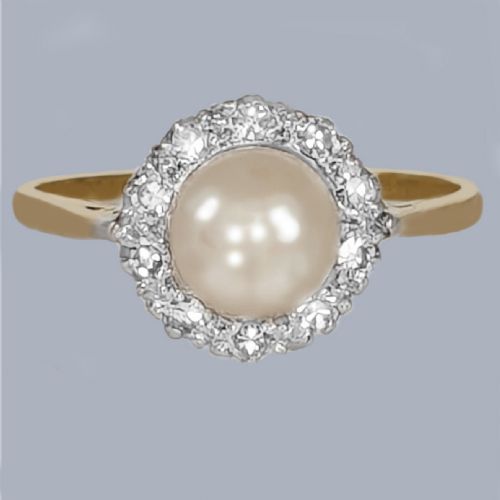
When searching for a 1960s engagement ring, buyers encounter pieces defined by mid-century styles, Art Deco revivals, and specific period craftsmanship. These rings frequently showcase cluster forms, solitaire mountings, and crossover designs that reflect the aesthetic priorities of the decade.
The material palette of these items relies heavily on platinum, yellow gold, 18ct white gold, and 14ct white gold settings. Gemstones such as diamonds, sapphires, pink sapphires, and pearls dominate the selections seen across the inventory.
Origin details and specific dates ground these pieces firmly in the mid-century era, with hallmarks and circa dates establishing their provenance. Buyers most frequently meet sapphire and diamond cluster configurations alongside classic diamond solitaires.
Materials and Construction Techniques
The construction of these rings pairs durable precious metals like platinum and 18ct gold with secure settings designed to showcase central stones. Metal selection often contrasts white gold or platinum claws with yellow gold shanks to highlight the brilliance of the gems.
Gemstone cutting techniques dictate the visual impact of each piece, incorporating brilliant cut, old cut, rose cut, and tapered baguette cut diamonds alongside unheated Burmese and Ceylon sapphires. These stones are meticulously arranged into floral clusters, trilogy settings, and elegant single-stone mountings.
Several rings utilise floral cluster designs, letting wearers carry a permanent bouquet of diamonds and sapphires on their finger.
Assessing Quality and Distinction
Quality in these rings is determined by the natural weight, cut, and clarity of the central gemstones, particularly in substantial diamond and sapphire clusters. Superior examples combine exceptional stone provenance, such as unheated natural sapphires, with refined metalwork that maintains structural integrity.
The harmony of the design and the precision of the stone setting separate standard examples from exceptional pieces. Artisanal execution in mounting styles like crossover and flower cluster configurations dictates the enduring appeal of the jewellery.
The 1960s Engagement Ring Glossary
- Cluster ring
- A ring design featuring a central gemstone surrounded by a cluster of smaller stones, typically diamonds encircling a sapphire or pearl. This configuration maximises visual impact and light reflection.
- Solitaire
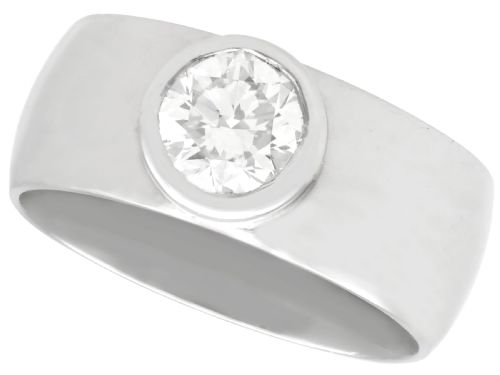
- A single gemstone mounted on a ring band, most commonly a diamond or sapphire. This minimalist setting focuses attention entirely on the qualities of the primary stone.
- Trilogy ring
- A ring featuring three stones set side by side, traditionally symbolising the past, present, and future. In mid-century pieces, these stones are frequently graduated diamonds.
- Old cut
- A diamond cutting style predecessor to the modern brilliant cut, characterised by a smaller table, higher crown, and open culet. These cuts produce a softer, distinctive candlelight sparkle.
- Platinum
- A dense, durable, and naturally white precious metal utilised for secure stone settings. Its strength allows for delicate prongs that hold large diamonds and sapphires safely.
1960s Engagement Ring: Frequently Asked Questions
How do I identify a 1960s engagement ring?
Authentic pieces rely on characteristic mid-century design motifs, such as floral cluster formations and crossover bands, combined with period gold and platinum standards.
Examining hallmarks, maker stamps, and stone cuts provides further confirmation of the manufacturing era.
What gemstones are common in 1960s rings?
Diamonds and sapphires are the primary gemstones found in rings from this decade, often paired together in contrasting cluster arrangements.
Pearls and pink sapphires also appear as striking central alternatives to traditional diamond solitaires.
Are these rings suitable for daily wear?
Platinum and 18ct gold mountings provide the structural durability necessary for everyday use when paired with hard gemstones like diamonds and sapphires.
Regular professional inspection of the claws ensures the stones remain secure over time.
What metal types should I expect?
Inventories from this period frequently utilise yellow gold for the band alongside white gold or platinum settings for the stones.
This mixed-metal approach enhances the visual brilliance of the diamonds and coloured gems.