
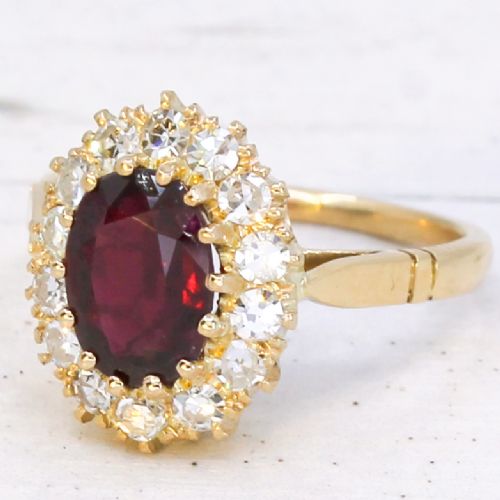


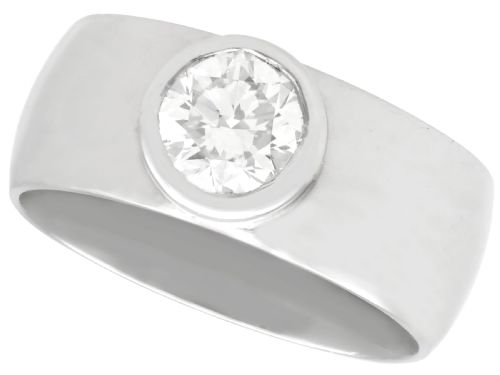


1960s Diamond Solitaire Ring
A 1960s diamond solitaire ring brings mid-century design to the finger, offering a single central stone mounted in platinum or gold.
1960s Diamond Solitaire Ring
A 1960s diamond solitaire ring centres on a single stone, usually an old cut or brilliant cut diamond, set as an engagement ring or dress ring. These pieces emerge from the mid-century period, reflecting the clean lines and distinct mounting styles of the era.
Most examples found here span the 1960 decade or date slightly later, capturing the transition from traditional settings towards mid-century modern aesthetics. Alongside traditional diamond solitaires, the selection includes variants featuring sapphires, aquamarines, green tourmalines, and natural pearls.
Makers of the era utilised precious metals like platinum, yellow gold, white gold, and fourteen-carat gold variants to frame the central gemstones. The resulting rings serve primarily as engagement rings or distinctive cocktail rings shaped by mid-century craftsmanship.
How they were made
Goldsmiths constructed these rings using platinum, yellow gold, white gold, and fourteen-carat gold, shaping the metal to securely hold the central gemstone. The mounting techniques balanced durability with visibility, allowing light to enter the stones from multiple angles.
Gemstones featured in the listings include brilliant cut and old cut diamonds, alongside sapphires, aquamarines, green tourmalines, and natural pearls. These materials were shaped by hand or with period tools to fit the specific proportions of mid-century ring mountings.
Listings feature pieces spanning the 1960 period and later, utilising diamond, platinum, yellow gold, white gold, sapphire, aquamarine, and green tourmaline.
What varies in quality
Quality in these rings rests upon the cut, weight, and clarity of the central diamond or coloured gemstone, alongside the integrity of the metal setting. Larger carat weights and superior stone cuts distinguish the higher end of the range from simpler or smaller examples.
The choice of metal also influences the character of the piece, with heavier platinum and gold mountings representing more substantial construction. Craftsmanship in the prongs and shoulders determines how securely the stone is held and how cleanly the mid-century style is executed.
The 1960s Diamond Solitaire Ring Glossary
- Solitaire ring
- A ring featuring a single set gemstone, most commonly a diamond. This design focuses attention entirely on the central stone.
- Brilliant cut
- A diamond cut with numerous facets designed to maximise light return and sparkle. This cut became widely utilised during the mid-century period.
- Old cut
- An earlier diamond cutting style characterised by a smaller table, higher crown, and larger culet. These stones display a softer, deeper glow compared to modern brilliant cuts.
- Mid-century
- A design period spanning roughly the middle decades of the twentieth century. It encompasses styles such as mid-century modern and art deco revival.
- Carat
- The unit of weight used for gemstones. Higher carat weights indicate heavier and typically larger stones.
1960s Diamond Solitaire Ring: Frequently Asked Questions
What defines a 1960s diamond solitaire ring?
A 1960s diamond solitaire ring is defined by its single central diamond mounted in platinum, yellow gold, or white gold during the mid-century period. These rings often feature distinct mid-century or art deco revival mounting styles.
The use of old cut or brilliant cut diamonds further identifies these pieces within their historical context.
Are all these rings engagement rings?
While many solitaire rings from this era served as engagement rings, the category also includes cocktail rings and dress rings. Some feature alternative stones such as sapphires, aquamarines, or pearls alongside diamonds.
Each piece reflects the varied jewellery design choices available during the nineteen-sixties.
How do I know a ring is from the 1960s?
Dating relies on stylistic markers characteristic of the mid-century period, including specific setting techniques and mounting silhouettes. The cut of the diamond, such as traditional old cuts or mid-century brilliant cuts, provides additional clues.
Craftsmanship details align these pieces with the manufacturing standards of the nineteen-sixties.
How should I care for a mid-century gold ring?
Care involves regular cleaning with mild soap and warm water to remove daily oils from the diamond and metal. Avoiding harsh chemicals protects both the gold or platinum band and softer side stones if present.
Periodic checks by a professional jeweller ensure the prongs holding the central stone remain secure.