



1950s Sapphire Ring
A 1950s sapphire ring brings bold mid-century design and vivid stones to the hand.
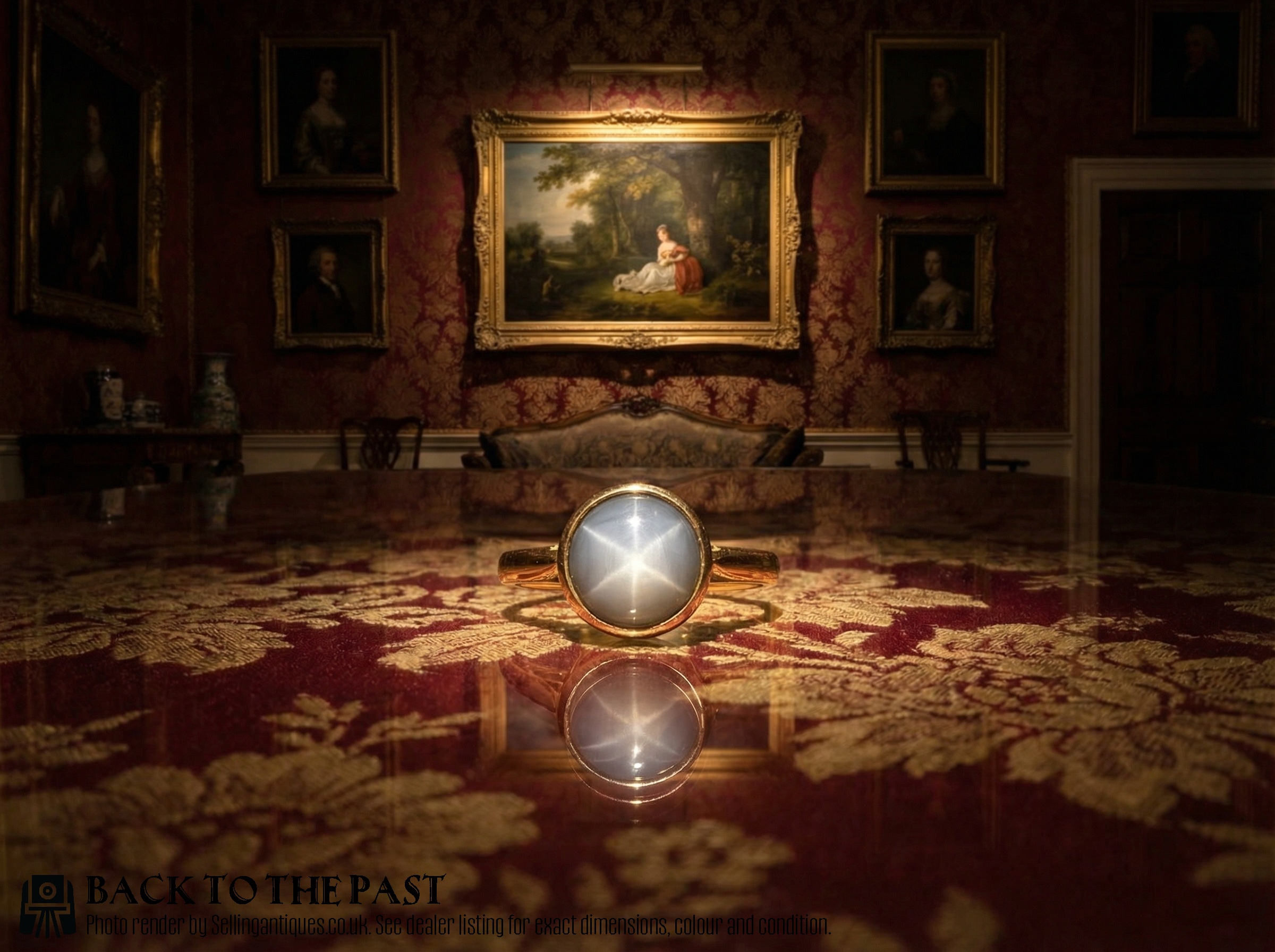
1950s Sapphire Ring
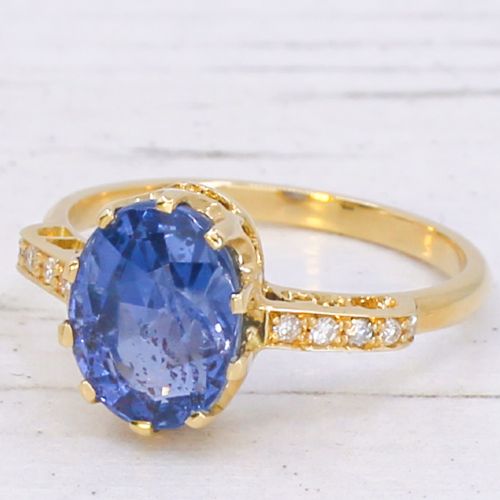
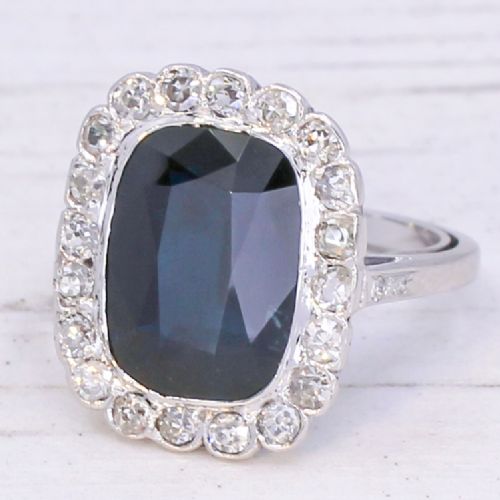
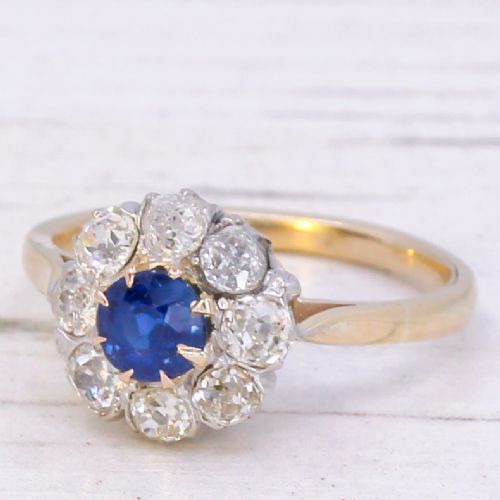
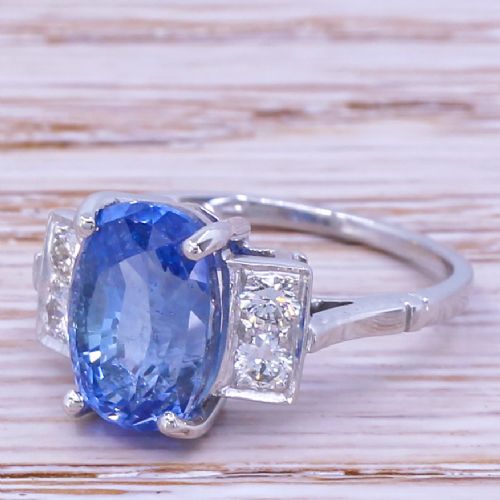
A 1950s sapphire ring encompasses substantial cocktail, cluster, dress, and solitaire rings set with striking blue, yellow, pink, or star sapphires. Mid-century and French mid-century modern styles dominate this selection, frequently paired with accompanying diamonds.
The pieces on this page draw from the 1950 period, presenting substantial centre stones flanked by diamonds in platinum or gold settings. Buyers encounter both unheated Ceylon stones and star varieties configured as dress or cocktail pieces.
How they were made
These rings utilise precious metals including platinum, 18ct white gold, yellow gold, and 9ct gold to securely mount heavy stones. Master jewellers set sapphires alongside brilliant and rose-cut diamonds in cluster and solitaire formations.
Techniques from the period emphasise prominent stone display, combining claw and cluster settings to showcase unheated Ceylon sapphires and star sapphires against polished metal work.
1950s Sapphire Ring Retail Price Guide 2026
Typical asking prices for 1950s sapphire ring among the pieces listed under this phrase on Sellingantiques today, from the lower quarter to the upper quarter. They describe what is for sale here now, not the wider market.
Star sapphires contain tiny rutile inclusions that catch the light to reveal a floating six-rayed star.
What varies in quality
Quality rests in the origin, carat weight, and natural treatment state of the sapphire itself, with unheated Ceylon stones commanding particular attention. The presence, cut, and weight of accompanying diamonds also alter the stature of each piece.
Metal choice contributes to distinction, as heavy platinum and 18ct white gold settings support larger stones differently than standard gold configurations. The overall design execution, spanning French mid-century modern to classic cluster forms, defines the tier of the ring.
The 1950s Sapphire Ring Glossary
- Ceylon sapphire
- A sapphire originating from Sri Lanka, noted for its vivid blue colour and high transparency. These stones often appear unheated in mid-century jewellery.
- Star sapphire
- A variety of sapphire that exhibits a star-shaped phenomenon known as asterism when illuminated. This optical effect results from needle-like inclusions within the stone.
- Cluster ring
- A ring design featuring a prominent central stone surrounded by a perimeter of smaller stones, typically diamonds. This arrangement maximises visual impact on the hand.
- Solitaire ring
- A piece set with a single gemstone, allowing the primary stone to dominate the design. In this inventory, solitaire sapphires reach significant carat weights.
- Cocktail ring
- A large, showy ring intended to draw attention during evening social occasions. Mid-century examples often incorporate heavy platinum mounts and substantial gemstone combinations.
1950s Sapphire Ring: Frequently Asked Questions
What is a 1950s sapphire ring?
A 1950s sapphire ring is a mid-century piece featuring a natural or unheated sapphire, often accented by diamonds in platinum or gold settings.
These items range from delicate dress rings to large cocktail and cluster forms characteristic of the period.
How do I identify a 1950s sapphire ring?
Identification relies on characteristic mid-century design markers, specific gemstone cuts, and the use of platinum or white gold mounts.
Examining the setting style and stone characteristics helps confirm the mid-century origin of the piece.
Are these sapphires treated?
Many listings specify unheated or natural sapphires originating from Ceylon, indicating stones that have not undergone thermal enhancement.
Checking individual descriptions reveals whether a stone retains its natural geological state.
How should I wear a cocktail ring?
Cocktail rings were originally designed for evening wear to make a bold visual statement on the hand.
Today, they suit special occasions where their substantial carat weight and prominent settings can be fully appreciated.