




1950s Sapphire Engagement Ring
A 1950s sapphire engagement ring brings mid-century glamour to the hand, offering vivid blue or yellow stones set alongside sparkling diamonds.
1950s Sapphire Engagement Ring
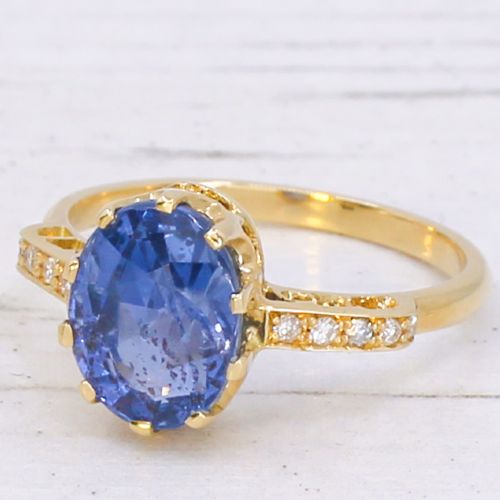
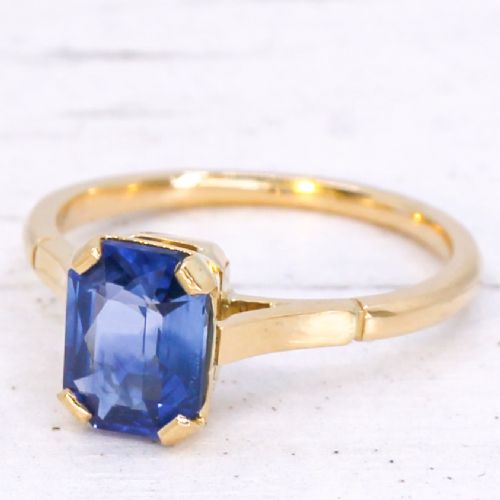
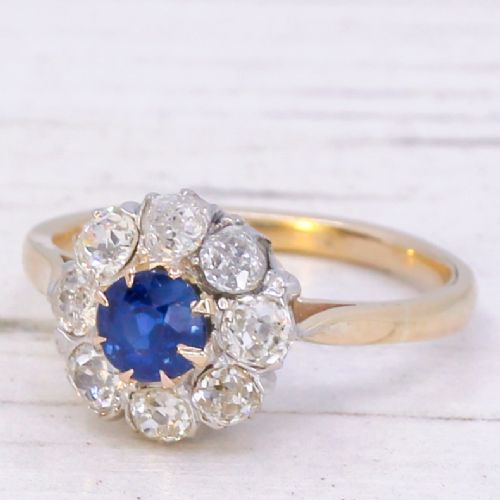
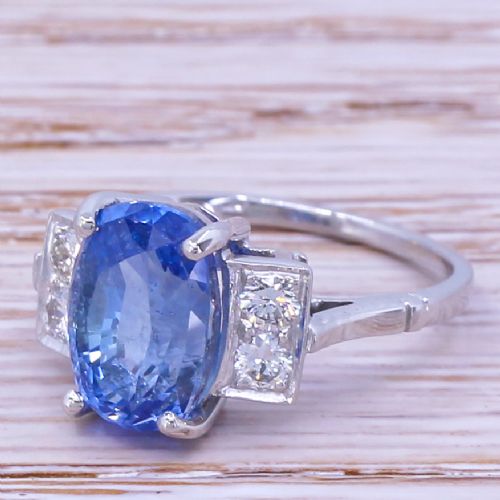
A 1950s sapphire engagement ring is a mid-century jewel defined by substantial central stones and precise gemstone arrangement. Buyers searching for a 1950s sapphire engagement ring will encounter striking cluster rings, dress rings, and cocktail rings originating from this specific decade.
The pieces listed here showcase natural sapphires, including Ceylon stones and pink varieties, often paired with accompanying diamonds. These designs reflect mid-century and 1950s French stylistic approaches, prioritising visual impact and elegance.
How they were made
These rings utilise precious metals including platinum, yellow gold, and 18ct white gold to securely house sizeable sapphires and diamonds. Metalwork from this period focuses on durability while supporting prominent centre stones.
Gemstones are shaped into classic profiles, with specific listings highlighting pear cut sapphires alongside brilliant diamond accents. The construction of cluster and cocktail rings demands careful claw or bezel settings to emphasise the primary colour.
1950s Sapphire Engagement Ring Retail Price Guide 2026
Typical asking prices for 1950s sapphire engagement ring among the pieces listed under this phrase on Sellingantiques today, from the lower quarter to the upper quarter. They describe what is for sale here now, not the wider market.
The selection includes French 1950s design influences alongside broader mid-century cocktail and cluster ring forms.
What varies in quality
Quality in these rings rests primarily upon the provenance and optical properties of the sapphire, particularly unheated Ceylon stones with strong saturation. The weight and clarity of the accompanying diamonds further influence the overall calibre of the piece.
The precision of the mid-century setting and the choice between platinum and gold determine the structural finesse of the ring. Superior examples combine exceptional gemstone heft with refined French or mid-century execution.
The 1950s Sapphire Engagement Ring Glossary
- Ceylon Sapphire
- A sapphire originating from Sri Lanka, known for its distinct brightness and vivid blue colouration. These stones are frequently unheated.
- Cluster Ring
- A ring style featuring a central gemstone surrounded by a border of smaller stones, typically diamonds. This arrangement maximises overall sparkle.
- Cocktail Ring
- A large, prominent ring designed to draw attention during evening events. These pieces often incorporate substantial central sapphires and multiple diamonds.
- Platinum
- A dense, durable white metal utilised in mid-century jewellery for secure stone settings. It provides a bright background that enhances diamond brilliance.
- Solitaire Ring
- A ring featuring a single prominent gemstone set without accompanying side stones. This style places full emphasis on the central sapphire.
1950s Sapphire Engagement Ring: Frequently Asked Questions
What defines a 1950s sapphire ring?
A 1950s sapphire ring is characterised by mid-century design styles, often featuring large natural sapphires flanked by diamonds in platinum or gold settings.
These pieces range from delicate cluster formats to substantial cocktail rings that reflect the aesthetic priorities of the decade.
Are these sapphires treated?
Many stones listed are unheated natural Ceylon sapphires, meaning they retain their colour and clarity without artificial enhancement.
Natural stones without thermal treatments are particularly valued by collectors for their organic characteristics.
What metals were used?
Jewellery from this era commonly utilises platinum, yellow gold, and 18ct white gold for mounting gemstones.
Platinum offers strength for heavy settings, while gold provides traditional warmth suited to yellow sapphires.
How do I wear a cocktail ring?
Cocktail rings are traditionally worn on the right hand during evening occasions to showcase their large scale and prominent stones.
Due to their substantial size, pairing them with minimal additional hand jewellery allows the ring to remain the focal point.