


1950s Gold Gemstone Ring
A 1950s gold gemstone ring brings mid-century character and bold stones to the hand.
1950s Gold Gemstone Ring
A 1950s gold gemstone ring captures the distinct aesthetic of mid-century jewellery design, focusing on substantial stones and precious metals. When searching this phrase, a buyer examines pieces that span cocktail rings, clusters, solitaires, and dress designs.
The objects seen here date strictly to the 1950 period, incorporating styles such as Mid-Century Modern and Victorian Revival. Most common are pieces featuring prominent coloured gems set in yellow or white gold.
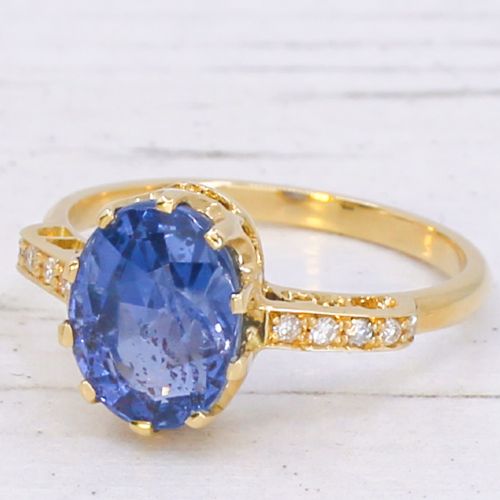
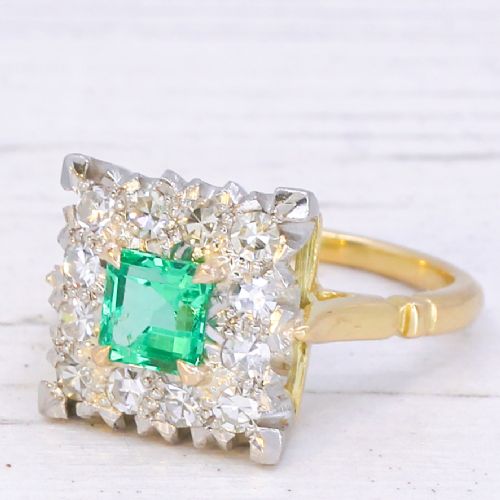
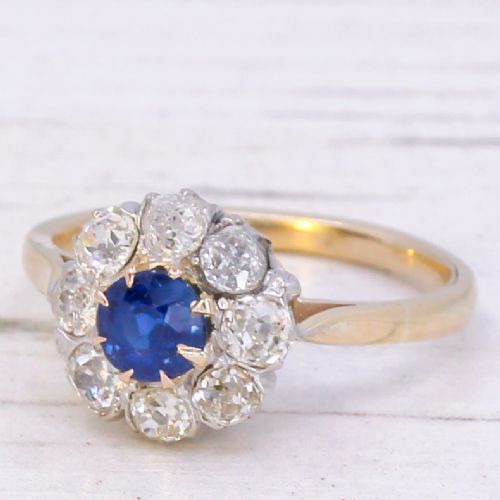
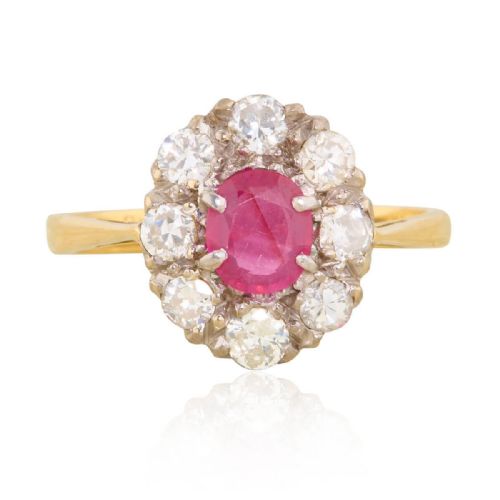
The selection includes large aquamarines, Ceylon sapphires, rubies, emeralds, and turquoise, often accompanied by diamonds. These rings reflect the optimism and design shifts of the decade following the Second World War.
Materials and Construction
Goldsmiths utilised yellow gold and white gold, alongside platinum, to fashion the heavy mounts required for large central stones. Aquamarines, sapphires, emeralds, rubies, topaz, zircon, and turquoise form the focal points of these rings, paired with diamond accents.
Techniques from the era include cluster settings, solitaire mountings, and intricate marquise arrangements. Jewelers balanced structural metalwork with prominent gemstone displays, accommodating significant carat weights in both cocktail and dress formats.
Some mid-century cocktail rings carry aquamarines large enough to double as paperweights if you ever decide to retire them from active finger duty.
Assessing Quality in Mid-Century Rings
Quality rests in the natural provenance and treatment status of the central gems, such as unheated Ceylon sapphires or emeralds with negligible oil. Carat weight and stone clarity significantly separate standard production from exceptional examples.
The execution of the metalwork, whether in 18ct yellow gold, white gold, or platinum, determines the refinement of the setting. The integration of supporting diamonds around a major aquamarine or ruby defines the overall distinction of the piece.
The 1950s Gold Gemstone Ring Glossary
- Solitaire ring
- A ring featuring a single central gemstone, often a sapphire or diamond, mounted alone on the band. This setting draws complete focus to the qualities of the main stone.
- Cluster ring
- A design where a central gemstone is surrounded by a border of smaller stones, typically diamonds. This arrangement maximises visual impact and sparkle on the finger.
- Marquise ring
- A ring featuring a football-shaped gemstone with pointed ends, or a setting shaped to hold one. The elongated form creates the illusion of greater size on the hand.
- Unheated sapphire
- A sapphire that has not undergone thermal enhancement to improve its colour or clarity. These natural stones are prized for their untouched origin.
- Old cut diamond
- A diamond cut in the traditional manner prevalent before modern brilliant standards were established. These stones display smaller tables and distinct facet patterns.
1950s Gold Gemstone Ring: Frequently Asked Questions
How do I style a 1950s cocktail ring?
A large cocktail ring with an aquamarine or sapphire works best as the sole statement piece on the hand. Pairing it with simple clothing lets the mid-century design and coloured stones stand out.
Due to the substantial carat weight and prominent settings, these rings suit evening wear or special occasions where the height of the mount will not catch on daily fabrics.
What is the difference between yellow gold and white gold rings from this era?
Yellow gold mounts provide a warm contrast to deep blue sapphires, rubies, and emeralds. This metal colour reflects the traditional palette favoured during the mid-century period.
White gold and platinum settings offer a cooler tone that enhances the brightness of diamonds and aquamarines. The choice between them depends purely on personal metal preference.
Are these rings suitable for everyday wear?
Many mid-century rings feature robust 18ct gold or platinum settings designed for regular use. Harder gemstones like sapphires, rubies, and diamonds withstand daily activity well.
More delicate stones such as turquoise or emeralds require greater care to avoid impact. Checking the security of the claws ensures the central gemstone remains safe during wear.
How can I tell a 1950s ring from a Victorian revival piece?
Victorian revival rings from the 1950s borrow older decorative motifs while retaining the cleaner lines typical of mid-century manufacturing. They combine historical cluster arrangements with the heavier gold weights of the post-war decade.
Examining the internal band construction and the cut of the supporting diamonds helps distinguish genuine mid-century interpretations from actual nineteenth-century jewellery.