


1950s Diamond Jewellery
1950s diamond jewellery brings together mid-century design and enduring precious stones, offering rings, necklaces, and bracelets that collectors prize for their distinct period character.
1950s Diamond Jewellery
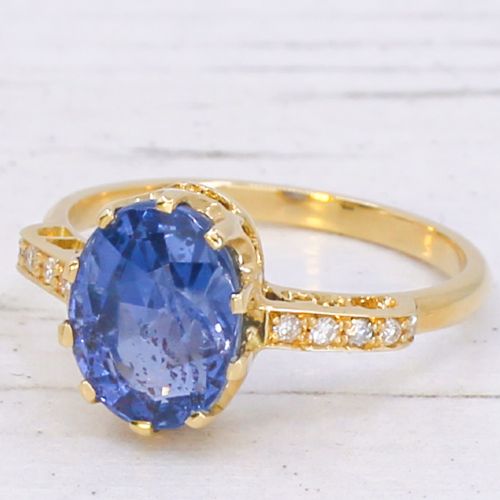
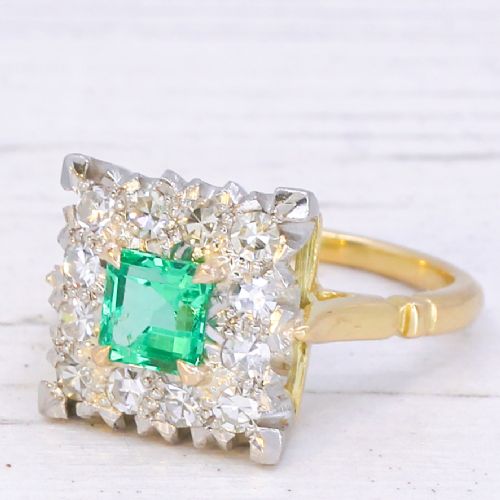
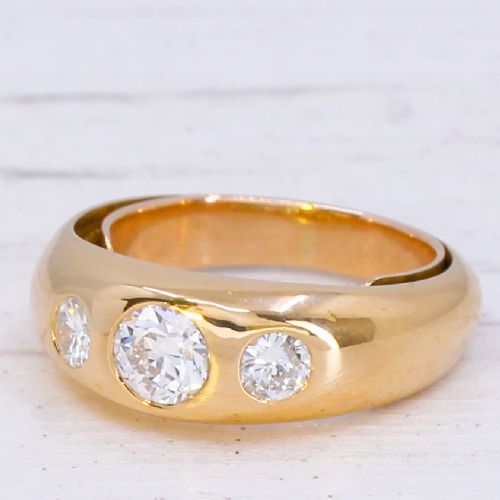
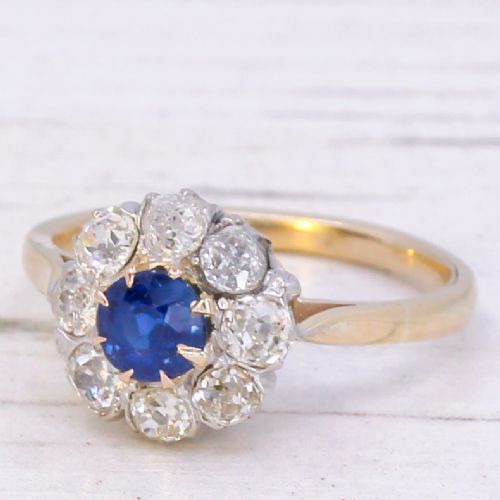
When searching for 1950s diamond jewellery, buyers encounter a diverse selection of rings, necklaces, earrings, bracelets, and brooches originating from the mid-century period. These pieces frequently incorporate diamonds alongside prominent coloured gemstones such as sapphires, emeralds, aquamarines, and pearls.
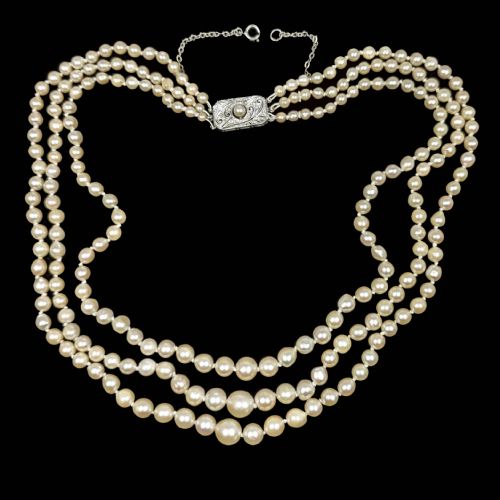
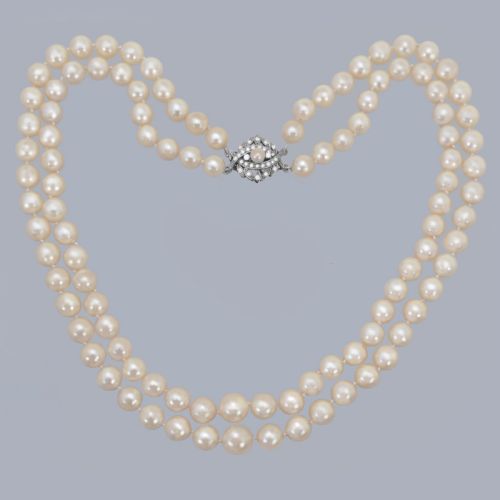
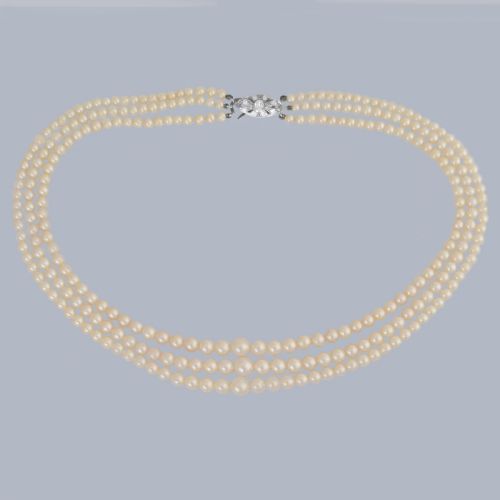
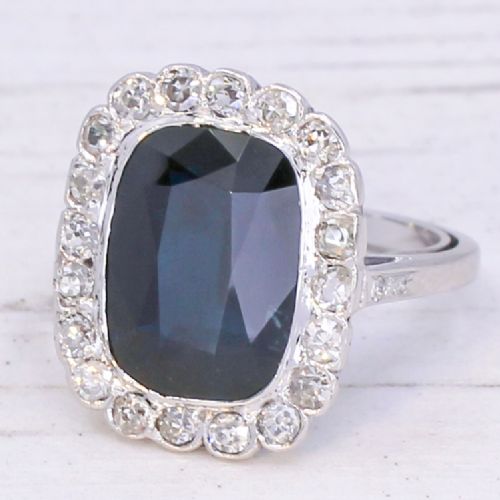
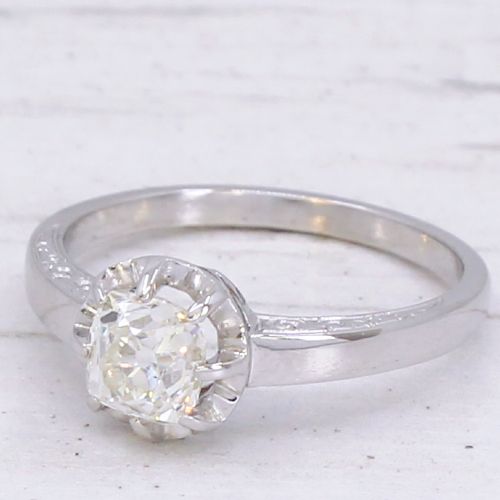
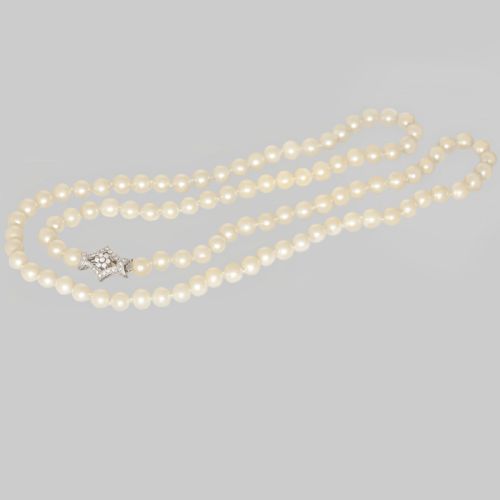
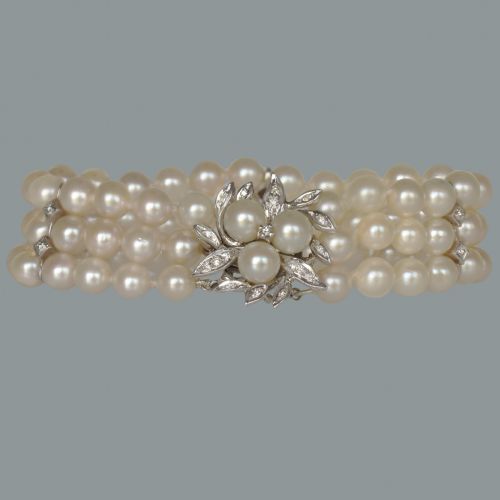
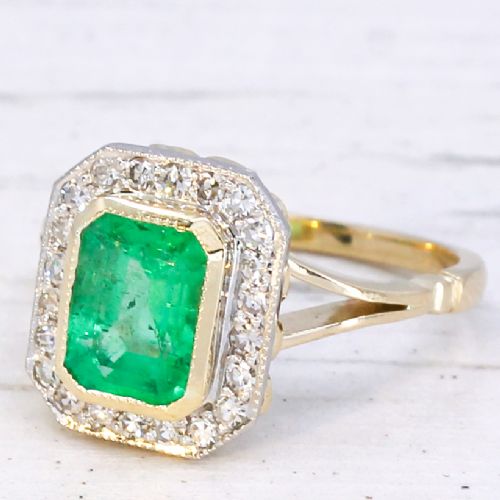
The inventory on this page highlights multi-strand pearl necklaces secured with diamond-set clasps, alongside cocktail rings and engagement pieces. Solitaire rings, cluster designs, and ballerina settings dominate the ring selection, often reflecting lingering Art Deco influences alongside distinctly mid-century motifs.
Materials and construction
The pieces utilise precious metals such as platinum, 18ct white gold, yellow gold, and occasionally 14ct gold to set the stones securely. Platinum and white gold provide a bright, reflective backdrop that enhances the brilliance of old cut and single cut diamonds.
Gemstones including unheated Ceylon sapphires, Colombian emeralds, and cultured pearls are integrated into elaborate clasps, cluster heads, and mountings. Master jewellers employed traditional claw, bezel, and pave settings to construct durable mounts that showcase the central stones.
Star sapphires and massive aquamarines bring unexpected oceanic depths to mid-century cocktail parties.
Factors of quality
Quality in these items depends upon the inherent grade and weight of the central diamonds and accompanying coloured gemstones. Superior examples feature stones with high clarity and desirable colour characteristics, complemented by certified gemstone reports.
The standard of metalwork and the intricacy of the setting design further distinguish exceptional pieces from standard items. Preservation of the original mount, secure stone settings, and balanced proportions contribute significantly to the overall desirability of each jewel.
The 1950s Diamond Jewellery Glossary
- Old cut
- A diamond cutting style prevalent in earlier periods featuring a small table, high crown, and large culet, offering a softer sparkle than modern brilliant cuts. These cuts appear frequently in mid-century jewellery that reuses older stones.
- Ballerina ring
- A cluster ring style where a central diamond or gemstone is surrounded by tapered baguettes or smaller stones resembling a ballerina's tutu. This distinctive mid-century silhouette creates a wide, dramatic profile on the finger.
- Cultured pearl
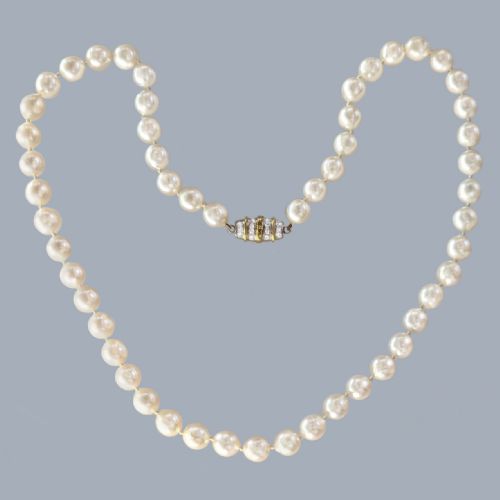
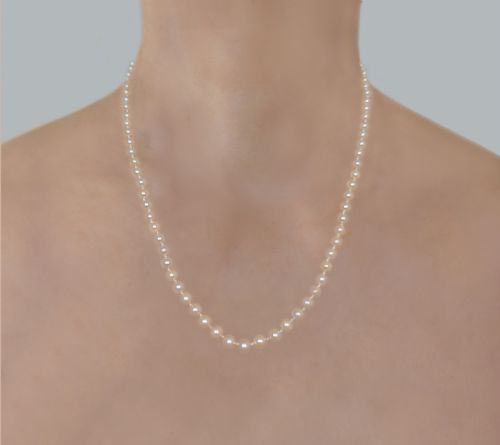
- Pearls formed with human intervention by inserting a nucleus into an oyster, widely utilised in the multi-strand necklaces and bracelets of this era. They are often graded for lustre, size, and uniformity across the strand.
- Solitaire
- A piece of jewellery featuring a single mounted diamond or gemstone as the primary focal point. This setting style emphasises the individual stone's size, cut, and quality without distraction from secondary side stones.
- Cocktail ring
- A large, statement ring designed to be worn at evening social gatherings, typically featuring substantial gemstones and intricate diamond accents. These pieces reflect the bold scale and creativity of mid-century design.
1950s Diamond Jewellery: Frequently Asked Questions
How do I identify 1950s diamond jewellery?
Examination of the mounting styles, metal choices, and gemstone cuts helps determine the period. Mid-century pieces often combine platinum or white gold with specific floral, cluster, or geometric motifs.
Maker marks, hallmarks, and accompanying laboratory reports provide additional documentation regarding the date and authenticity of the materials used.
Are pearls common in 1950s pieces?
Cultured pearls appear frequently in the jewellery of this decade, often arranged in multi-strand configurations. These necklaces and bracelets typically feature decorative clasps set with diamonds and sapphires.
Jewellers designed these clasps to be worn visibly at the side or front of the neck, functioning as ornamental focal points.
What metals were used in the 1950s?
Platinum and 18ct white gold served as the primary metals for mounting diamonds during this period. Yellow gold and 14ct gold also appear regularly, particularly in warmer-toned cocktail rings and bracelets.
Combination pieces utilising both white and yellow gold reflect the transitional design trends of the mid-century era.
How should I care for vintage jewellery?
Proper maintenance involves gentle cleaning with soft cloths and avoiding harsh chemical ultrasonic cleaners that might damage pearls or treated gemstones. Storing pieces individually prevents scratching between harder diamonds and softer stones.
Routine inspection by a professional jeweller ensures that claw settings and clasps remain secure over time.