

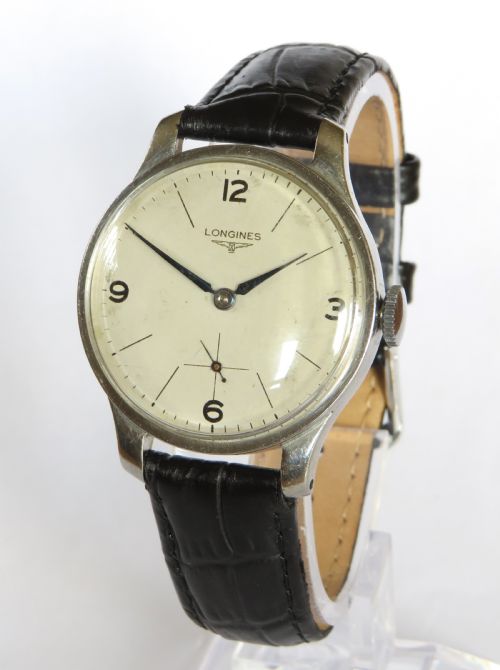


1940s Vintage Watch
When a collector hunts for a 1940s vintage watch, they seek the robust mechanics and distinct dial layouts of mid-century horology.
1940s Vintage Watch
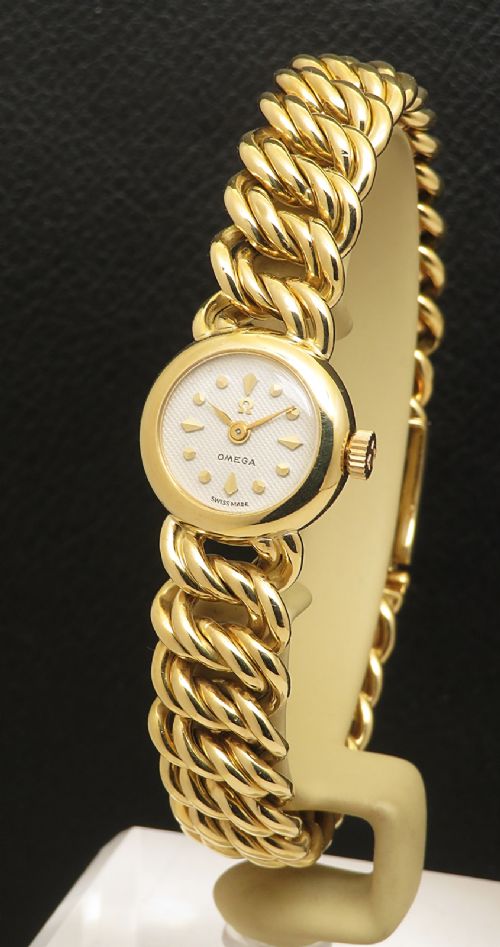
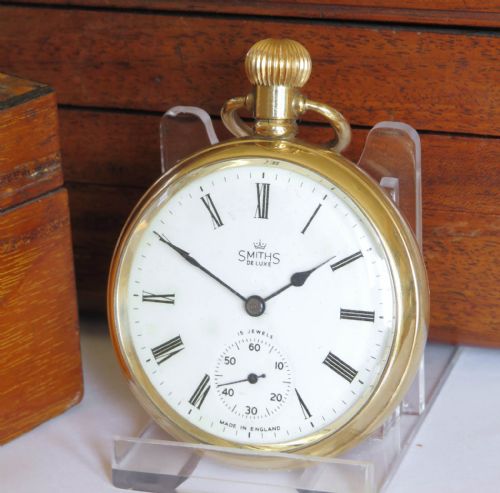
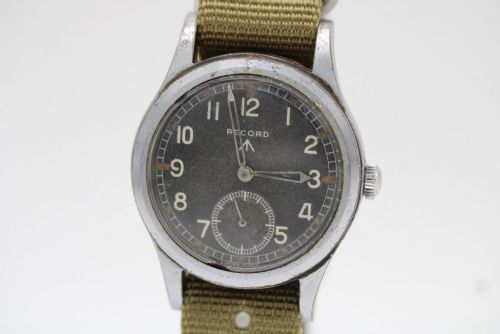
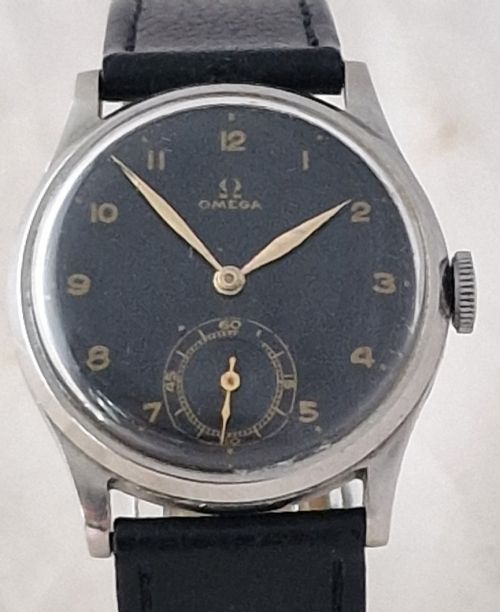
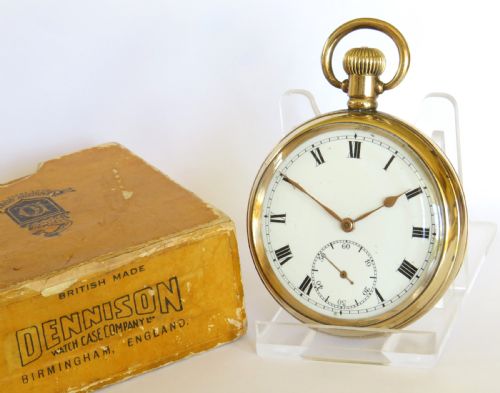
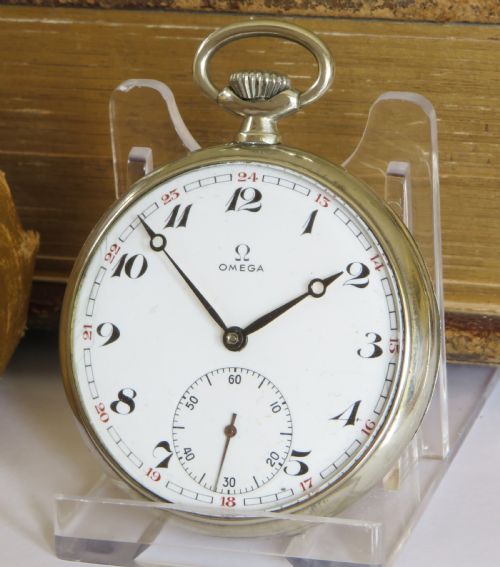
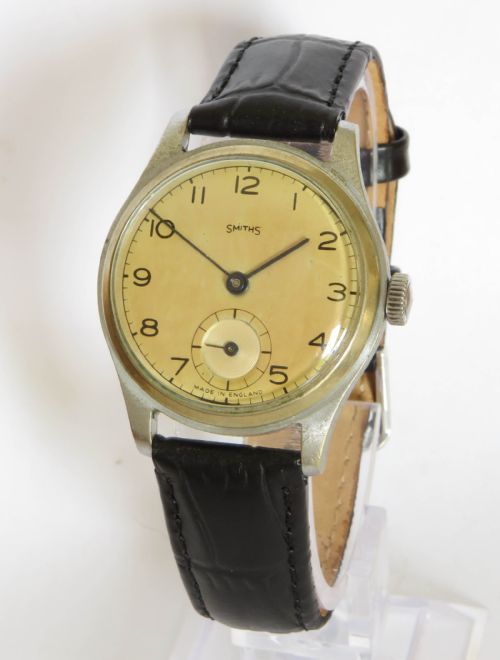
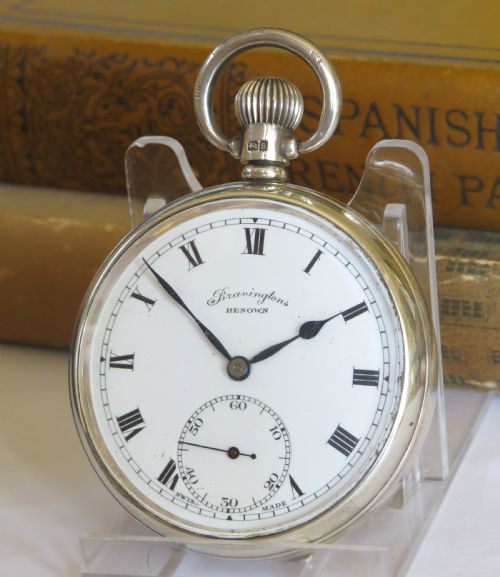
A 1940s vintage watch encompasses a diverse array of wristwatches, pocket watches, and pendants produced during a transformative decade for timekeeping. Wristwatches dominate the selection, appearing in both civilian dress styles and military service specifications for pilots, navigators, and ground troops. Pocket watches and fob watches maintain a strong presence, preserving traditional formats alongside contemporary wrist-worn innovations.
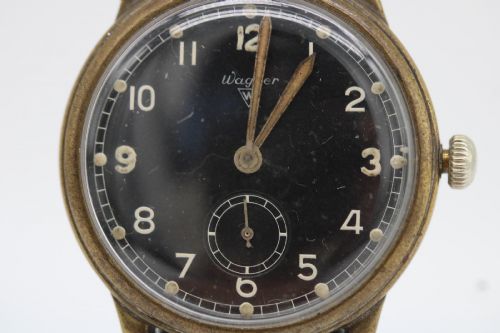
The horological landscape of this era bridges the decorative geometry of the previous decade with the functional utilitarianism of mid-century design. Pieces span from solid gold dress models bearing elaborate dials to stainless steel military issues stamped with government service marks. Buyers encounter creations originating from Swiss workshops, British manufacturers, and German military suppliers alike.
How They Were Made
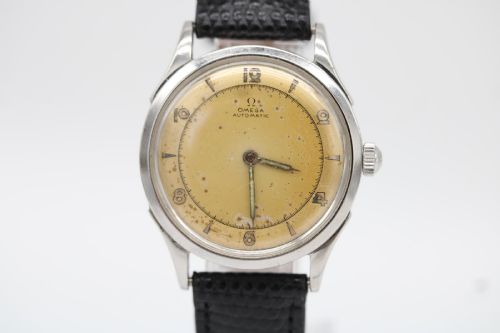
Cases utilise a variety of metals, ranging from solid gold and gold plate to stainless steel, silver, and brass. Movements rely on traditional manual wind mechanisms, alongside early automatic bumper systems that utilised oscillating weights to tension the mainspring.
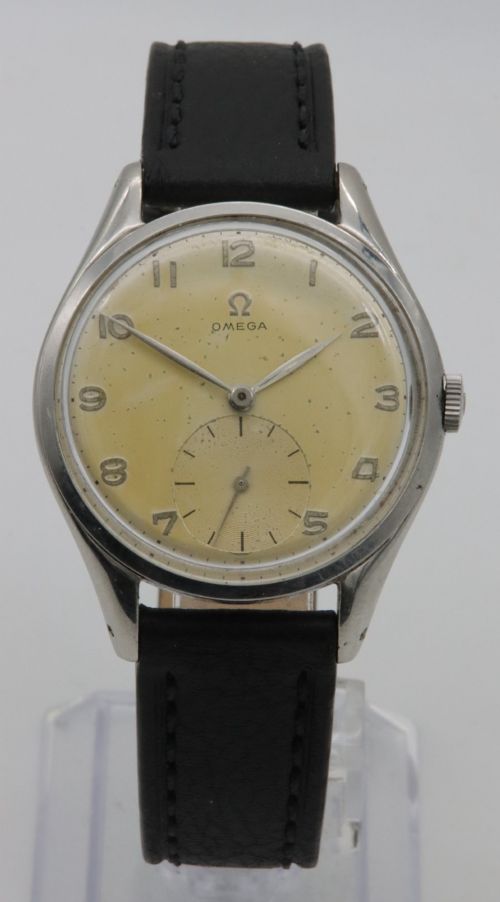
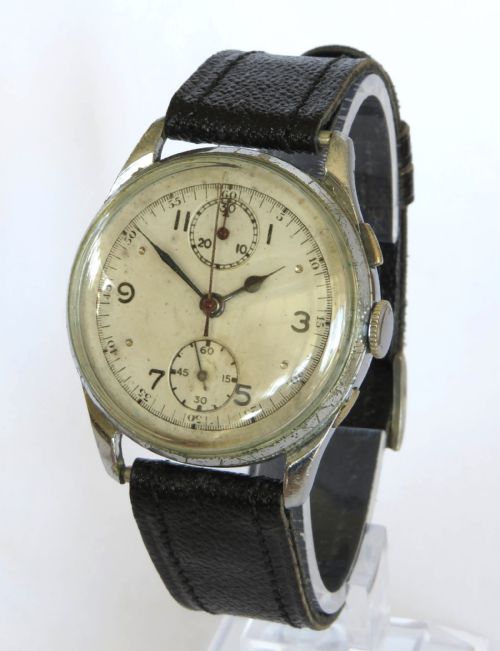
Dials incorporate glass or acrylic crystals to protect paper, enamel, or metal faces, often detailed with subsidiary seconds dials or chronograph complications. Leather straps secure wrist models to the arm, while specialised military and civilian pieces employ robust steel or plated housings to withstand daily wear.
Listings feature stainless steel, gold plate, brass, and solid gold materials alongside leather and acrylic components.
What Varies in Quality
The upper tier of the market is defined by high-grade mechanical movements, such as specialised chronographs and chronometer-grade calibres produced by esteemed Swiss manufactures. These superior examples often retain original dials, correct signed components, and documented provenance, such as military issue numbers or presentation inscriptions.
Lower tiers typically comprise standard civilian timepieces housed in gold-filled or plated cases with mass-produced movements. Dial preservation heavily influences overall desirability, as weathered faces or unverified redial work reduce historical integrity compared to pristine factory-original examples.
Omega·Smiths·Record·Cyma·Longines·Roamer·Marvin·Enicar·Ebel·Vertex·Aristo·Le Coultre·Mundus·Elgin·Vacheron Constantin·Buren·Kingston·Kered·Helbros·Drott·Belgosa·Rotary·Tempex·Cortébert·Sperina
The 1940s Vintage Watch Glossary
- Bumper automatic
- An early self-winding watch movement where the rotor swings back and forth against internal springs rather than rotating fully. This mechanical layout provides a distinct physical thud on the wrist as the weight moves.
- Calibre
- The specific manufacturer's designation for a particular watch movement design and size. Collectors reference these numbers to identify internal mechanical components and production lineages.
- Chronograph
- A timepiece equipped with a secondary stopwatch function operated via pushers on the side of the case. These mechanisms allow the measurement of elapsed time alongside standard hour and minute display.
- Subsidiary seconds
- A separate, smaller dial sub-register dedicated to tracking seconds, usually positioned at the six o'clock mark. This layout frees the central pinion for primary hour and minute hands.
- Dirty Dozen
- A group of twelve specific watch manufacturers commissioned by the British Ministry of Defence during the Second World War. These military-issue timepieces share standardised utilitarian black dials, subsidiary seconds, and waterproof steel cases.
1940s Vintage Watch: Frequently Asked Questions
How do I wind a 1940s watch?
Most timepieces from this period rely on manual-wind movements that require turning the crown clockwise until firm resistance is felt. Care must be taken not to overwind the mainspring, which can snap the internal spring.
Automatic models utilise wrist movement to tension the spring internally, though manual priming via the crown may still be necessary after periods of inactivity.
Were all 1940s watches waterproof?
Water resistance in this era varied significantly, with military specifications demanding robust sealing against moisture and dust for field service. Civilian dress watches generally offered only basic dust protection rather than true swimming or diving capabilities.
Vintage gaskets degrade over decades, meaning modern wearers should avoid exposing older pieces to water regardless of original case descriptions.
What is a military issue watch?
Military issue pieces were procured by government departments for armed forces personnel, stamped with specific broad arrow marks, serial numbers, and service codes on the case back. These watches prioritized legibility, durability, and precision under harsh combat conditions.
Civilians often prize these rugged instruments today for their straightforward steel construction and verifiable historical service records.
How do I identify a military watch?
Identification relies on examining case back engravings, which typically display government broad arrow symbols, department codes like A.M. for Air Ministry, and unique serial numbers. Dials often feature high-contrast Arabic numerals and railway minute tracks designed for rapid reading.
Movements inside these pieces usually conform to strict government procurement standards for shock resistance and reliability.
Can I wear a vintage watch daily?
Daily wear is possible provided the movement has undergone recent professional servicing to ensure proper lubrication and timing accuracy. Owners should remember that these mechanical items lack modern shock protection and magnetic shielding.
Avoiding vigorous sports, water exposure, and extreme temperatures helps preserve the delicate internal components for continued use.